
Picking the right pet bird comes down to one honest question: does this bird's real daily needs match your real daily life? Not the life you wish you had, but the one you actually live right now. Get that match right and you'll have a joyful, healthy companion for years. Get it wrong and you'll end up with a stressed bird and a guilty conscience. This guide walks you through every step, from figuring out what you actually want to bringing home a bird that fits.
How to Pick a Pet Bird: Step-by-Step Welfare Guide

Maya Harris
15 Apr 2026
Know what you want from a pet bird
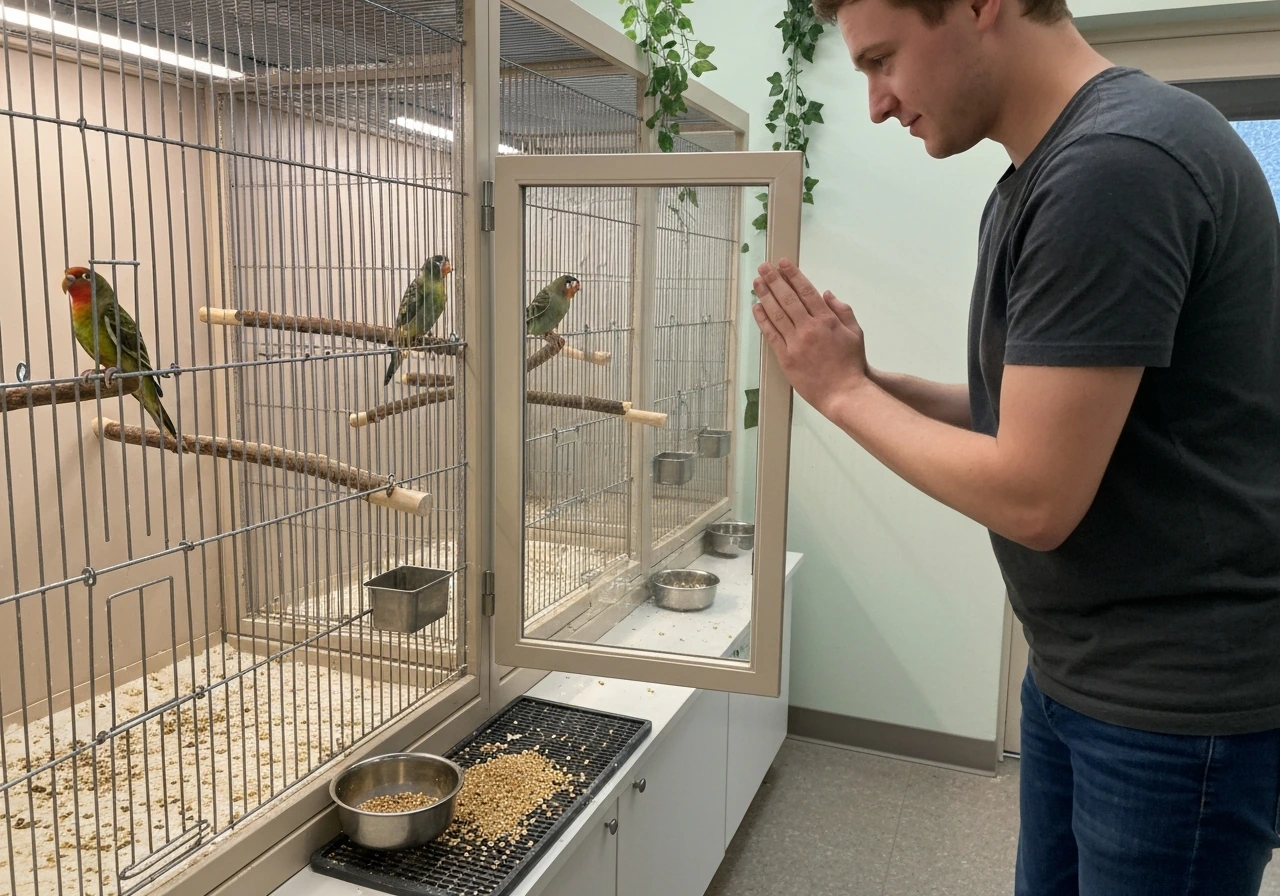
Before you look at a single species, spend ten minutes answering some honest questions about yourself. Do you want a bird you can handle daily, one that talks, one that sings quietly in the background, or one that's primarily a visual companion? These are not the same bird. A person who wants a hands-off, melodic pet will be miserable with a demanding cockatoo, and vice versa.
Think through these four categories before you go any further:
- Interaction level: Do you want a bird that bonds closely and needs daily handling, or one that's content to observe and be observed?
- Talking vs. sounds: Talking ability varies hugely by species and individual. If a quiet home matters to you, rule out macaws, cockatoos, and sun conures early.
- Solo vs. flock needs: Some species (budgerigars, lovebirds, finches) do better with a same-species companion. Others, like many large parrots, bond intensely to a single person. Be honest about whether you can provide companionship 4 to 6 hours a day.
- Hands-on vs. low-contact: A finch or canary is a low-contact bird. A cockatiel or parrotlet needs regular gentle handling. An African grey or Amazon parrot needs significant daily social and mental engagement.
If you're not sure where you land yet, it helps to read through a more detailed self-assessment. The guide on how to find the right bird for you goes deep on matching personality type to species, and I'd recommend working through it alongside this one.
Match bird species to your lifestyle and experience
Once you know what you want from a bird, you need to match that to what you can realistically provide. The four biggest lifestyle factors are noise tolerance, available space, daily time, and your experience level. Budget and allergies matter too, and I'll cover both.
Beginner-friendly species
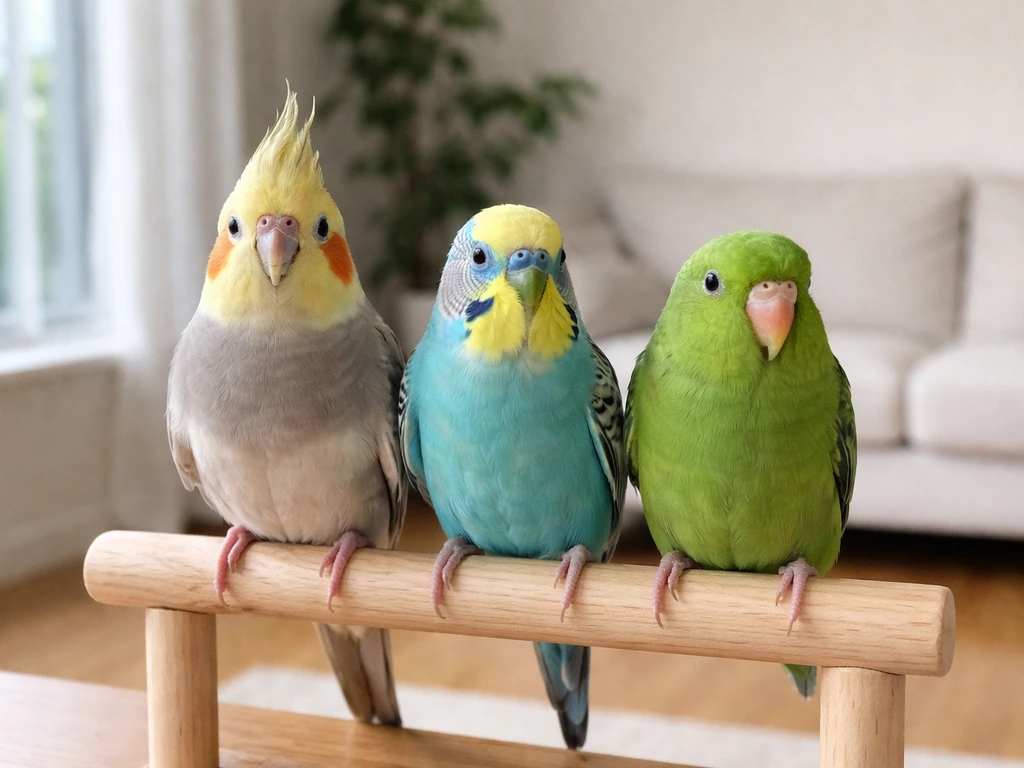
Cockatiels, budgerigars (budgies), and parrotlets are genuinely good starting points for most beginners. They're forgiving of learning curves, bond well with patient owners, and don't carry the extreme behavioral complexity of larger parrots. Cockatiels in particular are affectionate, whistle-happy, and manageable in apartment settings. Finches and canaries are excellent if you want a low-handling companion that's easy to care for and visually engaging, though they're not lap birds.
Intermediate to advanced species
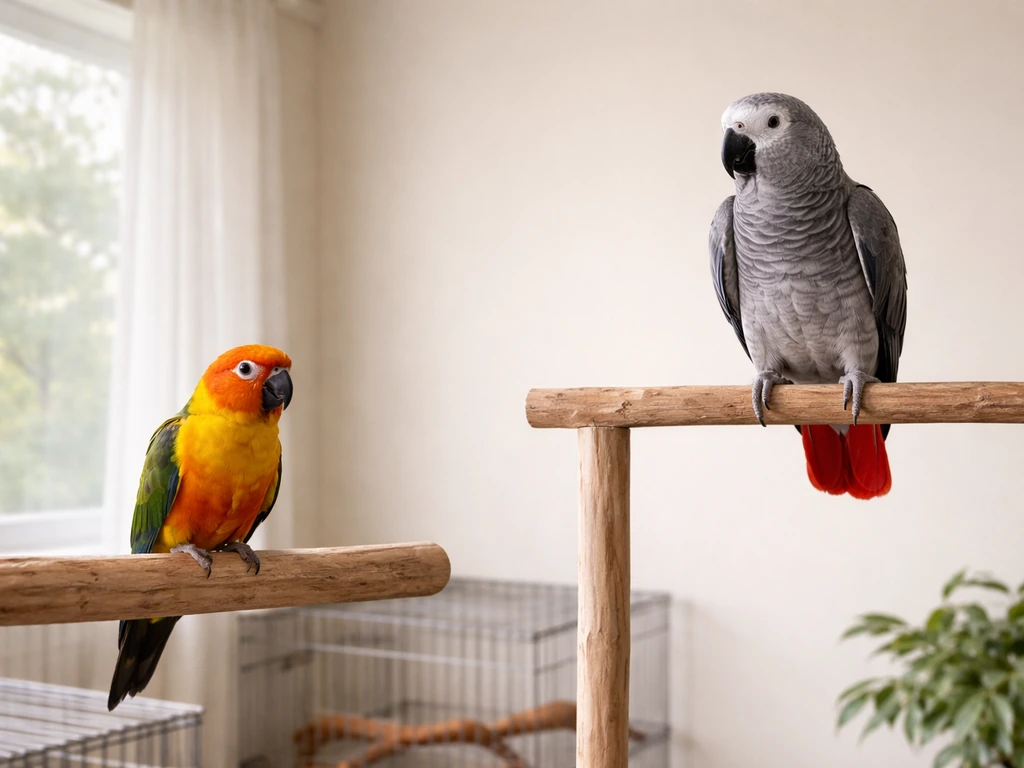
Conures, caiques, lovebirds, ringneck parakeets, and small Amazons require someone who's done their homework and has consistent time to give. Larger parrots like African greys, cockatoos, macaws, and large Amazons are long-lived (some 50 to 80-plus years), emotionally complex, and genuinely demanding. The ASPCA is direct about this: medium and large parrots require opportunities to fly and climb, daily social and mental stimulation, and ideally blank" rel="noopener noreferrer">at least one bird companion. If you're drawn to these species but have no parrot experience, start smaller and work up.
A quick species comparison
| Species | Experience Level | Noise Level | Handling Needs | Lifespan |
|---|---|---|---|---|
| Budgerigar | Beginner | Low to moderate | Moderate | 7 to 15 years |
| Cockatiel | Beginner | Moderate | Moderate to high | 15 to 25 years |
| Parrotlet | Beginner to intermediate | Low to moderate | High | 15 to 20 years |
| Lovebird | Intermediate | Moderate | High (needs a pair or daily attention) | 10 to 15 years |
| Conure (green cheek) | Intermediate | Moderate to high | High | 15 to 25 years |
| Cockatoo | Advanced | Very high | Very high | 40 to 70 years |
| African Grey | Advanced | Moderate | Very high (complex social needs) | 40 to 60 years |
| Finch / Canary | Beginner | Low | Low (minimal handling) | 5 to 15 years |
On the budget side: factor in not just the purchase price but cage cost, quality diet, toys and enrichment rotation, and avian vet visits. Large parrots can also trigger feather allergies or dander sensitivities (cockatoos and cockatiels are heavy dander producers), so if allergies are a concern, spend time around the species before committing.
Buy from the right source: rehoming, breeder, or rescue
Where you get your bird matters as much as which bird you choose. There are three main routes: rescues and shelters, private rehoming (previous owner giving up a pet), and reputable breeders. Pet store purchasing is a fourth option that I'd encourage you to think carefully about, for reasons I'll explain.
Rescues and shelters
Bird rescues and sanctuaries are overflowing right now, especially with larger parrots. Adopting from a rescue means you're giving a bird a second chance, and in many cases you'll have access to the bird's history, behavioral notes, and vet records. The Avian Welfare Coalition is explicit about always requesting vet records when adopting, especially if you already have birds at home.
Rescues also tend to vet adopters carefully, which actually works in your favor: if they approve you, you're probably set up well. If you're weighing this option, the guide on how to foster a bird is worth reading, because many rescues allow fostering before adoption, which is an excellent way to see how a specific bird fits your home.
Private rehoming
Rehoming from a private owner can work well if you ask the right questions. Find out why the bird is being rehomed, how long they've had it, what the diet and routine has been, and whether there are any behavioral issues. Ask to visit the bird multiple times before committing. A bird that's been well-loved by one family can settle into yours with the right patience.
Reputable breeders
If you go the breeder route, look for someone who hand-raises chicks, socializes them from an early age, and is willing to let you visit the facility. A good breeder will ask you questions too. They'll want to know about your setup, your experience, and your plans. That's a green flag. They should also provide health records, be transparent about the parents, and ideally offer post-purchase support.
Pet stores
Most avian welfare organizations advise caution here. Birds in retail environments often come from high-volume breeding operations, receive minimal socialization, and may have stress-related health issues by the time they reach the floor. If you're considering a pet store bird, insist on seeing health documentation, ask where the bird came from, and observe the store conditions carefully. In general, a rescue or reputable breeder is a safer and more ethical starting point.
Assess a bird's health, temperament, and handling tolerance
Before you commit to any individual bird, you need to evaluate them directly. A healthy bird should be alert and responsive, hold itself upright on its perch, have clean, smooth feathers with no bald patches, clear bright eyes with no discharge, clean nostrils, and a beak that's properly aligned. The vent (under the tail) should be clean and dry. Labored breathing, tail-bobbing, fluffed feathers during the day, or a bird sitting low on the perch are all signs something is wrong.
Temperament assessment takes more time. Watch the bird in its normal environment before you interact. Is it curious and engaged? Does it react to movement with sharp fear responses or with interest? A bird that freezes, screams, or tries to escape every time a person approaches is going to need a lot of patient rehabilitation before it's comfortable. That's not a dealbreaker if you're prepared for it, but know what you're taking on.
Testing handling readiness should be done gently and with permission from the bird. Offer your hand or a perch slowly. A bird that steps up calmly, makes eye contact, and doesn't display extreme stress signals (wing spreading, hissing, biting without any buildup) is a good indicator of handling tolerance. Don't force it. One session of calm interaction tells you far more than a forced grab.
The Avian Welfare Coalition emphasizes that placement decisions should be based on the bird's individual needs, including their social, intellectual, and biological requirements, not just on what's convenient for the adopter. This is especially relevant when assessing temperament: a bird that's clearly stressed in a busy, loud environment isn't a bad bird. It may just need a calmer home.
Understand setup needs: cage, diet, enrichment, and vet care
Getting the physical setup right before your bird arrives is one of the best things you can do. A rushed or inadequate setup is a common mistake that creates stress for both you and the bird from day one.
Housing
The MSPCA-Angell recommends that a cage be at least 1.5 to 2 times the bird's wingspan in all directions, meaning width, depth, and height. That's a minimum. Bigger is always better. Bar spacing is equally important: a practical rule is that if a finger can fit between the bars, the spacing is too wide and the bird could get its head or body stuck. Merck Veterinary Manual tables confirm that bar spacing requirements vary by species, so look up the specific numbers for your bird. Position the cage in a well-ventilated area away from kitchen fumes (Teflon and overheated non-stick cookware emit fumes that are lethal to birds), direct drafts, and direct sunlight with no shade option.
Diet
Most avian vets recommend a diet of roughly 60% formulated pellets and 40% fresh vegetables, with seeds and fruit used as treats rather than staples. Oregon Humane Society’s “Your New Bird” PDF recommends that vegetables, fruits, and dark leafy greens make up at least 30% of a bird’s diet, with seeds and nuts at 5% to 10% [60% formulated pellets and 40% fresh vegetables](https://www. oregonhumane. org/bird_book03.
pdf). The RSPCA (Australia) supports this breakdown and notes that a variety of vegetables by color helps ensure nutritional range. For smaller species like budgerigars, parrotlets, lovebirds, and cockatiels, the RSPCA (UK) advises that seeds should make up no more than about a tenth of the total diet, with free access to pellets and daily fresh produce.
Oregon Humane Society also emphasizes that fresh foods should be offered daily, and that covering the cage at night (with appropriate fabric) supports healthy sleep.
Enrichment and daily routine
Birds need more than food and a perch. Foraging toys, chewable items, rotating puzzles, and out-of-cage time are all part of a healthy daily routine. Plan for at least 2 to 4 hours of supervised out-of-cage time per day for most parrot species. Finches and canaries don't need handling time but benefit from visual interest and flight space. Sticking to a consistent daily schedule (wake, feed, play, cover at night) reduces anxiety and makes training much easier.
Avian vet care
Find an avian vet before you bring your bird home. Not all vets see birds, and a general practice vet is not a substitute for someone with avian training. Budget for a new-bird wellness exam within the first week, and annual checkups after that. Birds hide illness as a survival instinct, so by the time obvious symptoms appear, a bird can be seriously unwell. Regular vet access is non-negotiable.
Plan for bonding, training, and welfare-first handling
Once your bird is home, resist the urge to handle intensely right away. Give them 3 to 7 days to decompress in their new environment before you start active interaction. During this period, sit near the cage, talk softly, and let them get used to your presence without any pressure.
Welfare-first handling means the bird has agency in every interaction. Use positive reinforcement exclusively: reward calm behavior and step-ups with a small treat, praise, or time doing something the bird enjoys. Never grab, chase, or force a bird into interaction. If a bird bites during handling, it's communicating stress, not being bad. Back off, reassess, and try again with a slower approach.
Once you're ready to start formal training, the guide on how to start a bird covers the first handling and taming sessions in practical detail. I'd also recommend reading through the advice on how to be a good bird owner, which breaks down the daily habits and long-term commitments that make the biggest difference to your bird's welfare over time.
Common early bonding problems usually come down to moving too fast, inconsistent routines, or a mismatch between the bird's social needs and the time you're actually available. If your bird is screaming, feather-destructing, or refusing to interact after several weeks, that's a signal to slow down and revisit the basics, not to escalate pressure.
Avoid red flags and common mistakes
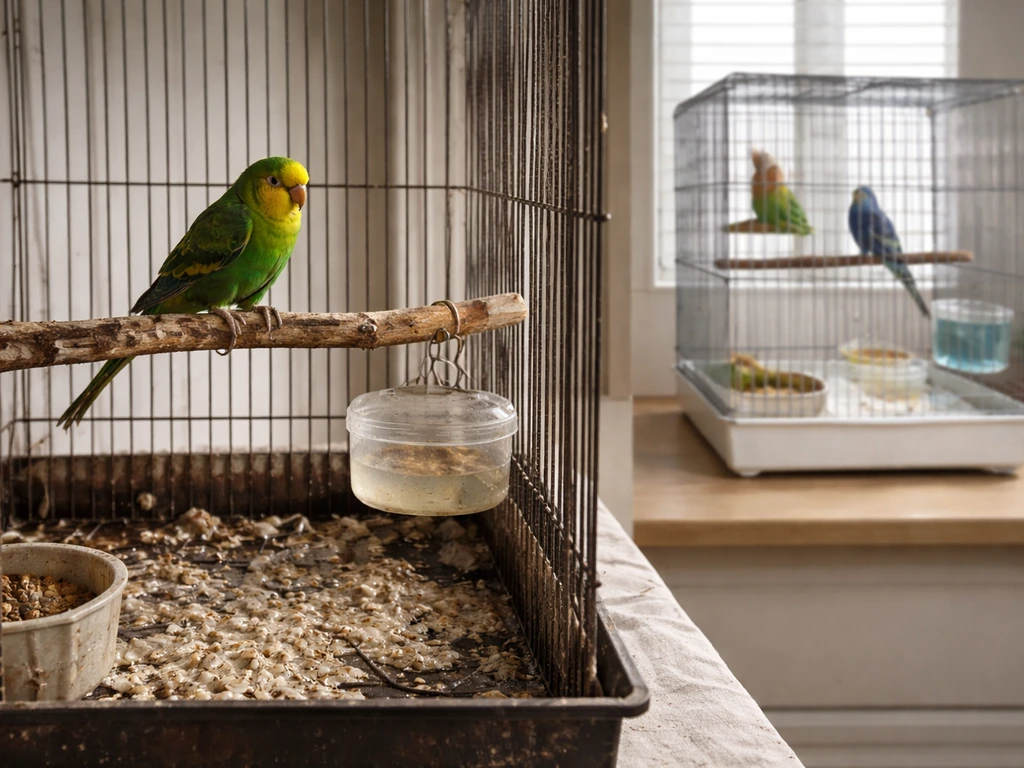
Most regrettable bird choices come from ignoring red flags at the point of selection. Here's what to watch out for:
- A seller who won't let you visit or handle the bird before purchase. This is a major red flag, especially for parrots.
- Birds housed in visibly dirty, overcrowded, or poorly maintained conditions.
- A seller who has no vet records or can't answer basic questions about diet and socialization.
- Buying impulsively because a bird is 'pretty' or on sale, without matching it to your lifestyle.
- Underestimating the lifespan commitment: a cockatoo or African grey may outlive you. Have a plan.
- Skipping the avian vet exam and assuming the bird is healthy because it looks fine.
- Setting up the cage near the kitchen, using non-stick cookware in a home with birds, or using scented candles and aerosols, all of which can be fatal.
- Getting a young child a large parrot without understanding the handling skill required.
One mistake I see repeatedly is people getting a bird for a child without understanding that the adult in the home will almost certainly become the primary caregiver. If you're in that situation, the article on how to convince your parents to get you a bird actually does a good job of framing the responsibility expectations from both sides of that conversation.
Also worth noting: some birds that seem like exotic options are legally protected and cannot be kept as pets in many regions. If you've ever wondered about unusual species, the piece on how to get a kiwi bird is a good example of why legal and conservation status research matters before you fall in love with a species.
The bottom line is this: the best pet bird for you is the one whose needs you can genuinely meet every day for the next decade or more. Do the honest self-assessment, research the species thoroughly, choose a responsible source, evaluate the individual bird carefully, and get your setup right before they arrive. Do those five things and you're already ahead of most first-time bird owners.
FAQ
How long should I wait before I expect my new pet bird to be tame or comfortable?
Most birds need more than “one good day” to bond. Plan on a quiet decompression period, then short, repeatable interaction sessions (for example, 5 to 10 minutes at the same times daily). If the bird only relaxes after you back off, that means your pace is too fast, not that the bird is “untrainable.”
What if I’m not home most of the day, how do I pick a bird that will cope?
Yes, but it affects species choice. If you work long hours, prioritize birds that do best with strong routines and environmental enrichment, like foraging toys and quiet visual engagement. For highly social, demanding parrots, lack of daily time often leads to screaming and feather problems, so you may need a smaller species or an arranged companion and structured out-of-cage time.
What are the most important in-person health red flags when I’m evaluating a specific bird?
Use the bird’s normal perch posture and breathing rate as your first screen, not just “looks healthy.” Watch for repeated tail-bobbing, open-mouth breathing, lethargy in a typically active bird, or discharge from eyes or nostrils. Also check vent cleanliness and feather condition around the cloaca, these can show illness even when the bird looks okay at first glance.
Is it okay if the bird won’t step up during the first visit?
Finger stepping up is a skill, and stress can make it inconsistent. Before taking the bird home, test handling gently for calm step-up and relaxed body language, and do not interpret one refusal as a dealbreaker if the bird shows gradual comfort. What matters more is whether the bird can settle with low pressure after a short time.
How should I choose a new bird if I already have other birds at home?
If you already have birds, the biggest mistake is skipping a quarantine plan and assuming a rescue or breeder “must be healthy.” Set up a separate room and schedule a vet check with an avian-experienced clinician. Avoid sharing toys, food bowls, or perches across cages during the adjustment period, and watch for any delayed symptoms before introducing.
What should I consider about my home’s noise and nighttime routine when picking a pet bird?
Commit to sleep and noise management before purchase. Birds need a consistent dark period, and sudden changes in wake time, bright lights, or nighttime disturbances can worsen stress. Choose a cage location away from kitchen fumes and drafts, and if your household is loud at night, consider how you’ll handle covering and sound without overheating.
What costs do beginners usually miss when they think about how to pick a pet bird?
Many people underestimate the cost beyond the initial bird. Budget for a properly sized cage, quality pellet and produce, enrichment items, and an avian wellness exam in the first week. Also plan for possible replacement toys and “trial” diet adjustments, especially when transitioning rescued birds off old food.
If I have allergies, how can I tell which bird is safer for me?
Allergies and sensitivities are not just about fur, they are often about feather dust and dander, cockatoos and some species are bigger producers. The practical step is to spend time near that exact bird type at a calm pace, not just look at photos. If you have asthma or strong reactions, run it by an allergist and ensure your housing can support excellent cage cleaning and ventilation.
Do smaller birds live shorter lives, so are they always the better long-term choice?
Yes, but decide based on your goals. Larger parrots can live for decades, but small birds also require ongoing daily care and can have loud vocalizations. The right choice is one that matches your long-term ability to provide time, enrichment, and vet access, not just the short-term “cuteness” factor.
How do I pick between a bird that likes handling versus one that mostly stays on the cage but engages visually or vocally?
Not always, and it’s a common mismatch. Some birds are better as low-handling companions, while others will accept gentle touch with consistent positive reinforcement. If you want a bird that sings, talk, or interacts on cue, you must choose the species that naturally does that and then set realistic training expectations.
What questions should I ask a private owner before rehoming their bird?
If you’re trying to avoid regrets, ask for the current diet, daily schedule, and any prior behavioral notes before you commit. For rehoming, specifically ask what changed in the household that led to rehoming, and whether the bird has recently been on antibiotics or had any veterinary visits. Then observe the bird’s eating and activity during multiple visits if possible.
If I find an unusual bird online, how do I make sure it’s legal to keep in my area?
Legal status is location-specific, even when a species seems common online. Before you buy or adopt, check your local wildlife regulations and transport rules, because some birds are restricted, require permits, or cannot be kept as pets. Also confirm the seller can provide documentation appropriate for your region.