
The best way to convince your parents to get you a bird is to show up with a real plan, not just enthusiasm. That means picking a species that fits your home, knowing the actual costs, having a care schedule ready, and being able to answer every concern they throw at you before they even say it. Parents don't say no to birds because they hate birds. They say no because they're worried about noise, mess, vet bills, and whether you'll actually follow through. Take those worries off the table one by one, and you're most of the way there.
How to Convince Your Parents to Get You a Bird

Maya Harris
24 Apr 2026

Build a responsible bird plan pitch

Walking up to your parents and saying "I want a bird" is almost guaranteed to get a no, or at least a "we'll think about it" that goes nowhere. Walking up with a written plan is a completely different conversation. Your pitch should be one or two pages (or a digital doc if that's easier) that covers the species you want, where it would live in the house, who pays for what, your daily care schedule, and how you'll handle things like vet visits or vacations. It sounds like a lot of work, but putting it together is also how you prove to yourself that you're actually ready.
Start your plan by explaining why you want a bird specifically. Not just "birds are cool" but what draws you to them: maybe it's their intelligence, the potential to train and bond with them, or that you want a companion that's interactive but doesn't need outdoor walks. Be honest. Parents respond to sincerity a lot better than a sales pitch. Then move into the practical details, which is where most of the convincing actually happens.
- Species choice and why it fits your household (size, noise level, lifespan, handling needs)
- Estimated startup costs and monthly budget breakdown
- Daily and weekly care schedule, with who does what and when
- Cage placement and any housing modifications needed
- Name of a local avian vet you've already identified
- What happens to the bird during holidays or if you eventually move out
Choose the right pet bird for your home
Species choice might be the single most persuasive part of your pitch. Suggesting a macaw when you live in an apartment will shut the conversation down fast. Suggesting a budgerigar or a cockatiel shows you've done your homework and are thinking practically. Here's a realistic look at the most beginner-friendly options and what they actually involve. Once you have a short list, you can use the same checklist approach to learn how to pick a pet bird for your specific home and lifestyle.
| Species | Noise Level | Size | Lifespan | Best For |
|---|---|---|---|---|
| Budgerigar (budgie) | Low to moderate | Small | 7–15 years | First-time owners, smaller homes, apartments |
| Cockatiel | Moderate | Small–medium | 15–25 years | Beginners who want a hands-on, affectionate bird |
| Lovebird | Moderate | Small | 10–15 years | Someone who wants a bold personality in a small package |
| Conure (Green-cheeked) | Moderate | Small–medium | 20–30 years | Active households okay with some noise |
| Parrotlet | Low to moderate | Small | 15–20 years | Quiet households, people wanting a feisty companion |
| African Grey / Amazon / Macaw | High | Large | 40–80+ years | Experienced owners only; not ideal for first bird pitch |
For most people trying to convince skeptical parents, a budgie or cockatiel is the smartest starting point. They're genuinely interactive, they can learn to talk or whistle, they don't need a huge cage, and they won't rattle the windows when they call out. If you already know you want something bigger and more challenging, be ready to explain exactly why you're prepared for it. Finding the right bird for your specific household is worth spending real time on before you approach your parents.
Handle the big parent objections one by one
You will almost certainly hear some version of the same four concerns: it's too noisy, it's too messy, we don't have time, and it costs too much. Have a prepared, honest answer for each one. Trying to minimize or dismiss these concerns will backfire. Acknowledging them and then explaining your plan is what actually moves the conversation forward.
Noise
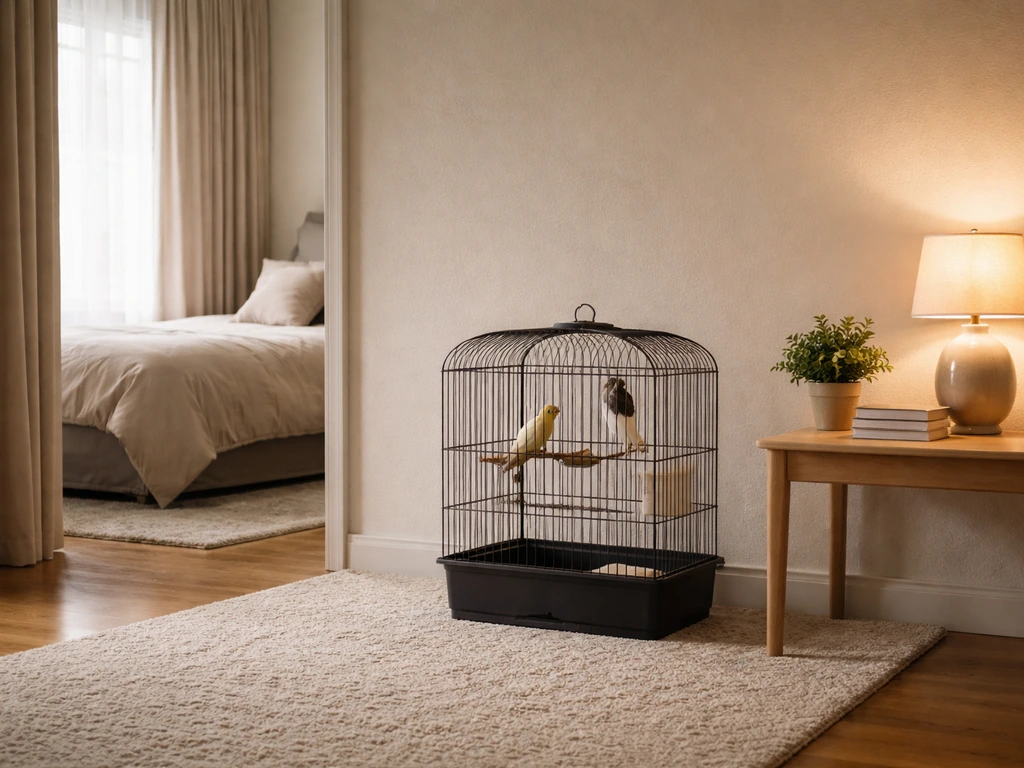
Most birds make some noise, and it's worth being upfront about that. The good news is that noise is something you can actively manage. Covering the cage at night gives the bird a consistent sleep schedule and keeps morning calls quieter. Crucially, the RSPCA recommends a simple training approach for noise: leave the room calmly when the bird squawks, wait until it's quiet for a moment, then come back and reward with a treat or attention. Over time this teaches the bird that quiet behavior gets the good stuff. Tell your parents you already know this technique and plan to use it from day one.
Mess and dander
Birds do create mess: seed hulls, feather dust, the occasional splashed water bowl. The key is building daily cleanup into your routine so it never becomes a big job. A cage liner you change every day, a handheld vacuum nearby, and placing the cage away from upholstered furniture covers most of it. If anyone in your family has respiratory sensitivities, cockatiels and African Greys produce more powder (feather dust) than other species, so budgies or conures might be a better fit. Put this in your plan to show you've thought about it.
Time commitment
A bird is not a "just fill the bowl and walk away" pet. They need daily interaction, supervised out-of-cage time in a safe environment, and fresh food and water every day. Show your parents a real weekly schedule that includes morning feeding, fresh water, a liner change, plus at least 30 to 60 minutes of interaction time. If you have school and activities, map out exactly when that time happens. The RSPCA notes that birds kept in cages for too long without stimulation can develop problem behaviors, so regular out-of-cage time isn't optional, it's part of basic welfare. Show that you know this.
Cost
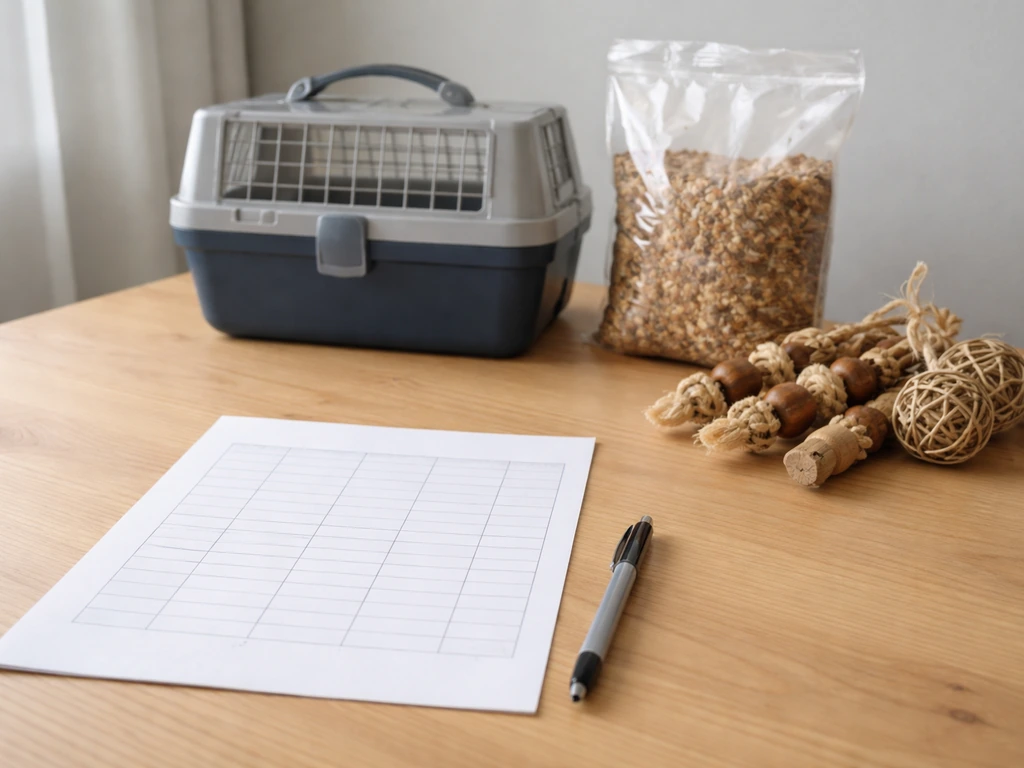
Give your parents real numbers, not vague reassurances. A written budget breakdown does more to build trust than anything else in your pitch. Here's a realistic starting estimate for a small-to-medium bird like a budgie or cockatiel.
| Expense | Estimated Cost | Frequency |
|---|---|---|
| Bird (adoption or purchase) | $20–$150+ | One-time |
| Cage (appropriately sized) | $80–$250 | One-time |
| Initial vet/wellness exam | $50–$150 | One-time (then annual) |
| Seed/pellet mix | $10–$20 | Monthly |
| Fresh produce | $5–$15 | Monthly |
| Cage liners/paper | $5–$10 | Monthly |
| Toys (replace every 2–6 months) | $10–$30 | Ongoing |
| Emergency vet fund | $200–$500 | Build up over time |
| Annual wellness exam | $50–$150 | Yearly |
If you can offer to cover some of these costs with your own money, allowance, or a part-time job, say so. Offering to pay for the monthly supplies yourself is a concrete way to show you're serious and that the bird won't become a financial burden on the household.
Safety, housing, and daily care logistics
Your parents will likely have safety questions, especially if you have younger siblings, cats, or dogs in the house. Get ahead of this. Birds need a secure cage with bar spacing appropriate for the species (too wide and they can get their head stuck). The cage should go in a room where the family spends time, since birds are social and need interaction, but it should never go in or directly next to the kitchen. The RSPCA specifically flags the kitchen as a high-risk zone for birds: cooking oils, heat, and common cleaning agents can cause serious harm. VCA Animal Hospitals also advises it’s unwise to house a bird in the kitchen because fumes and common cleaning products can be high-risk hazards kitchen as a high-risk zone for birds. A living room or bedroom away from the stove is a much safer placement.
For cage hygiene, VCA Animal Hospitals advises changing the cage liner daily (and skipping sandpaper liners entirely, since birds can pick pieces off and ingest them, which can cause gastrointestinal problems). Some Reddit owners say they change their cage liner every night and spot clean before switching it blank" rel="noopener noreferrer">change the cage liner daily. VCA Animal Hospitals also recommends lining the bottom of the bird cage with disposable paper, such as newspaper or paper towels, that you can throw away every day blank" rel="noopener noreferrer">changing the cage liner daily. Beyond the daily liner swap, a weekly wipe-down of perches and cage bars, and regular deep cleans of the whole cage, keep the environment safe and odor-free. Toys should be rotated to prevent boredom, and some types need replacing every two to six months depending on wear. Show your parents a cleaning checklist to make the maintenance feel manageable rather than vague.
- Daily: change liner, refresh food and water, quick check of bird's behavior and droppings
- Weekly: wipe down perches, cage bars, and food/water dishes with bird-safe cleaner
- Monthly: full deep clean of cage, replace worn toys, check for any hazards
- Every 2–6 months: replace chew toys and any frayed or damaged perches
- Ongoing: rotate toys every few days to maintain the bird's interest and prevent boredom
If you have cats or dogs at home, include a clear safety plan. The cage needs a secure latch that a curious cat can't nudge open, and out-of-cage time should always happen in a room where other pets are physically separated. Even a well-meaning dog can seriously injure or kill a bird in seconds, so this isn't something to handle casually. Putting a written protocol in your plan shows your parents you're thinking about the bird's welfare and not just the fun parts.
Bonding and training: how you'll actually build a relationship with the bird
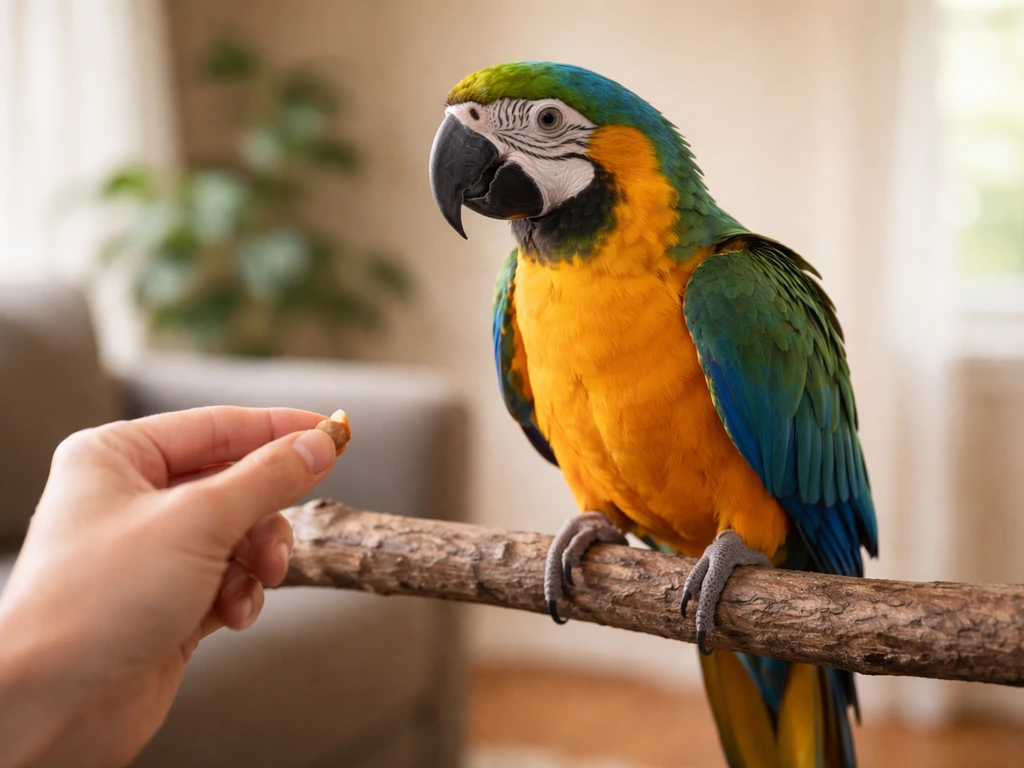
This section of your pitch can really impress parents who might think of birds as hands-off pets that just sit in a cage. Birds are intelligent, trainable, and capable of forming genuine bonds with their owners, but it takes a consistent, patient, and humane approach. The foundation is positive reinforcement: rewarding behavior you want to see rather than punishing behavior you don't. That means treats, gentle praise, and calm repetition.
The step-up command is usually where bonding starts. You present your finger just below the bird's chest, apply gentle upward pressure, and say "step up" in a calm, consistent tone. Most birds learn this within days to weeks, depending on how settled they are in their new environment. For the first week or two, focus entirely on letting the bird get comfortable at its own pace. Don't rush handling. Sit near the cage, talk quietly, offer treats through the bars. Forcing interaction too early creates fear, and fearful birds bite and scream, which is the opposite of what you want your parents to see.
- Days 1–7: Let the bird adjust. Sit nearby, talk softly, offer treats through the bars. No forced handling.
- Week 2: Start offering your finger inside the cage, no pressure to step up yet. Let the bird investigate.
- Week 2–3: Introduce the step-up cue. Calm, consistent, short sessions of 5–10 minutes.
- Week 3 onward: Expand out-of-cage time in a safe, closed room. Keep sessions positive and end before the bird gets stressed.
- Ongoing: Add new cues (recall, targeting) once step-up is solid. Always use treats and positive reinforcement.
Showing your parents that you understand this process, and that you're not going to grab the bird out of the cage on day one and wonder why it bites, goes a long way. It signals that you've done real research and that you care about the bird's welfare, not just the novelty of having a pet.
Health care and knowing when to call the vet
One of the most important things you can do before your parents even say yes is identify a local avian vet. Not just any vet, but one who specializes in birds or has real experience with avian patients, since birds have very different anatomy and health needs from cats and dogs. Put the vet's name, address, and phone number in your plan. This single step communicates more readiness than almost anything else.
Birds are prey animals, which means they instinctively hide illness until they can't anymore. By the time a bird looks obviously sick, it's often been unwell for a while. Learning the early warning signs is part of responsible ownership, and sharing this knowledge with your parents shows you understand what you're signing up for.
- Fluffed feathers when not cold or sleeping: often a sign the bird is unwell
- Changes in droppings (color, consistency, amount): one of the most reliable early indicators
- Reduced vocalization or activity: healthy birds are curious and chatty
- Loss of appetite or changes in food/water intake
- Labored breathing, tail-bobbing, or clicking sounds while breathing
- Discharge from eyes or nostrils
- Sitting on the bottom of the cage (serious, get to a vet the same day)
For a new bird, a wellness exam within the first week or two is standard practice, even if the bird looks perfectly healthy. This establishes a baseline and catches anything the breeder or rescue may have missed. Budget for this upfront. After that, an annual wellness check is the minimum. If you can set aside a small emergency fund over time, around $200 to $500, you won't be in a position where a vet bill becomes a reason to rehome the bird.
How to have the actual conversation with your parents
Timing and tone matter as much as your research. Don't bring this up when your parents are stressed, rushing out the door, or already dealing with something. Pick a calm moment, ideally after dinner or on a weekend morning, and give them a heads-up that you want to talk about something important to you. That framing alone shows maturity.
When you sit down, lead with your plan document rather than your feelings. Something like: "I've been researching this for a few weeks and I put together a plan I'd love to walk you through" lands very differently than "I really, really want a bird, please." Let them read it or go through it section by section. Then ask what concerns they have and listen without interrupting. Take notes if you need to. If they raise something you hadn't thought of, say so honestly, and commit to finding an answer.
Compromises that actually work
If your parents are on the fence, offering a compromise can tip the balance. Here are a few that genuinely work and show good faith on your part.
- Propose a trial period: suggest caring for a friend's or neighbor's bird for a week or two to prove your commitment before any purchase
- Volunteer at a local bird rescue or wildlife rehab: this gives you hands-on experience and shows your parents you can follow through with real, ongoing responsibility
- Foster a bird through a rescue organization before committing to ownership, which lets the whole family see what it's actually like
- Agree on a probationary arrangement: if daily care slips more than a set number of times in the first three months, the bird goes to a rehome or rescue
- Let your parents choose the final species from a shortlist you've researched and pre-approved as responsible choices
- Offer to start with one bird rather than two, even if you eventually want a pair
The goal isn't to win an argument, it's to get to a genuine yes that everyone feels good about. A bird that your parents secretly resent or worry about is not going to be a happy household situation for anyone, including the bird. Going slowly, proving yourself, and bringing them along rather than overcoming them is the approach that leads to a long-term, stable home for your pet.
Your action plan starting today
You don't have to wait for permission to start preparing. Everything below you can do right now, before you've even had the conversation, and each step makes your eventual pitch stronger.
- Research two or three species that genuinely fit your home's size, noise tolerance, and activity level. Write down why each one does or doesn't work.
- Put together a realistic startup budget and monthly cost estimate using the framework above. Use real prices from local pet stores or adoption listings.
- Draft a weekly care schedule that fits around your school, sports, and other commitments. Be honest about where the gaps are.
- Look up avian vets in your area. Call one and ask about new patient exams and pricing so you have real numbers for your plan.
- Put together your one-to-two page pitch document. Include species choice, budget, care schedule, cage placement, safety plan, and vet info.
- Pick the right moment and have the conversation, plan in hand, calm tone, ready to listen as much as you talk.
- If they say not yet, ask what specifically would change their mind, write it down, and follow through on it.
The more prepared you are before you ask, the shorter the road to a yes. And once you do bring a bird home, having that same plan in place means you're set up to be a genuinely good bird owner from day one, which is the whole point. To learn more about the basics of choosing and caring for a first pet bird, see this guide on how to start a bird. If you want a species-specific next step, you can also look up how to get a kiwi bird before you finalize your plan and talk to your parents how to start a bird.
FAQ
What if my parents say they don’t have time, even with a schedule I make?
Offer an exact “handoff” plan, for example, you do morning feeding and liner changes every weekday, while your parent helps only with one predictable task (like weekend deep-clean or transportation to vet). If your schedule only works when everyone cooperates, say that upfront and propose a backup day if school or activities run long.
Should I propose a trial period before committing to a full bird purchase?
Yes, as a compromise that protects the household. Suggest a time-limited phase where you take responsibility for setup and maintenance first, then reassess after the first 2 to 4 weeks of daily care. Keep in mind that birds still require immediate welfare planning, so “trial” should not mean no vet contact or no interaction.
How do I handle it if my parents worry about noise but my bird option is louder than they expect?
Bring up a species and setup match, not just training. For example, choose a quieter beginner species when possible, place the cage away from bedrooms used for sleeping, and confirm you can commit to consistent nighttime cage-covering and early training from day one.
What if they’re worried about mess because someone in the house hates cleaning?
Quantify the mess plan. For instance, include what you will clean daily (liner and spot cleanup), weekly (perches and bars wipe-down), and monthly (deep clean). Also propose specific tools you’ll store near the cage, like a handheld vacuum and bird-safe cleaning routine, so it doesn’t become “extra household work.”
Can I convince my parents with a budget if prices keep changing?
Include three numbers in your plan: ongoing monthly supplies, periodic costs (toys replaced every few months), and expected vet items (initial exam and yearly check). Add a contingency line for emergencies (even a small reserve) and explain who pays if costs exceed your allowance.
What if my parents are worried about vet bills but there isn’t an avian vet nearby?
Don’t leave it vague. Identify the closest avian-capable vet or a vet clinic that can handle birds, and write down how you will get there (car availability, timing, and who drives). If the distance is an issue, propose that you’ll call first for bird-handling procedures and confirm appointment turnaround before your parents decide.
How should I address allergies or asthma concerns in the family?
Ask directly what symptom they worry about and propose a mitigation plan. Since some species produce more feather dust, offer alternative species options and commit to an airflow and cleaning routine (frequent cage hygiene and keeping the cage out of high-dust areas). If anyone has significant respiratory symptoms, suggest discussing pet-bird exposure with a clinician before you proceed.
What if my siblings or I have school activities and my parents think I will neglect daily care?
Show “week-of” coverage, not just a generic schedule. List exact times for feeding, water refresh, liner changes, and the daily interaction window, then add what happens on late days or travel days (who covers what, and how you will ensure the bird still gets stimulation).
Do I need to include safety for things like cooking smells, candles, or cleaning sprays?
Yes, and be specific. Add a rule set for the bird’s room (no aerosols, no strong fragrances, no kitchen placement), and list which household cleaners you will avoid around the bird. Even when the cage is in a safe room, certain fumes can be harmful, so spell out your boundaries.
What should I say if my parents want a bird but are unsure about handling and biting risk?
Explain that training starts with comfort, not grabbing. Include a short “first two weeks” handling plan: sit near the cage, speak calmly, offer treats, and practice step-up only when the bird shows readiness. Emphasize that rushing increases fear and biting, and you will follow a low-pressure approach.
How do I respond if my parents suggest a smaller pet first, like a fish or a hamster?
Don’t argue that birds are better, propose a staged plan. For example, ask to begin with bird-appropriate prep (setup, supplies, studying care) while you and your parents evaluate species later. If you do start with something else, clarify that you will not use it as an excuse to skip bird preparation.
What if my parents worry that once they say yes, they will be stuck paying forever?
Put responsibility in writing and include limits. Offer to pay for monthly supplies and toys yourself, and set expectations for what you will cover versus what your parents cover (for example, initial vet exam and any emergencies you contribute to). Revisit the agreement after an agreed milestone, like the first 3 months.
Is it better to ask for permission, or start preparing quietly first?
Do both, but keep it honest. You can start researching, planning the care routine, and lining up the avian vet now, then ask at a calm time with your written plan. Avoid surprising them with a cage in the house if they are still opposed, because it can turn your request into a conflict rather than a collaborative decision.
Next Articles
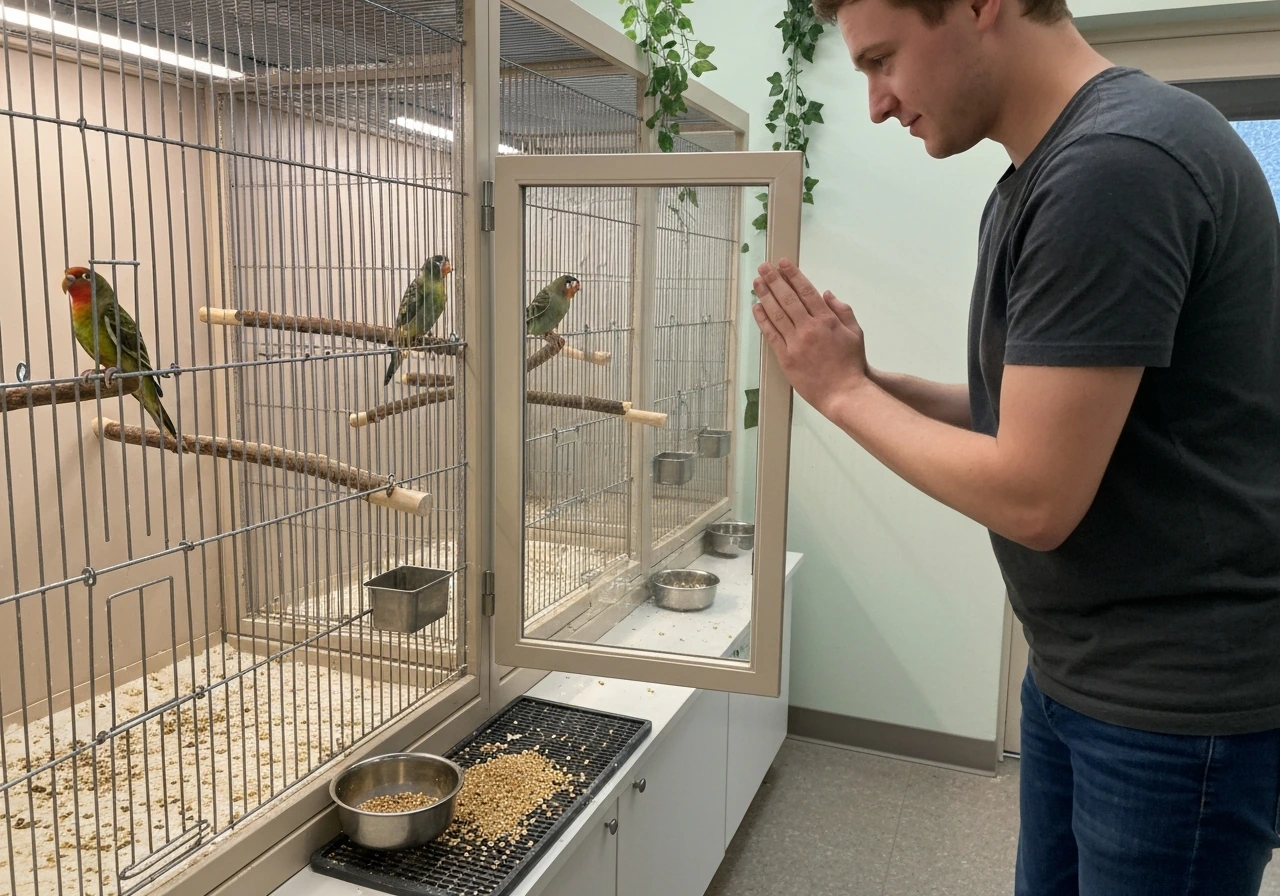
How to Pick a Pet Bird: Step-by-Step Welfare Guide
Welfare-first guide on how to pick a pet bird, match species to your lifestyle, and assess health, temperament, and need
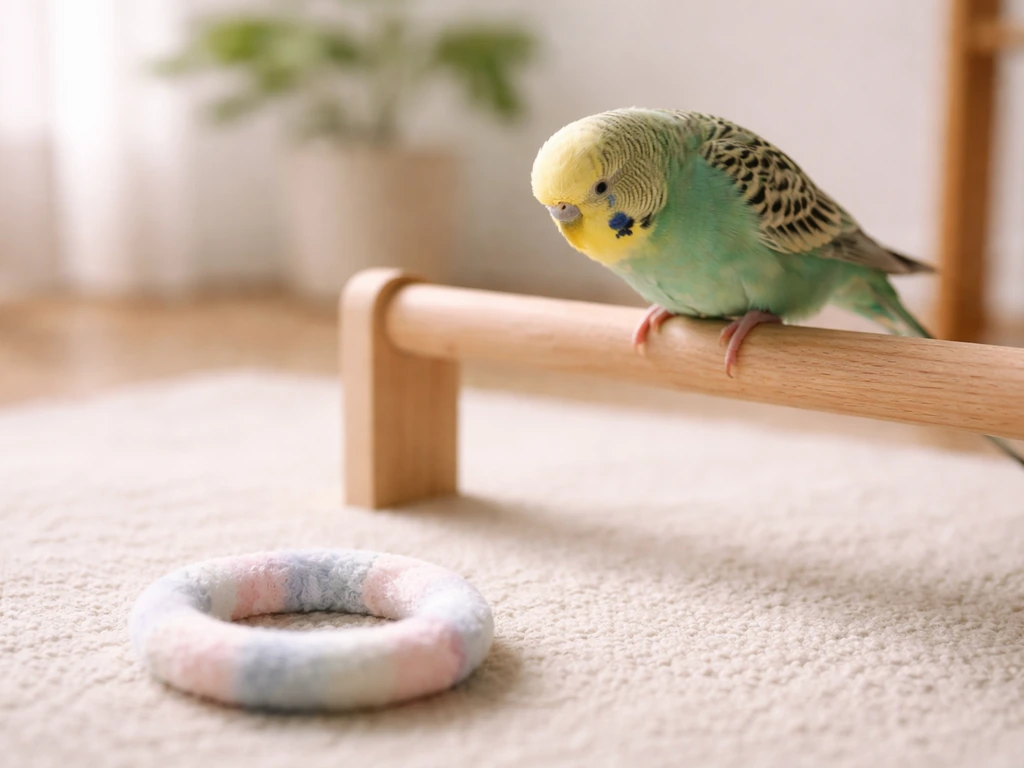
How to Teach a Bird to Fetch Step by Step Guide
Humane, step-by-step training to teach your bird to fetch safely, with targets, rewards, troubleshooting, and gradual re
How to Teach Your Bird: Calm, Positive Training Steps
Step-by-step humane training to bond, reduce stress, and teach behaviors with positive reinforcement for parrots and sma