Guiding a bird outside safely comes down to one principle: the bird should move voluntarily, at its own pace, with you controlling the environment rather than the bird's body. Whether you're taking a pet parrot out for some sunshine or helping a recovered wild bird reach the outdoors before release, the method is calm, slow, and planned ahead of time. This guide walks you through both scenarios step by step, with safety checks, troubleshooting, and legal flags built in.
How to Guide a Bird Outside Safely and Humanely
Maya Harris
19 Apr 2026
Pet bird outing or wild bird release? Start here
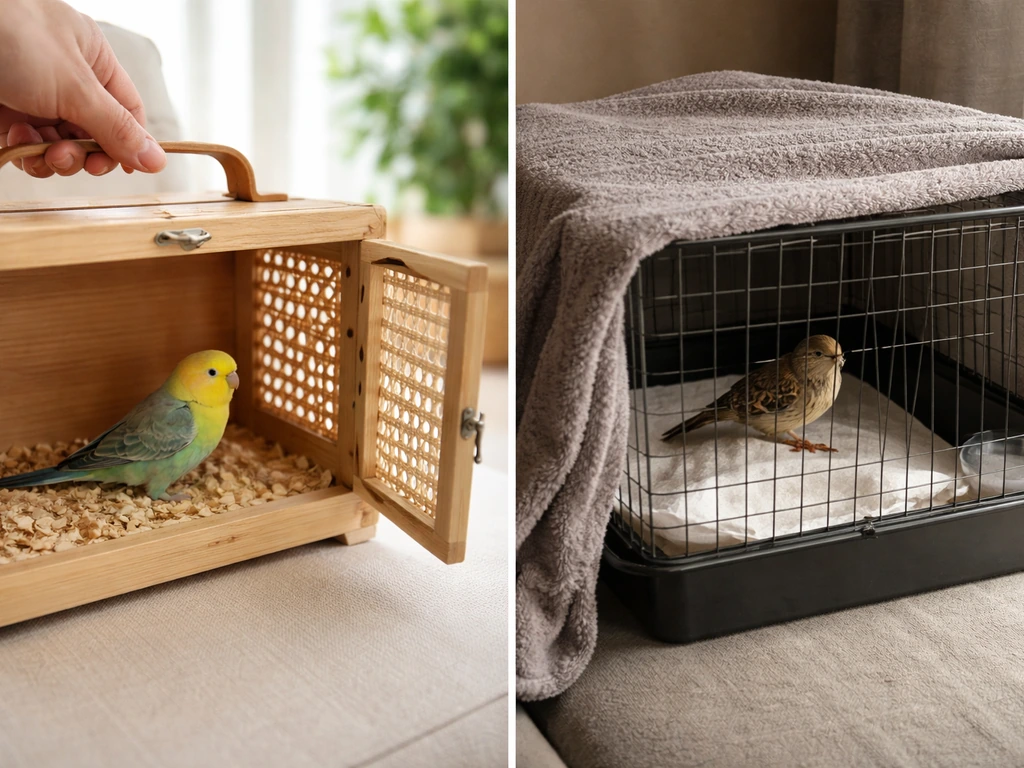
These two situations look similar on the surface but require very different approaches. Getting this distinction right before you do anything else saves you from a bad outcome.
Pet bird going outside for enrichment or training
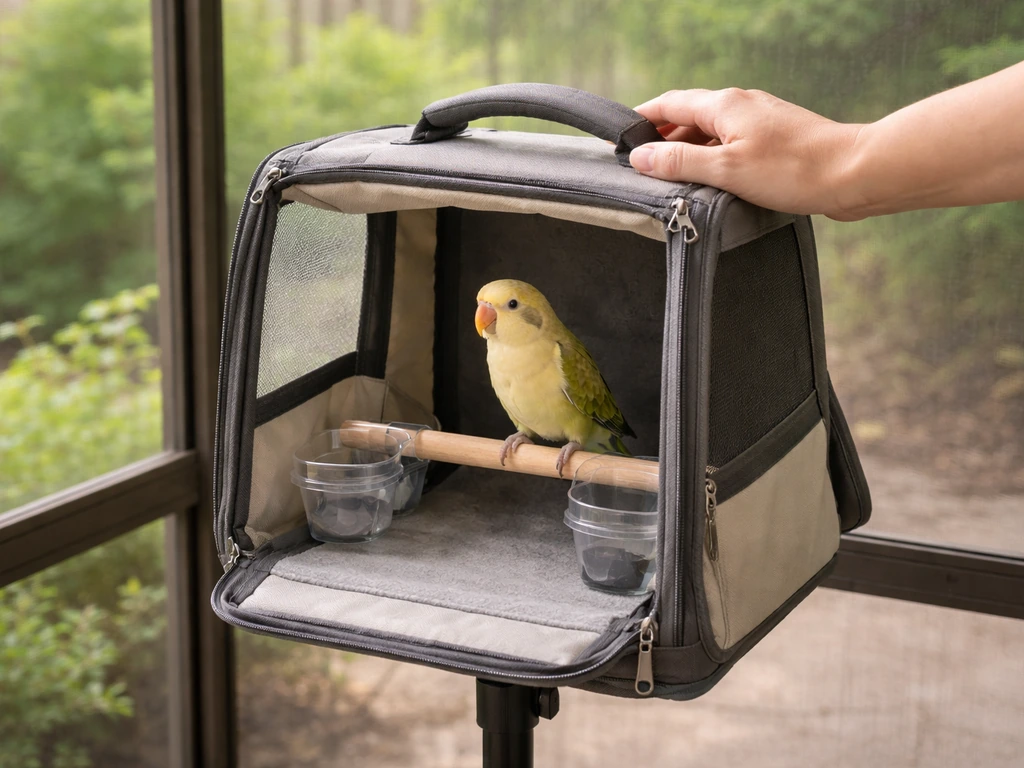
If your pet bird lives with you indoors and you want to give it outdoor time, the goal is enrichment with a guaranteed return indoors. The bird is not being released. It should be secured the entire time, either inside a travel carrier or cage, or wearing a properly fitted flight harness if it's harness-trained. Never take a pet bird outside without some form of restraint. A spooked bird can be gone in seconds, and most pet birds lack the survival skills to make it on their own.
Wild bird in your care being guided to release
If you have a wild bird, you are most likely in a situation that requires a licensed wildlife rehabilitator, not a DIY release. The Washington Department of Fish and Wildlife says you should rely on licensed wildlife rehabilitators to provide appropriate care and to follow state rehabilitation rules, including required permits.
In the U. S. , handling and possessing most wild birds without a permit is illegal. Migratory birds are protected under the Migratory Bird Treaty Act, and intentionally releasing captive-raised migratory birds to the wild requires federal authorization.
States like Washington, California, and Kentucky require both state and federal permits to rehabilitate and release wildlife. If you found an injured or grounded bird and are holding it temporarily, your job right now is to keep it warm, dark, and quiet, and get it to a licensed rehabilitator as quickly as possible, not to attempt a release yourself.
Prepare safely: timing, location, weather, and permissions
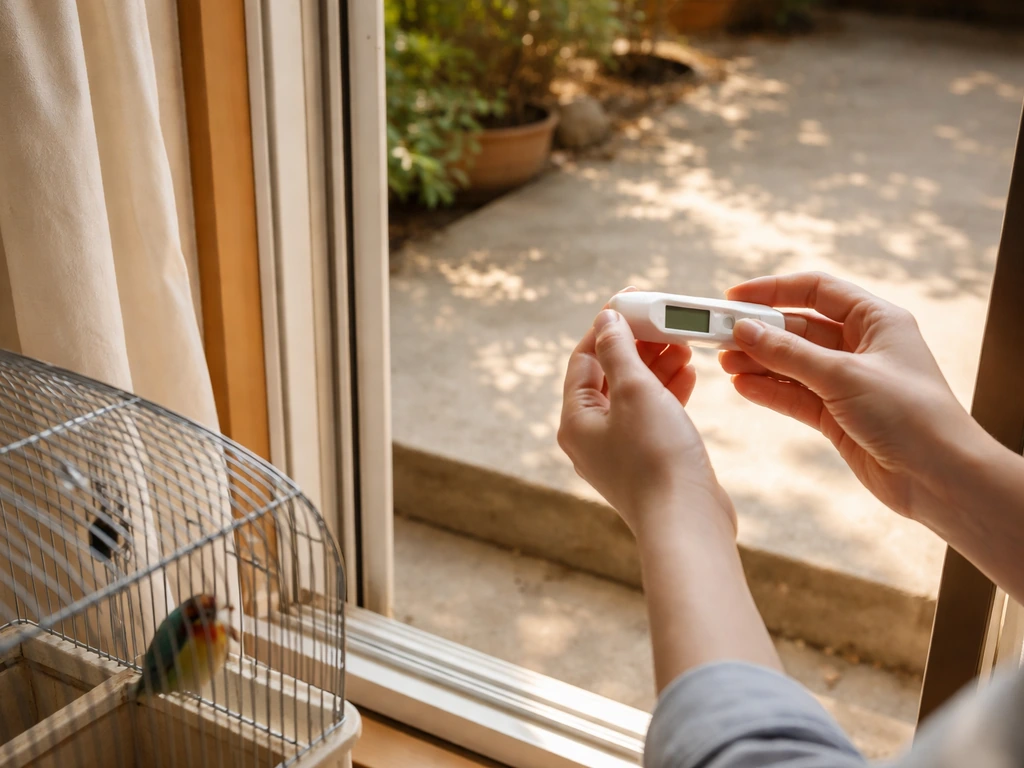
The conditions outside matter as much as anything you do with the bird. A poorly timed outing can cause heat stress, predator exposure, or a panicked escape, none of which you want to manage after the fact.
Timing and weather
Go outside in the early morning or late afternoon when temperatures are mild and direct sun is less intense. For pet birds, aim for temperatures between 65°F and 80°F. Once temperatures climb above roughly 80°F, birds can begin open-mouth panting and wing-spreading to cool themselves, which are early signs of heat stress. Avoid going out on windy days, which increase stress and the risk of an accidental escape. Check for nearby predators like hawks, cats, or dogs before you settle in. If you see a raptor circling, go back inside.
Location
Choose a quiet, enclosed outdoor space like a fenced backyard, a screened porch, or a patio with solid walls on at least two sides. Avoid open parks or areas with heavy foot traffic for your first few outings. For wild bird releases performed by permitted rehabilitators, the release site should match the bird's natural habitat and be away from roads, domestic animals, and high human activity. For soft releases (a method where the bird acclimates to an outdoor enclosure for several days before the door is opened), the site needs to be scouted and set up in advance.
Permissions and legal checks
If you are a permitted rehabilitator planning a release, confirm that your state's wildlife agency doesn't require prior notification or approval for your specific bird. Washington requires department approval for releases involving endangered or threatened species, and similar rules apply in other states. If you're not permitted and you have a wild bird, stop here and call a licensed rehabilitator. The U.S. Fish & Wildlife Service explicitly advises that treating or raising wild animals yourself can be harmful and may violate federal and state law.
Equipment and setup before you open anything
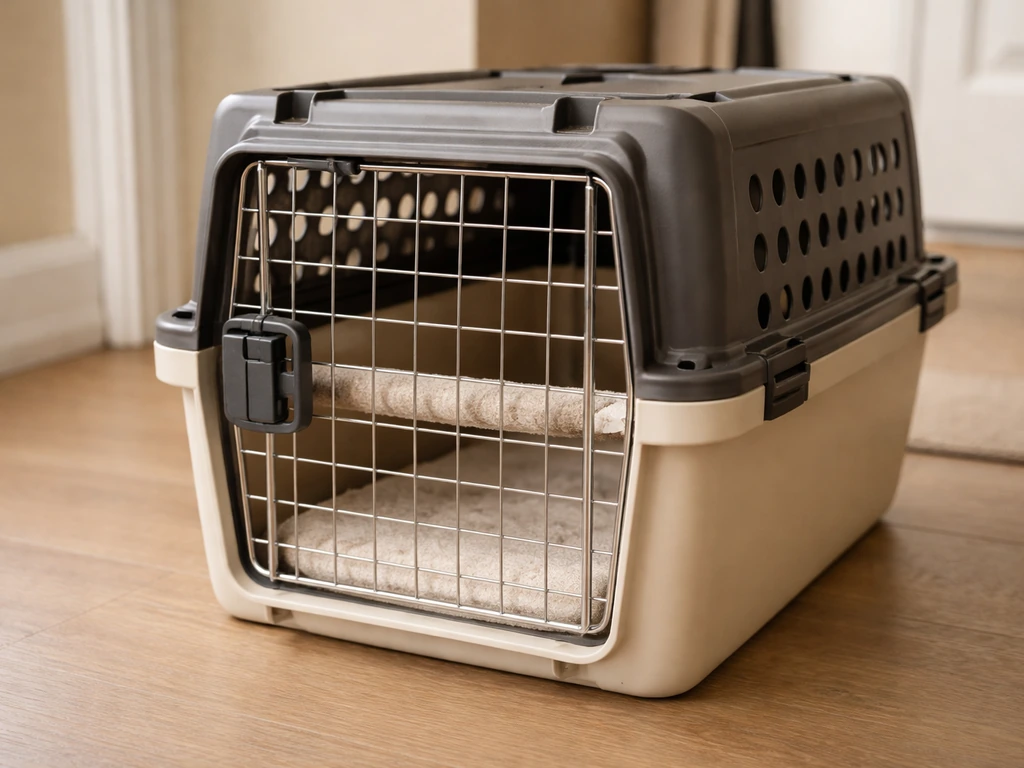
Having the right gear ready before you involve the bird makes everything calmer. Scrambling for a carrier after the bird is already out is how accidents happen.
For pet birds
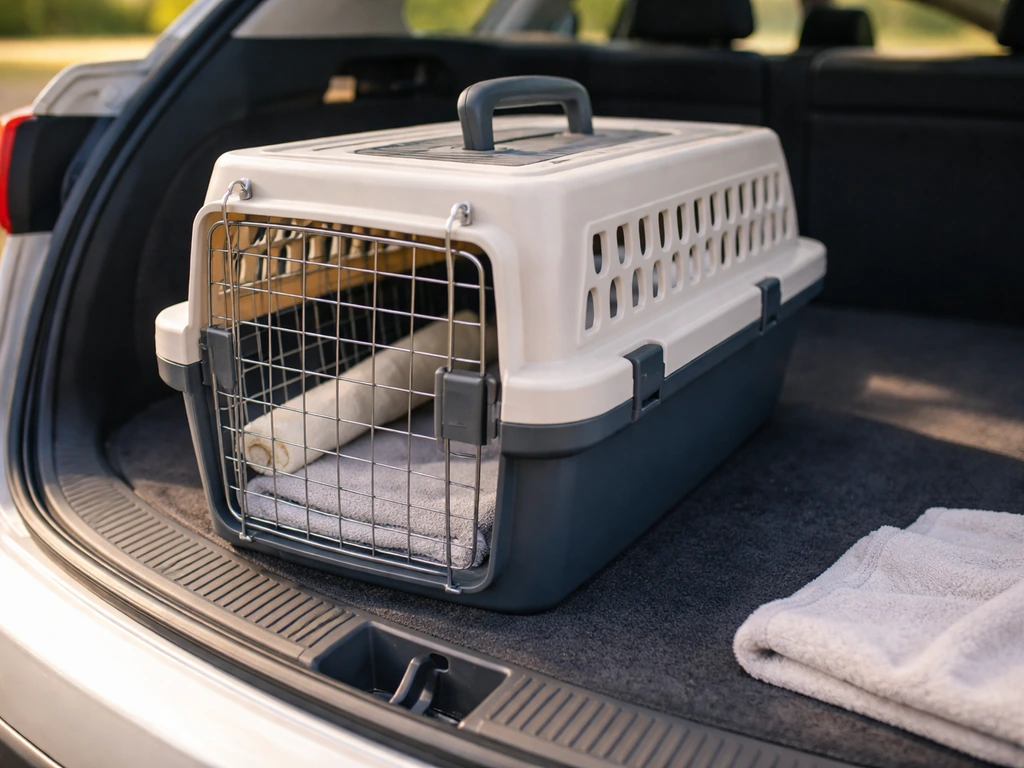
- A travel carrier or travel cage with a secure latch, ventilation, and a perch inside. The carrier should be sized so the bird can turn around comfortably but not so large that it slides around.
- A natural wood perch or portable perch stand for outdoor sitting time, if the bird is harness-trained and you plan to let it perch outside the carrier.
- A properly fitted flight harness if the bird is already trained to wear one. Never improvise a tether. Unsafe tethering methods can injure or panic a bird.
- A light cloth or cover to drape over part of the carrier. Covering the carrier reduces visual stimulation and helps the bird feel secure during transport and when settling outside.
- Small training treats if you're using station training or targeting cues to encourage the bird to move voluntarily.
For wild birds in rehab care
- A ventilated cardboard box or wire carrier lined with a non-slip surface (paper towels work well). The carrier should be dark and quiet inside.
- A lightweight cloth or towel for covering the carrier during transport.
- Gloves if the bird is a raptor or a species that bites or scratches. For small songbirds, a soft towel used to cup the bird gently is usually safer and less stressful than thick gloves.
- Your rehabilitator contact information and a plan for getting the bird there quickly.
Setting up the outdoor space first
Before you bring the bird out, walk the space yourself. Check for open gates, gaps in fencing, overhead predator exposure, standing water, or anything the bird could crash into if it panicked. Place the carrier or perch stand in a shaded spot with a solid wall or fence at its back. Have a clear path from your door to the spot so you're not navigating around obstacles while carrying the bird.
How to guide the bird outside, step by step
The goal here is voluntary movement. You're creating the conditions for the bird to choose to move in the direction you want, not physically forcing it. This reduces stress dramatically and makes every future outing easier.
Step 1: Observe before you touch anything
Spend 30 to 60 seconds watching the bird in its carrier or cage before you do anything. Is it calm, alert, and sitting upright? Good. Is it panting, pacing, fluffed up, or hunched? Stop and address that first. A bird that is already stressed or unwell should not be going outside today.
Step 2: Move the carrier to the threshold
If the bird is in its indoor cage and you need to transfer it to a travel carrier first, use your station or step-up cue if the bird knows one. Speak quietly and move slowly. Avoid sudden movements, loud noises, or direct sustained eye contact, all of which signal threat to most birds. If the bird steps up reliably, great. If not, use a targeting stick or treat to encourage it toward the carrier opening. If the bird is already in a travel carrier, simply pick up the carrier calmly, keeping it level, and walk it to your exit.
Step 3: Pause at the door
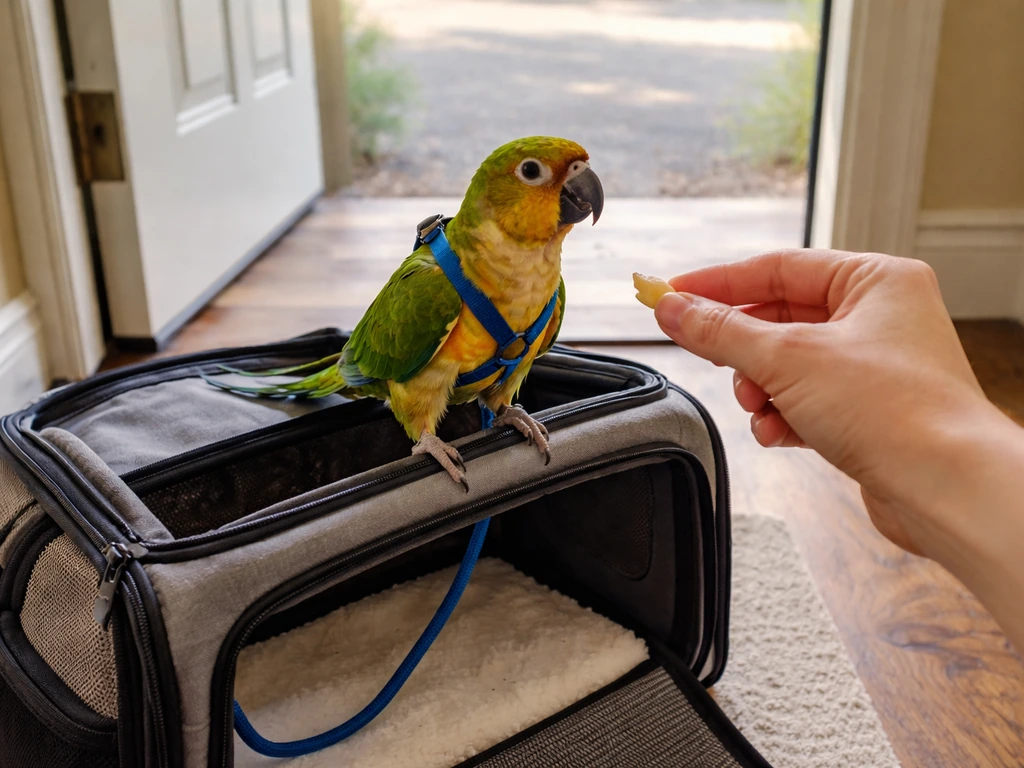
Before you open the exterior door, make sure it can close behind you quickly. If you have a screened porch, go into the porch and close that door before opening any carrier. If you're going directly into an open yard, have a helper close the house door behind you so you're not dealing with two openings at once.
Step 4: Let the bird acclimate before opening anything
Once you're in the outdoor space, set the carrier down and wait. Let the bird hear and smell the outdoors for two to five minutes while still inside the carrier. For a pet bird, this acclimation time is genuinely important, especially for first outings. It reduces the chance of a panic response when the carrier door opens. Talk to the bird softly during this time.
Step 5: Open the carrier door slowly and let the bird decide
For a pet bird that's going to sit on an outdoor perch, open the carrier door and offer your hand or the perch at the entrance. Use your step-up cue. Do not pull the bird out. If it steps onto your hand or the perch, move slowly and place it where you want it. If it doesn't come out right away, that's fine. Let it look. Give it a minute. Some birds take several sessions before they'll come out confidently. For a wild bird being released by a permitted rehabilitator, open the carrier door and step back. Do not reach in. Give the bird space and time to exit on its own. This is the core of a humane release.
Step 6: Stay calm and stay close
For pet bird outings, stay within arm's reach. Sit at the bird's level if possible. Don't hover directly over it since that's a predator posture. Just be nearby and calm. Use this time to reinforce positive associations with the outdoors by offering favorite treats or talking quietly. Keep the outing short at first, 10 to 15 minutes, and gradually extend as the bird gets comfortable.
Managing the outdoors: escape prevention, hazards, and keeping stress low
Once the bird is outside, your job is environmental management, not bird management. The less you have to intervene with the bird directly, the better the outing goes.
Escape prevention
If the bird is not in a carrier and not wearing a harness, it is at escape risk. Full stop. Even clipped birds can generate enough lift to clear a fence when panicked. The only fully escape-proof outdoor setup for a pet bird is a secure outdoor aviary, a fully enclosed screened porch, or a properly fitted harness worn by a bird that is trained and comfortable with it. If none of those apply today, keep the bird inside its carrier for this outing and work toward harness training over the next weeks.
Hazards to watch for
- Overhead predators: Hawks and other raptors can appear quickly. If you see one, cover the carrier or move the bird inside immediately.
- Neighborhood cats and dogs: Even a dog sniffing at a carrier can cause severe stress. Position yourself between the bird and any approaching animals.
- Heat: Watch for open-mouth breathing, drooping wings, or the bird pressing itself low. These are signs of heat stress. Move to shade or go inside and offer fresh water.
- Fumes and smoke: Avian respiratory systems are extremely sensitive. Keep the bird away from grills, lawn equipment, and any chemical sprays.
- Treated plants: Don't allow a bird on a harness to chew on outdoor plants unless you know exactly what they are and that they're non-toxic.
Stress reduction during the outing
Keep the vibe low-key. Avoid crowds, loud music, and sudden movements. If children or guests want to see the bird, ask them to approach slowly and quietly and not to reach for the bird. A bird that's overstimulated will show it: feathers slicked down, wide eyes, crouching, screaming, or biting. If you see any of these, it's time to wrap up and go inside.
Adjusting for species and troubleshooting the most common problems
No two birds respond to the outdoors exactly the same way. Here's how to adjust based on species temperament and what to do when things don't go smoothly.
Species notes
| Species / Type | Typical outdoor temperament | Key adjustment |
|---|---|---|
| Budgies and parrotlets | Can be flighty and easily startled | Keep in carrier for all outdoor sessions; very small and fast if they escape |
| Cockatiels | Generally curious but easily spooked by wind or sudden noise | Short sessions in calm conditions; watch for overstimulation quickly |
| Conures | Bold and exploratory, but loud responses can escalate their own stress | Good harness candidates once trained; watch for overheating in full sun |
| African greys | Cautious and observational; may freeze or refuse to come out | Do not rush; multiple acclimation sessions before expecting voluntary exit |
| Amazon parrots | Can be territorial and reactive outdoors | Watch for redirected aggression; keep sessions short and structured |
| Macaws | Strong flyers; harness is essential for any out-of-carrier time | Invest in proper harness training before any open outdoor exposure |
| Wild songbirds (rehab) | High stress response to human proximity | Minimize all handling; release is a hands-off process done by permitted rehabbers |
| Raptors (rehab) | Flight response and talons are injury risks | Leather gloves, towel technique, and permitted rehabber handling only |
Bird won't come out of the carrier
This is normal, especially for first outings. Do not reach in and pull the bird out. Instead, place a favorite treat just inside the carrier door, then just outside it, and wait. If the bird still won't come out after five or ten minutes, close up the session and try again another day. Repeated calm exposure to the carrier being open outdoors will eventually build confidence. The goal is for the bird to choose to step out.
Bird freezes or goes rigid
Freezing is a fear response. Stop what you're doing and give the bird space. Don't add more cues or try to move it. Speak softly, lower your body, and wait. If the bird doesn't relax within a minute or two, return it to the indoor space and let it recover. Do a shorter, less stimulating version next time.
Bird lunges, bites, or flaps wildly
This is an active fear or defensive response. Back off immediately. If the bird is on your hand, return it to the carrier gently before it escalates. If it's already loose in a closed space and flapping, dim the area if possible and wait for it to land before approaching. Do not chase a flapping bird. Once it's settled, offer the perch or carrier calmly and let it step on voluntarily.
Bird hides in the corner of the carrier
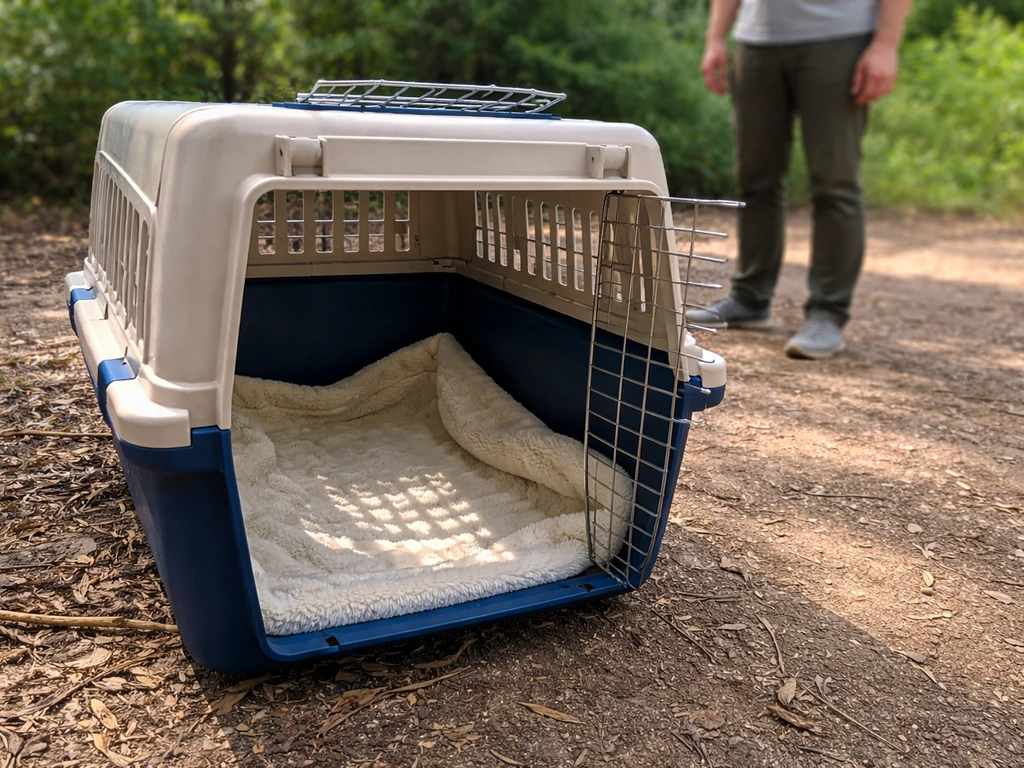
Corner-hiding usually means the bird is overwhelmed. Partially cover the carrier, reduce noise around it, and give it 10 minutes of quiet. Then reassess. If it's still huddled, today's outing is done. There's nothing lost by ending a session early and everything lost by pushing through a bird that's telling you it's not okay.
Bird won't return indoors
If a harness-trained bird on a perch outside is reluctant to go back in, use its recall cue or step-up cue paired with a high-value treat. Make going inside a positive event every single time, not a signal that the fun is over. You can do this by offering the treat inside the carrier before and after every session. If the bird has escaped and is loose, use calm recall cues, avoid chasing, and try setting the open carrier in a visible spot. Sometimes a bird that has escaped will return to a familiar object.
When to stop and get professional help
For pet bird owners
Contact a avian vet the same day if your bird shows any of the following after an outdoor session: persistent open-mouth breathing or panting after returning to a cool indoor space, weakness or inability to grip a perch, injury from impact or predator contact, or behavioral shutdown (complete stillness and unresponsiveness). Heat stress signs that don't resolve within a few minutes of being moved to a cool, shaded indoor space are a veterinary emergency.
For wild birds and rehab situations
If you have a wild bird and you are not a licensed wildlife rehabilitator, the right call is to contact a licensed rehabber immediately, not later. Do not attempt to release the bird yourself. A bird that appears healthy enough to release may still have underlying injuries, may not be food-independent, or may be human-imprinted, all of which make unsupervised release dangerous or illegal.
NWRA and IWRC publish the “Minimum Standards for Wildlife Rehabilitation,” which many in the industry use as a standard for humane, professional rehabilitation practices, including considerations around release unsupervised release dangerous or illegal.
Human-imprinted birds that have habituated to people may not be releasable at all. The Migratory Bird Treaty Act means that possession without authorization is a federal issue, not just a technicality.
To find a licensed rehabilitator near you, contact your state's wildlife agency directly or search the National Wildlife Rehabilitators Association or IWRC databases. Have the bird's species (or your best description), condition, and your location ready when you call.
Signs a wild bird is not ready for release (for permitted rehabbers)
- Unable to fly or fly strongly and in a straight line
- Still accepting hand-feeding or showing no foraging behavior
- Approaching humans voluntarily (sign of imprinting or habituation)
- Underweight for species
- Any open wound, active bleeding, or visible injury
- Lethargy or failure to react to approach
Your pre-outing checklist
Run through this before every outdoor session. If you are looking for how to travel with a bird, this same checklist approach helps you plan the trip, set up safely, and prevent escape or stress while you move outdoor session. It takes about two minutes and prevents the scenarios that go sideways.
- Temperature is between 65°F and 80°F, no direct strong wind, no rain.
- The outdoor space is checked: gates closed, no predators visible, shade available.
- Carrier is secure, latched, and has a perch and partial cover ready.
- You have treats, a step-up cue ready, and a clear path from the door to your spot.
- You've observed the bird for 30 to 60 seconds and it's calm and alert.
- If this is a wild bird: your rehabber contact is in your phone and you are not planning a DIY release.
- You have a plan for getting back inside quickly if needed (a helper at the door, a clear path).
- Session length is set: start with 10 to 15 minutes for new outings, extend gradually.
What to do if it goes wrong
If the bird escapes: stay calm, do not chase, use the recall cue from a distance, and place the open carrier where the bird can see it. If you are traveling and need more guidance on how to keep your bird safe during transport, also review how to take a bird on a plane before you go. If you need a simple walkthrough, see how to take your bird outside for the safest step-by-step approach.
Alert neighbors to watch for the bird. If the bird is injured during the outing, place it in a dark, quiet carrier and contact your avian vet or, for wild birds, a licensed rehabber immediately. Do not offer food or water to an injured bird unless instructed by a professional. If the bird is showing heat stress, move it to a cool indoor space, offer cool (not cold) water nearby, and call your vet if symptoms don't resolve quickly.
Taking a bird outside is genuinely rewarding when it goes well, and it gets easier every time you do it right. The key is that you're building a pattern of calm, positive outdoor experiences, not just getting the bird from point A to point B. Go slow, trust the bird's body language, and let it set the pace.
FAQ
How long should my first outdoor session be, and what if the bird is still cautious after that time?
Start with a short window, 10 to 15 minutes, but end the session based on body language, not the clock. If the bird is still freezing, crouching, or panting, close the session and return to indoors, then try again later. For stubborn birds, two to three brief sessions per week typically build confidence faster than one long outing.
Can I guide a pet bird outside in a regular open-top carrier or shopping basket if it has air holes?
Avoid open-top containers for outdoor time, even if they have ventilation. A spook or sudden wing flap can lead to escape or injury, and the bird may panic at overhead movement. Use a carrier or cage designed for transport with a secure door, or a properly fitted harness only if the bird is comfortable with it.
What should I do if the weather is in the safe temperature range but the air is humid or still feels “too warm”?
Humidity can increase heat stress even when the thermometer looks okay. If the bird shows early cooling behaviors like wing-spreading or open-mouth breathing, treat it as heat stress risk and cut the outing short. Choose shade first, shorten exposure, and plan a second attempt on a drier day rather than pushing through.
Is it safe to guide a bird outside during bright sunlight if I provide shade at the back of the carrier?
Shade helps, but full sunlight can still raise the carrier temperature quickly, especially on patios. Before you put the bird out, feel the carrier walls with the back of your hand and monitor sun movement during the session. If any part becomes hot to the touch, move the setup to deeper shade or postpone.
Should I cover the carrier when taking my bird outdoors, or leave it open?
For first outings or anxious birds, partial coverage can reduce visual overwhelm, but it must not restrict airflow. Use a light cover that still allows the bird to see out when it chooses, and avoid fully blocking the view every time. If the bird shows hiding or freezing, switch to quiet and partial cover, then reassess after about 10 minutes.
My bird is calm until a person or dog approaches. How do I manage this without escalating the situation?
Give the bird a buffer zone and proactively redirect people and pets away from the approach path. Avoid putting the bird where strangers can lean over it, that can trigger a predator response. If the bird starts defensive behaviors, end the outing early, return indoors, and try again in a less distracting location.
How close should I stay to the bird during an outdoor session if it is on a perch?
Stay within arm's reach, but at the bird’s level rather than towering over it. Never put your hand in front of the bird’s face as a “grab,” instead use your presence to calm it and let it move onto the desired perch or hand voluntarily. If the bird must return indoors, use cues it already knows rather than reaching suddenly.
What if my harness-trained bird refuses to stay on the perch outside and keeps leaning away?
Back off and treat refusal as information, not defiance. Sit quietly, wait for a calmer posture, then offer a high-value treat at the perch entrance to rebuild positive association. If it continues to show distress, shorten the outing and try again on a less stimulating day, ideally with the bird already relaxed indoors.
How can I tell the difference between “normal first-outing hesitation” and a problem that needs medical attention?
Mild hesitation is usually brief and improves once the bird has a chance to settle, posture stays alert, and breathing normalizes after returning indoors. Immediate red flags include persistent open-mouth breathing that continues after cooling indoors, inability to grip, visible injury, or sudden behavioral shutdown. If you see these, contact an avian vet the same day.
What should I prepare for in case my bird escapes, especially if the bird is loose in an open yard?
Have the carrier ready and open before you go back outside the moment you notice escape, and place it where the bird can see it from likely vantage points (near doorways, near bushes the bird would land on). Do not chase, focus on calm recall from a distance, and keep other people inside. Alert neighbors, and consider taking a second person to watch from indoors so you do not accidentally block escape routes.
I found a wild bird that seems okay. Can I offer water or food to help it before calling a rehabilitator?
Do not provide food or water unless a licensed professional instructs you. Stress, improper diet, or wrong feeding timing can worsen underlying injuries or prevent proper assessment. Your best immediate actions are warmth, darkness, and quiet while you arrange pickup or guidance from a licensed rehabilitator.
Next Article
How to Travel with a Bird: Safe Humane Step by Step Guide
Step-by-step humane guide to travel with a bird: carrier setup, safe handling, car plane transit, legal tips, and contin