Building trust with a bird comes down to one core principle: let the bird choose. Every meaningful step forward, from sitting calmly near your presence to stepping voluntarily onto your hand, happens because the bird decided it was safe. You cannot force trust, and trying to rush it usually sets you back weeks. What you can do is set up conditions where trust becomes the bird's most logical choice, then reinforce every small sign of confidence until that becomes the norm. Following this approach is exactly how to make a bird trust you, step by step.
How to Build Trust With a Bird Step by Step Guide
Maya Harris
21 Apr 2026
What trust actually looks like in birds (and how to track progress)
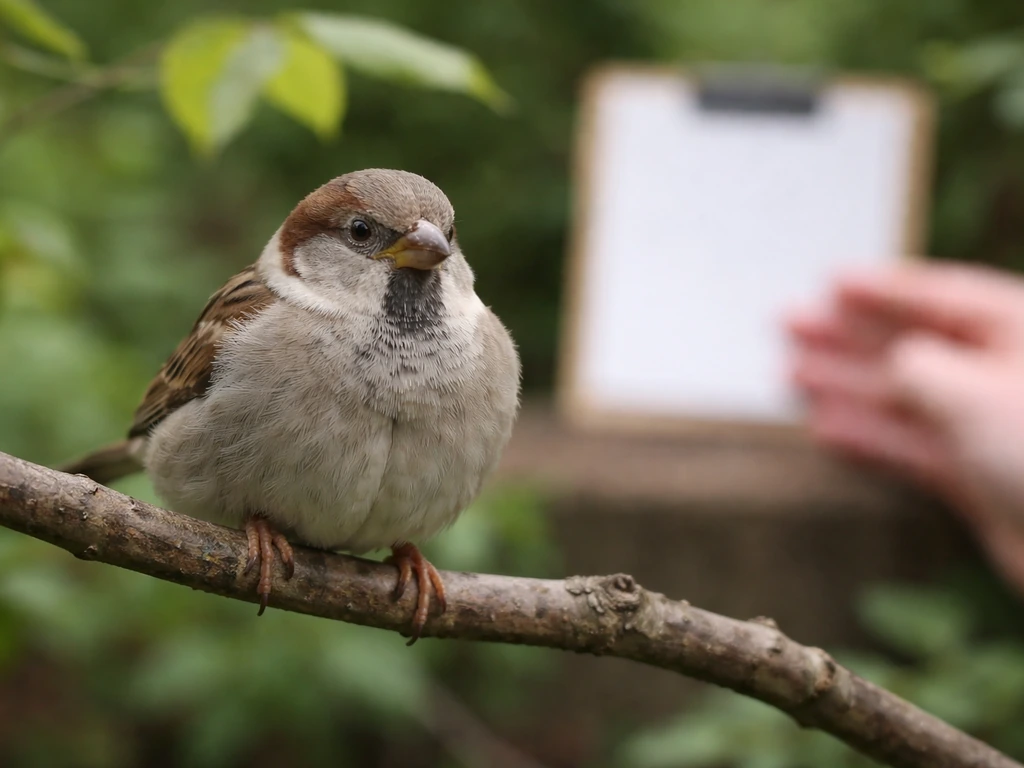
Before you can measure progress, you need to know what you're looking for. A trusting bird doesn't just tolerate you, it shows specific physical signals that trained eyes recognize immediately. The goal is to move your bird from fear postures toward relaxed, confident body language over time.
Relaxed, trusting behavior includes: fluffed feathers under the beak and head (not full-body puffing, which can signal illness), slow preening, gentle vocalizations, one foot tucked, slightly drooping eyelids, normal-sized pupils, head settled low around the shoulders, and calm toy interaction. These are all signs the bird is comfortable enough to let its guard down around you.
Fear and stress look very different. Watch for feathers slicked flat against the body, a tall upright stance with the head pulled back, mouth open slightly, crouching followed by a quick spring (escape posture), leaning away, tail fanning, eye pinning (rapid pupil dilation and constriction), and growling or hissing. Any of these signals means the bird's threshold has been reached or crossed. Stop the interaction immediately and give the bird space.
A practical way to track your progress is to keep a simple daily log. Rate the bird's response to your presence on a 1-to-5 scale: 1 is alarm and flight response, 5 is voluntary approach and relaxed posture. Over two or three weeks, you should see a general upward trend with occasional dips after stressful events. If you're not seeing improvement after two weeks of consistent effort, something in your approach or environment needs to change.
Set up a safe, low-stress environment before you do anything else
Environment is where trust either starts or gets sabotaged. No amount of patient, gentle interaction will overcome a space that constantly triggers the bird's stress response. Get this part right first, and everything else becomes easier.
Cage placement matters more than most people expect. A high-traffic area like a busy hallway or right next to a TV creates constant low-level stress that prevents the calm state birds need to feel safe. The ideal spot gets natural light, stays away from drafts and temperature extremes, and allows the bird to see activity in the room without being overwhelmed by it. A corner placement works well because it gives the bird two solid walls to feel protected. Avoid relegating the cage to a dark, isolated room, but equally avoid putting it where the bird is constantly on alert.
Routine is a trust-building tool on its own. Birds are highly attuned to patterns, and predictability communicates safety. Feed at the same times each day, cover and uncover the cage at consistent hours, and use the same calm voice and approach each time you enter the room. When the bird can predict what happens next, the nervous system settles. Unpredictable humans feel like predators.
- Place the cage at eye level or slightly below, never on the floor (which triggers ground-predator anxiety) and not so high the bird always looks down at you
- Keep the cage in a room where the bird can observe household activity at a comfortable distance
- Use natural lighting where possible; avoid flickering or harsh artificial light directly above the cage
- Minimize loud sudden noises, especially in the first few weeks with a new bird
- Establish a consistent daily schedule for feeding, cleaning, and interaction
- Make sure perches are stable and appropriately sized for the species, because an insecure footing creates physical and psychological stress
Stage-by-stage bonding: from distance comfort to voluntary approach
Think of trust-building as a ladder. Each rung only works if the one below it is solid. Rushing ahead before the bird is ready is the single most common mistake, and it costs far more time than the shortcut saves. Here is how to progress through the stages methodically.
Stage 1: Comfortable with your presence at a distance (Days 1-7)
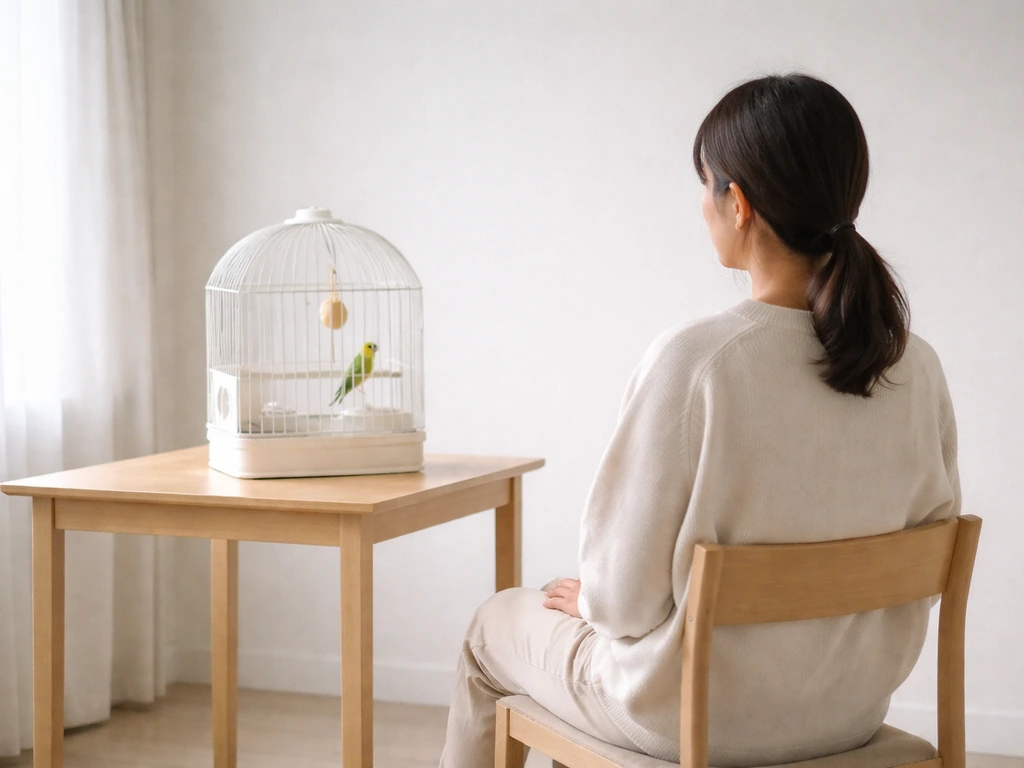
Your only goal in the first stage is to become a predictable, non-threatening presence in the bird's space. Sit or stand at a comfortable distance from the cage (far enough that the bird is not showing stress signals) and just exist there. Read a book, work quietly, talk softly. Do not stare directly at the bird, which is a predatory behavior in bird perception. Let the bird observe you from a position of safety. Pair your presence with good things: arrive with food, speak calmly, and leave before the bird shows stress. Repeat this two or three times a day in short sessions of five to ten minutes.
Stage 2: Comfortable with close approach and cage interactions (Days 7-14)
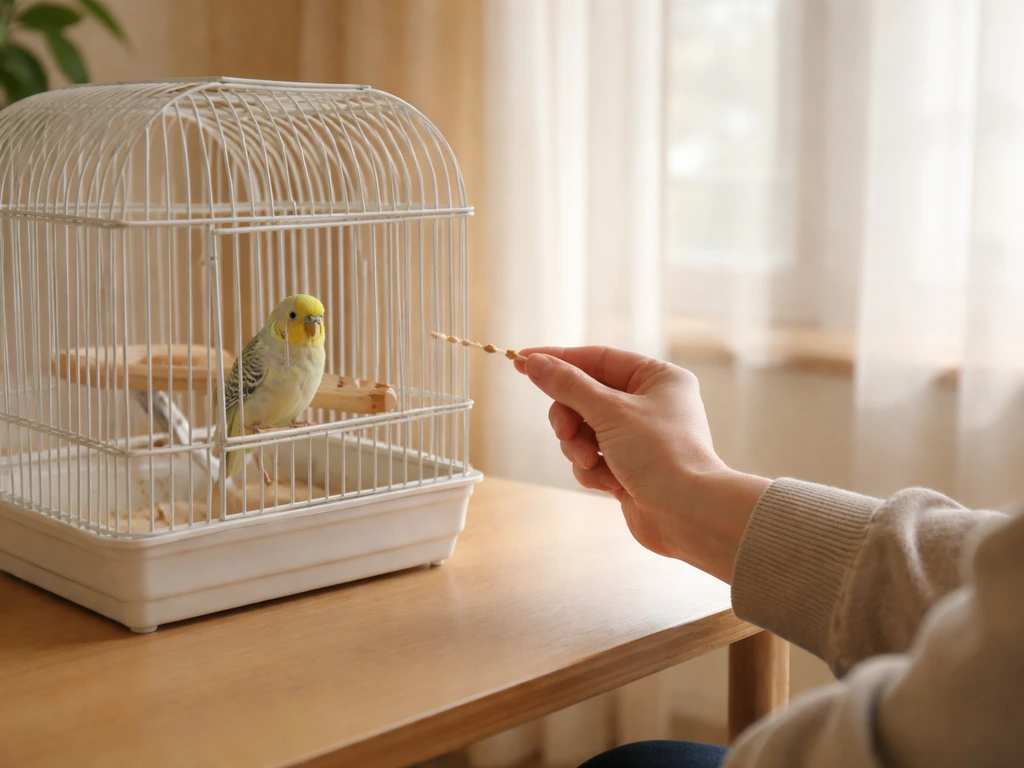
Once the bird is showing relaxed postures during your presence across the room, begin moving closer in very small increments over several sessions. Do not move directly toward the bird; instead, approach at an angle and stop before any stress signals appear. Offer high-value treats through or near the cage bars without expecting the bird to come to you immediately. The goal is that the bird sees your hand near the cage and thinks 'something good might happen' rather than 'danger.' If the bird retreats when you approach, you moved too fast. Step back and rebuild comfort at the previous distance.
Stage 3: Voluntary approach and treat-taking from your hand (Days 14-21+)
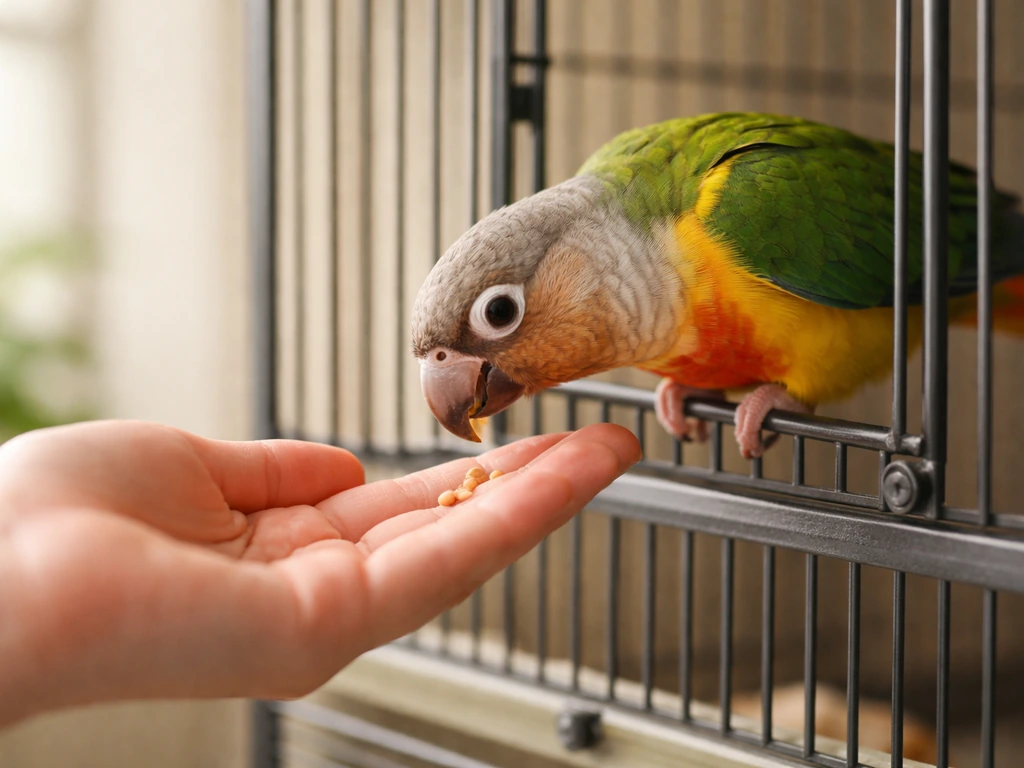
When the bird consistently takes treats from close to the cage, begin offering the treat so that the bird has to stretch slightly toward your hand to reach it. Never push your hand toward the bird. The bird coming to you is the entire point. Once the bird takes treats from your open hand reliably, you can begin introducing your hand inside the cage or in an open-door situation, always moving slowly and staying below the bird's eye level. This is the stage where a clicker becomes especially useful (more on that below).
Stage 4: Perch-to-hand contact and stepping up (Week 3 onward)
Stepping up onto your hand should be a choice the bird makes, not something you force by scooping the bird up from below. A cooperative step-up is a behavior you can teach: the bird lifts its foot and moves onto your hand or finger in response to a gentle, predictable cue. This is meaningfully different from a bird being cornered and stepping up reluctantly. Take your time at this stage. Many birds need four to six weeks of consistent work before voluntary step-up is reliable.
Using treats, a clicker, and 'ask' behaviors to accelerate trust
Positive reinforcement is not just a training technique, it is the communication system you're building with your bird. Every time something good follows your presence or an interaction, the bird's brain logs that experience and adjusts its response next time. Done consistently, this is how you shift the bird's default from 'threat' to 'good things happen around this person.'
A clicker (or a consistent verbal marker like 'yes') gives you precision that treats alone can't. The click marks the exact moment the bird did the right thing, so the bird understands what earned the reward. Before using the clicker for actual behaviors, spend about a week just 'charging' it: click once, then immediately deliver a treat, repeat 10 to 15 times per session. After a few days of this, the bird will look for the treat the moment it hears the click. Now it's a communication tool.
Keep treat pieces very small, roughly the size of a sunflower seed kernel, so the bird can eat quickly and stay engaged. If the treat is too large, the bird stops the session to eat, loses focus, and you lose your training window. Use the highest-value treat you can find for the specific bird: for many parrots this is a favorite nut or fruit, for finches or small birds it might be millet spray. Figure out what your bird genuinely gets excited about and reserve it exclusively for training sessions.
Keep individual training sessions very short: one to three minutes is enough for shaping new behaviors. Track how many times you click and treat per minute to gauge whether your reinforcement rate is high enough. If the bird is only being rewarded every two or three minutes, it is probably being asked to do too much too soon. Aim for frequent, easy wins in the early stages.
For the step-up cue, add the verbal prompt only after the bird is reliably offering the behavior. Say 'step up' just before the bird moves onto your hand, then click the moment its foot lands. Over many repetitions, the bird learns that 'step up' predicts the opportunity to earn a reward by stepping onto your hand. This is a completely different dynamic from grabbing or nudging the bird, and it shows in the bird's confidence and willingness.
Reading body language and handling safely without breaking trust
Every bite and every serious fear setback was preceded by warning signals the human either missed or ignored. Learning to read those signals is not optional: it is the foundation of humane handling. When you respond correctly to early warning signs, the bird learns that its communication works and stops needing to escalate to biting. When you push past those signals, the bird learns it has to go directly to the bite because gentler warnings were ignored.
Early warning signals to respect include: leaning away from your hand, feathers slicking down suddenly, tail fanning, a slight open mouth, wide eyes, stilling completely, or a low growl. Any of these means 'I'm not okay with this right now.' Your response should be to pause, move your hand away slowly and without drama, and give the bird a moment to settle. Do not punish, startle, or withdraw fast, which can trigger a chase or fright response. Just quietly disengage.
When you do handle the bird, keep your movements slow and predictable. Approach from below the bird's eye level where possible, since coming from above mimics a predator strike. Hold the bird securely enough to feel stable but never squeeze. A bird that feels physically trapped will escalate. If you need to move a bird that is resisting, use a short perch as an intermediary rather than your bare hand until the bird is more comfortable.
Not all fear of hands is a fear of you specifically. Sometimes it's the hand itself, the angle of approach, the sleeve of a jacket, or a specific color. If your bird seems generally comfortable with you but panics when your hand enters the cage, it may be responding to an antecedent trigger that has nothing to do with your relationship overall. Experiment with approach angles, bare versus sleeved arms, and slow versus still hand presentation to identify the actual trigger.
Troubleshooting biting, fear regression, and stuck progress
Even with the best approach, setbacks happen. A dropped cage tray, a vet visit, a loud storm, or a new person in the house can reset days or weeks of progress. This is normal, not a failure. The bird's nervous system is doing exactly what it evolved to do: recalibrating when something unpredictable happened. Your job is to return to basics without frustration.
When the bird bites
The most important thing to understand about biting is that it almost always worked before, or the bird had no other way to communicate. If a bite made a hand retreat, the bird learned 'biting equals space,' and it will bite again. Your goal is to make the bite irrelevant (don't dramatically react, don't pull back fast, don't say anything loud) while simultaneously teaching an alternative behavior that gets the bird what it actually wants: space, treats, or attention.
PetMD notes that biting in pet birds is often a sign of stress and fear, not just aggression, so it helps to recognize stress indicators and adjust handling accordingly bite irrelevant. If the bird bites when you try to step it up, go back to treat-taking from your hand and rebuild that foundation before asking for the step-up again.
When the bird refuses treats
A bird refusing treats it normally loves is telling you it is above its stress threshold. This is not defiance. When the bird is too stressed to eat, no learning can happen. Move back to the previous stage, reduce the intensity of the interaction, and try again in a quieter moment or a different location. Sometimes moving the training session outside the cage area entirely can reset the dynamic.
When progress stalls for more than two weeks
Stalled progress usually has one of three causes: the environment has a persistent stressor you haven't identified, you're moving through stages too quickly, or the bird is experiencing discomfort or illness that's affecting its behavior. Rule out health issues first because a bird in pain or with a low-grade illness will be consistently fearful and reactive. If the bird checks out physically, audit the environment and interaction pace. Also check whether your sessions are consistent: going days between interactions and then doing a long intense session is worse than doing nothing.
After a major setback
After something genuinely frightening (a fall, a vet restraint, a predator sighting through a window), give the bird 24 to 48 hours of minimal interaction and no training demands. Just be a calm, predictable presence. Then restart from Stage 1 of the bonding ladder, not from where you left off. Most birds recover their previous trust level faster the second time because the underlying positive association is still there. Forcing through the regression with more intense handling almost always makes it worse and longer.
Pet birds vs. rehabilitated birds vs. wild birds: how the approach changes
The trust-building framework above applies most directly to pet birds, including parrots, cockatiels, finches, canaries, doves, and similar companion species. But the context shifts meaningfully when you're working with a rehabilitated wild bird or trying to connect with a wild bird in an outdoor setting.
Pet birds: parrots, large species, and small companion birds
Parrots and larger hookbills generally respond well to the full training progression described here, including clicker work and step-up training. They have long memories and complex emotional responses, which means trust-damaging mistakes linger but deep trust, once built, is also remarkably durable. Smaller companion birds like cockatiels, budgies, and doves follow the same principles but have faster startle responses and generally require even shorter, quieter sessions. Topics like how to make a lovebird trust you draw on all the same foundational concepts, though lovebirds tend to bond intensely to one person and may need additional socialization with multiple household members from the start.
Rehabilitated birds: a very different goal
If you are working with a wild bird in a licensed rehabilitation context, the goal is almost the opposite of pet-bird bonding. Rehabilitated wild birds must not become comfortable with humans because a habituated wild animal cannot survive release and may become dangerous or non-releasable. The standard guidance from wildlife rehabilitation authorities is to minimize human contact as much as possible, use minimal handling for only necessary medical care, avoid talking to or making eye contact with the bird outside of required handling, and keep the bird visually separated from humans during recovery. Over-habituation is one of the most serious risks in wildlife rehab, and intentional imprinting is never appropriate.
Wild birds in outdoor settings
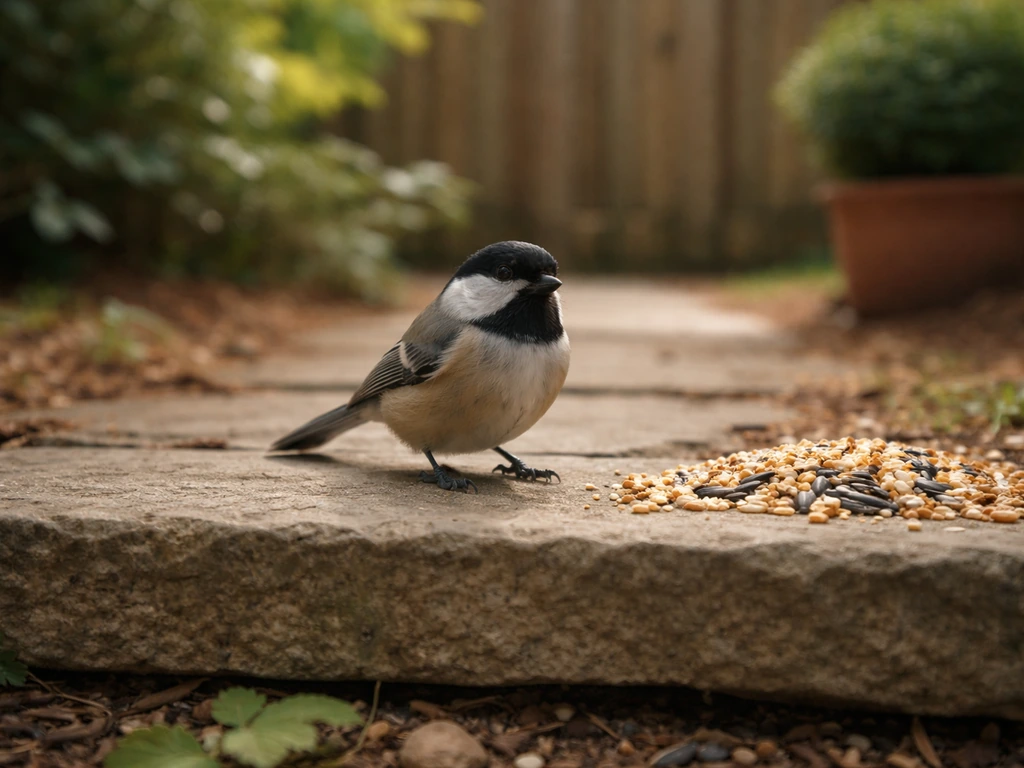
Feeding wild birds in your yard, having a wild bird land on you at a park, or trying to get a wild bird to approach closer, these are wildlife habituation scenarios. Wildlife authorities including the National Park Service are clear that habituation (wild animals losing their wariness of humans) creates real dangers for both the animal and people. You can appreciate wild birds without making them dependent on or comfortable around humans. If you are trying to earn a wild bird's trust instead, use the same calm, choice-based approach and adjust it to an outdoor setting. The most ethical approach is to provide good habitat, appropriate food sources, and observation opportunities from a respectful distance.
| Context | Trust-building goal | Handling approach | Key caution |
|---|---|---|---|
| Pet parrot/large hookbill | Deep voluntary bond and cooperative handling | Full clicker training, step-up, daily sessions | Slow progression; long memory for negative experiences |
| Small companion bird (budgie, cockatiel, lovebird) | Calm acceptance, voluntary treat-taking, gentle handling | Shorter quieter sessions; same staged approach | Very fast startle reflex; avoid sudden movements |
| Licensed wildlife rehab bird | Survival fitness for release | Minimal necessary handling only | Habituation and imprinting risk: human comfort = non-releasable |
| Wild backyard/outdoor bird | Appropriate distance appreciation | No direct handling; habitat and food support only | Habituation is dangerous for wild animals and humans |
Your trust-building plan starting today: a practical checklist
Use this checklist to structure your first two to four weeks. Check off each item only when it is genuinely consistent, not just done once. Trust is built through repetition, not single events.
This week (environment and baseline)
- Audit cage placement: eye level, natural light, low-traffic but not isolated, stable temperature
- Identify and eliminate the two or three biggest environmental stressors (noise, drafts, unpredictable foot traffic)
- Establish a consistent daily routine: same feeding time, same uncovering/covering schedule, same calm approach
- Identify your bird's highest-value treat and reserve it exclusively for trust/training interactions
- Begin daily 5-minute presence sessions: sit near the cage, speak softly, do not demand interaction
- Start a simple progress log: note the bird's body language at the start and end of each session
Week two (building positive association)
- Begin offering high-value treats at cage level, without expecting the bird to approach you
- If using a clicker, begin charging it this week: click, treat, repeat 10-15 times per short session
- Practice moving closer to the cage only when the bird is showing relaxed posture
- If the bird retreats at your approach, note the distance at which stress starts and work just inside the comfort zone
- Keep hands below the bird's eye level during any close interaction
Weeks three and four (voluntary contact and early step-up)
- Offer treats so the bird has to move slightly toward your hand to reach them
- Introduce your hand inside the cage calmly, with a treat on your palm, no demand to step up yet
- When the bird steps toward your hand voluntarily, click and treat immediately
- Begin presenting your finger or hand as a perch during treat delivery
- Add the verbal 'step up' cue only after the bird is reliably moving onto your hand
- End every session on a successful, low-demand interaction so the bird's last memory is positive
- If a setback happens, return to the previous stage without frustration and rebuild
The birds that end up the most trusting are not the ones whose owners moved fastest. They're the ones whose owners paid the most attention. Watch your bird more than you interact with it, especially early on. Every signal it gives you is information.
When you learn to read and respond to those signals correctly, you stop being something the bird manages and start being the person it actually wants to be around. If you are wondering how to make your bird not scared of you, this guide will help you translate those signals into steady, repeatable progress. If you want a clearer roadmap for the early stages, use this guide on how to get a bird used to you.
If you follow these trust steps, you will learn how to get a bird to like you naturally over time the person it actually wants to be around.
FAQ
Can I build trust faster by handling my bird more often?
Yes, but only indirectly. Use the same kind of “choice” exposure (distance, angle, and predictable routine) you would use for other progress steps, and stop the moment you see stress signals. If the bird already shows relaxed posture during your presence, you can introduce handling goals later, but if it is still showing fear around the cage, handling will usually prolong the timeline.
What should I do if my bird is calm with me but panics when I reach into the cage?
Change one variable at a time. If you see consistent fear around your hand in the cage, test a different approach style (bare arm vs sleeve, slower vs still hand, different height), and only then retest the same step you paused. If fear appears even when your face and voice are calm, the trigger is likely the hand presentation, not you overall.
How long should trust-building sessions be, and when should I stop?
Aim for consistent short sessions rather than longer ones, and end while the bird is still comfortable. For many birds, pushing a session until the bird is tolerating less and less creates “learned stress,” which makes the next session harder. If the bird needs a break, pause, step away, and resume later at an easier stage.
My bird takes treats, but won’t step up. Does that mean trust isn’t building?
Not always. Some birds accept treats but still do not choose step-up, because the step-up changes the level of control and physical positioning. If treats are reliable from your hand near the cage but step-up remains reluctant, keep reinforcing the earlier rung (treats near the hand, then brief touch tolerance) before asking for the full step onto you.
Why does my bird seem scared of my hand even when I’m being gentle?
Use the bird’s eye level as a boundary. Approaching from above commonly triggers predator-like reflexes, even with gentle behavior. A practical adjustment is to work from below the eye line when possible (or keep your hand and forearm low) and stop if the bird’s head pulls back or posture stiffens.
What should I do if progress stalls after the first couple of weeks?
Expect occasional dips. A stalled improvement pattern that lasts beyond about two weeks usually points to either an unidentified ongoing stressor (noise, drafts, placement, other pets) or too-large step increases between stages. Review cage location, daily routine consistency, session timing, and health status before making major changes to training demands.
My bird won’t take its favorite treat during training. Should I keep pushing?
Treat refusal is usually a stress threshold signal, not “bad behavior.” Move back to the previous comfort step, reduce session intensity, and try again in a quieter window. If the bird consistently won’t eat during your presence, prioritize health checks and environmental stress checks before continuing training.
How can I move my bird safely without breaking trust?
Yes, and it’s a good idea when it prevents the bird from feeling trapped. Use a perch as an intermediary if you need to get the bird out of the cage, and make the bird’s movement the “choice” component (lure or cue to the perch) rather than forcing hand contact. If the bird panics at the transition, slow down the step and return to earlier treat-taking from near the perch.
What’s the right response when my bird bites during step-up training?
If the bird bites, the priority is immediate de-escalation and preventing “biting creates space” from becoming the learned lesson. Avoid dramatic reactions and fast pulling back. In the same overall training session plan, rebuild the foundation by returning to treat-taking and only reattempt step-up once the bird is reliably accepting proximity without warning signals.
Do setbacks happen even with good training, and how should I restart after one?
Vaccinating, vet handling, moving homes, storms, and new people can all reset fear learning, even if your bond was strong. After a genuinely frightening or disruptive event, reduce interaction for 24 to 48 hours, restart from the earliest comfort rung, and do not try to “catch up” by repeating harder handling right away.
What are common mistakes with clicker timing and marker use?
For clicker training, keep the marker consistent and make sure you deliver the treat immediately after the click. A common mistake is clicking and then delaying the reward, or clicking for an unwanted behavior. If the bird seems confused, pause training for the day and do a short recharge sequence (click, then treat, many quick reps).
How important is consistency, and does it really affect trust?
Yes. If your bird watches your routine but you enter the room at unpredictable times, it can be harder for the bird to settle. Even small variations matter, like inconsistent covering and uncovering, rushing into the room, or sudden changes in voice volume. Stick to a predictable pattern, and leave before the bird shows stress so predictability stays associated with safety.
How should I handle trust-building if there are multiple people in the home?
If you’re working with multiple household people, introduce new handlers at the same pace as you did with the original person. Many birds bond intensely to one person, but you can still prevent exclusive fear by keeping sessions calm and choice-based, and by having other people do only low-stress presence and treat delivery at first. Avoid forcing the bird to interact with everyone simultaneously.
Does the same trust-building approach apply to wild or rehabilitated birds?
No. Habituation risk is exactly why wild or rehabilitated birds should not be deliberately made comfortable with humans. In those settings, the ethical goal is usually to minimize human imprinting, avoid casual eye contact, and provide only necessary contact for medical care in rehabilitation. If your bird is wild, prioritize distance-based observation and habitat-friendly feeding rather than interaction.
Next Article
How to Make a Bird Trust You: Humane Step-by-Step Guide
Humane, step-by-step methods to earn a wild bird’s trust using distance, routines, food, stress cues, and safety tips.