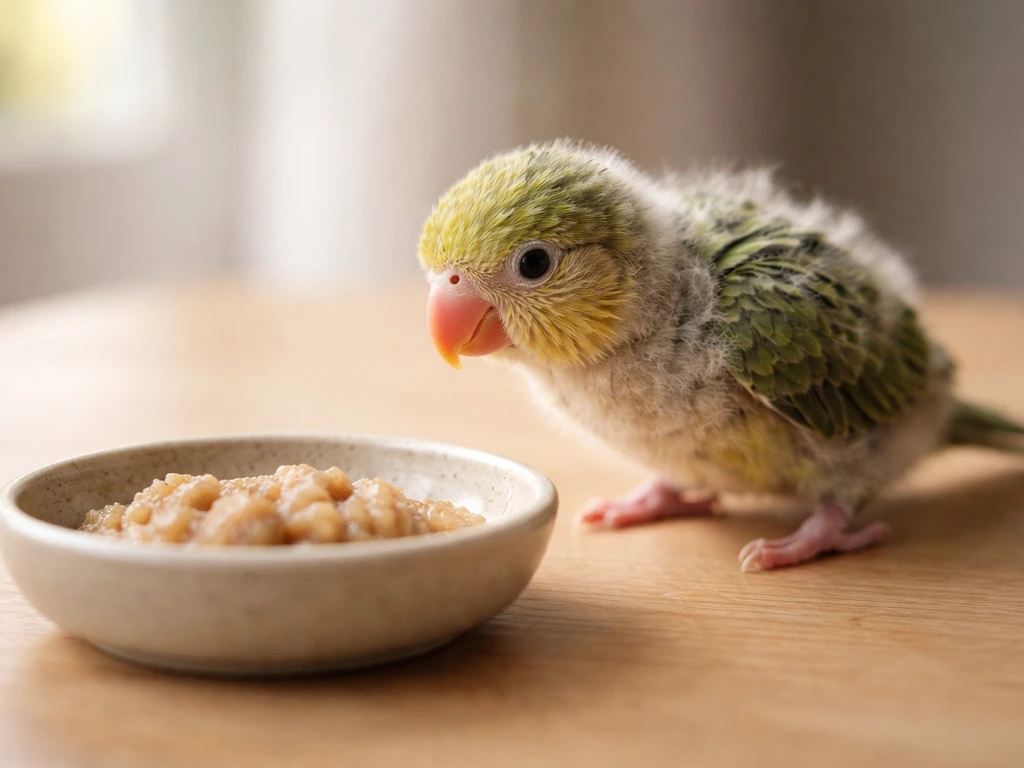
The most reliable way to get a bird to use a cuttlebone is to introduce it gradually, pair it with something the bird already likes, and place it exactly where the bird spends the most time. Most birds don't ignore blank" rel="noopener noreferrer">cuttlebones because they dislike calcium, they ignore them because the bone is a strange new object in their environment, or it's clipped somewhere inconvenient. Fix the placement, make the bone smell familiar, and use a few simple reward-pairing steps, and most birds will start nibbling within a week.
How to Get a Bird to Use a Cuttlebone Step by Step

Maya Harris
2 May 2026
Why cuttlebone actually matters for your bird
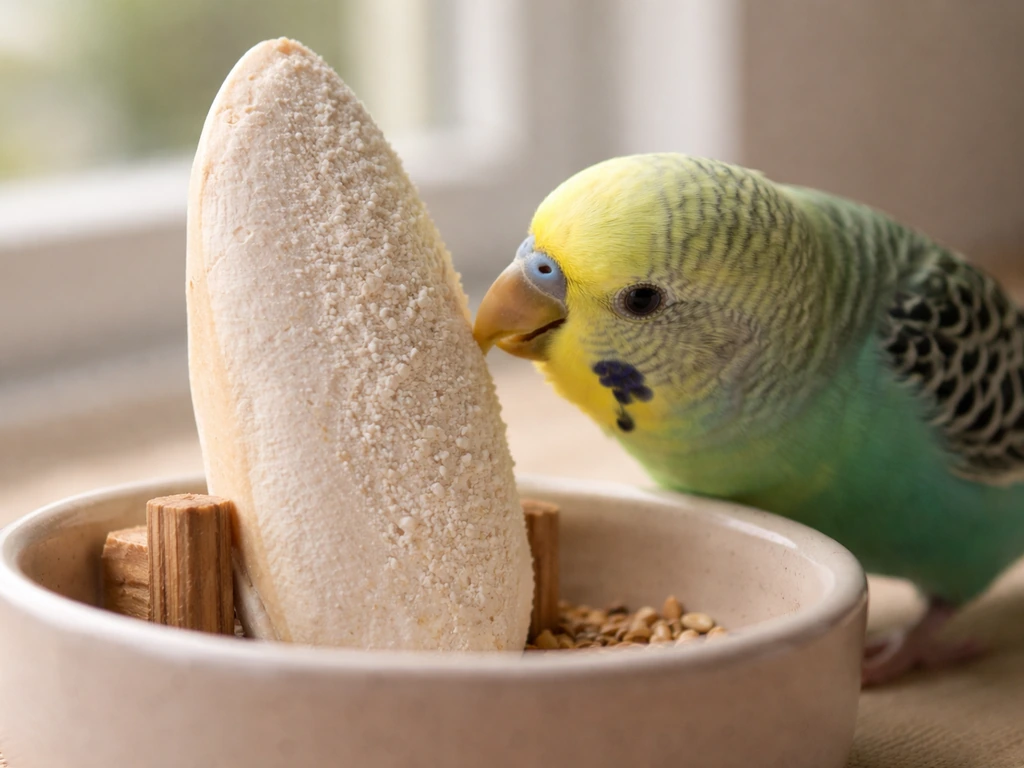
Cuttlebone pulls double duty in a bird's life: it's a calcium source and a beak-maintenance tool. Calcium is one of the most critical minerals for birds, it's used constantly for bone formation, muscle function, nerve signaling, and, in females, egg production. Calcium disorders are genuinely common in captive birds, ranging from soft bones in young birds to hypocalcemic seizures in adults. Female birds in particular face steep calcium demands during laying cycles, and a chronically low-calcium diet can lead to egg binding, thin or shell-less eggs, leg weakness, and in serious cases, paralysis. Signs of low calcium include decreased activity, rickets, tetany, and thin eggshells, all things you don't want to see.
On the beak side, the outer keratin layer of a bird's beak grows continuously. For small birds especially, cuttlebone acts as a natural grinding surface that helps wear down beak tip growth and keep the beak at a functional length. It's not a complete substitute for a vet trim if the beak is genuinely overgrown, but as a daily maintenance tool it works well and keeps the beak healthier between check-ups.
One important nuance: if your bird is on a nutritionally complete pelleted diet, their calcium needs may already be covered. Supplementation isn't always mandatory, but having a cuttlebone available as an optional resource is still a good practice. Most birds self-regulate when the calcium source is presented safely. The problems come when they have no access at all, or when they're on a seed-heavy diet that's already low in calcium and other nutrients.
Merck Veterinary Manual notes that strictly seed diets are suboptimal for psittacines because seeds can be deficient in nutrients, including calcium and other essentials, even when supplemented seed-heavy diet that's already low in calcium and other nutrients. Acute (rapid-onset) hypocalcemia is more common in birds fed all-seed diets and can cause weakness, tremors, and seizures [Acute hypocalcemia is more common in birds fed all-seed diets](https://www.
merckvetmanual. com/bird-owners/disorders-and-diseases-of-birds/nutritional-disorders-of-pet-birds).
Picking the right cuttlebone and getting it ready
Size matters more than most people realize. A small budgie doesn't need the same cuttlebone as a cockatoo, and giving a tiny bird a huge bone can actually make it feel more intimidating. Match the cuttlebone roughly to the size of your bird. Small birds like budgies, canaries, and finches do well with standard small cuttlebones (around 4 to 5 inches). Medium birds like cockatiels and lovebirds can handle a medium bone. Larger parrots like African greys, Amazons, or cockatoos need a larger or thicker bone, or a mineral block, which tends to hold up better to a strong beak.
When you bring a cuttlebone home, prep it before introducing it to your bird. Rinse it under cool water and let it dry completely, this removes any surface dust or residue. Some experienced keepers lightly rub a small amount of a favorite food (like a piece of millet or a smear of softened fruit) onto the soft white side. This is a simple scent-and-taste bridge that makes the bone far more interesting to investigate. The soft white side is the side you want facing the bird, it's the porous calcium-rich surface they actually gnaw on. The harder, darker backing is usually left against the cage bar or clip.
Avoid cuttlebones that have been heavily treated with artificial flavors or dyes unless they're clearly labeled as bird-safe. Plain, natural cuttlebone is almost always the better choice and is easy to find in most pet stores or online.
Where to put it so your bird will actually find it
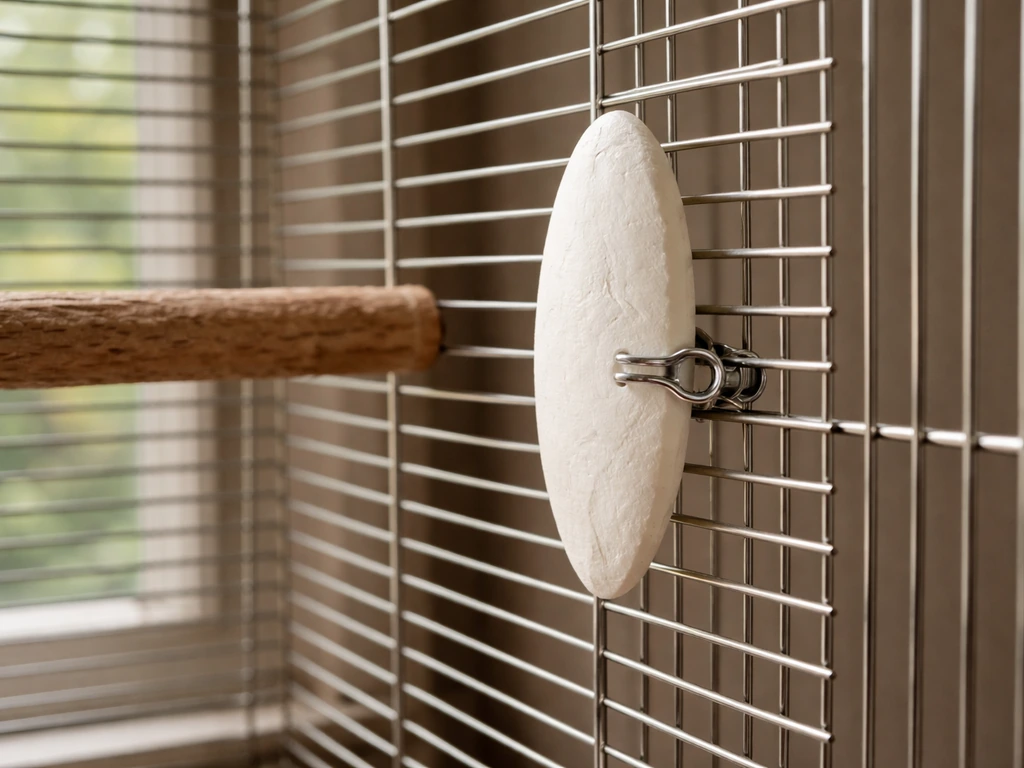
Placement is probably the single most underrated factor. A cuttlebone stuck in the corner of the bottom of the cage is almost invisible to a bird who spends all day on upper perches. Put the cuttlebone at perch height, directly next to or just slightly above a favorite perch. The bird should be able to reach it without stretching awkwardly or having to travel far from their comfort zone.
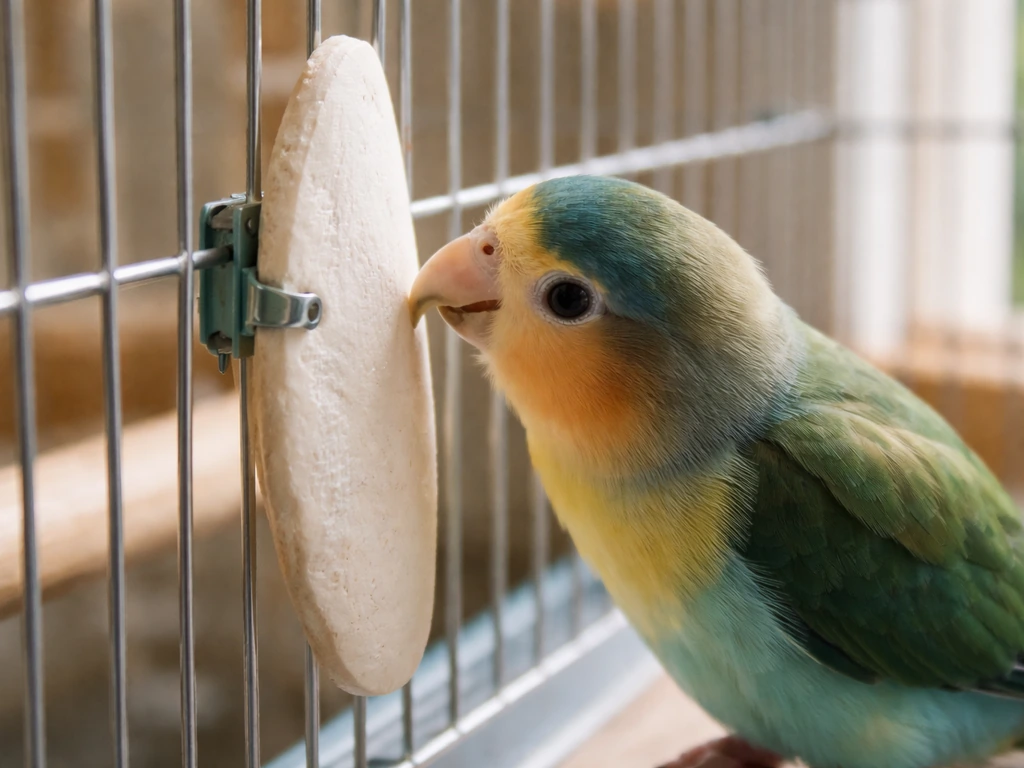
Clip it securely to the cage bars with the included wire clip or a small zip tie. Loose or wobbly cuttlebones rattle, and rattling can genuinely scare a bird away from investigating. If your bird is especially cautious, try wedging the bone between two bars so it doesn't move at all, at least for the first week or two.
- Position at the bird's preferred perch height, not on the cage floor
- Place within easy reach — no awkward stretching or climbing required
- Secure it so it doesn't rattle, wobble, or fall
- If using multiple perches, start with just one cuttlebone near the bird's most-used spot
- For birds in aviaries or flights, try attaching it to a branch or log at a natural foraging angle
Teaching your bird to actually use it
Most birds need a short introduction period before they'll confidently peck a cuttlebone. The goal is to build a positive association, essentially, the bird learns that the cuttlebone is a safe, interesting object that sometimes leads to good things. This is the same principle behind counterconditioning: pairing a neutral or mildly avoided item with something the bird already values, until the item itself becomes appealing.
- Day 1-2: Place the cuttlebone in the cage near a favorite perch. Don't push it or draw attention to it — just let it exist. Many curious birds will investigate on their own within 24 to 48 hours.
- Day 3-4: If there's no interest, rub a favorite treat directly onto the white surface. Millet, a small piece of apple, or a scrape of egg food all work well depending on the species.
- Day 5-7: During your normal interaction time, gently tap the cuttlebone with your finger while the bird watches. Birds are naturally curious about what their flock members (including you) find interesting. This often prompts a first investigation.
- Ongoing: When the bird touches or pecks the cuttlebone, immediately offer a small treat or verbal praise. You're reinforcing the behavior the same way target training works — marking a desired action with a reward so the bird repeats it.
- If your bird is clicker-trained or target-trained, use those existing skills. Direct the bird toward the cuttlebone using a target stick, then reward. This is especially effective for parrots who already understand the training game.
Keep sessions short and pressure-free. Never force a bird's beak toward the cuttlebone or physically guide them into contact with it, that kind of forced interaction builds avoidance, not curiosity. The process should always feel like the bird is choosing to explore, not being made to.
Adjusting your approach by species and temperament
Small pet birds (budgies, canaries, finches, lovebirds)
These birds are often the easiest to get on board because they're natural chewers and foragers. Budgies in particular tend to accept cuttlebone readily, especially if they've been in a flock setting where other birds model the behavior. For solo budgies or finches, hanging a piece of millet directly next to the cuttlebone is usually all it takes, they'll peck the millet and bump into the bone. Keep the bone small and well-secured, and these birds almost always come around quickly.
Cockatiels and medium parrots
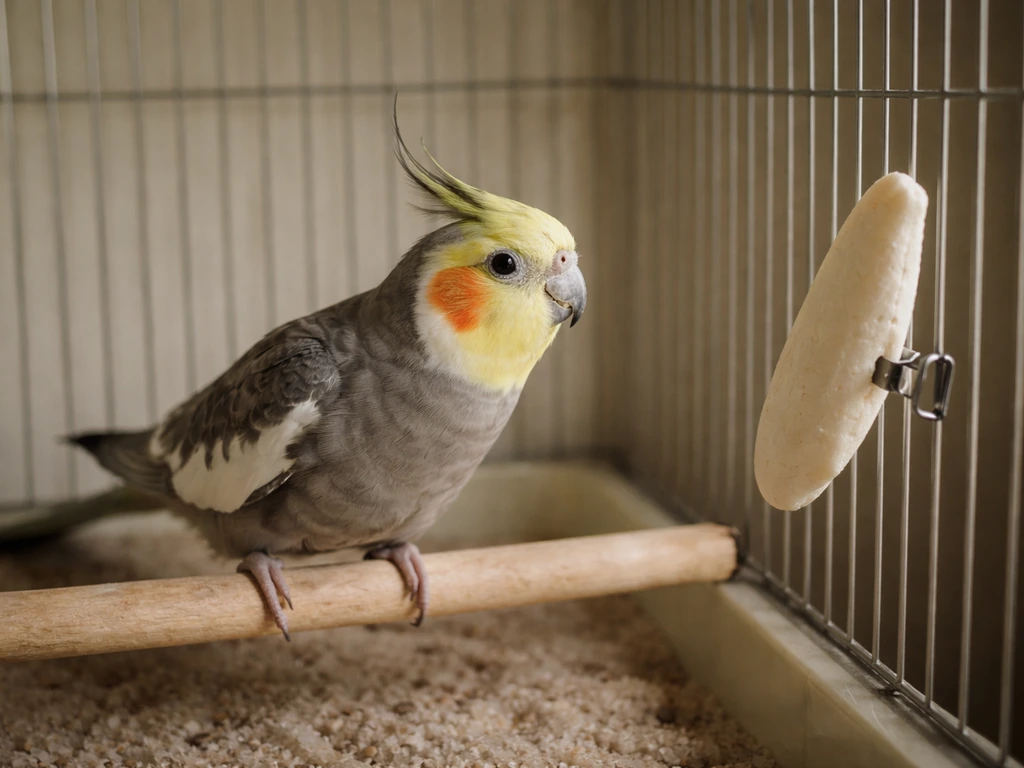
Cockatiels can be cautious about novel objects, some will startle from a brand new cuttlebone for a day or two before approaching. The trick with cockatiels is to let them see you handle the cuttlebone calmly before placing it in the cage. Just hold it near them while you talk normally, then put it in without ceremony. For medium parrots like conures or caiques, the reward-pairing method tends to work well because these species are food-motivated and will investigate anything that smells like food.
Large parrots (African greys, Amazons, cockatoos, macaws)
Large parrots often have very strong opinions about new objects, neophobia (fear of novelty) is well documented especially in African greys. The gradual desensitization approach is essential here. Start with the cuttlebone outside the cage and gradually move it closer over several sessions before ever mounting it inside. Use target training if the bird already knows it, this gives the bird a clear, familiar structure for approaching new things. Also consider a mineral block instead of a standard cuttlebone for large beaks, since they'll destroy a small bone in minutes and it won't provide enough material or engagement.
Rehabilitated and wild birds
For wild birds in rehabilitation, the approach changes significantly. You're not trying to train the bird, you want it to maintain natural behaviors and minimize human imprinting. Place the cuttlebone in the enclosure as part of the environment setup, ideally near natural perches or foraging areas, and let the bird discover it on its own.
For wild birds, the goal is different: set up natural opportunities and let the bird choose to approach without forcing interaction how to get a wild bird to eat. Don't use reward-pairing or social engagement techniques with wild birds in rehab, since that can compromise their suitability for release.
If a rehabbed bird is showing signs of calcium deficiency, consult your supervising wildlife vet about whether dietary calcium supplementation through food (like whole prey or calcium-dusted insects) is more appropriate than a cuttlebone for that species.
Troubleshooting: when the bird just won't go near it
Completely ignoring it
If the bird has been in the cage for a week with no interaction at all, check two things first: placement and diet. Is the bone actually near where the bird spends time? And is the bird already on a pellet-based diet that covers their calcium needs? If both are fine, try rubbing a preferred food onto the bone and changing the location slightly. Sometimes moving it just a few inches to a slightly more central spot is all it takes.
Scared of it or treating it like a threat
If the bird is flaring, backing away, or alarm-calling near the cuttlebone, you're dealing with neophobia. Remove the bone from the cage entirely, and start desensitization from a distance. Place it on top of the cage, or across the room, and give the bird a few days to see it without it being in their space. Gradually move it closer over several days until it can go in the cage without stress. The key principle is: never push the timeline. The bird tells you when they're ready by their body language, not by your schedule.
Pecks occasionally but won't use it regularly
Occasional pecking is actually a win, it means the bird has accepted the object and is exploring it. Irregular use is completely normal and healthy. Birds self-regulate calcium intake, so they won't gnaw on it constantly. They'll use it more during periods of higher demand (like molting or laying) and ignore it for stretches when they don't need it. If occasional use is what you're seeing, the system is working. You don't need to push for daily sessions.
Only chews wood, paper, or other substitutes instead
Some birds redirect beak-grinding behaviors to paper, cage bars, or wooden toys and never seem to touch the cuttlebone. This is often a preference issue, not a nutritional refusal. Try a mineral block instead, the texture is different and some birds strongly prefer it. You can also try crushing a small piece of cuttlebone and mixing it into soft food (like cooked egg or mashed fruit) so they consume the calcium even if they're not gnawing the whole bone. If beak wear is the concern and the bird isn't using the bone, that's worth raising with an avian vet, beak overgrowth is something a vet should assess, not a DIY fix at home.
Consuming way too much, very quickly
Rapid, heavy consumption can occasionally signal an underlying deficiency, especially in egg-laying females whose calcium stores have been depleted. If your bird is going through cuttlebone at an unusually fast pace, monitor them carefully and flag it to your avian vet. Excess calcium from overconsumption can cause hypercalcemia, which has its own health consequences. The goal is always free access within reason, not unlimited forced intake.
Safety, hygiene, and when to call the vet
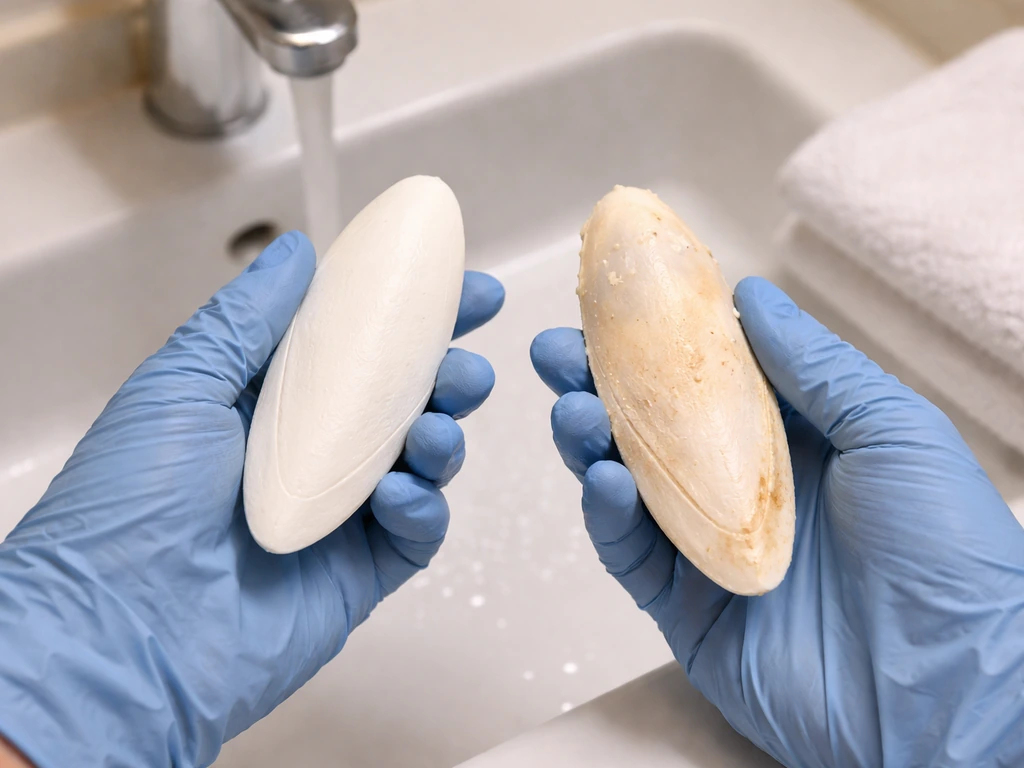
Cuttlebone is generally very safe, but a few hygiene and handling habits make a real difference. Replace the bone every two to four weeks, or sooner if it's visibly soiled, wet, or crumbling into sharp fragments. Small loose shards can be a choking risk or cause oral injury, especially for smaller birds. If the bone gets wet from a nearby water dish, replace it, wet cuttlebone develops bacteria quickly and loses its structural integrity.
Keep the cuttlebone away from droppings, food debris, and water splatter as much as possible through thoughtful placement. If you hang it near a water source, move it. A clean, dry bone is both safer and more appealing to the bird.
On the calcium side, remember that cuttlebone alone isn't a complete calcium strategy if the bird's diet is severely deficient. Vitamin D3 is critical for calcium absorption, without adequate D3 (from diet or safe UVB exposure), the bird may not absorb the calcium even if it's eating the bone. If you're supplementing calcium and still seeing signs of deficiency, the issue may be D3, phosphorus balance, or an underlying health condition, not the cuttlebone itself.
Contact your avian vet if you notice any of the following. These go beyond normal cuttlebone-acceptance troubleshooting and need professional assessment.
- Leg weakness, tremors, or seizure-like episodes (possible hypocalcemia)
- A female bird straining in the abdomen or showing open-mouth breathing (possible egg binding — this is an emergency requiring same-day vet care)
- Beak overgrowth that isn't improving despite regular cuttlebone use
- Unusually rapid cuttlebone consumption that doesn't slow down after a week or two
- Any oral injury, bleeding, or swelling after introducing the cuttlebone
- A bird that was using the cuttlebone regularly and then abruptly stopped — this behavioral change can signal illness
Your plan for the next few days
If you want to start today, here's the simplest possible path. Get a size-appropriate cuttlebone, rinse and dry it, rub a small piece of the bird's favorite treat on the white side, and clip it securely next to the bird's main perch at their eye level. Then leave it alone for 48 hours. Check if the bird has interacted with it at all, any beak marks or powder on the perch near it count as progress. If there's no interaction after two days, start the treat-pairing and gentle modeling steps described above. Most birds will accept the cuttlebone within one to two weeks using this approach.
If you're also working on broader feeding challenges, like getting a picky bird to try new foods or accept medication hidden in food, the same reward-pairing and gradual exposure principles apply across all of those situations. These same calm, reward-based and gradual exposure principles can also help you learn how to get a bird to take medicine. The patience and calm consistency you build in this process transfers directly to other training goals with your bird.
FAQ
How long should I leave the cuttlebone in before assuming my bird dislikes it?
If placement and diet look correct, give it at least 7 to 14 days of calm access. Do a quick check at 48 hours for any beak marks or pale dust on nearby perch surfaces, then reassess (usually a small location change plus treat scenting) rather than removing it immediately.
Should I put the cuttlebone in the same spot every day or move it around?
Keep it consistent once you find the bird’s main perch or usual hangout area. Small adjustments (a few inches) are fine, but frequent relocating can restart the novelty process and slow acceptance.
My bird pecks once or twice, then ignores it. Is that enough calcium intake?
Often yes. Many birds self-regulate and use the bone intermittently, especially outside periods like molting or laying. Monitor your bird’s body condition and, if you see persistent thin eggshells or weakness, discuss diet and calcium planning with an avian vet rather than trying to force constant gnawing.
Can I use a calcium powder or supplement instead of getting them to use cuttlebone?
You can add calcium through the diet or supplements, but cuttlebone is not just a nutrient source, it also supports beak maintenance. If you go the powder route, ensure the bird still gets proper beak-grinding options and confirm the plan supports calcium absorption, especially vitamin D3 needs.
What if my bird is on pellets, should I still offer cuttlebone?
Yes, as an optional resource, as long as it’s offered safely and kept clean. Pellets may already cover calcium requirements, but the bone still helps many birds self-regulate and provides a familiar gnawing surface for beak health.
Is it okay if the cuttlebone crumbles into small bits?
Be careful. Replace it when it becomes wet, visibly soiled, or breaks into sharp fragments, because small shards can be a choking risk or cause oral injury in smaller birds. For heavy chewers, consider a mineral block that holds up longer.
Which side should face the bird, and does it matter?
Aim the soft white, porous side toward the bird, since that’s the surface they typically gnaw. Leave the harder, darker backing positioned against a bar or clip so the bone stays stable and doesn’t rotate during pecking.
My bird backs away or alarms when the bone appears. Should I keep it in the cage but move it?
If you see stress signals, remove it and use distance-based desensitization instead (for example, on top of the cage or across the room first). Gradually bring it closer only when the bird can view it without flaring, and avoid any handling or forced interaction.
Do I need to replace cuttlebone on a schedule even if it looks clean?
Yes, a rough replacement window is every 2 to 4 weeks, sooner if it’s wet, crumbling, or covered in droppings or food debris. Even if it looks dry, repeated wear and residue buildup can make it less safe and less appealing.
What if my bird refuses cuttlebone but chews other things instead?
That can be a preference or texture issue, not a refusal of calcium. Try a mineral block with a different texture, or offer calcium through bite-sized foods mixed with a small cuttlebone piece (only if your bird tolerates those foods). If beak overgrowth is suspected, an avian vet should evaluate it.
Can overusing cuttlebone cause problems?
Yes, very fast or unusually heavy consumption can be a clue of an underlying deficiency, and excessive calcium from any route can contribute to hypercalcemia risks. If a laying female or any bird goes through cuttlebone at an unexpectedly high rate, monitor closely and consult an avian vet for diet and absorption assessment.
Should I rinse cuttlebone before using it every time?
Rinse under cool water and fully dry it before the first introduction (and if it gets handled or contaminated). This removes surface dust and residue and reduces the chance the bird reacts to a smell or coating rather than the bone itself.
How do I offer cuttlebone for a large parrot that destroys small bones quickly?
Use a thicker bone or switch to a mineral block designed for stronger beaks. Also, avoid mounting it where it can fall or rattle during aggressive chewing, since a loose or moving bone can keep a cautious bird from engaging.
Do wild birds in rehab need cuttlebone too, and can I use treats to make them accept it?
Rehab decisions depend on the species and the rehabilitation plan. In general, focus on natural placement in the environment and let the bird discover it, avoid reward or social training that increases imprinting risk, and if calcium deficiency is suspected, coordinate with the supervising wildlife vet about whether dietary calcium through appropriate foods is more suitable than cuttlebone.
Next Article
How to Teach a Bird to Eat on Its Own: A Step-by-Step Guide
Step-by-step, welfare-first plan to transition a dependent bird to independent self-feeding, with food tips and troubles