Three things help a bird fly: a fit, well-conditioned body with strong pectoral muscles, structurally healthy wings and feathers, and the neuromuscular coordination to control flight. If any one of those three is missing or impaired, the bird either can't take off, can't sustain flight, or can't land safely. That's the core answer, and everything else in this guide is about how you assess each one, fix what's fixable at home, and know when to stop and call a professional.
What Three Things Help a Bird to Fly: A Guide
Maya Harris
24 Apr 2026
The three things, explained simply
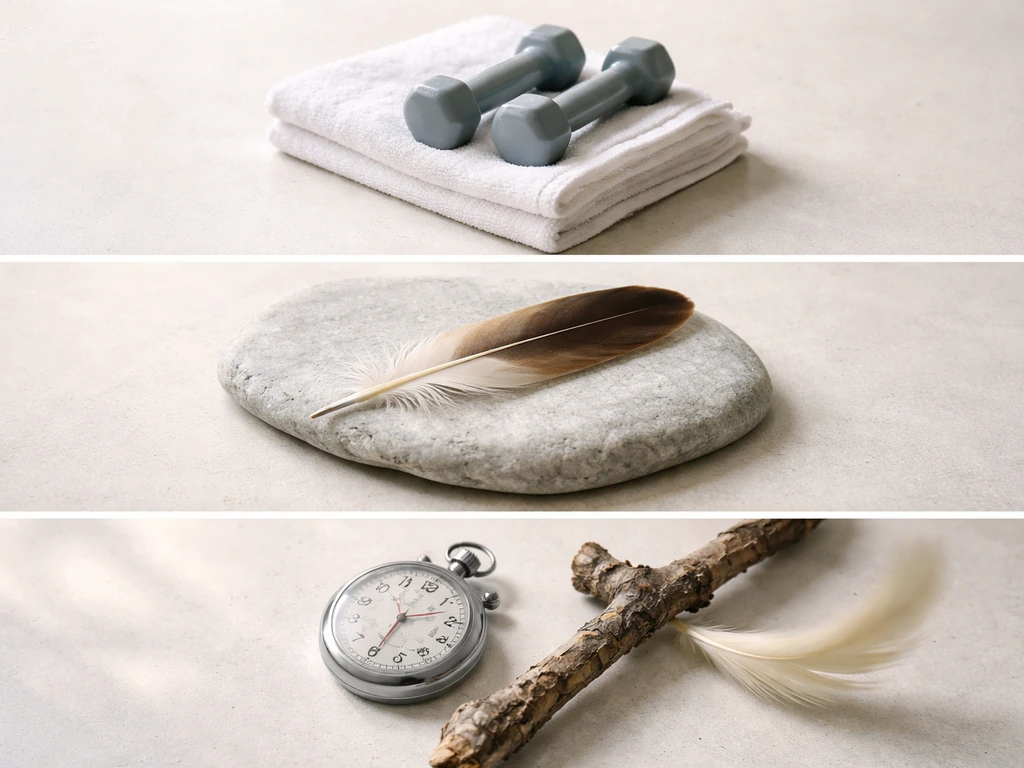
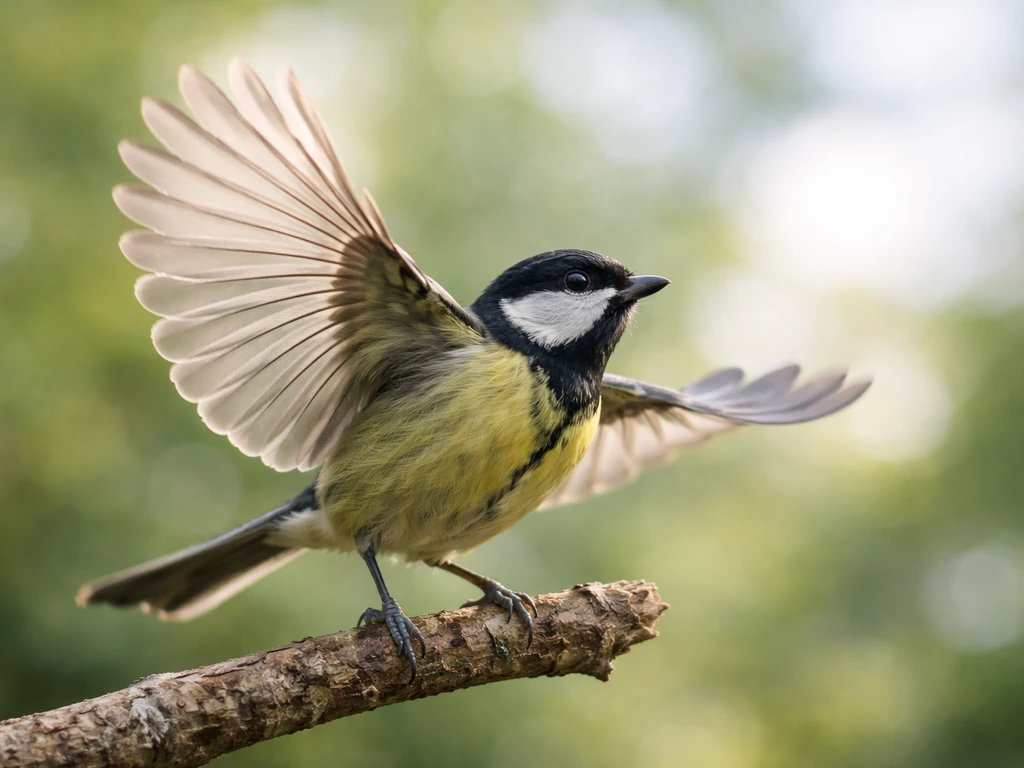
Think of flight as a three-legged stool. The first leg is physical fitness, specifically the strength and endurance of the pectoral muscle, which is the major power muscle driving the downstroke of the wing. Research confirms the pectoralis is the primary engine of avian flight, and its condition directly determines how much power a bird can generate. The second leg is structure: intact, correctly formed wings and healthy, undamaged feathers.
The primary flight feathers (remiges) do most of the aerodynamic work, and even a few broken or missing primaries can rob a bird of the lift it needs. The third leg is control and coordination, the bird's ability to read the air, adjust wing angle mid-flight, and land with precision. This last piece is partly neurological and partly learned through practice and confidence.
A bird that's been clipped, caged long-term, or has recovered from illness may have lost this through disuse, not permanent damage.
This breakdown matters because the fix for each problem is completely different. A bird that's too weak needs conditioning, not more flying attempts. A bird with a damaged primary needs feather care or a molt cycle, not encouragement. A bird that's panicking on takeoff needs calm, low-stress training, not a larger flight space. Knowing which leg of the stool is broken tells you exactly what to do next.
Fitness basics: body condition and muscle strength
Before anything else, assess body condition. Avian vets use a body condition score (BCS) system, typically a 1 to 5 scale, where 1 is emaciated and 5 is obese. You can do a basic version at home by feeling the keel bone, which is the ridge running down the center of the chest. On a fit bird, the keel has a slight edge but is flanked by firm, rounded pectoral muscle on both sides.
If the keel protrudes sharply like a knife blade with no muscle padding, the bird is underweight and too weak to fly safely. If the keel is buried under soft, doughy tissue, the bird is overweight, and obesity is generally defined in veterinary literature as roughly 20% over ideal weight, which means excess fat actively works against flight. You're aiming for a keel you can feel but not see, with symmetrical muscle mass on each side.
The BTO uses a standardized pectoral muscle scoring method in field work, and you can apply the same principle at home. Gently cup the bird in your hand, locate the keel, and press lightly on either side. The muscle should feel firm and full, not flat, sunken, or asymmetrical. Asymmetry matters: if one side feels noticeably smaller or softer than the other, that can signal a neurological issue or old injury on the weaker side, not just general deconditioning.
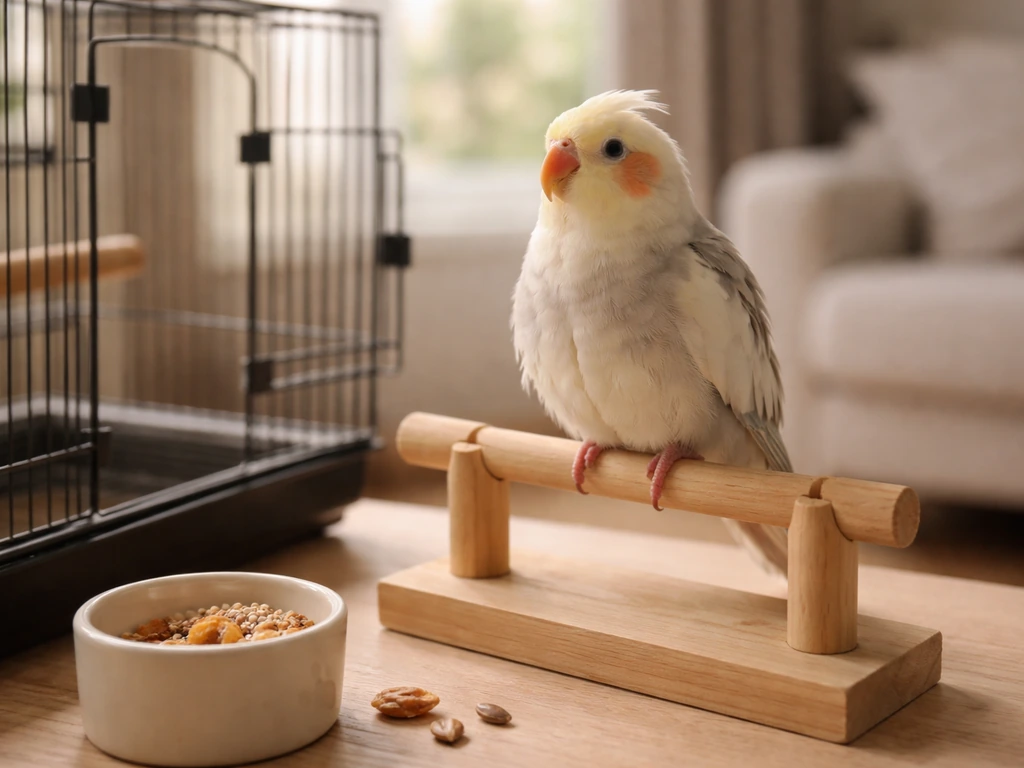
For pet birds who are deconditioned from living in too-small a cage, the practical fix is flight opportunity. If you are trying to figure out how to get bird up, focus first on confirming fitness and then providing safe, appropriate flight opportunities. Avian vets often recommend a flight cage or dedicated safe flight room as part of a fitness plan. Start short. A bird that hasn't flown in months won't have the stamina for extended sessions.
Five to ten minutes of supervised free flight in a bird-proofed room, twice a day, builds muscle without overloading a bird that's starting from a low baseline. If your goal is to free fly your bird, use the fitness, feather, and confidence checkpoints in this guide before you start supervised sessions free flight. Progress slowly and watch for open-mouth breathing or tail-bobbing after exertion, both signs the bird is working too hard.
Structural factors: wings, feathers, and overall health
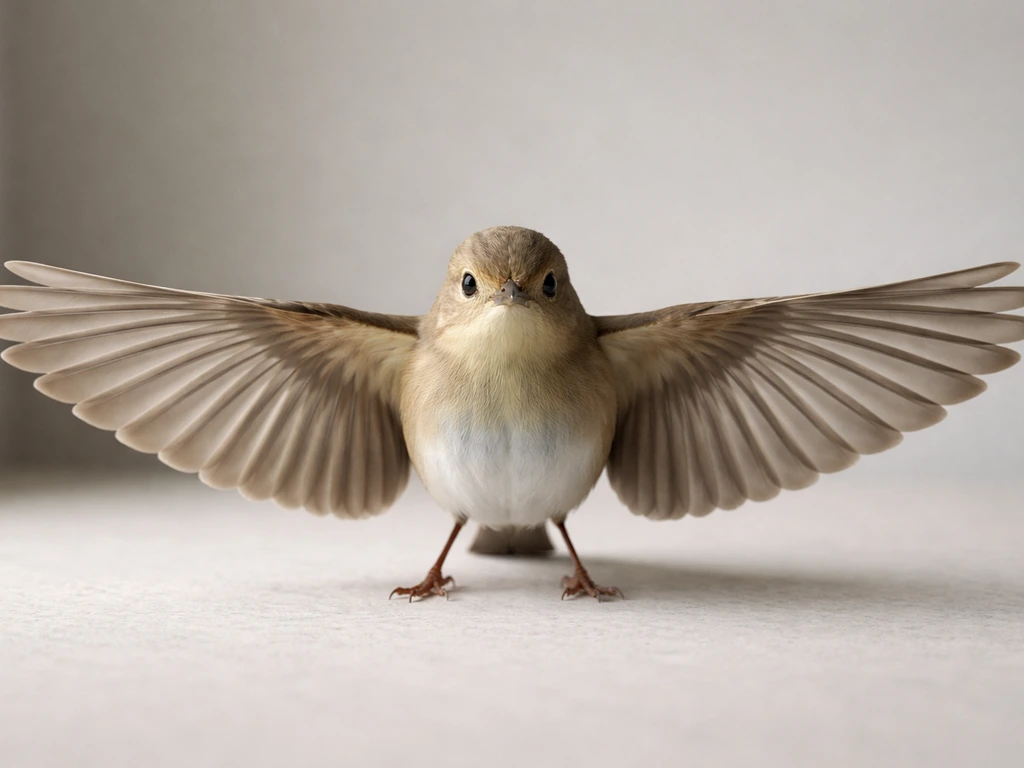
A bird's wings need to be fully extended, symmetrical, and free of injury to generate proper lift. Start by watching the bird at rest: both wings should sit evenly against the body. A drooping wing is a red flag. It can mean feather damage, soft-tissue trauma, joint injury, or a fracture, and you genuinely cannot tell which without a hands-on assessment or imaging. Don't try to straighten a dropped wing yourself. Note it, restrict the bird from flight attempts that could worsen the injury, and contact an avian vet.
Feathers are the other structural piece. Primary feathers do the heavy aerodynamic lifting, and they're also the most commonly damaged in pet birds. Improper trimming, cage trauma, self-barbering, and disease can all compromise primaries. When you check feathers, look for: broken shafts, missing primaries (check both wings, not just one), blood feathers (pin feathers with a visible blood supply inside the shaft, which appear dark and waxy), and any feathers that look abnormally shaped, clubbed, or stress-barred. Blood feathers are a medical concern, not a training problem. If a blood feather is broken and actively bleeding, that's an emergency that may need veterinary removal with appropriate pain management.
Normal molt replaces flight feathers in a predictable sequence, so a bird missing a few primaries symmetrically in mid-molt is usually fine and will regain full flight capability once the molt completes. The concern is asymmetrical feather loss, feathers that regrow abnormally, or feather loss tied to a behavioral issue like feather-destructive behavior. Skin and feather disease, infection, or self-trauma can permanently damage feather follicles if left untreated, so any feather issue that isn't clearly normal molt warrants a veterinary look.
Overall health matters too. A bird that's systemically ill, even without visible wing injury, often refuses to fly as a self-protective response. Respiratory illness is particularly important here: open-mouth breathing, increased respiratory rate, oculonasal discharge, or any facial swelling are signs of a respiratory emergency that absolutely preclude any flight training or exercise until cleared by a vet.
Building flying confidence and control through practice
Once you've confirmed the bird is physically fit and structurally sound, control and coordination are often the missing piece, especially in birds that have been clipped, were raised in a small enclosure, or are recovering from illness. Flight control is a learned skill that takes repetition in a safe environment.
Setting up a safe practice environment

- Use a bird-proofed room: cover mirrors and windows with curtains or paper, remove ceiling fans, and close all doors and vents
- Keep the space calm and quiet, especially in the first sessions, to reduce stress-triggered panic flights
- Place a familiar perch or T-stand in the center of the room so the bird has a clear, comfortable landing target
- Keep sessions short (5 to 10 minutes for beginners) and always end on a positive note before the bird shows signs of stress
Using positive reinforcement to build flight confidence
Positive reinforcement training, including clicker or marker training, is the most effective and welfare-friendly approach for building voluntary flight. The basics: pair a click or verbal marker with a high-value food reward until the bird reliably turns toward you when it hears the marker. Then introduce a target stick and reward the bird for touching it. Once targeting is solid, you can use the target to encourage short hop-flights to a nearby perch, gradually increasing the distance as the bird's confidence and coordination improve. VCA and VIN both describe this targeting method as the foundation for teaching cooperative behaviors, and flight training is no different.
For birds that are very hesitant, start with step-ups between your hand and a perch at the same height, then progress to very short flights of one to two wing-beats. Don't push past the bird's comfort zone. A bird that's refusing to fly despite appearing physically capable is often telling you it doesn't yet feel safe doing so. Build trust first, flight second.
Skill level notes
Beginner: Focus on body condition assessment, feather checks, and creating a safe flight space. Work on step-ups and short perch-to-hand hops before attempting free flight. Intermediate: Introduce clicker/target training and short supervised free-flight sessions in a controlled room. Advanced or free-flight goals: Recall training outdoors is a separate, higher-stakes skill that requires a fully reliable indoor recall first. That's covered in more depth in guides specifically about free-flying your bird.
Common issues that stop flight and what to try first
| Issue | What you see | First step at home | When to escalate |
|---|---|---|---|
| Deconditioning/weakness | Bird tries to fly but tires quickly, lands poorly, keel feels bony or thin | Gradual flight conditioning, diet review with vet | If keel is severely prominent or bird loses weight despite eating |
| Obesity | Bird is reluctant to fly, keel buried in fat, labored movement | Diet adjustment, increase flight opportunity slowly | If no improvement after 4 to 6 weeks or weight is severe |
| Clipped wings | Short or absent primaries, bird glides down rather than flying level | Wait for molt/regrowth, no DIY trimming | If regrowth is abnormal or asymmetrical after molt |
| Damaged/missing primaries | Asymmetrical feather loss, broken shafts, abnormal regrowth | Check for blood feathers, prevent further trauma | Active bleeding, broken blood feather, follicle damage suspected |
| Drooping wing | One wing hangs lower than the other at rest | Restrict flight immediately, do not manipulate wing | Always: same-day or next-day vet evaluation |
| Illness/systemic disease | Fluffed feathers, lethargy, not eating, reluctance to move | Keep bird warm and quiet, isolate from other birds | Urgent vet contact, do not attempt flight training |
| Neurological issue | Tremors, head tilt, falling off perch, asymmetric muscle mass | Prevent falls, keep bird in low, padded space | Urgent vet evaluation required |
| Stress/fear response | Bird physically capable but refuses to fly, panic flights only | Reduce environmental stressors, slow positive reinforcement training | If fear response is severe or doesn't improve with calm training over weeks |
When to call an avian vet or wildlife rehabilitator
Some situations aren't DIY problems, and recognizing them early is the most important welfare skill you can develop. For pet birds, contact an avian vet the same day if you see any of the following:
- Active bleeding from a wing, feather, beak, or foot that doesn't stop with gentle pressure within a few minutes
- A drooping or visibly deformed wing
- Open-mouth breathing, tail-bobbing at rest, or any sign of respiratory distress
- Inability to perch, grip, or stand
- Sudden onset of neurological signs: head tilt, falling, tremors, or loss of balance
- A bird that was flying normally and has abruptly stopped without any obvious cause
For wild birds, the rules are different and the stakes are higher. Most wild birds, especially migratory species, are protected under federal law in the United States. You generally cannot legally possess, house, or attempt to rehabilitate a wild bird without a permit. MBTA implementing regulations for migratory birds explain how permits are required for taking, possession, transportation, sale, and related activities under 50 CFR 21 [permits are required for migratory bird activities (taking, possession, transportation, sale)](https://federal.
elaws. us/cfr/title-50/section-21. 12). The legal path is to transport an injured wild bird to a licensed wildlife rehabilitator as quickly as possible.
In most cases, transporting a bird directly to a licensed rehabilitator is permitted, but holding the bird beyond what's needed for transport is not. Check with your state wildlife agency and the U. S. Fish and Wildlife Service for current rules in your area.
When in doubt, contact a rehabilitator by phone first: they can guide you on safe handling and transport even before you arrive.
A wildlife rehabilitation permit does not override other state or local wildlife laws, and federal permits are required for migratory birds specifically. If you're working toward becoming a licensed rehabilitator, that's a legitimate and rewarding path, but it requires formal training, permitting, and facility requirements before you can legally care for wild birds beyond immediate transport.
Your checklist for today
Here's exactly what to do right now, in order, whether you're a pet bird owner or someone who's found a bird in trouble.
- Assess body condition: feel the keel bone and check pectoral muscle mass on both sides. Note whether the bird is underweight, overweight, or asymmetrical.
- Check the wings visually: are both wings held at the same height? Any drooping, swelling, or visible deformity? If yes, stop here and contact a vet.
- Inspect the feathers: look for missing or broken primaries, blood feathers, abnormal regrowth, or signs of feather-destructive behavior.
- Watch the bird breathe at rest: any open-mouth breathing, tail-bobbing, or labored respiration? If yes, treat this as urgent and contact a vet today.
- If the bird is physically clear on all of the above: set up a safe, bird-proofed flight space and start short supervised sessions using positive reinforcement.
- If the bird is a wild bird: do not attempt rehabilitation yourself. Contact a licensed wildlife rehabilitator in your area immediately.
- If anything is unclear or the bird isn't improving after a week of safe conditioning: book an avian vet appointment rather than guessing further.
Flight is a complex skill that depends on a bird being strong enough, structurally intact, and confident enough to commit to it. If you're wondering how to make a bird easily, start by checking the bird's fitness, wing and feather health, and flight confidence in that order. If you're wondering how to a bird easy, start by checking the bird's fitness, wing and feather health, and flight confidence in that order.
If you are thinking about working with an item asylum setup, start by making sure the bird is fit, structurally sound, and calm enough for step-by-step flight confidence training item asylum how to get bird up. Once those basics are met, you can start training to improve how to get bird up safely and gradually.
If you're looking for the easiest bird to train, you still need to evaluate fitness, wing and feather health, and confidence first how to make a bird easily. Your job is to make sure all three conditions are in place before you ask a bird to fly, and to recognize quickly when one of them isn't.
If your bird keeps bolting or panicking when you try to get it moving, this guide on how to make your bird not fly away will help you apply the right fixes for confidence and control. Getting that assessment right is genuinely the most useful thing you can do today.
FAQ
If my bird can flap, does that mean it will be able to fly?
No. Those three requirements (fitness, structure, coordination) must all be present at the same time. For example, a bird with intact wings and feathers can still fail to take off if the keel muscle is weak or if breathing signs suggest an illness. If any red flag appears, pause training and address that specific category first.
How can I tell normal molt from a wing problem that will stop flight?
Feather loss during normal molt is usually symmetric and progresses on a typical timeline. Asymmetry (one side losing primaries faster), regrowth that looks malformed or never fully completes, or missing primaries plus visible feather-destructive behavior suggests something other than normal molt, and it warrants a veterinary check.
How do I know how long to let my bird try to fly each day?
Keep sessions very short and stop at the first signs of respiratory strain, such as open-mouth breathing, tail-bobbing, or rapid tiring. Also avoid “practice fatigue” for weak birds, the goal is conditioning that builds over weeks, not forcing longer flights that can worsen weakness or compromise recovery.
My bird was clipped, does it still need the same three things to fly well?
A clipped bird may look physically capable but still struggle with coordination and control because the flight pattern is different. Use step-ups and short, low-risk training first, and do not assume clipping is a safe substitute for intact structure and flight muscle conditioning.
What should I do if one wing droops when my bird is at rest?
Don’t. A drooping wing can come from fractures, joint injury, soft-tissue trauma, or nerve issues, and attempting to straighten it can increase damage. Instead, restrict flight attempts, support the bird gently, and arrange an avian vet assessment.
If one side feels weaker than the other, does that change my next steps?
Asymmetry in body condition or muscle feeling can reflect more than “just less exercise,” it can indicate an old injury or neurologic impairment on the weaker side. Record which side is weaker, and avoid increasing wing use until a vet rules out injury or nerve problems.
My bird takes off but can’t land safely, what does that usually mean?
Yes. Birds that are failing to land safely may be physically fine but still lack the learned commitment and accuracy component. Use target-based, short hop-to-perch steps to build voluntary, controlled landings rather than increasing distance or speed.
Are blood feathers something I can train around?
If you notice blood feathers that are broken, especially if bleeding is active, treat it as a medical issue, not a training issue. Keep the bird calm, minimize handling, and seek prompt avian vet care, because removal may be required with proper pain management.
Can an overweight bird still fly, and how should I adjust my expectations?
Not automatically. Overweight birds may have enough muscle to flap but still struggle with takeoff and sustained flight because extra fat can reduce effective power and endurance. Use body condition assessment to guide whether you need a fitness plan (diet and controlled flight opportunity) before expecting regular flights.
What if my bird refuses to fly but its wings look fine?
First, check for systemic illness and respiratory red flags, because illness can shut down flight as a protective behavior. If breathing or nasal discharge is present, halt exercise and contact an avian vet same day before attempting any flight or conditioning.
What makes a “safe flight space” for practice, specifically?
For indoor training, a bird-proofed room with consistent perch placement reduces collisions and helps the bird learn. Avoid high hazards, mirrors or reflective escape risks, and crowded furniture that makes landings unpredictable during early training.
My bird looks physically able but panics when I encourage flight, what should I change?
Often, it is a confidence and control problem, but you still need to verify fitness and structure first. If a bird repeatedly panics during takeoff, use shorter step-ups and one to two wing-beats only after targeting is reliable, and do not escalate session length to “wear it out.”
I found a wild bird that seems injured, can I try to make it fly again at home?
Wild birds are different. Do not attempt to rehabilitate or keep them longer than necessary for transport. The fastest route is to transport them to a licensed wildlife rehabilitator promptly, and follow local and federal rules, especially for migratory species.
Next Article
What Is the Easiest Bird to Train? Beginner Guide
Humane guide to the easiest birds to train, how to set goals, and step-by-step bonding and handling tips for beginners.