The short answer: you exercise your bird by combining safe out-of-cage time, structured movement (climbing, foraging, flight when appropriate), and short positive-reinforcement training sessions that build confidence alongside physical fitness. The key word is "build", you're not dragging a reluctant bird through a workout. You're creating conditions where movement feels rewarding, and then you gradually ask for more. This guide walks you through exactly how to do that, from the very first step-up to a full weekly routine, no matter what species you're working with.
How to Exercise Your Bird Safely With Training and Enrichment
Maya Harris
16 Apr 2026
Safety and bird readiness come first
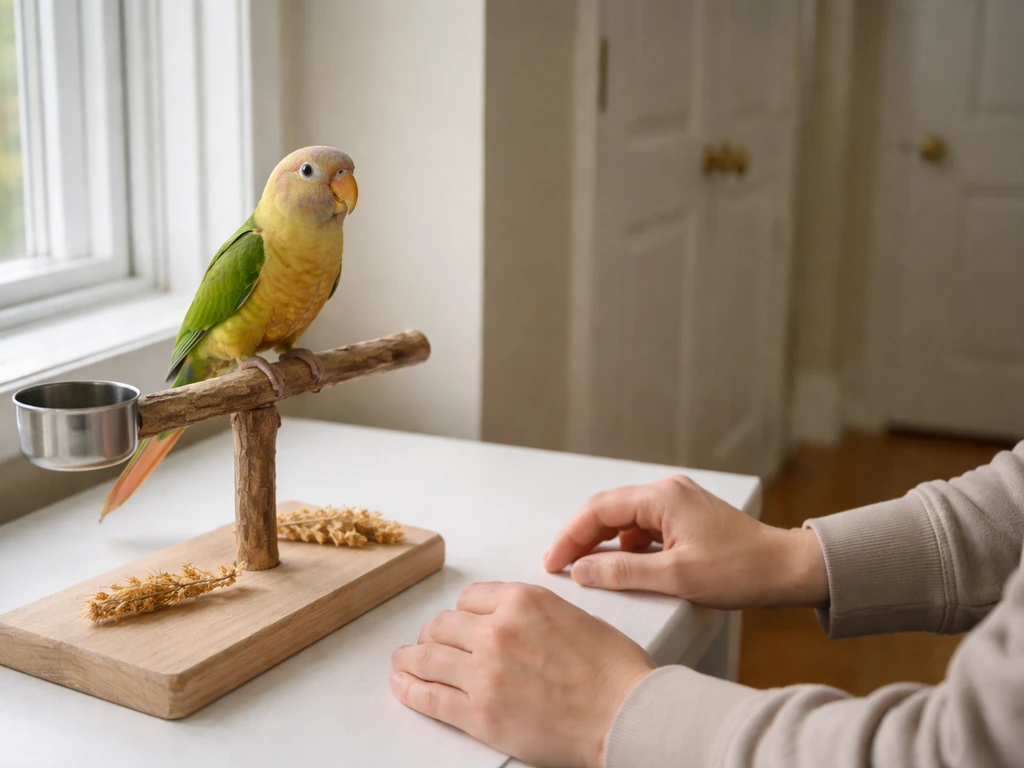
Before you introduce any exercise routine, you need to know your bird is physically ready for it. A bird that is already stressed, sick, or newly arrived in your home is not a candidate for active training yet. Look the bird over carefully every single day. Healthy birds are alert, hold their feathers tight against their body at rest, have bright eyes, eat and drink normally, and produce consistent droppings. Any deviation from that baseline is worth paying attention to before you add physical demands.
The most urgent warning signs to watch for during or after any exercise session are open-mouth breathing, tail bobbing with each breath, labored or audible breathing, frequent clicking or wheezing, and wings held away from the body with a hunched posture. These are not "tired bird" signs, they are distress and potential respiratory emergency signals that require an avian vet visit immediately, not a wait-and-see approach. Stop the session, move the bird to a calm, warm, quiet space, and call your vet.
Beyond health, check the environment before every session. Close windows and doors, turn ceiling fans off, cover mirrors and glass surfaces the bird could fly into, remove other pets from the room, and clear floor-level hazards like open water containers. For rehabilitators handling wild birds, verify that local and federal permits are current before any hands-on work, since most wild birds in most countries are protected by law and cannot be handled without authorization.
- Bird is eating, drinking, and producing normal droppings
- Eyes are bright; feathers are smooth at rest
- No open-mouth breathing, tail bobbing, or audible respiratory sounds
- Room is bird-proofed: fans off, windows closed, other pets out
- You have an avian vet's contact information ready before you start
Pick the right type of exercise for your bird
"Exercise" for birds isn't one thing. It ranges from free-flight in a room to foraging puzzles that never leave the cage. Matching the exercise type to your bird's species, living situation, and current confidence level is what makes the difference between a routine that works and one that backfires.
Free-flight and supervised out-of-cage time
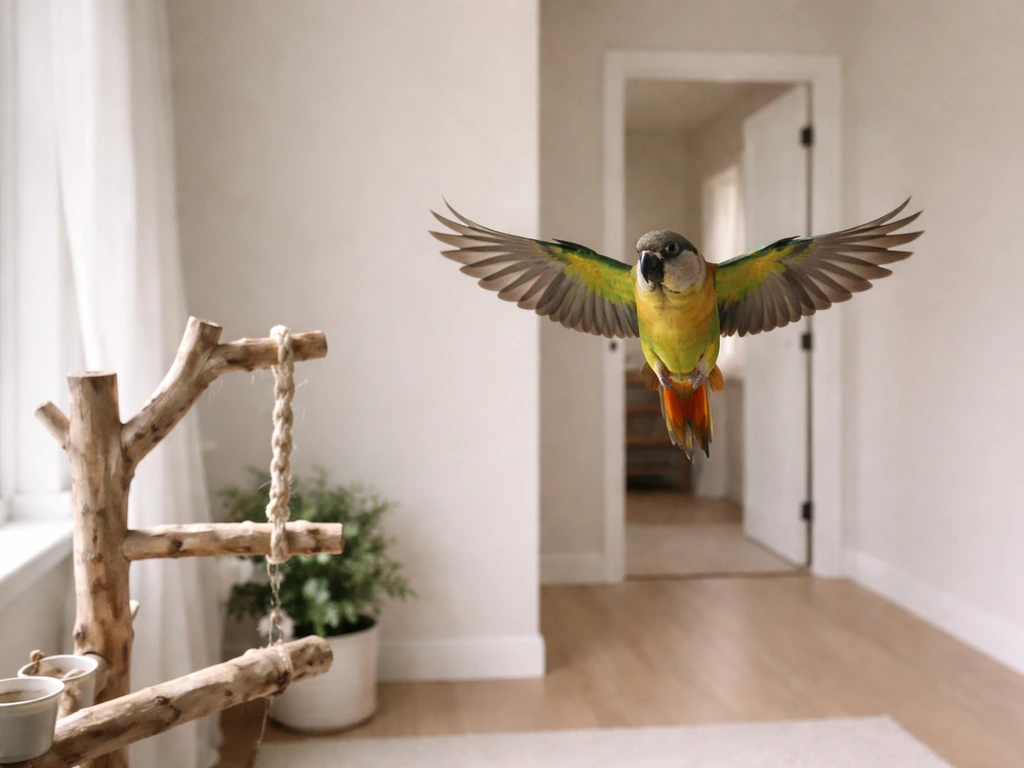
For flighted pet parrots, finches, and canaries, supervised free-flight in a safe room is the gold standard of cardiovascular exercise. Even 20 to 30 minutes of voluntary flying and perching in a larger space does more for cardiovascular health and muscle tone than almost anything else. The bird has to choose to move, which is the point. You're providing the safe space; the bird provides the effort. Start with short sessions of 10 to 15 minutes and build from there as the bird becomes comfortable with the room.
Perch-based movement and climbing
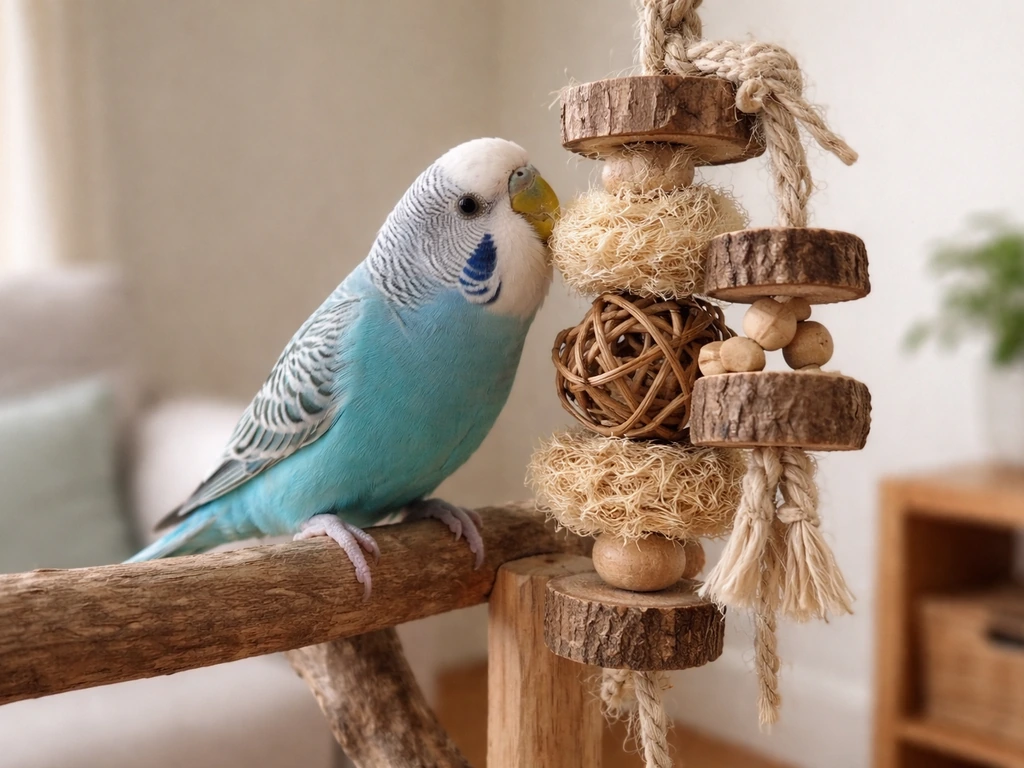
Not every bird is flighted, and not every home is safe for free-flight. Perch-based exercise is highly effective: ropes, ladders, swings, and branches at varied heights force the bird to climb, stretch, and balance, which builds leg strength and core stability. Changing perch placement regularly gives the bird a reason to explore rather than sit in one spot. If keeping activity stimulating inside the cage is your primary option, perch variety is your most powerful tool.
Foraging and enrichment-based exercise
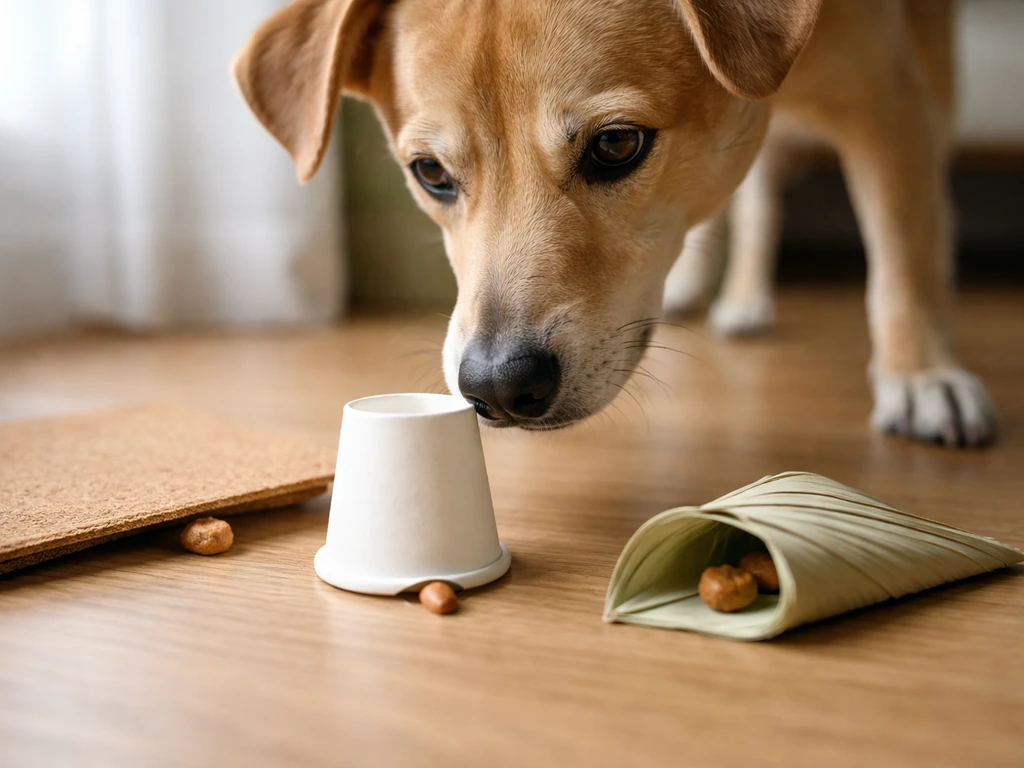
Foraging is physical and mental exercise at the same time. Instead of placing food in a bowl, hide it in paper cups, wrap it in palm leaves, tuck it under a cork mat, or place it in a foraging toy that requires manipulation to open. A bird that spends two hours working for its food is a bird that isn't bored, sedentary, or feather-destructive. This type of enrichment is especially valuable for birds with clipped wings or those in smaller cages. If you're looking to expand this area, exploring creative ways to entertain your bird will give you a deeper toolkit.
Structured training sessions
Short, positive-reinforcement training sessions, think 5 to 10 minutes, generate significant physical activity through repetition of behaviors like targeting, stepping up, flapping on cue, spinning, and recall flying. The mental effort of learning also contributes to a bird's overall wellbeing. These sessions are exercise for the brain and the body simultaneously, and they build the kind of trust that makes every other type of exercise easier.
Species-specific exercise plans
What works brilliantly for a macaw will overwhelm a zebra finch. Here's how to tailor the approach by species group.
| Species Group | Primary Exercise Type | Ideal Session Length | Key Considerations |
|---|---|---|---|
| Large parrots (macaws, cockatoos, amazons, African greys) | Free-flight, target training, climbing gyms | 20–40 min out-of-cage, 5–10 min training | High intelligence; needs mental challenge alongside physical; prone to overexcitement |
| Medium parrots (conures, caiques, cockatiels, lovebirds) | Free-flight, recall, foraging toys | 15–30 min out-of-cage, 5–8 min training | High energy; benefit from recall training; watch for overheating in small spaces |
| Small parrots and budgies | Free-flight, perch exploration, foraging | 15–20 min out-of-cage, 3–5 min training | Very fast learners; tire quickly; small body means cooling happens fast |
| Finches and canaries | Aviary-style free-flight, horizontal space | Continuous access to flight space | Do not respond well to handling-based exercise; space and social environment are the exercise |
| Raptors (falconry/rehab hawks, falcons, owls) | Weathering, creance flying, free lure work | Scaled to body weight and molt status | Requires specialist knowledge, permits, and conditioning protocols — not DIY beginner territory |
| Wild birds in rehab | Controlled flight cages, prey/foraging stimulus | Determined by rehab stage and release goal | All handling is minimized; exercise is environmental, not interactive |
Finches and canaries deserve a special note: these birds are not typically handleable pets in the same way parrots are, and attempting to exercise them through hands-on interaction causes more stress than benefit. For these species, providing a large horizontal flight cage (at least 24 inches wide, ideally much larger), with natural perches at varying heights and a companion bird of the same species, is the entire exercise program. They will fly constantly if the space allows it.
For raptors under falconry management, conditioning is a precise science involving daily weight checks, crop condition assessment, and a structured increase in flight distance over weeks. If you're working with a raptor for the first time, please work directly with an experienced falconer or certified wildlife rehabilitator before attempting any flight conditioning on your own.
The warm-up: bonding and conditioning before you ask for movement
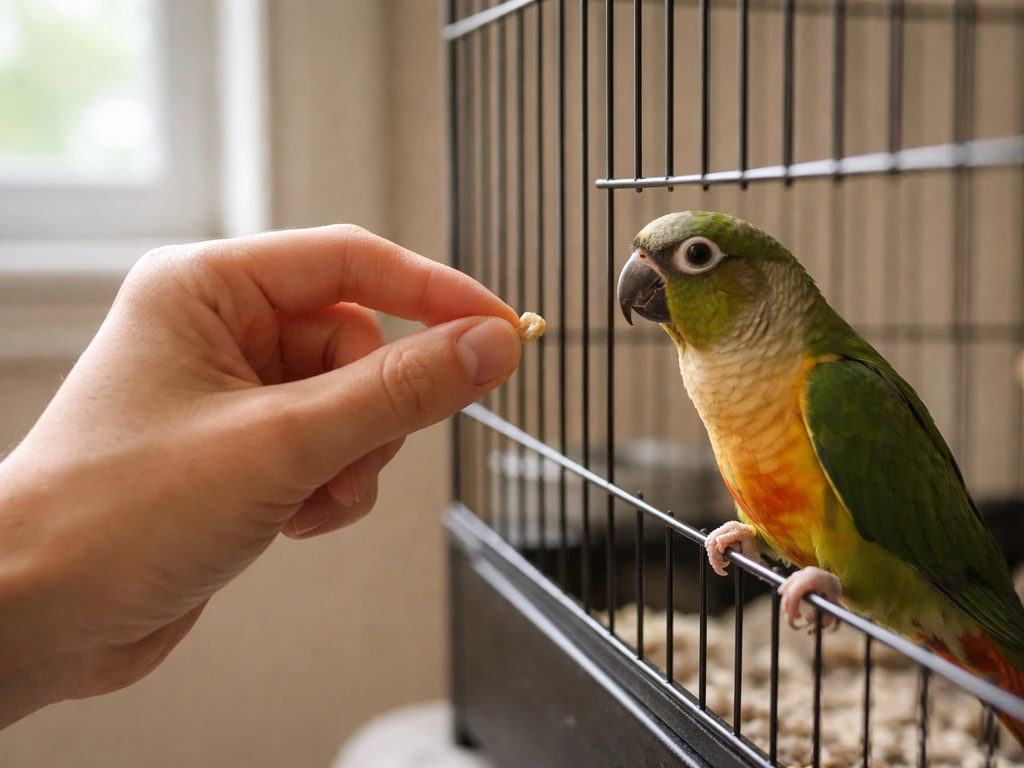
You cannot skip the relationship-building phase and jump straight to exercise. A bird that doesn't trust you will refuse to move, bite, or shut down, and none of those outcomes are useful. The warm-up isn't just the five minutes before a session; it's the weeks of foundation work that make the session possible.
Step 1: Establish calm presence
Spend time near the cage without demanding anything. Sit at the bird's level, speak softly, offer high-value treats through the cage bars, and let the bird set the pace of approach. For a fearful or recently acquired bird, this phase may take days or weeks. Rushing it costs more time in the long run than being patient.
Step 2: Introduce target training
Target training, where the bird learns to touch its beak to the tip of a stick or your finger for a treat reward, is the single most efficient foundation for all future exercise work. It teaches the bird that moving toward something on cue earns a reward, and that's the engine that drives recall flying, stepping up, and navigating obstacle courses later. Use a chopstick or a commercial target stick, present it near the bird's beak, click or say "yes" the moment contact is made, and immediately deliver a small, desirable treat. Keep early sessions to 3 to 5 repetitions, then stop while the bird is still enthusiastic.
Step 3: Introduce step-up on cue
Once target training is reliable inside the cage, introduce a simple step-up: present your finger or a perch at the bird's lower chest, say "step up" in a calm, consistent tone, and wait. Lafeber also provides an FAQ-style discussion that addresses common questions about step-up training introduce a simple step-up. RSPCA guidance also emphasizes using a positive, friendly relationship and gradual training in short sessions, and to [avoid putting pressure on a bird’s chest during step-up practice](https://www.
rspca. org. uk/adviceandwelfare/pets/birds/training) so it can breathe freely. The moment the bird shifts weight onto your hand, mark and reward.
Do not lift your finger until the bird has chosen to blank" rel="noopener noreferrer">step up voluntarily. Forced stepping creates resistance; invited stepping creates cooperation. Learning how to play with your bird through this kind of interaction deepens the bond quickly and makes the physical exercise sessions much smoother.
Step 4: Gradual desensitization to new environments
Before you release a bird into a new room for free-flight exercise, let it observe the space from a safe perch near the cage door for a few sessions first. Let it explore at its own pace rather than launching it into an unfamiliar space. The first few out-of-cage sessions may involve very little flying; that's fine. The goal is building confidence with the environment, not clocking flight minutes.
Building a routine that actually works
Consistency matters far more than intensity. A daily 20-minute session that the bird looks forward to produces much better results than an hour-long marathon twice a week. Here's how to structure a sustainable weekly routine for a typical pet parrot.
- Days 1, 3, 5: 20 to 30 minutes supervised out-of-cage time with free movement and foraging enrichment placed around the room
- Days 2, 4: 5 to 10 minutes structured training (target, step-up, recall, trick behavior) plus in-cage foraging puzzle
- Day 6: Enrichment-only day — new toys, rearranged cage furniture, foraging challenge, no handling demands
- Day 7: Full rest, normal routine, no structured activities — birds need downtime too
Progress by adding one new element at a time, not several at once. If you've been doing target training reliably, add a second perch target station and ask the bird to fly or walk between them. If recall flying between two people is going well, increase the distance by one step every three to five sessions. The rule is: if the bird is getting it right 80% of the time or more, you can raise the challenge slightly. If success drops below that, go back one step.
Overtraining is real with birds, especially smaller species. Signs of overtraining include sudden disinterest in sessions that were previously engaging, increased aggression or biting during setup, feather condition changes, and altered sleep patterns. If you notice any of these, cut session frequency in half for a week and rebuild from a lower level. Keeping your bird genuinely happy means respecting its capacity for work as much as its need for stimulation.
One underrated tool: use mealtimes as exercise. Delivering a portion of the bird's daily food through foraging opportunities during the exercise session means the bird is naturally motivated without relying solely on high-calorie treats. This is especially important for birds prone to obesity, like Amazon parrots and rose-ringed parakeets.
If your schedule means spending most of the day away from home, your exercise strategy needs to account for the hours you're not there. Keeping your bird entertained while at work is a real challenge, and foraging enrichment placed before you leave is one of the most effective solutions for bridging those gaps.
Troubleshooting the most common problems
Bird refuses to step up or move
This is almost always a trust or motivation issue, not a stubbornness issue. Go back to target training inside the cage. Make sure the reward you're offering is actually high-value for that specific bird, some birds don't care about millet but go crazy for a sliver of almond. Never push the bird's chest harder; that increases fear, not compliance. If a bird that previously stepped up reliably has stopped, check for environmental changes, illness, or a recent negative experience.
Biting during or before exercise sessions
Biting during setup almost always means the bird is saying "not now", it's overstimulated, tired, or uncomfortable. Respect that signal by ending the session calmly and trying again later. For birds with a chronic biting habit, working through aggressive behavior patterns before adding physical exercise demands will make everything safer and more effective. Never punish biting with anything physical; it destroys trust and reliably makes the behavior worse.
Fear of open spaces or movement
Some birds, especially those that have never had out-of-cage time, find open rooms genuinely frightening. Don't open the cage door and walk away. Sit in the room, place a familiar perch just outside the cage door, and let the bird decide when and if it ventures out. Scatter treats on and around the perch to create a positive association. This process can take several sessions before a fearful bird ventures even a few feet from the cage, and that's completely normal.
Bird seems bored with exercise routine
If the bird stops engaging with toys it used to love or ignores enrichment it previously attacked with enthusiasm, rotate novelty in. Birds habituate quickly. Introduce a new foraging format, rearrange the room layout, add a different texture of perch, or try a new trick behavior in training sessions. There are plenty of fun activities to try with your bird that you might not have considered yet, from puzzle feeders to shower perches to music-based movement games.
Stress signals to stop the session immediately
- Open-mouth breathing or audible breathing sounds at rest
- Tail bobbing with each breath
- Hissing, panting, or wings held away from the body
- Fanned or flared tail feathers combined with a hunched posture
- Falling off the perch or inability to grip properly
- Eyes closing involuntarily during an active session
If you see any of these, end the session immediately, place the bird in a quiet, warm space, and observe closely. If breathing doesn't normalize within a few minutes, contact your avian vet.
Measuring progress and knowing when to get help
Progress with bird exercise doesn't look like a fitness tracker graph. It looks like a bird that comes to the cage door when you walk in, a bird that steps up without hesitation, a bird that explores a new object with curiosity instead of fear, and a bird that recovers quickly from a startling event. Those behavioral shifts are your metrics. Write down notes after each session: what the bird engaged with, how long it stayed active, any stress signs, and what rewards worked best. Two weeks of notes will show you patterns you wouldn't otherwise notice.
Physical indicators of improved fitness in parrots include better muscle tone around the keel bone (the bone running down the center of the chest should be felt but not prominent), increased willingness to use climbing structures, longer voluntary flight distances, and improved feather condition from better circulation and reduced stress hormones.
There are situations where professional help is the right call, and recognizing them early saves a lot of frustration and protects the bird. See an avian vet if: the bird shows any respiratory symptoms, has lost or gained weight noticeably without a diet change, has a keel bone that feels sharp or excessively prominent, has feathers that look dull or broken across the body, or has been sedentary and unresponsive for more than a few days without an obvious environmental cause. Annual wellness exams with an avian-specialist vet are genuinely useful even for apparently healthy birds; many conditions are silent until they're advanced.
Consult a certified avian behavior consultant or experienced bird trainer if: biting is escalating despite consistent positive training, the bird is showing signs of chronic stress (feather destruction, repetitive movements, chronic screaming) that don't resolve with enrichment changes, or you've been working on recall or flight training for more than two months without meaningful progress. A good behaviorist will save you months of trial and error.
For rehabilitators: the rule is always that the goal of exercise is release-readiness, not socialization. A bird in rehab should be exercised in ways that minimize human imprinting and maximize species-appropriate behaviors. Flight cage conditioning, prey stimulus for raptors, and social housing with conspecifics for songbirds are the tools of rehab exercise, not the hands-on interaction methods that work for pet birds. If you are unsure whether a bird in your care is progressing toward releasable fitness, contact your supervising rehabilitator or a wildlife veterinarian immediately rather than improvising.
The most important thing to remember in all of this: a bird that is exercised on its own terms, with its natural behaviors respected and its trust earned, will become more active, more curious, and more engaged over time. You're not training a bird to perform for you. You're building an environment and a relationship in which movement feels like the best option available. Get that right, and the exercise takes care of itself.
FAQ
How do I know what kind of exercise is safest for my specific bird if I am not sure of its fitness level?
Start with low-risk climbing and foraging inside the cage, plus short step-up sessions. If the bird remains alert, breathes normally, and engages voluntarily for several days, you can progress to perch-to-perch movement or brief supervised out-of-cage time. Avoid jumping straight to free flight until you have clear respiratory safety signals and the bird can reliably target or step up (so you can end the session quickly if needed).
My bird’s feathers look puffed after a session, is that always a stress sign?
Not always, but it is a reason to reassess. Gentle fluffing can happen after activity, especially if the bird is settling to rest, but puffing combined with open-mouth breathing, tail bobbing, hunched posture, or reduced responsiveness is concerning. If you see any respiratory warning signs or the bird does not return to its normal baseline quickly, stop exercising and contact an avian vet.
How should I adjust exercise if my bird is molting?
During molt, many birds are more tired and more sensitive to handling. Keep sessions shorter, focus on comfort-friendly options like foraging puzzles and easy perch navigation, and reduce any demanding training repetition. If the bird shows dull feathers or is not eating normally, pause structured training until you rule out illness and confirm with your avian vet if there is any concern.
Can I use treats to motivate exercise, and what is the catch?
Yes, but keep the treats small and species-specific, and use portions of the daily diet when possible to prevent unwanted weight gain. For some birds, low-value treats (like certain seeds) do not increase motivation, so the bird may shut down or become frustrated. Also, do not rely on high-calorie treats only, instead rotate foraging formats so the bird stays engaged without overfeeding.
What if my bird will step up reliably at first but refuses after a few minutes?
Treat refusal as a cue to end while the bird is still engaged, then return to a simpler version later (for example, fewer targets or a shorter step-up). It often indicates fatigue, overstimulation, or that the environment has become distracting. Going back one step immediately, especially to target training inside the cage, prevents you from accidentally training avoidance.
How do I prevent exercise from turning into chasing, especially during recall or open-room time?
Use invited movement, not pursuit. Set up the room with a familiar perch near the cage, reward voluntarily chosen steps or flights, and keep the release period brief at the start. If your bird ignores cues, increase distance only when success is around 80% or higher, otherwise you are rehearsing avoidance rather than recall.
Is it okay to exercise my bird in the same room every day?
It is okay to repeat a baseline routine, but habituation is real. Rotate one variable at a time, like moving target stations to new locations or changing the foraging hide format, so the bird stays curious. Also, keep the safety setup consistent (mirrors covered, fans off, hazards removed), because changing the environment too dramatically can increase fear and reduce voluntary participation.
What is a practical weekly routine if my bird only tolerates short sessions?
Aim for frequent, brief sessions rather than long blocks. For example, multiple 5 to 10 minute training or foraging sessions spread through the day can be more effective than one long session. Progress challenge gradually, add only one new element when the bird is succeeding at least 80% of the time, and cut frequency immediately if overtraining signs appear.
How can I exercise my bird if I am away from home most of the day?
Place foraging enrichment before you leave so the bird starts moving when you are not there, and ensure the enrichment is safe for the species (secure attachments, no loose parts it can swallow, no open water). Consider rotating puzzle types so novelty remains. When you return, use a short trust and movement session (target or step-up, then brief perch navigation) to reconnect before attempting anything more demanding.
Are shower perches, music games, or other activities safe for all birds?
They are not universally safe. A shower perch can be stressful or risky for birds that panic about water or slip hazards, and music-based games can overstimulate some parrots. Introduce new activity one at a time, watch for distress signals, and stop if the bird escalates in aggression or shows breathing changes. If you try a new activity, keep the first session short so you can reliably end on a positive note.
What should I document so I can spot progress or problems early?
Track session length, what the bird chose to do (foraging, climbing, voluntary flight, training reps), how often it took a reward, and any stress or respiratory signs. Also note sleep changes and appetite consistency. After about two weeks, patterns in motivation and tolerance help you adjust challenge level and detect early red flags.
When is it time to stop exercising and call an avian vet right away?
Stop immediately if you see open-mouth breathing, labored or audible breathing, tail bobbing with each breath, wheezing or clicking, or a hunched posture with wings held away from the body. If breathing does not normalize quickly after moving the bird to a calm, warm, quiet space, contact an avian vet without waiting.
Do I need a professional trainer if progress stalls, or can I fix it at home?
You can often fix minor stalls by going back to target training, reducing difficulty, and checking for reward quality and environment changes. If you have worked on recall or flight training for more than two months without meaningful improvement, or biting and stress are escalating despite consistent positive methods, it is time to consult a certified avian behavior consultant or experienced trainer to avoid reinforcing fear or avoidance.
Next Articles
How to Make a Bird Happy: Daily Steps and Vet-Ready Signs
Step-by-step checklist to reduce stress, meet species needs, spot illness signs, and train trust for a happy bird
How to Play With a Bird: Humane Games and Steps
Humane, step-by-step games to play with a pet or rehab bird, using body language cues, safe handling, and enrichment.
How to Teach a Bird to Fetch Step by Step Guide
Humane, step-by-step training to teach your bird to fetch safely, with targets, rewards, troubleshooting, and gradual re