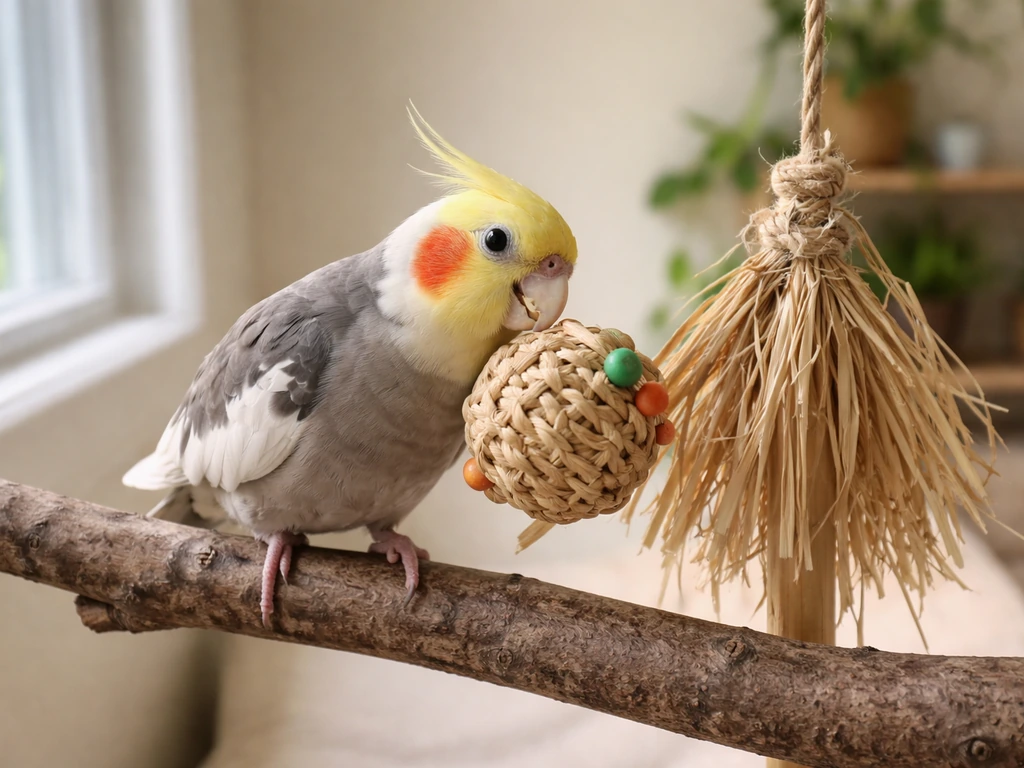
A happy bird is not one that just tolerates its life. It's one that actively engages with its environment, eats well, preens regularly, sleeps soundly, and interacts with you or its flock without constant fear. The good news: most of what makes a bird happy is within your direct control, and you can start improving things today. This guide walks you through every layer of bird welfare, from reading body language to enrichment to building genuine trust through training.
How to Make a Bird Happy: Daily Steps and Vet-Ready Signs
Maya Harris
7 Apr 2026
What a happy bird actually looks like
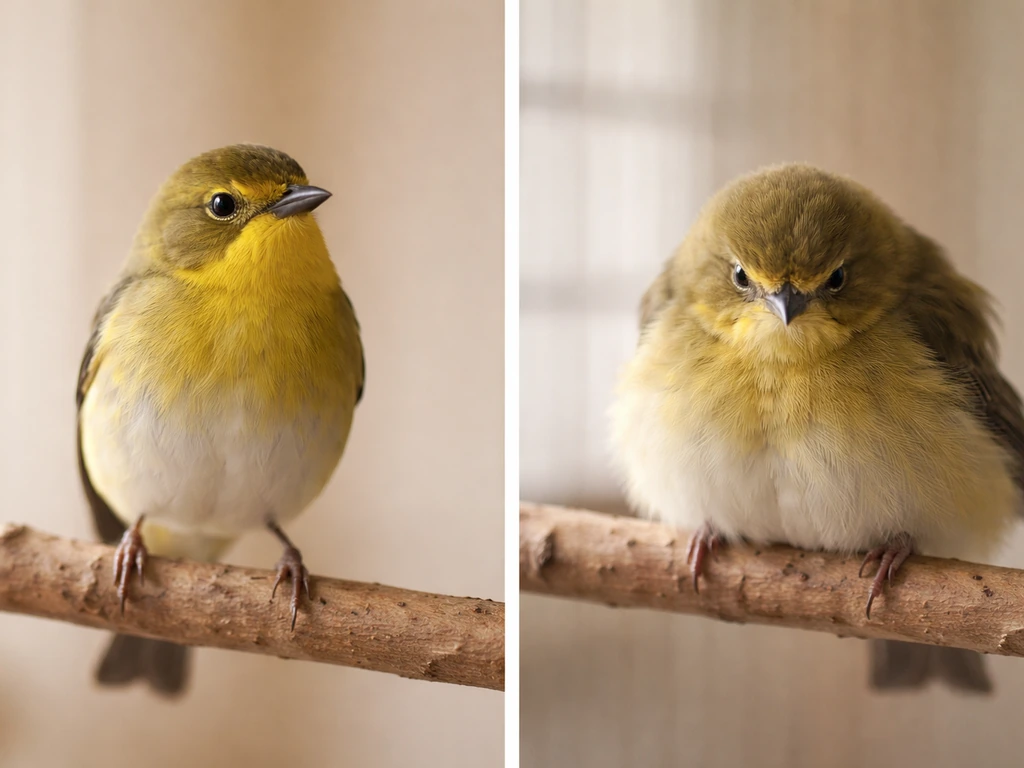
Before you change anything, you need to know what you're aiming for. Happy birds show a specific set of behavioral patterns that are easy to spot once you know what to look for. A content bird holds an upright, relaxed posture most of the time. It vocalizes at normal levels for its species, shows curiosity about new objects or sounds, preens itself and sometimes its cage mates, and eats consistently throughout the day. You'll also notice normal droppings: well-formed feces, white or cream-colored urates, and clear liquid urine. Any change in the ratio, color, or consistency of those droppings is worth tracking closely.
On the flip side, early warning signs of stress or illness overlap heavily. A bird hiding at the bottom of the cage, puffed up with eyes half closed during the day, going quiet when it's normally vocal, or losing interest in food is telling you something is wrong. Because birds instinctively hide illness until it's advanced, behavioral changes are often your first real signal. Pay attention to personality shifts too: a bird that suddenly bites when it's normally tame, or freezes and flattens in fear, may be in pain or sick rather than just grumpy.
| Behavior | What it usually means |
|---|---|
| Relaxed feathers, upright posture | Comfortable and content |
| Chattering, singing, mimicking | Engaged and stimulated |
| Regular preening, beak grinding at bedtime | Calm and well-adjusted |
| Exploring toys, foraging actively | Mentally stimulated |
| Puffed up and lethargic during the day | Possible illness or extreme stress — vet check needed |
| Screaming excessively or repetitively | Under-stimulated, attention-seeking, or anxious |
| Feather plucking or chewing | Medical or behavioral issue — needs investigation |
| Droppings that change color, consistency, or frequency | Possible illness — contact an avian vet |
Your daily and weekly welfare checklist
This is your baseline. Get these fundamentals right first, because no amount of training or enrichment will compensate for poor husbandry. Run through this every day.
Food and water
Fresh water should be available at all times, and the water dish needs to be washed daily with soap and hot water to prevent bacterial and fungal buildup that can cause gastrointestinal and respiratory problems. For food, most companion birds do well on a base of high-quality pellets supplemented with fresh vegetables, limited fruit, and species-appropriate seeds or nuts as training treats rather than dietary staples. Watch for appetite changes daily. If a bird that normally empties its dish is leaving food untouched, take note and monitor closely.
Sleep and light schedule
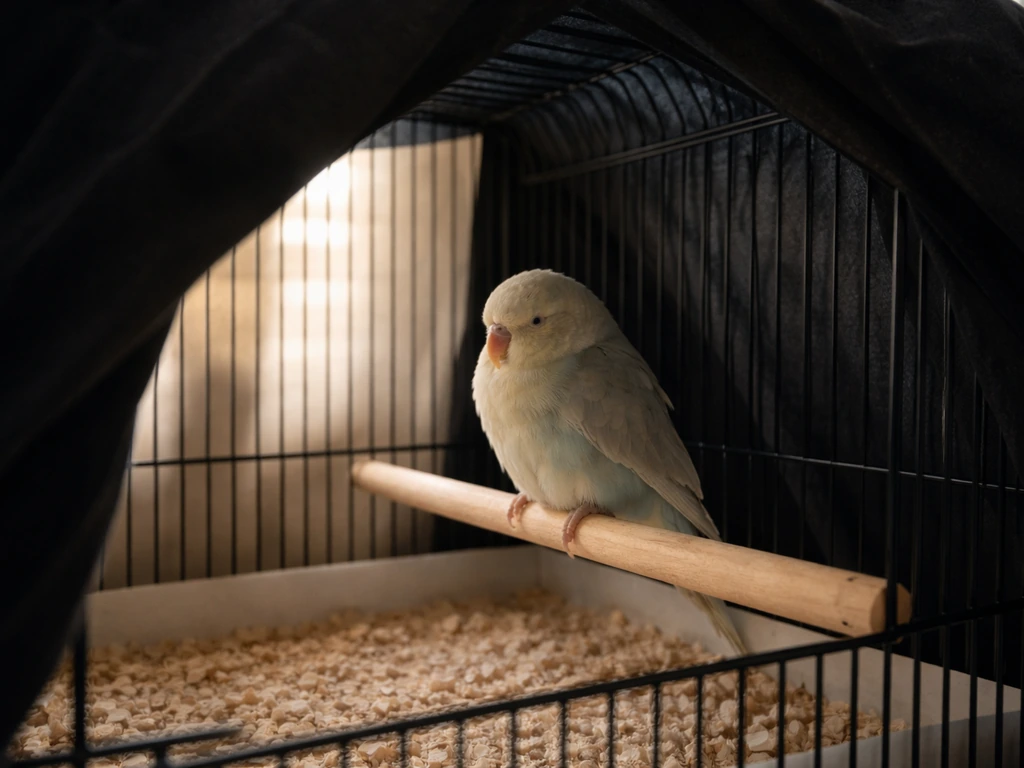
Most pet birds need 10 to 12 hours of quiet, dark, uninterrupted sleep. Sleep deprivation is a genuine welfare issue and a known contributor to behavioral problems like screaming, biting, and feather plucking. Use a cage cover or move the bird to a quiet room at night. That said, the exact number of hours isn't always the same for every species. A cockatiel living on the equator and a parrot from a temperate region have different natural light patterns. Talk to an avian vet about what's right for your specific bird, especially if it's showing excessive reproductive behavior, which may require adjusting the light schedule.
Housing safety and hygiene
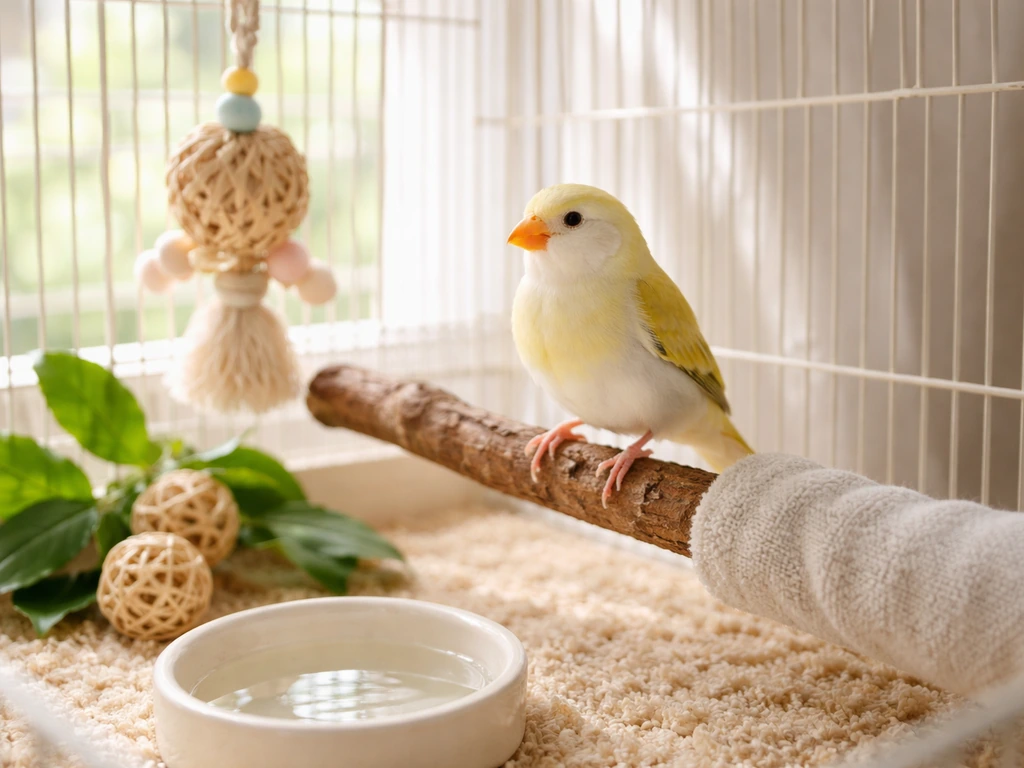
The cage needs to be cleaned regularly, with perches scrubbed and liners replaced. Bar spacing must match the bird's size to prevent head entrapment or escape. Perches should vary in diameter, shape, and texture to support healthy feet and prevent pressure sores. Avoid sandpaper perch covers, which abrade feet without any real benefit. Small birds like canaries and finches benefit from having a partially sheltered corner or hiding spot in their cage so they can feel secure. Larger parrots often benefit from a freestanding perch outside the cage for out-of-cage time.
Household hazards to remove now
Birds are acutely sensitive to airborne toxins. blank" rel="noopener noreferrer">Overheated nonstick cookware releases PTFE (Teflon) fumes that can be fatal to birds within minutes of exposure, and any bird showing respiratory distress after kitchen fume exposure needs immediate veterinary attention. Other hazards include scented candles, aerosol sprays, cigarette smoke, and fumes from cleaning products. Cornell University College of Veterinary Medicine has reported that exposure to PTFE (Teflon) fumes can cause sudden death in ducks blank" rel="noopener noreferrer">fumes from cleaning products. Bird-proof the room before any free-flight time: cover mirrors, remove ceiling fans from rotation, and check for open toilets, hot liquids, and other birds or pets that could cause injury.
- Fresh water every day, dish washed daily with soap and hot water
- Age-appropriate pellet-based diet with daily fresh vegetables
- 10 to 12 hours of dark, quiet, uninterrupted sleep (confirm with your vet for your species)
- Perch variety: different diameters, textures, and materials
- No nonstick cookware in the kitchen while the bird is in the home, or at minimum in the same airspace
- Cage cleaned at least weekly, liners replaced daily or every other day
- Out-of-cage supervised time daily where safe and appropriate
Enrichment and training: the core of mental wellbeing
Meeting physical needs keeps a bird alive. Enrichment and training are what make life worth living for them. Birds are intelligent, social animals that evolved to spend hours each day foraging, flying, problem-solving, and interacting with flock members. In a cage, all of that gets cut short unless you actively replace it.
Foraging: the most underused welfare tool
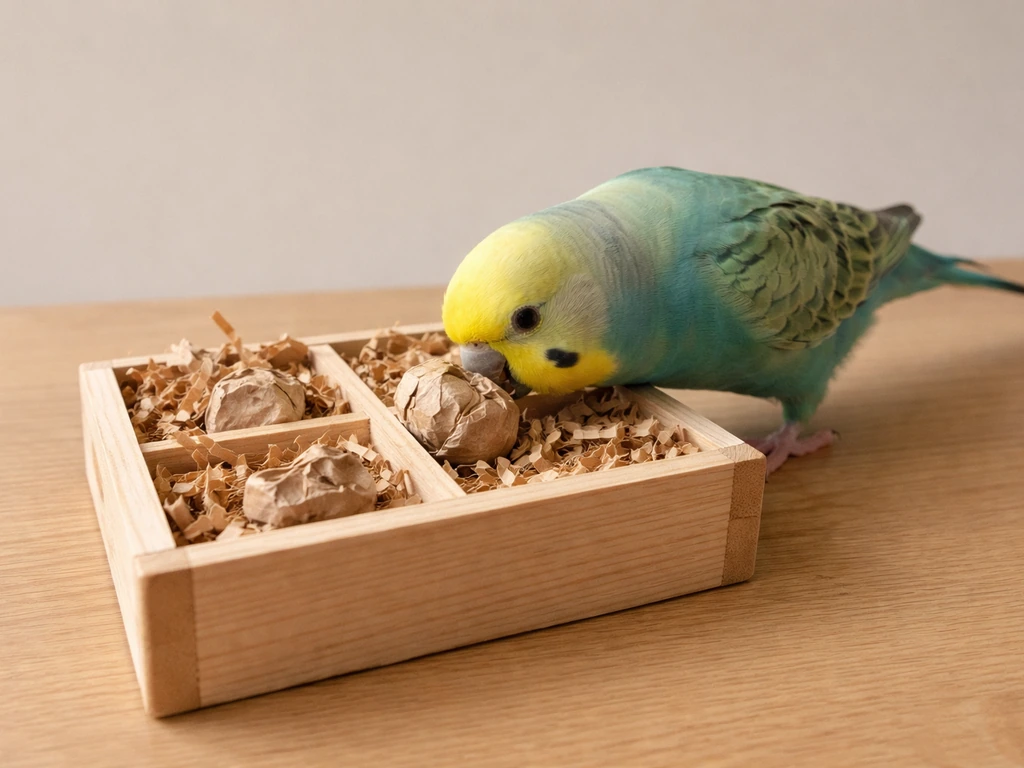
One of the highest-impact changes you can make is turning feeding time into foraging time. Instead of placing food in an open dish, hide it inside foraging toys, wrap it in paper, thread it onto skewers, or place it in puzzle boxes the bird has to solve. This mirrors what birds do in the wild, where foraging can occupy the majority of their waking hours. Foraging keeps birds active, mentally engaged, and less likely to develop frustration-based behaviors. Start simple (food lightly covered with paper) and gradually increase difficulty as the bird gets more confident.
If you want ideas beyond foraging toys, there are many fun things to do with your bird that serve double duty as enrichment and bonding time, from teaching simple tricks to supervised exploration of bird-safe objects around your home.
Positive reinforcement training
Training is not just for teaching tricks. It's one of the most effective welfare tools available because it gives the bird agency, builds trust, and reduces stress around handling and veterinary procedures. Research on macaws showed that just two 10-minute positive reinforcement sessions per day over eight weeks led to voluntary participation in vet procedures and measurable reductions in capture-related stress. That's a significant welfare gain from a small time investment.
Start with target training: teach the bird to touch a small stick or target with its beak. Pair a clicker or marker word with a food reward the moment the bird touches the target. Keep sessions short (5 to 10 minutes), end on a success, and always let the bird opt out. If it turns away or moves to the back of the cage, the session is over for now. Forced interaction erodes trust faster than almost anything else. Learning how to play with a bird using these same low-pressure principles makes the whole process feel more natural for both of you.
Physical exercise
Birds need to move. Wing flapping, climbing, and flying (where safe) are all important for cardiovascular health and mental wellbeing. If you're not sure how to structure active time outside the cage, reading up on how to exercise your bird will give you a practical framework for flight recalls, ladder climbing drills, and other structured movement activities that fit your bird's species and ability level.
Species-specific considerations
The basics above apply broadly, but how you deliver enrichment and social time matters a lot by species. Here's a practical breakdown.
| Species Group | Social Needs | Enrichment Focus | Key Welfare Notes |
|---|---|---|---|
| Budgerigars (budgies) | High — do best in pairs or small groups | Foraging, mirrors (with caution), swings, shreddable toys | Prone to obesity on all-seed diets; need pellet transition |
| Cockatiels | Moderate-high — bond closely with owners | Foraging, music, target training, gentle head scratches | Sensitive to sleep deprivation; cover cage at consistent time nightly |
| African Greys | High — need complex daily interaction | Advanced puzzle feeders, training sessions, varied foraging | Easily stressed by change; introduce new things gradually |
| Amazon Parrots | High — vocal and social | Foraging, flight time, singing/whistling interaction | Prone to seasonal hormonal aggression; structured routine helps |
| Macaws | Very high — need significant out-of-cage time | Large foraging toys, training, chewing opportunities (safe wood) | Need large cages and regular wing exercise; freestanding perch essential |
| Conures | High — flock-oriented and loud | Shreddable toys, foraging, trick training | Screaming often signals boredom; consistent daily schedule helps |
| Canaries and Finches | Moderate — often do well in pairs | Bathing dish, varied perches, nesting material (finches) | Prefer watching to being handled; respect that; provide hiding spots in cage |
| Lovebirds | Very high — bond intensely with mates or owners | Foraging, shredding, paper nesting material | Can become aggressive if not well-socialized; early positive handling important |
For birds that are more fearful, wild-caught, or being rehabilitated, the same welfare principles apply but the timeline and approach change significantly. A recently wild or traumatized bird should not be pressured into handling. Enrichment and food delivery can begin from a distance, allowing the bird to associate your presence with good things before any physical interaction is attempted. Legal note: in most countries including the US, possession of wild native birds without proper permits is illegal under laws like the Migratory Bird Treaty Act. If you're working with an injured or orphaned wild bird, contact a licensed wildlife rehabilitator as soon as possible rather than attempting to care for it at home.
Building trust through social time and handling
For many hand-reared pet birds, you are the flock. That means your daily presence, voice, and calm body language matter more than any toy you could buy. Spend time near the cage doing ordinary things: reading, working, talking quietly. Let the bird observe you without any pressure to interact. When it starts moving toward you, vocalizing positively, or leaning toward the cage bars, it's inviting interaction. That's the moment to offer your hand, a treat, or a training cue.
The key rule for all physical handling: never force it. Wrapping a bird in a towel or cornering it to pick it up might get the bird onto your hand, but it costs you weeks of trust-building in a single session. Instead, offer step-up cues with a treat, let the bird choose to come out of the cage, and end all interactions before the bird shows stress signals (tail fanning, pinned eyes, leaning away, biting warnings like a raised foot or open beak).
If you're struggling with a bird that's defensive about being touched or approached, there are specific techniques for how to make a mean bird nice that use systematic desensitization and reinforcement-based methods to rebuild trust without confrontation. It takes time but it genuinely works.
Bathing is another underrated bonding opportunity. Most birds enjoy or at minimum tolerate a light misting or a shallow dish for splashing. Offer bathing two to three times a week in the morning so feathers dry fully before the cooler night temperatures. Let the bird choose to enter the bath rather than soaking it against its will.
Keeping your bird engaged when you're not home
You can't be with your bird every hour of the day, and that's fine as long as you've set up the environment thoughtfully. A bird left alone for eight hours with nothing to do in a bare cage is going to develop problems. Set up foraging stations before you leave, rotate toys so the cage always has something novel, and consider leaving a radio or TV on low volume for ambient sound. For more structured approaches, there's solid guidance on how to keep your bird entertained while at work that covers pre-departure routines and passive enrichment setups that don't require your presence.
If your bird spends most of its time in the cage, it's worth exploring strategies for how to play with a bird in a cage so that even cage-based interactions are stimulating rather than passive. And if you want a broader menu of enrichment activities, a good resource on how to entertain a bird will expand your toolkit beyond the basics.
Troubleshooting common 'unhappy' behaviors
Some behaviors get labeled as sadness, boredom, or bad personality when they're actually signals of a specific unmet need, or in some cases, a medical problem. Here's how to think through the most common ones.
Excessive screaming
Contact calling (loud vocalizing when you leave the room) is normal for flock birds. Persistent, escalating screaming throughout the day usually means the bird is under-stimulated, sleep-deprived, or has learned that screaming brings you running. The fix: increase enrichment and foraging, establish a more consistent sleep schedule, and avoid reinforcing screaming by returning only when the bird is quiet. If screaming starts abruptly in a bird that was previously quiet, rule out a medical cause first.
Biting
Biting is almost always a communication failure. The bird gave body language signals that were missed or ignored, and biting was the last resort. Start paying attention to the subtle pre-bite signals: a slight lean away, feathers sleeked tight, foot raised, beak slightly open. When you see those, back off immediately. An abrupt change from a normally tame bird to biting can also signal pain or illness, so if it comes on suddenly, a vet check is warranted before any behavioral intervention.
Feather plucking or destructive feather behavior
This is one of the most distressing behaviors for owners to witness, and it has both medical and behavioral causes. On the medical side: infections, skin conditions, nutritional deficiencies, internal pain, and systemic illness can all drive feather destruction. On the behavioral side: chronic boredom, sleep deprivation, sexual frustration, and social isolation are the main drivers. The rule here is clear: rule out medical causes first with an avian vet before assuming it's behavioral. A vet will take a full diet and husbandry history and run diagnostics to work through the differential. Do not assume feather plucking is just a bad habit and try to fix it with toys alone.
Lethargy or puffed-up posture during the day
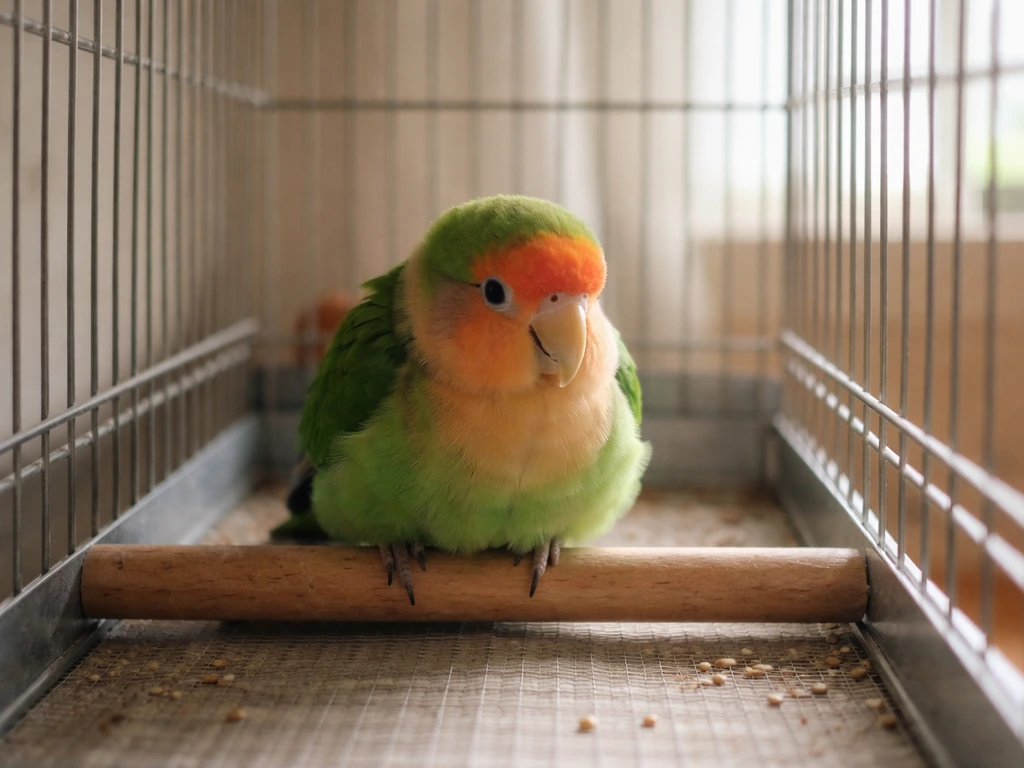
A bird sitting puffed up on the bottom of the cage or showing sustained lethargy during daylight hours is sick until proven otherwise. Birds hide illness instinctively, so by the time these signs are visible, the bird may already be significantly unwell. This is not a wait-and-see situation. Contact an avian veterinarian the same day.
Pacing, repetitive movements, or self-injurious behavior
Stereotypic behaviors like pacing along a perch, repetitive head bobbing outside of normal species behavior, or toe-tapping can indicate chronic stress or an insufficiently stimulating environment. These behaviors often develop when a bird has spent long periods with inadequate enrichment or social interaction. Addressing them requires a systematic increase in enrichment, out-of-cage time, and positive-reinforcement interaction, ideally with guidance from an avian vet or certified parrot behavior consultant.
When to stop troubleshooting at home and call a professional
There are situations where enrichment, better sleep, and more foraging time are not the answer, and pushing forward without professional guidance can delay treatment and harm the bird. Get in touch with an avian veterinarian if you notice any of the following:
- Droppings that change color (green, black, red, or yellow tones outside the bird's normal range), consistency, or frequency for more than 24 hours
- Sudden loss of appetite or complete refusal to eat
- Labored breathing, tail bobbing with each breath, or open-mouth breathing
- Exposure to PTFE/nonstick fumes — this is an emergency requiring immediate veterinary care
- Feather plucking that is new, worsening, or causing open wounds
- Abrupt personality change: sudden biting, fear response, or extreme withdrawal in a previously tame bird
- Inability to produce feces or urates
- Weight loss (keep a kitchen scale and weigh birds regularly so you catch this early)
- Any bird found injured or in distress that is wild — contact a licensed wildlife rehabilitator
Finding an avian vet before you need one urgently is a smart move. The Association of Avian Veterinarians maintains a find-a-vet directory that can help you locate a qualified avian specialist in your area. General practice vets often lack avian-specific training, so having a specialist's contact saved matters when things go wrong quickly.
For wild or rehabilitating birds, the legal and welfare bar for intervention is higher. Most wild bird species are protected under federal law in the US, and providing care without proper permits puts you at legal risk and may harm the bird if done incorrectly. Connect with your local wildlife rehabilitation center, the National Wildlife Rehabilitators Association, or state wildlife agencies for guidance on what you can and cannot do legally.
Where to start today
If you've read this far and feel a little overwhelmed, narrow it down to three things you can do in the next hour. First, check the water dish and food: is it fresh, clean, and species-appropriate? Second, look at your bird right now. Upright posture, alert eyes, normal droppings? Good. Anything off? Write it down and monitor closely. Third, set a consistent lights-out time for tonight and stick to it. Those three actions alone address the most common welfare gaps in pet bird care.
From there, add one enrichment element per week: a foraging toy, a new food to try, a short target training session. Small consistent improvements compound quickly. Within a few weeks of following this framework, most birds show measurable positive change: more vocalization, more active foraging, more relaxed body language around their owner. That's what a happy bird looks like, and it's entirely achievable.
FAQ
How long should I wait to see improvements in a bird before I assume something is wrong?
Use behavior plus droppings to decide urgency. If you see a consistent change in posture, appetite, and droppings (runny urine, pale or chalky urates, watery feces, or repeated refusal to eat), treat it as a welfare issue rather than “transition stress,” and contact an avian vet the same day. One odd droppings day can happen, but a pattern over 24 to 48 hours is a clearer flag.
What’s the safest way to change my bird’s diet when I’m trying to make them happier?
For many species, new food should be introduced slowly because abrupt diet shifts can worsen GI issues and increase stress. Offer the new item in tiny portions daily, keep the base diet steady (especially pellets), and stop any new item if appetite drops or droppings change. If your bird has kidney concerns or is on a specialized diet, ask an avian vet before adding seeds, nuts, or higher-sugar fruits.
Can I train and bond with a bird that seems afraid of me?
Yes, but do it to avoid reinforcing fear. Put treats at a comfortable distance first, then gradually close the gap, pairing your approach with something positive. If the bird leans away, flattens, or escalates vocalizing, you went too fast, back up one step, and end the session before a bite attempt. This is also safer for birds that may be in pain, since sudden handling can worsen them.
How do I know whether my bird actually likes bathing, and what if they hate it?
Bathing is usually a choice, not a requirement. Many birds prefer warm misting or a shallow dish, and some never want a full soak. Offer bath options in the morning, use room-temperature water, and watch for chilling behavior afterward (ruffling that lasts, sitting fluffed, or shivering). If your bird has any respiratory issues, ask a vet before encouraging baths.
What are common mistakes that make target training backfire?
Target training is great, but it can accidentally become “chasing” if you move too close or extend sessions after the bird is signaling stress. Keep the cue small, present it calmly, reward quickly, and stop while the bird is still engaged. If the bird stops touching the target, increase distance or shorten the session rather than repeating louder or longer.
How often should I clean the cage and accessories to support bird happiness?
Spot-cleaning is fine, but daily cleaning depends on what’s in the cage. Replace liners frequently (often daily if droppings are heavy), rinse and scrub food and water areas daily, and deep-clean on a schedule (for many homes, weekly) to prevent biofilm buildup. If you use perch covers, sandpaper is not a safe substitute, and damp or dirty perches can contribute to skin and respiratory problems.
My bird seems fine after kitchen fumes or sprays, should I still be worried?
Airborne hazards can cause delayed breathing distress, even when a bird seems okay at first. If your bird had any exposure to cooking fumes, aerosols, smoke, or strong cleaners, move them to fresh air immediately, remove the source, and contact an avian vet right away if you notice coughing, open-mouth breathing, tail bobbing, or unusual lethargy.
How should I adjust lighting if my bird shows excessive reproductive behavior?
For birds that are prone to sexual behavior, light schedule adjustments should be done carefully, not suddenly. Because “too much light” can intensify reproductive drive, discuss the appropriate photoperiod for your species with an avian vet before changing timers. Also remove easy nesting cues (covered hideouts, plush nesting materials) if the behavior is escalating, while keeping sleep consistent.
What should I do if my bird stops eating or won’t eat when I’m around?
If a bird avoids food and also shows quietness, puffing, or hiding, treat that as a medical or welfare red flag rather than a training issue. If the behavior is strictly related to you (only refusing when you approach), check handling for fear cues, reduce pressure, and offer food through foraging or at a consistent time. A vet check is still warranted if appetite is reduced for more than a day or droppings change.
Is leaving the TV or radio on while I’m at work actually helpful, or can it make my bird worse?
Radio or TV can help some birds with background noise, but avoid anything loud or unpredictable, and keep the volume low enough that your bird would still hear you if needed. Also maintain normal daytime routines, because constant stimulation can reduce natural rest. If your bird becomes more irritable or screams more with background noise, switch to a calmer sound option or increase quiet sleep windows.
How can I tell whether biting is behavioral or a sign of pain?
Biting is not just “bad behavior,” and it can be pain-related even in birds that were previously gentle. Before changing training tactics, rule out acute issues (injury, overgrown nails, pain from perch issues, illness). If biting appears suddenly, happens with certain movements or locations, or comes with changes in posture and droppings, prioritize an avian vet visit over behavior work.
My bird screams a lot, how do I reduce it without accidentally rewarding the screaming?
Often, it’s a schedule and setup problem. Ensure 10 to 12 hours of uninterrupted dark time for most species, remove night-lighting, and keep the cage in a low-traffic area. For daytime behavior, increase foraging opportunities before you increase training, and rotate toys to prevent novelty fatigue. If screaming ramps up abruptly, also consider medical causes, since “quiet birds” going vocal can be illness-related.
Next Article
How to Play With a Bird: Humane Games and Steps
Humane, step-by-step games to play with a pet or rehab bird, using body language cues, safe handling, and enrichment.