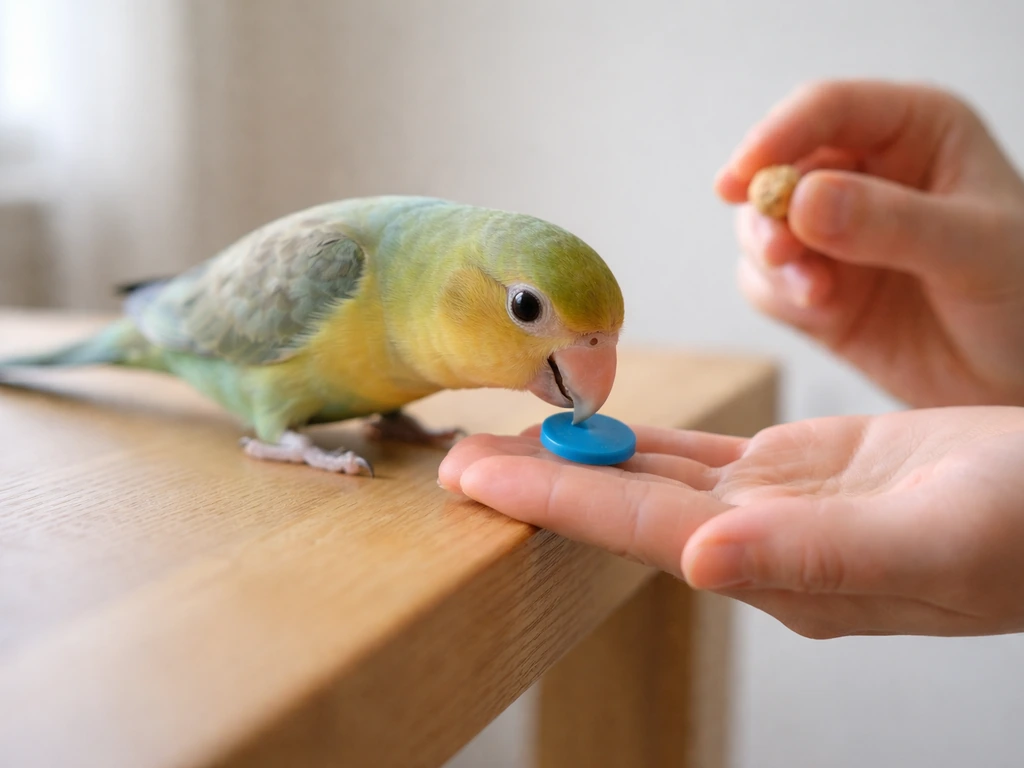
Yes, you can train a bird to poop in more predictable spots and reduce the mess significantly, but you can't train a bird to stop pooping altogether. That's the honest answer. What's actually possible is teaching your bird to eliminate on cue or in a preferred location, so that instead of random droppings all over your couch and shoulder, most of the mess lands where you can handle it. Think of it as mess management, not full bathroom control, and you'll set yourself up for real success.
Can You Train a Bird Not to Poop Everywhere? How To

Maya Harris
20 Apr 2026
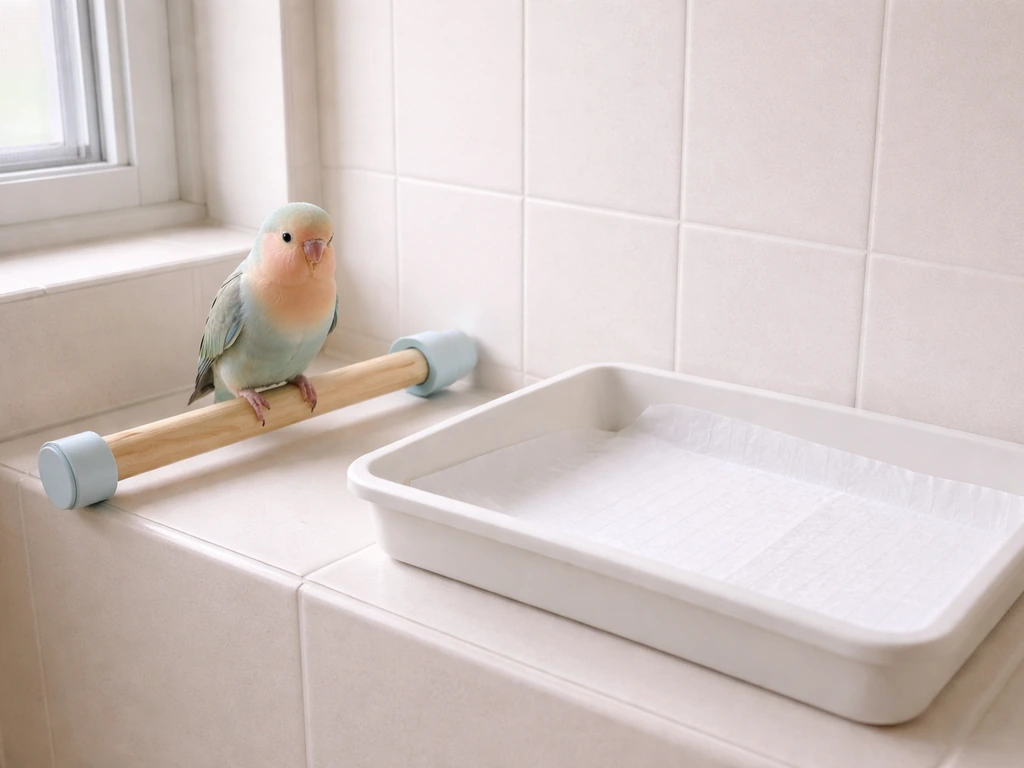
What's actually realistic: truth vs. expectations
Most healthy birds poop every 20 to 30 minutes. That's not a behavior problem, that's just bird biology. Birds have a cloaca instead of separate bladder and bowel systems, which means they have far less sphincter control than dogs or cats. Asking a bird to "hold it" the way a house-trained dog can is physiologically unrealistic and, if you push it, potentially harmful to the bird's health.
What you're actually training is a preference, not a suppression. You're teaching your bird that a specific perch, pad, or location is the place to go, and you're timing your interactions around their natural elimination cycle so accidents become less frequent. Some birds, especially parrots, pick this up quickly. Others stay inconsistent for months. Species, individual temperament, age, and how much time you put in all matter. Go in expecting "significantly fewer accidents" rather than "zero mess" and you'll be satisfied with the outcome.
One more thing worth flagging: if your bird's dropping frequency, volume, color, or consistency suddenly changes, that's a health signal. Stress, illness, and diet can all alter droppings patterns. If training suddenly seems to fall apart and the bird is going far more or less often than usual, a vet check is the right move before doubling down on training.
Why birds poop where they do
Birds don't choose a spot strategically the way a cat does with a litter box. They go when their body tells them to, wherever they happen to be standing. A few things influence the timing and location more than others.
- Perching position: Birds often poop right before or after movement, including stepping up, flying, or landing. The moment they land on your hand is a common trigger.
- Waking up: The first elimination of the morning is almost guaranteed and usually larger in volume. Same after a nap.
- Eating and drinking: Food and water intake speeds up digestion. Expect a dropping within 10 to 15 minutes of a good meal.
- Excitement or stress: A bird that's startled, overstimulated, or uncomfortable will often poop immediately. This is a fear/arousal response, not a training failure.
- Comfort and relaxation: A calm, trusting bird may let its guard down and go wherever it's sitting. This is actually a good sign for the relationship, even if it means a shoulder dropping.
Understanding these triggers is what makes training work. You're not fighting the bird's instincts. You're learning to predict them and redirect the bird to a good spot before the moment arrives.
Setting up your bathroom routine: timing, cues, and target spots
Before you teach anything, set up the environment so success is easy. You need a designated bathroom spot, a verbal or physical cue, and a rough schedule based on your bird's natural rhythm. If you’re trying to figure out can you train a bird to poop in one spot, focus on teaching a preference for a specific target area using timing and positive reinforcement.
Choose a target spot
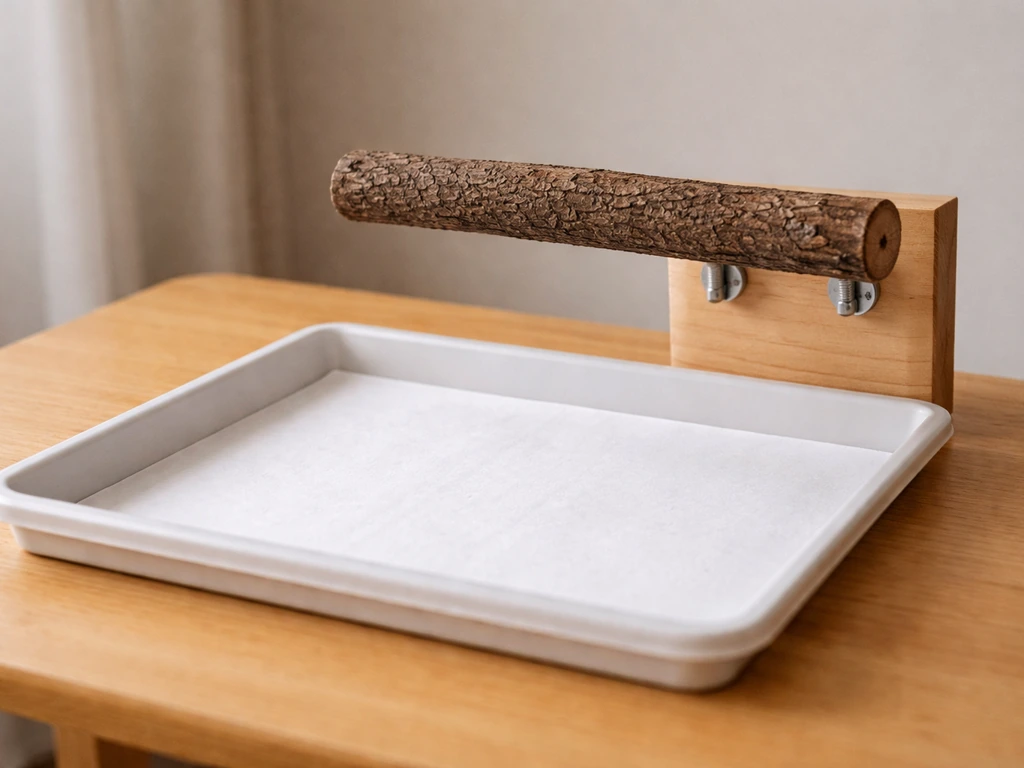
Pick one location where you want your bird to eliminate during out-of-cage time. Good options include a designated perch near its cage, a paper-lined tray on a table, or a spot on top of the cage. The spot needs to be accessible quickly, because you'll be moving the bird there on a tight timeline. Keep it simple: a T-perch over a pee pad, newspaper, or reusable liner works perfectly and costs almost nothing.
Pick your cue
Choose a short, consistent verbal cue you'll say every time your bird eliminates in the right spot. Common choices are "go poop," "bombs away," or whatever phrase you'll actually use consistently. The cue needs to be the same word or phrase every time. Avoid using it during regular conversation so it keeps its meaning.
Build a timing map
Spend two or three days just observing and noting when your bird poops: after waking up, after eating, every how many minutes during active out-of-cage time. Most birds settle into a 20 to 30 minute rhythm once you're watching closely. Write it down. This timing map becomes your training schedule. You'll be moving your bird to the target spot about two minutes before you expect the next dropping.
Step-by-step training plan using positive reinforcement
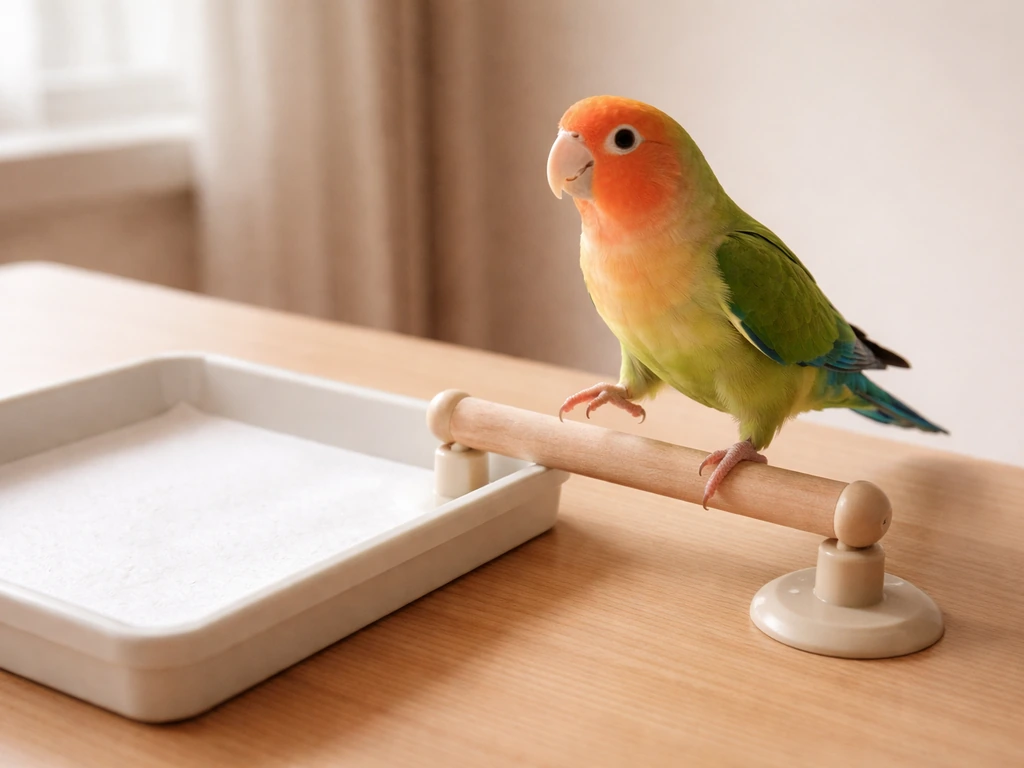
This plan works for most companion parrots and other tame pet birds. Parrots.org’s reference library describes blank" rel="noopener noreferrer">target training as a positive reinforcement method that uses a perch or station approach and reinforces desired target-contact behavior on cue. Many people also search for how to train a bird to find money, which is a different kind of reward-based task built on similar training foundations. If you're working with a semi-wild or rehabilitation bird, read the adaptations section at the end of this article before starting.
- Start right after a known poop trigger. The easiest time to begin is first thing in the morning, right after your bird wakes up. Take the bird out of its cage and hold or place it over the target spot immediately.
- Wait quietly for the dropping. Don't talk much, don't distract the bird. Just hold or place it calmly over the target area. Within a minute or two of waking up, most birds will go.
- The moment the bird eliminates, say your cue word in a calm, upbeat voice and immediately offer a small, high-value reward. A tiny piece of a favorite fruit, a scratch on the head, or enthusiastic verbal praise all work. The reward has to come within two to three seconds of the dropping or the association won't form.
- Repeat this after every known trigger: after meals, after naps, and every 20 to 25 minutes during out-of-cage time. Each time, move the bird to the target spot, wait, reward the behavior, and say the cue.
- After about a week of consistent repetitions, start saying your cue word before the bird goes and see if it produces the behavior. Many birds begin to associate the cue with the action and will shift slightly or posture to go when they hear it. Don't expect this immediately.
- Gradually increase the time between prompted bathroom trips as the bird starts anticipating the routine on its own. Some birds will begin moving toward the target spot without being prompted.
- If your bird goes somewhere other than the target spot, say nothing, do nothing reactive. Clean it up quietly and move on. Giving attention, even negative attention, can accidentally reinforce the behavior.
Keep sessions positive and short. Five to ten minutes of focused interaction at a time is plenty for most birds. Never punish an accident. If you want the fastest results when training for predictable mess management, stick with positive reinforcement training and keep sessions focused. Punishment-based approaches cause fear and anxiety, which actually makes elimination patterns less predictable, not more, because a stressed bird has less control over its body responses.
Handling cleanup and not accidentally rewarding the wrong spots
How you react to accidents matters. If you swoop in dramatically to clean up every dropping while the bird watches, you might actually be giving the behavior attention that reinforces it. Clean up calmly, without fuss, and without making eye contact or talking to the bird during cleanup. This is especially true if your bird seems to poop for a reaction.
For practical cleanup during training, keep paper towels or a damp cloth within arm's reach wherever you sit with your bird. Line your lap or perch areas with a washable fleece blanket or reusable pee pad during training phase. This makes cleanup fast and doesn't require you to interrupt the session. Once the bird's habits get more consistent, you can reduce the protective covering.
Avoid using enzymatic cleaners with strong scents on the target bathroom spot. You want that spot to smell familiar, not scrubbed clean every day. Birds use scent memory less than mammals do, but a consistent, unchanged environment at the target spot helps reinforce the habit. On non-target surfaces, clean promptly and thoroughly to remove any scent that might attract repeat visits.
When it's not working: common troubleshooting
The bird still poops on you constantly
This usually means your timing is off. Go back to your timing map and shorten the interval between bathroom trips. If your bird's natural rhythm is every 20 minutes but you're prompting every 30, accidents are mathematically guaranteed. Try prompting every 15 minutes for a week and see if that improves things.
The bird won't step to the target spot or panics
The target spot may feel unfamiliar or threatening. Spend a few days just rewarding the bird for being near the spot without any expectation of elimination. Let the bird step onto the perch, get a treat, and step off. Build comfort with the location first. Forcing a scared bird onto a spot will make the association negative, not positive.
The behavior was working but has gone inconsistent
Inconsistency often spikes when there's a change in routine: a new person in the house, a moved cage, a diet change, or a health issue. If nothing in the environment has changed, do a basic health check. Changes in dropping frequency or character can indicate illness. If everything looks normal, go back to basics: more frequent prompted trips and more consistent rewards for correct behavior.
The bird seems to hold droppings and then releases a large one on you
Some birds do learn to hold droppings briefly, especially when excited or engaged in play. This is fine in the short term, but you should never encourage a bird to hold it for longer than 30 to 45 minutes. If your bird seems uncomfortable, is puffed up, or is straining, get it to a vet promptly. Encourage natural elimination timing and don't try to push longer holding intervals as a "training goal."
Adapting this for different species, settings, and birds
| Bird Type / Setting | Training Approach | Key Considerations |
|---|---|---|
| Small parrots (budgies, cockatiels, lovebirds) | Easiest to train due to predictable short intervals (15 to 20 min). Start with cage-top target spot. | Very reward-motivated; use tiny treat pieces. Shorter attention spans so keep sessions brief. |
| Medium parrots (conures, caiques, Senegals) | Moderate trainability. Respond well to cue words and routine. 20 to 30 min intervals typical. | Higher energy and distractibility. Calm, consistent sessions work better than long ones. |
| Large parrots (African greys, amazons, macaws, cockatoos) | Most capable of learning strong cue associations but also most likely to test boundaries. | Highly intelligent; can become manipulative about rewards. Keep rewards small and varied. |
| Softbills and non-psittacine pet birds (canaries, finches, mynahs) | Limited trainability for toilet habits. Focus on cage management and predictable perch spots. | These birds are rarely handled closely enough for on-cue training to be practical. |
| Wildlife rehab / semi-wild birds | Don't attempt potty training. Focus entirely on minimizing handling and stress. | Prioritize welfare above mess management. Most wild birds in rehab should have minimal human contact per legal and ethical guidelines. |
A note for wildlife rehabilitators
If you're working with wild birds in a rehabilitation setting, potty training is not appropriate or legal in most jurisdictions. Wild birds are protected under federal law in the US (and similar legislation in most countries), and prolonged hands-on training would constitute unnecessary handling that compromises the bird's ability to be successfully released. A report for wildlife agencies explains that the Migratory Bird Treaty Act generally prohibits take of migratory birds except as allowed under specific compliance frameworks and permits Wild birds are protected under federal law in the US. Focus instead on enclosure management and protective clothing or equipment during necessary health checks. The training methods in this article are intended for companion birds with an established human relationship.
Welfare-first principles for every bird
Regardless of species or setting, keep these principles in place throughout training. Never punish a bird for an accident, never physically force a bird onto a target spot, and never try to extend holding intervals beyond what is comfortable. If a bird shows signs of stress during training, including feather flattening, rapid breathing, biting, or frantic movement, end the session immediately and give the bird time to settle before trying again. The goal is a calmer, more predictable relationship, and that only happens when the bird feels safe.
Where to go from here
If you want to take this further, the natural next step is building a true bathroom routine your bird can predict, where it actually goes to its spot on its own without you prompting every time. That level of consistency takes several weeks of daily practice, but it's achievable with many companion parrots. The core topics of teaching a bird to poop in one spot, house training a bird more broadly, and the question of whether litter training is actually possible for birds all build on what you've started here, and they go deeper into specific environment setups and habit reinforcement strategies worth exploring once your bird has the basics down.
Start today with just the timing map. Spend 24 hours watching and noting when your bird actually goes. That single step will tell you more about what your bird needs than any general advice can, and it gives you the real data to build a training schedule that fits your bird specifically, not just birds in general.
FAQ
How soon can I expect fewer accidents after starting training?
Many birds improve within a week if you get the timing close and reward quickly, but some take a few months. If you see no reduction after 2 to 3 weeks, re-check your elimination rhythm (especially after sleep, diet changes, or new perch arrangements) and shorten your prompt interval by 5 to 10 minutes.
What cue should I use if my bird eliminates while I am talking or moving around?
Use a short cue only when the bird is already in the target area or you are actively moving them toward it right before elimination. Avoid saying the cue during normal conversation, because some birds start associating the phrase with attention and less predictable timing.
Is it okay to use a regular litter box or does it need to be a pee-pad tray?
It can work if the bird accepts the surface and location, but pee-pad or lined trays are usually easier to learn because they stay consistent and are quick to clean. Start with a tray that is shallow, stable, and positioned near where your bird naturally spends time, then only upgrade to a different surface once reliability improves.
My bird poops right after I move them to the target spot. Should I still reward?
Yes. Reward as soon as elimination happens in the right place, then immediately end the session or switch to a calm activity so the “going” moment stays associated with safety and positive outcomes. If you reward only before elimination, some birds may learn to “perform” at the moment you approach rather than in the spot.
What if my bird refuses to step onto the target perch or tray?
Do a comfort-building phase first, reward proximity and stepping, and do not require elimination during the first sessions. Keep steps small (near the edge, then onto the perch, then briefly staying longer) because forcing access can create a fear association that makes accidents more frequent.
Can I train different birds in the same room using the same bathroom spot?
You can, but it often increases confusion because birds may not share the same elimination cues or preferences. If possible, use separate target setups for each bird or at least keep the elimination area exclusive during training until each bird reliably uses its own cue and location.
Do enzymatic cleaners ruin potty training by removing the “wrong spot” scent?
On the target spot, avoid strong-scent products so the location remains familiar. On non-target areas, thorough cleaning is helpful to prevent repeat visits, but avoid leaving a heavy odor that makes the environment smell permanently “different.” A practical rule is, remove odor on the wrong spots, preserve minimal familiar scent on the right one.
Should I adjust training if my bird is hormonal or very excited during play?
Yes. Excitement can increase elimination frequency and can also increase the urge to hold briefly, which makes timing harder. Shorten play sessions, prompt more frequently during peak excitement, and watch for stress signals (puffing, frantic movement). If the bird seems uncomfortable or straining, stop and get a vet check if it persists.
My bird’s droppings look different. Does that mean training is failing?
Not necessarily. Sudden changes in color, consistency, volume, or frequency are health signals. Pause training that day, confirm the diet and any treats stayed consistent, and contact an avian vet if changes last more than a short window or if there are additional symptoms like lethargy or reduced appetite.
How long can I reasonably expect to avoid accidents during out-of-cage time?
There is no guaranteed “accident-free” window, but you can increase predictability. Start by limiting out-of-cage duration until the timing map is accurate, then gradually extend time in small increments while prompting slightly earlier than the last successful elimination timing.
Is it ever safe to encourage my bird to “hold it” for a while so I can get to the target spot?
Only briefly, and never as a goal. If you notice puffing up, straining, or clear discomfort, stop prompting the delay and return to natural elimination timing. If discomfort continues, prioritize an avian vet visit rather than continuing training.
Do I need a cue every time, or can I eventually stop prompting and let my bird choose the spot?
You can fade prompting gradually once your bird reliably eliminates shortly after you guide them or approach the target spot. A common approach is to prompt less often, but still be ready right before the expected elimination based on your timing map. If accidents rise sharply, you faded too fast and should step back to shorter intervals for a few days.
Next Article
How to Train a Bird to Collect Money Safely
Humane step-by-step cue training to teach a pet bird to safely pick up and deliver a token instead of real money.