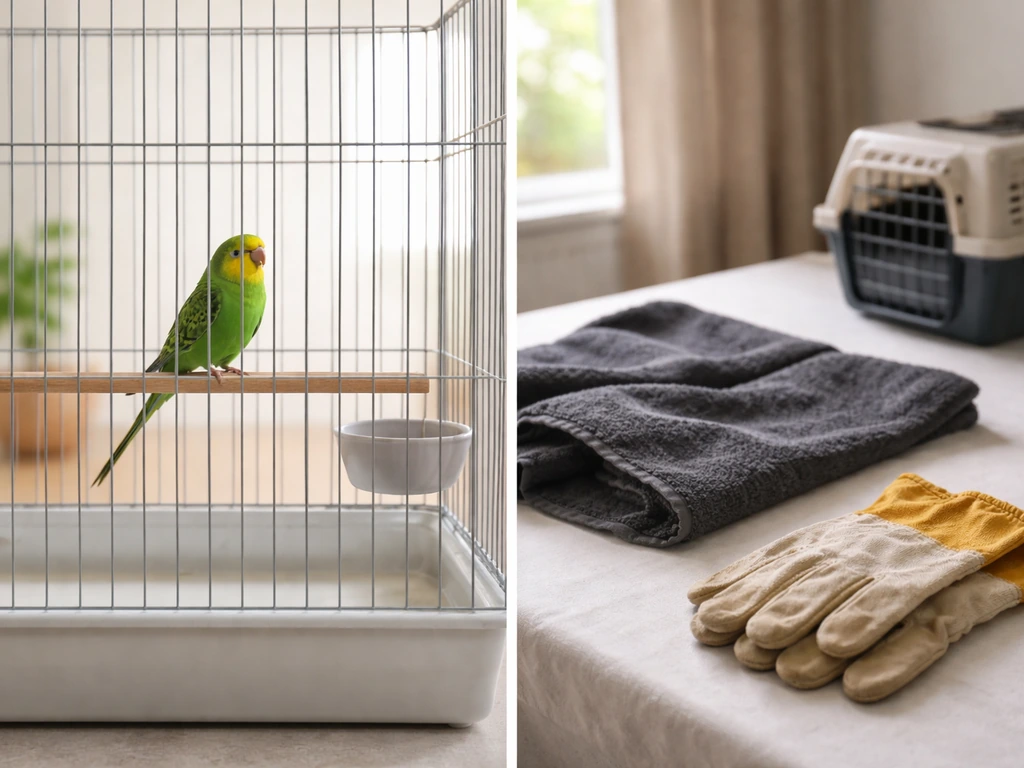
You can't really "rent" a bird the way you'd rent a car, and if you've come across a service offering that, walk away. But if you're searching for how to rent a bird, you're probably trying to solve a real, practical problem: maybe you need someone to look after your bird for a week, maybe you're considering fostering before committing to adoption, or maybe you're involved in a rehabilitation transfer and need to understand your temporary custody responsibilities. All of those are valid situations, and this guide walks you through each one with the legal checks, setup steps, and hands-on handling advice you actually need.
How to Rent a Bird: Humane Options, Prep, and Next Steps

Maya Harris
13 Apr 2026
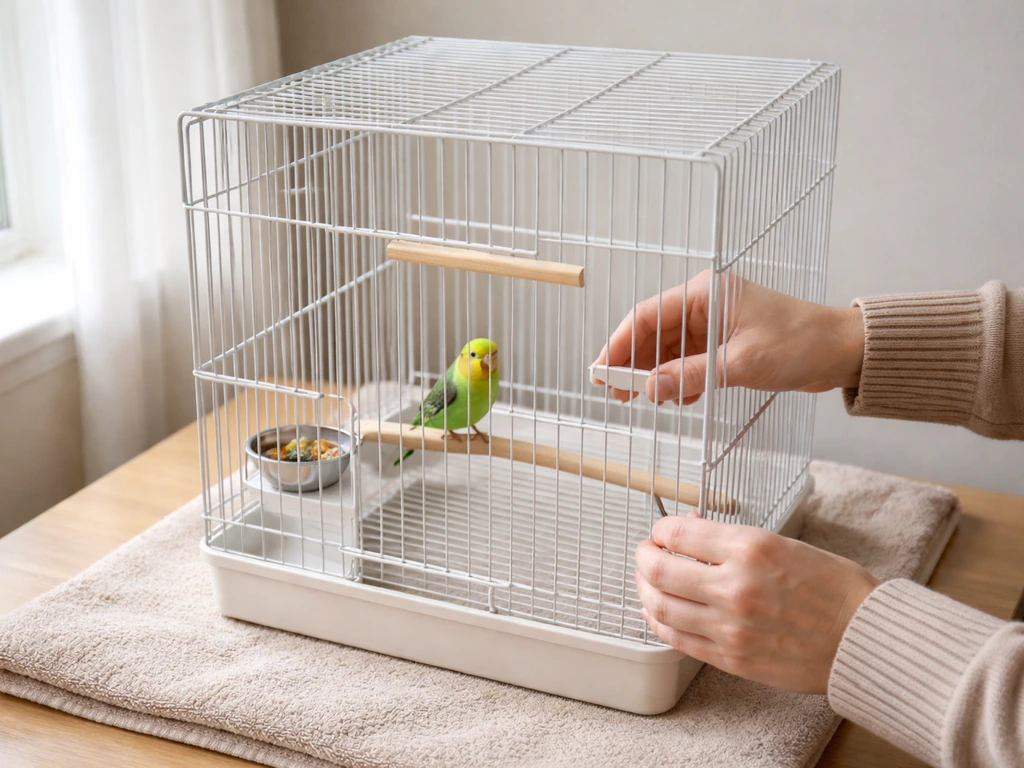
What "rent a bird" actually means (and what it shouldn't)
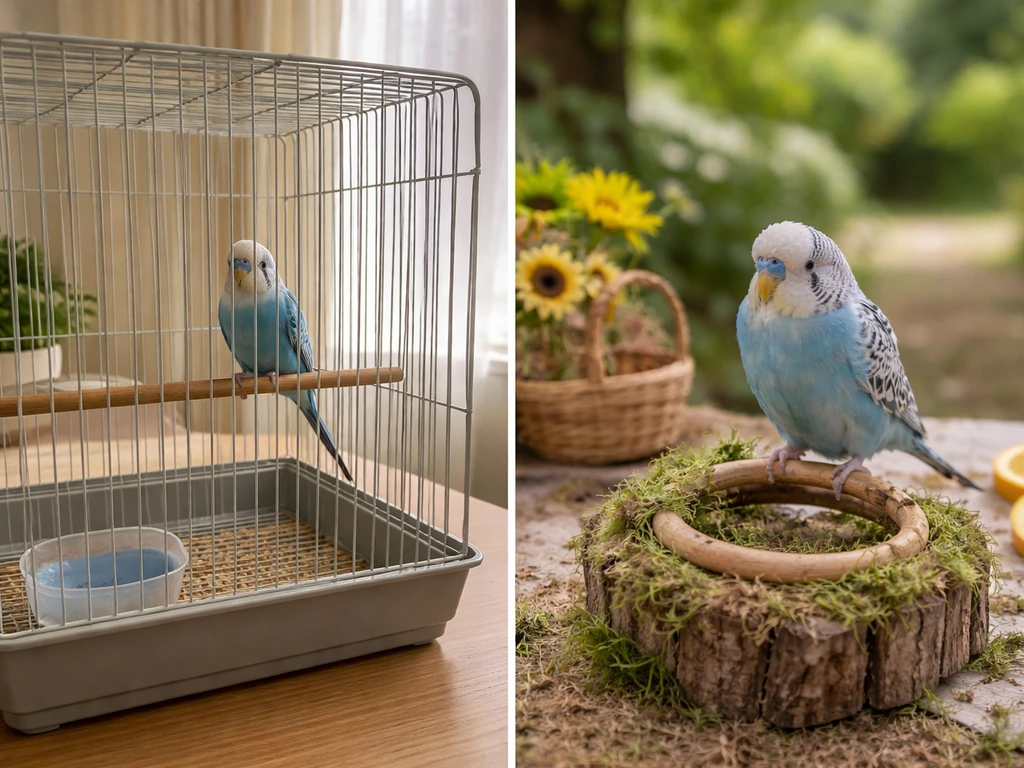
The phrase lands in two very different places depending on who's asking. On one end, some event companies or novelty services do offer live animal encounters or decorative bird displays for parties and weddings. That kind of purely commercial animal rental, where a bird is moved between strangers' hands repeatedly for entertainment with no welfare framework in place, is something most avian welfare advocates oppose outright. It's stressful for the bird, typically unregulated, and often operates in a legal grey zone depending on the species involved.
On the other end, there are completely legitimate versions of short-term bird custody: professional pet sitting, foster-to-adopt arrangements through rescues, temporary care agreements between owners, and permitted wildlife rehabilitation transfers. These come with structure, accountability, and welfare expectations. That's what this guide covers. If you're arranging any kind of temporary bird care, whether you're the owner handing your bird off or the person receiving it, you're essentially entering a short-term custodial relationship, and treating it that way, with proper planning, makes all the difference for the bird.
Legal and ethical checks before you do anything else
Before any bird changes hands, even temporarily, you need to know what species you're dealing with and what legal framework applies. This isn't just paperwork caution. Getting it wrong can mean federal charges.
The Migratory Bird Treaty Act (MBTA) is the first thing to understand. It covers hundreds of native North American bird species, and under USDA APHIS rules, birds protected by the MBTA are excluded from the "pet bird" category under the Animal Welfare Act. That means different regulations apply. If you're helping someone with a bird they found, or participating in any kind of wildlife transfer, you almost certainly need a permit. Wildlife rehabilitation permits, for example, don't give you a free pass either. As the Washington Department of Fish and Wildlife makes clear, holding a rehab permit does not exempt you from complying with other state, federal, county, or city laws. You still have to satisfy all applicable rules simultaneously.
For birds that are CITES-listed species (many parrots, macaws, cockatoos, and others fall here), documentation obligations depend on the species listing and the type of transaction. The U.S. Fish and Wildlife Service is clear that CITES permits and certificates may be required, and that transport of listed specimens must meet humane shipment requirements. The Lacey Act adds another layer: it makes it illegal to transport, sell, receive, or purchase wildlife in interstate or foreign commerce if the animal was taken, possessed, or transported in violation of any state law or foreign law. That applies even if you didn't know the bird's history, so due diligence on origin matters.
For domestic pet birds like budgies, cockatiels, lovebirds, or captive-bred parrots with no CITES complications, the legal bar is lower but the welfare bar is just as high. Before you agree to care for someone's bird, get documentation: a vet health certificate, proof of captive-bred status if relevant, and a written care agreement that spells out responsibilities on both sides.
- Confirm the species and whether it falls under the MBTA, CITES, or AWA frameworks
- Check your state and local laws, especially for exotics, since rules vary widely
- If the bird is wildlife (native species, found bird, injured animal), contact a licensed rehabilitator rather than taking it in yourself
- Get a written agreement before any transfer, even between friends
- Request a current vet health record for any bird coming into your care
Picking the right option for what you're actually trying to do

Most people searching for how to rent a bird fall into one of four categories. Knowing which one you're in determines the whole path forward.
| Your goal | Best option | Key considerations |
|---|---|---|
| You want a bird but aren't ready to commit long-term | Foster-to-adopt through a rescue | Rescue sets the terms; quarantine required; may become permanent |
| You're a bird owner needing someone to watch your bird | Professional pet sitter or trusted caretaker | Choose someone with avian experience; written care plan essential |
| You're involved in a rescue or rehabilitation transfer | Permitted wildlife rehab or rescue intake | Legal permits, disease reporting, quarantine protocols all apply |
| You want to experience bird ownership before buying | Volunteer at an avian rescue or sanctuary | No custody transfer; supervised interaction; no permit needed |
If you're leaning toward fostering, the Avian Welfare Coalition recommends placing birds only with legitimate avian rescues or sanctuaries that have documented policies, because the quality of temporary refuge organizations varies enormously. A reputable foster program will walk you through their quarantine protocol, provide a care sheet, and stay in contact throughout the placement. If they don't ask you any questions before handing a bird over, that's a warning sign.
If you're at the earlier stage of deciding whether bird ownership is even right for you, it's worth reading up on what the day-to-day reality looks like. A good overview of what it means to own a bird can help you figure out whether fostering or committing makes more sense for your lifestyle before any bird enters your home.
Setting up for short-term bird care the right way
Whether you're pet-sitting for two weeks or fostering for two months, the setup principles are the same. The bird doesn't know it's a temporary arrangement, and your job is to make the environment feel as safe and predictable as possible from day one.
Quarantine first, always
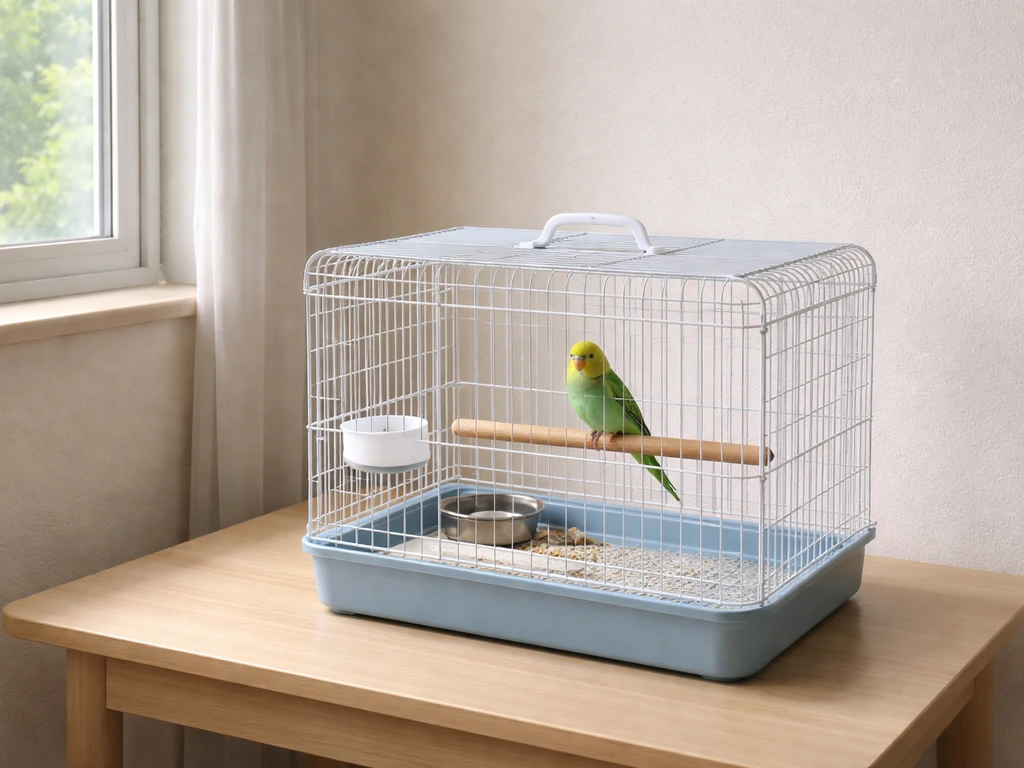
If you have resident birds, quarantine is non-negotiable. The Avian Welfare Coalition recommends a quarantine period of 30 to 90 days before integrating a new bird with others. This protects your existing flock from disease exposure and gives the incoming bird time to decompress from the stress of transition. Agriculture Victoria's guidance reinforces this: stress from a change in food, environment, or handling can cause an already-compromised bird to deteriorate quickly. Set up the quarantine space in a separate room with its own airspace, use separate equipment (food dishes, perches, cleaning tools), and wash your hands thoroughly between handling each bird.
Housing and environment basics
- Use the bird's own cage and familiar perches if possible, since familiar items reduce stress significantly
- Place the cage at eye level or slightly below, never on the floor or in a drafty area
- Keep temperatures stable: most pet birds do well between 65 and 80°F
- Maintain a consistent light/dark cycle that matches what the bird is used to
- Provide the same food and water sources the bird is accustomed to; sudden diet changes during transition add unnecessary stress
- Keep the environment quiet for the first 24 to 48 hours while the bird acclimates
Handling basics for a bird you're just getting to know
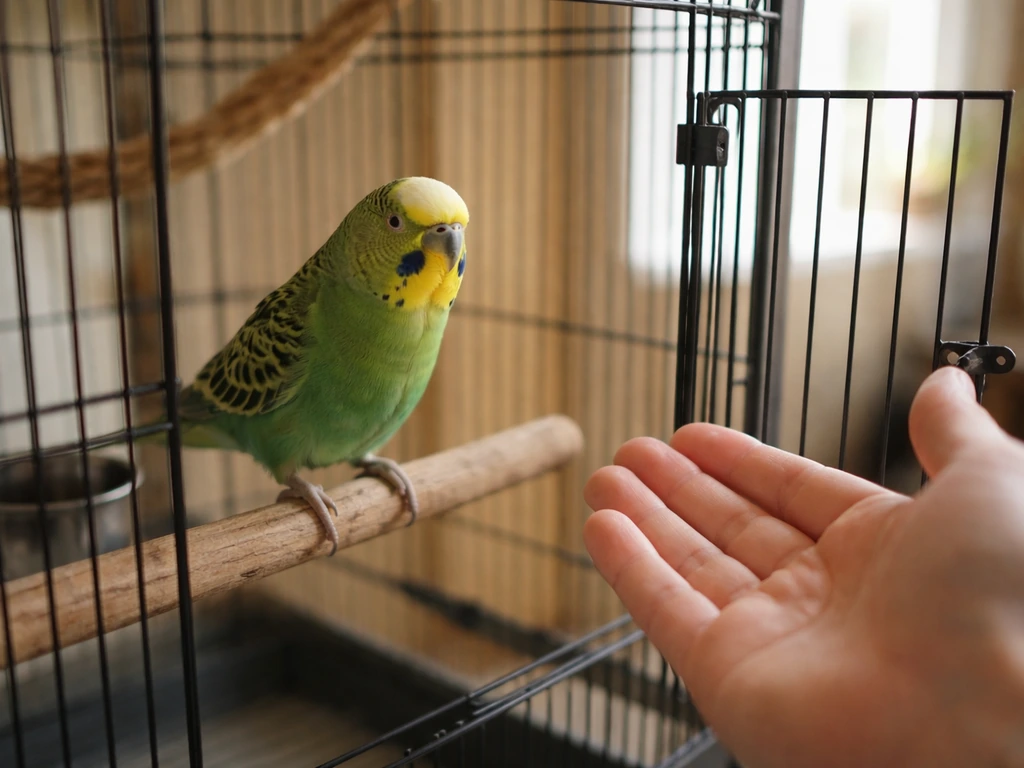
Don't rush physical interaction. Spend the first day or two simply being present near the cage, speaking softly, and letting the bird observe you. When you do need to handle the bird for cage cleaning or health checks, use calm, slow movements. If restraint is necessary, towel technique is the standard safe method.
The approach involves draping the towel over the bird and applying light, controlled pressure to secure the body while supporting the head gently between two fingers to prevent biting and keep the airway clear. Fear Free avian handling training recommends working toward towel acclimation gradually so the bird learns to associate the towel with neutral or positive experiences rather than fear, which matters a lot if you'll be handling it repeatedly over several weeks.
Building trust fast without rushing the bird
One of the hardest things about temporary bird care is that you have limited time but still need to earn the bird's trust for safe, low-stress handling. The good news is that the same techniques used for long-term taming work on a compressed timeline, as long as you keep sessions short, positive, and consistent.
Start with desensitization to your hand before you ever attempt a step-up. Offer treats through the cage bars. Then rest your hand near the open cage door without reaching in. ThinkParrot's approach to step-up training emphasizes systematic desensitization to the hand, perch, or target before expecting cooperation, so the bird is choosing to engage rather than being forced. That distinction matters enormously for a bird that's already stressed from a change in environment.
Once the bird is eating from your hand or approaching it willingly, introduce the step-up cue. Present your finger or a handheld perch at the bird's chest level, just above the feet, and say "step up" in a calm, consistent tone. PetMD also describes teaching “step up” with positive reinforcement, training the bird to step onto an open palm for rewards aligned with the cue introduce the step-up cue. Reward any forward movement or weight shift toward your hand, not just a full step-up. For intermediate and advanced handlers, target training with a chopstick or pencil can accelerate this process significantly, especially with parrots.
- Day 1 to 2: Presence only. Sit near the cage, talk softly, don't reach in.
- Day 3 to 4: Offer treats through the bars. Let the bird take them at its own pace.
- Day 5 to 7: Open the cage door and rest your hand near the opening without reaching in.
- Day 7+: Introduce the step-up cue once the bird is approaching your hand voluntarily.
- Ongoing: Keep training sessions under five minutes. End every session on a positive note.
If the bird is already tame and accustomed to handling, your job is mostly about maintaining routine and keeping interactions predictable. Tame birds can still become defensive in a new environment, so don't assume a bird's usual friendliness will translate immediately in your space.
Understanding how domestication and tameness interact with a bird's behavior in new settings is useful background here. Birds that have gone through the process of becoming domesticated or hand-tamed respond very differently to environmental change than wild-caught or minimally socialized individuals, and adjusting your approach based on the bird's baseline is key.
Costs, logistics, and having a plan before things go wrong
Short-term bird care has real costs, and being honest about them upfront prevents conflict and protects the bird's welfare if something unexpected happens.
What pet sitting for a bird typically costs
Professional avian pet sitters charge based on bird size and visit frequency. As a general reference, per-visit rates can run roughly $24 per visit for small birds like budgies or finches, and around $30 per visit for larger birds like African greys or cockatoos, with additional charges per extra bird and potential long-distance travel fees. Overnight arrangements typically carry a higher base rate plus any applicable holiday surcharges. If you're the owner paying for this service, budget accordingly and clarify exactly what's included in each visit, feeding, cage cleaning, handling, medication administration, and emergency contact protocol.
Vet access and emergency planning
This is the most important logistics piece and the one most people skip. Emergency avian vet visits commonly range from about $150 to $1,000 depending on what's needed, and an after-hours emergency exam alone can run $200 or more at a specialty clinic. Avian vets typically cost more than standard cat and dog care, and they're harder to find. Before the bird arrives in your care, locate the nearest avian-certified vet and confirm they see the species in question. Have their number saved. Know the after-hours emergency option.
For transport to the vet, have an appropriate-size carrier ready and lined with a non-slip surface. Warm the carrier before you put the bird in it, and keep the car warm during transit. CITES transport guidelines note that birds travel more calmly in semi-darkness, so draping a light cloth over the carrier during transport reduces stress and helps keep the bird calmer during an already difficult situation.
Contracts and responsibility agreements
Every temporary custody arrangement should have a written agreement, even between friends. The agreement should cover: who is responsible for vet costs if illness or injury occurs, what the caretaker is authorized to decide in an emergency if the owner can't be reached, the expected duration and return process, diet and medication instructions, and what happens if the bird dies in care. This isn't pessimistic, it's how you protect both the bird and the relationship.
When things go sideways: troubleshooting common problems
Environment changes almost always produce some behavioral shifts in birds. Most are temporary and manageable if you respond calmly and consistently. Here's what you're most likely to encounter.
Screaming and excessive vocalization
A bird that screams constantly in a new environment is usually doing one of two things: contact calling (trying to locate its flock or owner) or responding to anxiety. Don't go to the bird every time it screams, since that reinforces the behavior, but do check in on a regular schedule so the bird learns that your attention comes predictably. Keep your own energy calm when you approach. Covering part of the cage can help reduce overstimulation if the environment is busy or loud.
Biting and defensive behavior
Fear and stress are the most common triggers for biting in birds that aren't normally aggressive. Petco's behavior guidance notes that fear and stress contribute directly to behaviors like screaming, biting, and feather plucking, and recommends professional help to identify causes when behavior is persistent or severe. In the short term, reduce handling to only what's necessary, never punish a bite (it increases fear), and go back a step in your trust-building process. If a bird is biting because it's in pain or ill, that's a vet call, not a training problem.
Signs of illness and when to act
Birds hide illness well, which means by the time symptoms are visible, the situation can be urgent. Watch for fluffed feathers outside of normal preening, tail bobbing while breathing, discharge from the nares or eyes, changes in dropping color or consistency, or a bird sitting on the cage floor. Any of these warrant a same-day call to an avian vet. Don't wait to see if the bird "perks up." Keep the bird warm (85 to 90°F is a common supportive care temperature for a sick bird) and minimize handling until you get veterinary guidance.
Feather plucking or self-injury
If you notice a bird beginning to pluck feathers during your care, document it and contact the owner immediately. This can be a sign of psychological stress from the transition or an underlying medical issue. Don't try to address feather-destructive behavior on your own during a short-term placement. Report it, continue providing a calm environment, and let the owner and their vet determine next steps.
Which path makes the most sense for your situation
If you're a bird owner needing temporary care for your bird, a professional avian pet sitter with a clear written plan is your most practical option. If you're considering bird ownership and want to test the waters first, fostering through a reputable rescue is a better route than any commercial "rental" arrangement. If you're involved in a wildlife situation, connect with a licensed rehabilitator rather than attempting independent custody without a permit.
For anyone who's realized through this process that they actually want a bird of their own, the next step is understanding the full commitment involved. Learning how to get a bird through the right channels sets you up with a healthier, better-socialized animal and keeps you on the right side of both welfare standards and the law.
If adoption through a rescue feels like the right fit, that process has its own practical steps and considerations worth reviewing before you commit. Understanding how to adopt a bird from a shelter or rescue ensures you're matched with an animal whose needs align with your experience level and living situation. Adoption fees, as the Avian Welfare Coalition notes, typically go toward veterinary testing, food, caging, and enrichment, so you're not just paying for the bird, you're funding the care it received before it got to you.
FAQ
What’s the safest way to vet a “bird sitter” or foster person before handing a bird over?
Ask for their written handling and quarantine plan, confirm they have an avian vet they use, and request a sample care checklist they complete per visit. Also verify references from prior bird placements and clarify who provides day-to-day enrichment like bathing, foraging toys, and interaction time.
How do I choose between pet sitting, fostering, or temporary custody if I’m not sure what I need?
Use the duration and the bird’s risk level. Short pet sitting works best for routine, already-social birds; fostering is better for trialing a rescue placement with structure and ongoing support; and temporary custody with written authority is better when the bird has specific medical needs (meds, special diets) or requires defined emergency decisions.
Can I temporarily place a bird with a friend or family member without formal paperwork?
Even between friends, you should use a written agreement. At minimum include diet, medications, vet authorization terms, emergency contact order, and what happens if the bird becomes ill and requires same-day care, because misunderstandings often happen at the worst time.
If my bird is tame, do I still need a full quarantine when it meets another bird at the caretaker’s home?
Yes. Tameness does not prevent disease exposure, and new-environment stress can change behavior and mask illness. Keep quarantine separate-room with dedicated equipment and a consistent schedule, then follow the caregiver’s timeline (commonly 30 to 90 days) before any introductions.
What should be in a care agreement if the bird takes medication or has a special diet?
Include exact medication names, dosages, timing, how to administer, what to do if a dose is missed, and storage instructions. Also specify staple foods, treat limits, any supplements, and what constitutes a “stop and call the vet” situation (vomiting, refusal to eat, abnormal breathing).
What if the caretaker needs to make an emergency decision but I’m unreachable?
Define that decision authority in writing, for example, the maximum amount they can authorize for urgent care, which clinic they can use, and whether they should proceed with triage even if they cannot reach you. Provide a signed release if your vet requires one for your bird’s file access.
Do I need to worry about legal permits if the bird is already in captivity but it might be from an unknown source?
Yes. For any species that could be protected, you need to confirm documentation before transport or continued custody, because the Lacey Act can apply when wildlife is involved and interstate movement may be regulated. If paperwork is unclear, ask the caretaker to pause and route questions to the appropriate wildlife authority or your avian vet.
How should transport to a vet appointment be handled to reduce stress?
Use a properly sized carrier with a non-slip surface, pre-warm it, and keep the car warm. During transport, minimize light and noise (semi-darkness helps), and avoid switching carriers mid-trip, because the added handling can increase fear and risk of injury.
What’s a common mistake during step-up training in temporary care?
Expecting immediate cooperation without building hand and target tolerance first. If you jump straight to a step-up when the bird is stressed, you can increase fear and biting risk. Instead, start with treats through the bars, hand near the cage, then a cue only after calm forward movement.
My temporary bird is screaming, should I comfort it every time?
Do not immediately reinforce screaming with attention every time, it can strengthen the behavior. Use a predictable check-in routine (scheduled quiet approach) and keep your energy steady, if the environment is loud or busy, partial cage coverage can reduce overstimulation.
When is biting a sign of illness rather than a training problem?
If biting is paired with other signs like fluffed feathers outside normal preening, tail bobbing with breathing, discharge from the eyes or nares, or unusual sitting on the floor. In those cases, contact an avian vet the same day and reduce handling until veterinary guidance is given.
What should I document if feather plucking starts during temporary care?
Record onset date, triggers you notice (handling frequency, noise, time of day), and any changes in diet or environment. Notify the owner immediately and do not attempt new behavioral programs mid-placement, because feather plucking can be stress-related or medical, and the owner and vet need accurate context.
How do I estimate emergency costs realistically before the bird arrives?
Confirm the anticipated cost range with the caretaker’s nearest avian vet, and ask whether they offer after-hours triage. In addition to emergency exams, budget for imaging, medications, or hospitalization, and ensure you have a clear payment or authorization method in the agreement.
What if the bird refuses food during the first days of temporary care?
Treat it as urgent if it continues. Start by confirming you are offering the same food items and feeding schedule the owner uses, then monitor droppings and activity, if appetite does not improve quickly or you see abnormal droppings or breathing, contact an avian vet rather than waiting it out.
How can I reduce the risk of accidental injuries during cleaning and routine handling?
Schedule cleaning when the bird is least likely to be alarmed, use calm slow movements, and avoid reaching in suddenly. Keep perches and equipment stable, have the next step planned before opening doors, and ensure towels or restraint technique are used only by someone trained or following safe guidance from prior experience.
Next Article
How to Adopt a Bird: Step-by-Step Pet and Wild Rescue Guide
Step-by-step guide for adopting a pet or rescuing a wild bird, with setup, diet, bonding, safety, and vet screening.