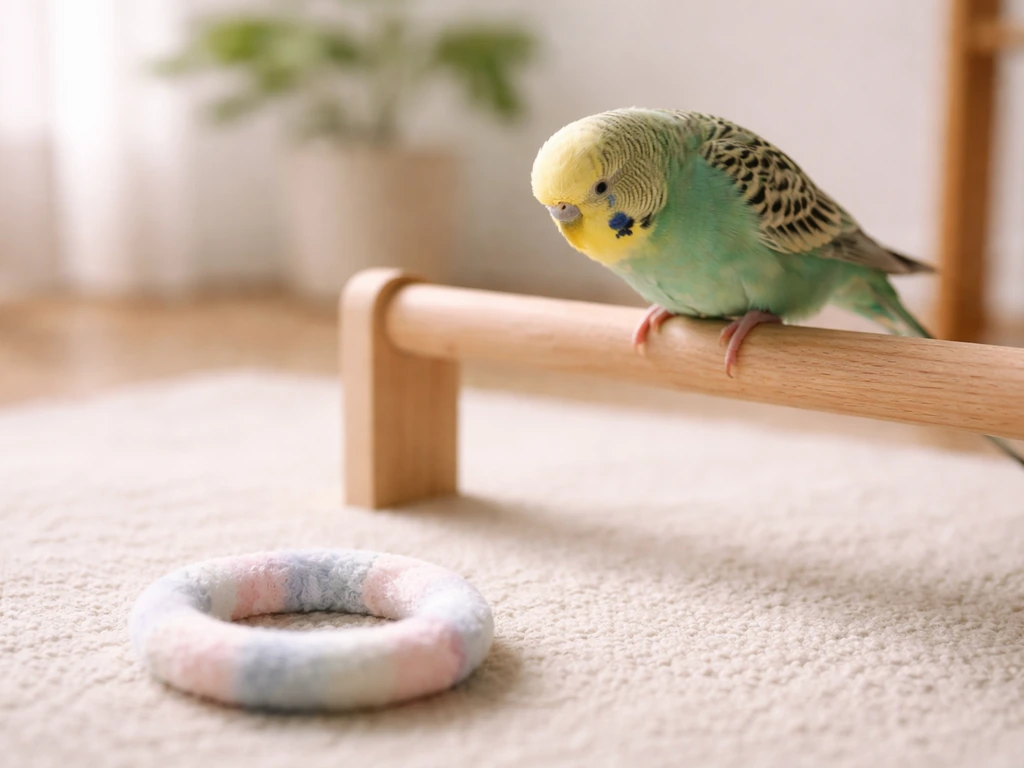
"How to get a bird" means three very different things depending on what you actually want, and the right path forward depends entirely on which one applies to you. You might want a pet bird to bring home and bond with. You might want to attract wild birds to your garden or yard. Or you might already have a specific bird (a rescue, a wild one you found, or a new pet) and you want to earn its trust. Each path has different rules, different timelines, and different risks if you get it wrong. Let's sort out which one you need first.
How to Get a Bird: Pet, Wild, or Trust-Building Guide
Maya Harris
4 Apr 2026
First, which kind of 'getting a bird' are you actually doing?
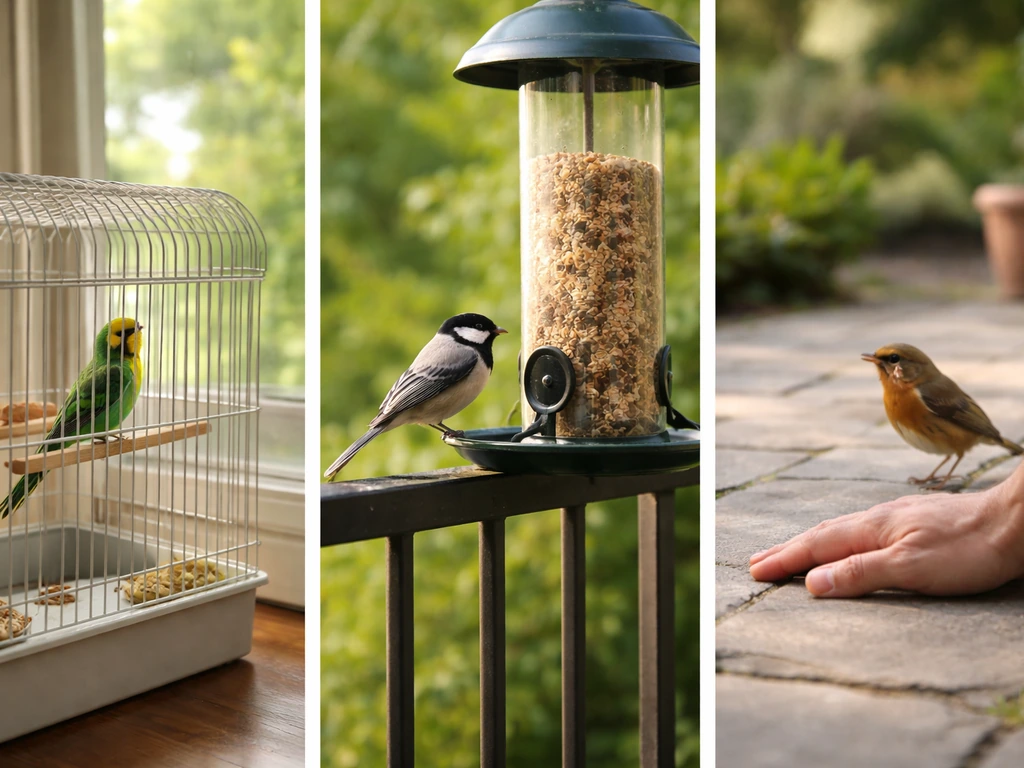
Before you do anything else, answer these three questions quickly and honestly. They'll point you to the right section of this guide and save you a lot of wasted effort.
- Do you want a bird that lives with you permanently as a companion animal? Go to the pet bird pathway below.
- Do you want to encourage wild birds to come closer to your home or garden without capturing them? Go to the wild bird attraction section.
- Do you have a bird already (rescued, rehomed, or newly purchased) and you need it to stop being terrified of you? Go straight to the trust-building and bonding section.
One important note before we go further: wanting a wild bird as a permanent pet is almost always either illegal or impractical, and often both. In the UK, the Wildlife and Countryside Act 1981 protects virtually all wild bird species, meaning you generally cannot take, capture, or keep a wild bird without a licence from Natural England. Similar federal and state protections apply in the US and most of the world. If you found an injured bird or you're curious about keeping a wild species, there's a legal route, but it's narrow and supervised. We'll cover that too.
Getting a pet bird: the legal, humane ways to bring one home
The cleanest, most ethical way to get a pet bird is through adoption or a reputable rescue organization. Adopting a bird from a rescue means you're giving a home to a bird that already needs one, and rescue staff can often tell you exactly how that bird behaves around people, whether it's hand-tame, and what its quirks are. That information is genuinely valuable, especially for beginners.
If you want a young bird from a breeder, stick to breeders who hand-raise their birds and can show you the parents and the conditions the chicks are raised in. Avoid pet shops that can't tell you where their birds came from, birds sold cheaply online with no background, or any situation where you're asked to collect a bird from a car park or neutral location. These are red flags for illegal trafficking or poor welfare conditions.
For wild or exotic species with legal restrictions, the route is different. In the UK, Schedule 4 birds of prey (such as certain falcons and hawks) must be registered with the Animal and Plant Health Agency (APHA) if kept in captivity. You'll need documentation proving the bird was legally obtained, typically a closed ring or microchip, and you must be able to demonstrate it was captive-bred. The RSPCA has clear guidance on this. Trying to shortcut the licensing process isn't worth it: penalties include fines and confiscation.
Check your home and budget before anything arrives
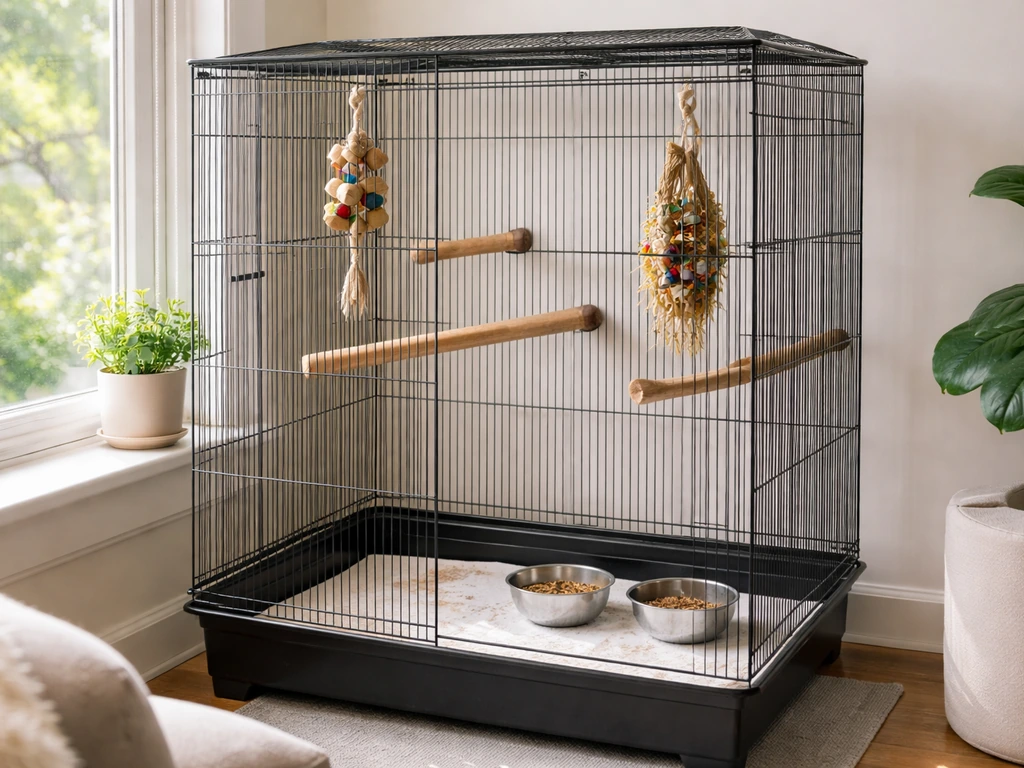
A lot of people get excited about the bird and forget to think practically about what happens when it gets home. I'd argue that setting up your home correctly before the bird arrives is more important than which bird you choose. A bad environment stresses birds fast, and a stressed bird is much harder to bond with.
Start with housing. The cage should be as large as you can reasonably afford, with bar spacing appropriate to the species (small species like finches need bars no more than 0.5 inches apart; larger parrots need sturdier, wider-spaced bars). Place the cage in a room where the family spends time, but not the kitchen (cooking fumes, especially from non-stick cookware, are lethal to birds) and not in a drafty hallway. Position it so one side is against a wall to give the bird a sense of security.
- Budget for the setup: cage, perches, food dishes, initial vet visit, and a month's worth of species-appropriate diet
- Find an avian vet in your area before the bird arrives, not after it gets sick
- Remove or cover toxic houseplants (pothos, philodendron, and avocado are all dangerous)
- Check for open windows, ceiling fans, and small gaps where a bird could get trapped or escape
- Plan for noise: even small birds like cockatiels can be very vocal, especially at dawn
On budget: a healthy setup for a beginner-friendly species like a budgerigar or cockatiel can cost $150 to $400 upfront, with ongoing costs of $30 to $60 per month for food, toys, and routine care. Larger parrots like African greys or macaws can cost thousands upfront and hundreds monthly. Be honest with yourself here. Owning a bird long-term is a genuine commitment of both time and money, and birds live a long time: budgies average 8 to 10 years, cockatiels 15 to 25, and large parrots often 50 to 80 years.
Picking the right species for your experience level
This is where a lot of beginners go wrong. They fall in love with a macaw or a cockatoo and underestimate what those birds actually need. Match your species choice to your actual experience and time availability, not the bird you think looks coolest.
| Species | Skill Level | Daily Time Needed | Noise Level | Lifespan |
|---|---|---|---|---|
| Budgerigar (Budgie) | Beginner | 1–2 hours | Low–Medium | 8–10 years |
| Cockatiel | Beginner | 2–3 hours | Medium | 15–25 years |
| Lovebird | Beginner–Intermediate | 2–3 hours | Medium | 10–15 years |
| Conure (Green Cheek) | Intermediate | 3–4 hours | Medium–High | 15–20 years |
| African Grey Parrot | Advanced | 4–6 hours | Medium | 40–60 years |
| Cockatoo | Advanced | 5–8 hours | Very High | 40–70 years |
| Canary or Finch | Beginner | 30–60 minutes | Low | 5–10 years |
If you want a bird that's sociable but manageable as a first-time owner, cockatiels and budgies are consistently the best starting points. They're forgiving of beginner mistakes, respond well to gentle handling, and don't require the intense daily interaction that larger parrots demand. Canaries and finches are great if you prefer watching birds rather than handling them, as they're generally happier without a lot of human contact.
For those interested in the more complex journey of domesticating a bird from a wilder or less hand-tame state, know that it's entirely possible with patience, but it requires consistency over weeks or months, not days.
Attracting wild birds without capturing them
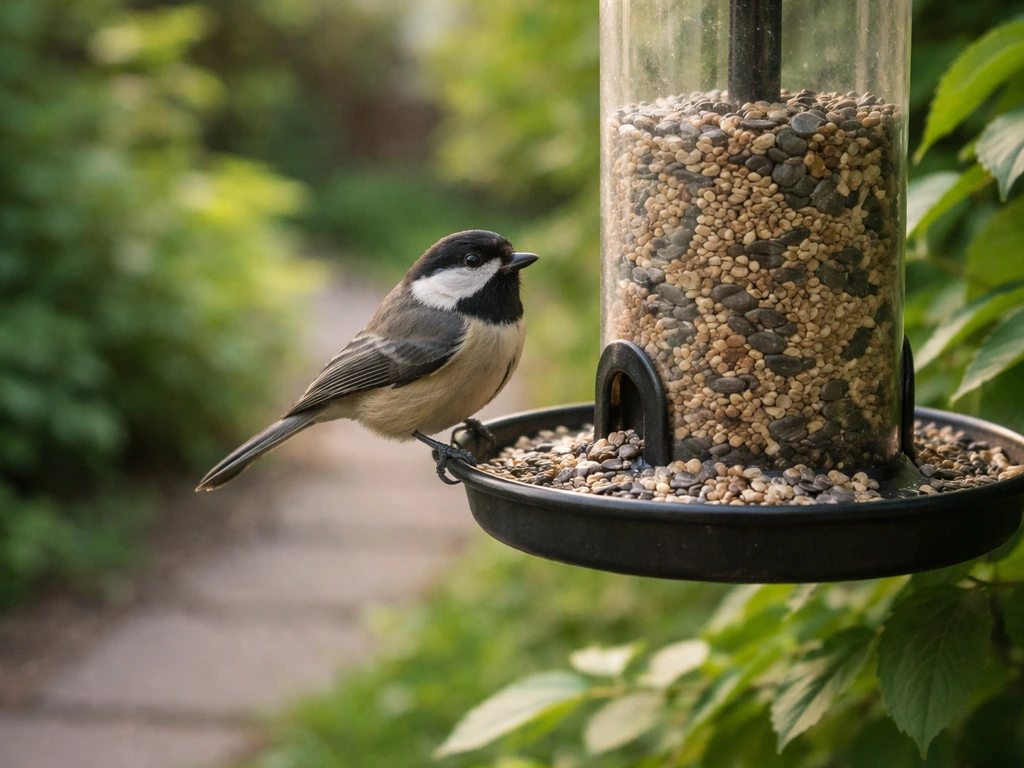
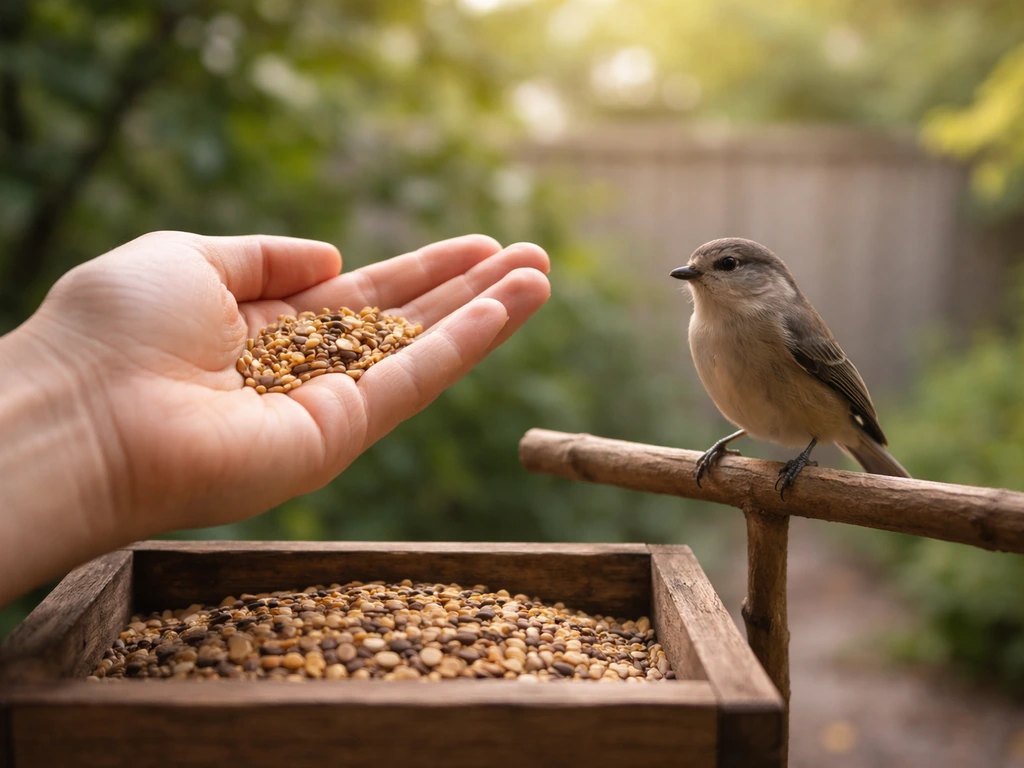
If your goal is to get wild birds to come close to your home or garden, the approach is simple and completely legal: make your space attractive to them. Set up bird feeders with species-appropriate food (black sunflower seeds attract finches and tits; nyjer seed brings goldfinches; suet blocks appeal to woodpeckers and starlings). Add a shallow bird bath with fresh water, changed daily. Plant native shrubs that produce berries, like hawthorn, rowan, or elderberry.
Once birds are visiting regularly, you can slowly increase your presence. Sit quietly near the feeder at consistent times. Don't make sudden movements. Over weeks, some species (especially robins and certain corvids) will start tolerating you at very close range. A few exceptionally bold individuals may even eat from your hand if you hold out food and stay completely still. This is earned trust, not capture, and it's far more rewarding.
Never attempt to catch or restrain a wild bird just because it's come close. Capturing wild birds without a licence is illegal in the UK and most countries, causes significant stress to the bird, and can result in injury to both you and the animal. The only exception is a bird that is clearly injured or in immediate danger, and even then the correct action is to contact a wildlife rehabilitator, not to attempt long-term care yourself.
Handling basics: building trust from day one
Whether you've just brought home a new pet bird or you're working with a rescue, the first 24 to 48 hours should be quiet and low-pressure. Put the bird in its cage, let it settle, and resist the urge to handle it immediately. Let it observe you from a safe distance. Sit near the cage and talk quietly. Read a book nearby. Just be a calm, non-threatening presence.
After a day or two, you can start introducing your hand. Move slowly. Place your hand near the cage bars, then eventually inside the cage near the bird's feet level. Don't reach toward the bird; let it come toward you. Offer a small treat on your palm. Millet sprays work extremely well for budgies and cockatiels. Sunflower seed pieces work for many parrots. The goal is to associate your hand with something positive, not something to flee from.
When the bird is comfortable taking food from your hand, introduce the "step up" cue. Press your finger gently against the bird's lower chest, just above its feet, and say "step up" in a calm, consistent voice. Most hand-tame birds will step onto your finger as a reflex. If the bird backs away or bites, don't force it. Go back to the treat-hand stage for another day or two. Patience here is not optional; it's the method.
Your first-weeks bonding and training plan
A consistent daily routine matters more than long, intense training sessions. Ten to fifteen minutes of focused interaction twice a day beats an hour of chaotic handling once in a while. Here's a rough structure for the first four weeks.
- Week 1: Observation only. Spend time near the cage. Talk softly. No handling pressure. Offer treats through cage bars.
- Week 2: Hand presence in the cage. Let the bird approach your hand. Introduce the treat-hand association. Celebrate any approach, however small.
- Week 3: Practice 'step up' inside the cage. Keep sessions short (5 to 10 minutes). End every session while the bird is still calm, not after it gets stressed.
- Week 4: Practice 'step up' outside the cage in a safe, enclosed room. Introduce the 'step down' cue onto a perch. Begin very short free-flight or supervised out-of-cage time.
Always use positive reinforcement. Reward desired behavior with treats, gentle praise, or whatever the bird responds to. Avoid punishment, loud noises, or forced restraint. These damage trust fast and can set you back weeks. If you're curious about more structured approaches, exploring a broader guide on how to rent a bird for practice sessions or work with a trainer can also give you hands-on experience before committing fully.
When things go sideways: common problems and fixes
Fear and hiding
A bird that retreats to the back of the cage, pants, or flattens its feathers when you approach is telling you the trust-building is moving too fast. Slow down. Spend more time at a greater distance before reducing it again. Fear responses don't mean the bird is broken; they mean the bird hasn't learned yet that you're safe. Give it more time.
Biting
Biting almost always has a reason: the bird is scared, overstimulated, protecting territory, or in pain. Don't react dramatically to a bite (no yelling, no dropping the bird). Withdraw your hand calmly, assess what triggered it, and adjust. If a bird bites consistently during certain activities (like returning to the cage), it's telling you it doesn't want the session to end, and you need to practice cage returns with treats so they stop being a negative event.
Stress signs to watch for
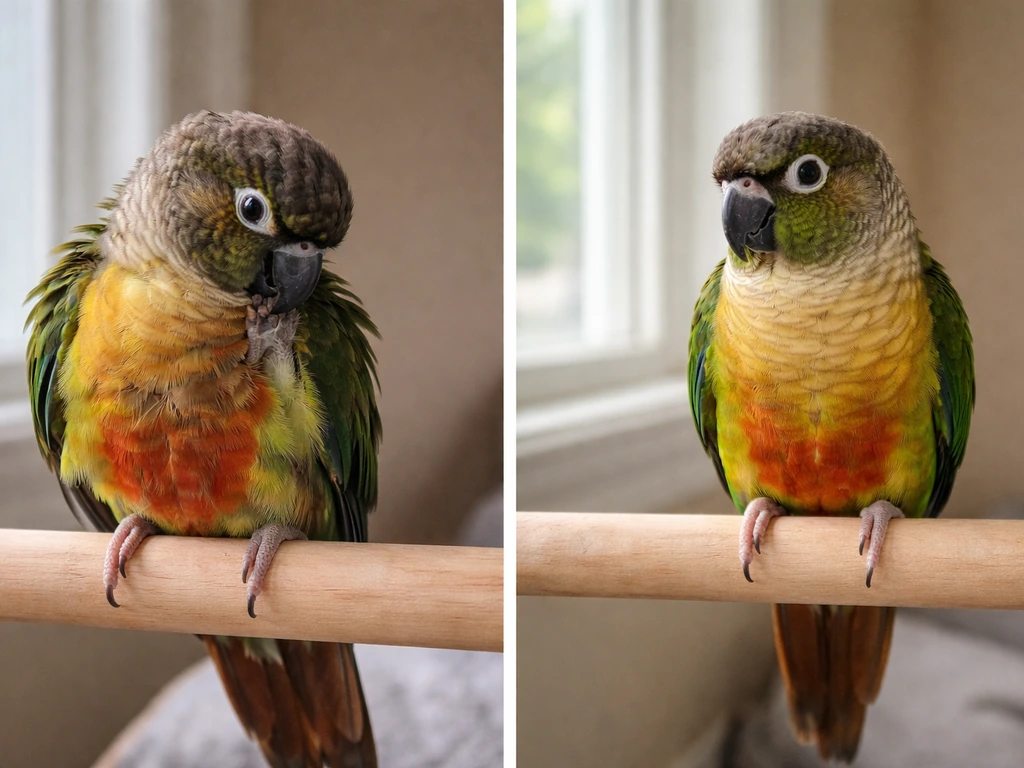
- Feather plucking or barbering (pulling out or chewing feathers)
- Repetitive pacing or rocking (stereotypic behavior)
- Constant screaming or calling beyond normal contact calls
- Fluffed feathers combined with lethargy and reduced appetite (this last combination means see a vet immediately)
- Aggression that appears suddenly in a previously calm bird
Escape risk
Birds move faster than you expect, and an open window or door can end a relationship permanently. Always do a "bird check" before opening any door or window in a room where the bird is out. If the bird is flighted, clip primary feathers only (ask your avian vet to do this first and show you how) or use a purpose-designed flight harness for outdoor time. Never assume a bird won't fly; assume it will.
When to bring in a professional
If you found an injured wild bird, contact a licensed wildlife rehabilitator immediately. Do not attempt to treat injuries yourself, house the bird long-term, or feed it without guidance. The Association of Avian Veterinarians (AAV) provides a “Find-A-Vet” directory/search tool to help you locate an avian veterinarian in your community. In the UK, the RSPCA wildlife line and local wildlife rescue organizations can advise you. In the US, your state wildlife agency can connect you to licensed rehabilitators. Temporary safe housing (a cardboard box with ventilation, in a warm, dark, quiet space) is fine for a few hours while you arrange transport, but that's as far as it should go without professional involvement.
For pet birds with persistent behavioral problems that aren't improving with your consistent effort, an avian behavior consultant or certified parrot trainer is worth the cost. Look for someone using positive reinforcement methods and who is transparent about their approach. A good trainer will work with you and the bird together, not just handle the bird for a few sessions and hand it back. If trust-building feels completely stuck after six to eight weeks of consistent, patient work, getting a professional set of eyes on the situation is the smart call, not an admission of failure.
Getting a bird, in any of the senses that phrase covers, is genuinely rewarding when you approach it right. The common thread across every pathway is the same: move at the bird's pace, prioritize its sense of safety over your enthusiasm, stay legal and ethical, and build the relationship with consistency over time. That's what actually works, and it produces a bond worth having. PetMD notes that feather plucking can have medical or behavioral causes and recommends identifying the underlying issue and getting early care from a veterinarian.
FAQ
How do I get wild birds to visit without attracting the wrong animals or causing safety problems?
Before you try to attract birds, remove hazards first: keep cats indoors, avoid placing feeders where birds must land near traffic or windows, and cover reflective surfaces nearby. If you see repeated window collisions, add window decals or change feeder placement immediately rather than waiting for “it to settle.”
What’s the safest way to manage doors, windows, and balconies if my bird can fly?
If you live in a multi-story building, treat height and falls as part of “how to get a bird” safely. Use a bird check every time you open a door or window, and don’t keep a flighted bird on balconies or near open stairwells, even with supervision.
My bird retreats or ignores my hand, what should I check first besides “being patient”?
When trust-building isn’t working, check the basics that create invisible stress: drafts, cooking fumes, strong fragrances, TV or loud music near the cage, and inconsistent feeding times. Also confirm your bird’s daily sleep, many species need uninterrupted darkness at night.
How do I help a pet bird trust new people (family members, visitors, kids)?
Yes, but do it carefully. Introduce new people gradually using the same routine and cueing, and never force eye contact or handling. For the first introductions, have the helper sit quietly at a consistent distance while you offer treats, so the bird learns the person is predictable.
What are common mistakes that make biting or fear worse during hand-taming?
For hand-taming, train to a consistent cue. If you offer treats before the bird is calm, you can accidentally reward fear and make bites more likely. A simple rule, only treat when the bird is relaxed (not fluffed, not frantic), and end sessions while the bird still looks comfortable.
Do I need to quarantine a new pet bird before bonding with it?
Quarantine and vet checks are a must. If the bird is a rescue, found bird, or a new purchase, keep it separated from any existing birds and arrange an avian vet visit promptly to rule out contagious issues like respiratory infections or parasites.
At what point is it appropriate to go from “watching” wild birds to offering food close by?
For wild birds, you typically should not “gain control,” you should gain familiarity. If you want close-range feeding, increase presence slowly, stay consistent with times, and stop advancing if the bird becomes watchful, vocal, or abruptly relocates.
What should I do if I find a wild bird that seems friendly or “used to people”?
No, having a cage or feeder nearby is not the same as legal possession. If you find a wild bird that appears abandoned, the safe option is contacting a licensed rehabilitator, because the bird could be protected and taking it home can create legal and welfare problems.
What’s the responsible way to handle it if you realize the bird you chose doesn’t fit your lifestyle?
If you get a bird you regret, treat it as an immediate care and welfare problem, not a “wait and see” situation. Contact the rescue or breeder you got it from, or arrange a reputable avian rehoming or trainer-led assessment, because birds can worsen quickly when environments are wrong or schedules are disrupted.
How can I tell whether I’m ready to get a pet bird before bringing it home?
Use a practical “decision pause”: confirm your budget for the species’ realistic lifespan, vet costs, and replacement items, then verify your time for two short sessions daily. If you cannot commit to that for at least a month, delay getting a bird or choose a species and setup that truly matches your routine.
Next Article
How to Teach a Bird to Fetch Step by Step Guide
Humane, step-by-step training to teach your bird to fetch safely, with targets, rewards, troubleshooting, and gradual re