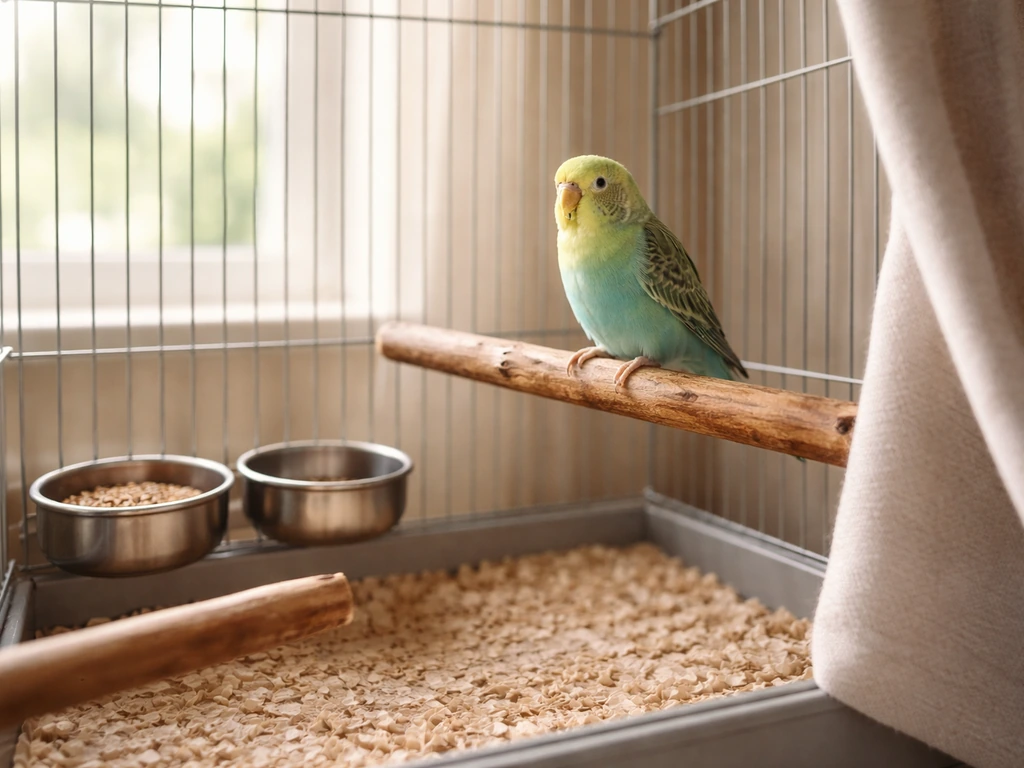
To make a new bird feel comfortable, start by doing less, not more. Set up a quiet, appropriately sized enclosure in a calm room at 70–80°F, give the bird at least 48 hours to observe its surroundings without being handled, and let it eat and move on its own terms before you attempt any interaction. The exact steps after that depend on whether you're working with a pet bird or a wild bird, and whether it's a baby, juvenile, or adult. Getting that identification right first changes everything about how you proceed.
How to Make a New Bird Feel Comfortable: Step-by-Step Guide
Maya Harris
1 May 2026
First: Figure Out What You're Actually Dealing With
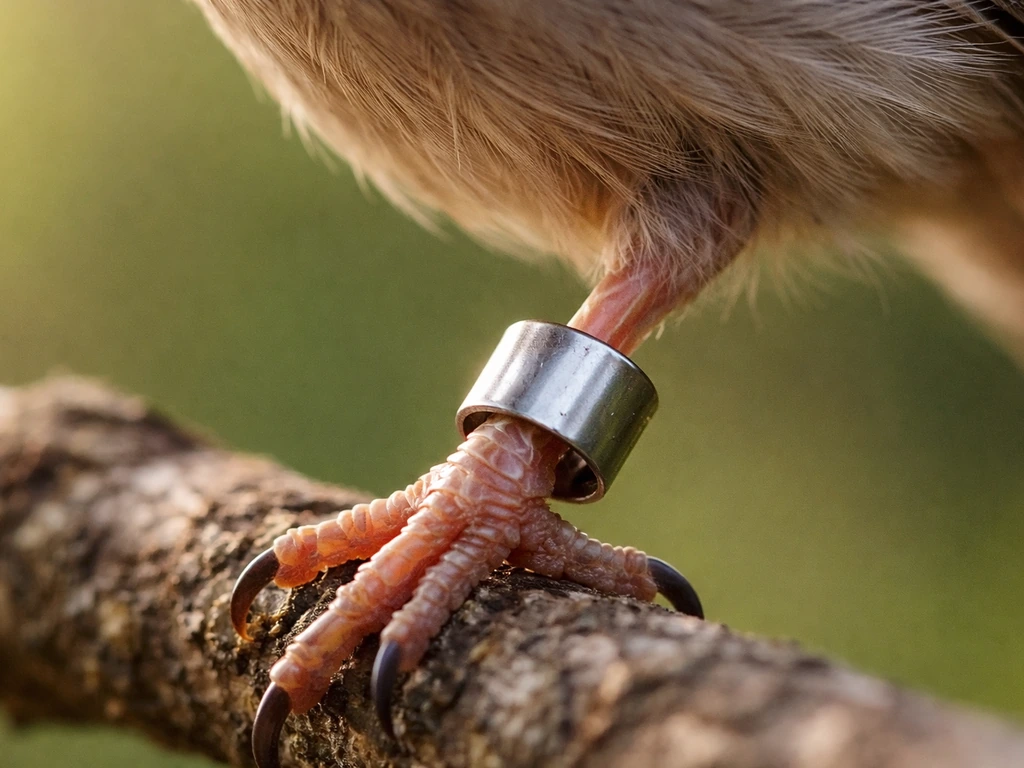
Before you do anything else, you need to know what kind of bird you have and roughly how old it is, because the comfort plan for a hand-raised baby cockatiel is completely different from what you'd do for a wild juvenile songbird or a rehomed adult parrot.
For pet birds, look for a leg band. An open or closed metal or colored plastic band is often the bird's only form of identification and can tell you whether it came from a breeder, a rescue, or has regulatory significance. If the bird has a federal aluminum band, that may indicate a migratory or regulated species, and you should call an avian vet before doing anything else.
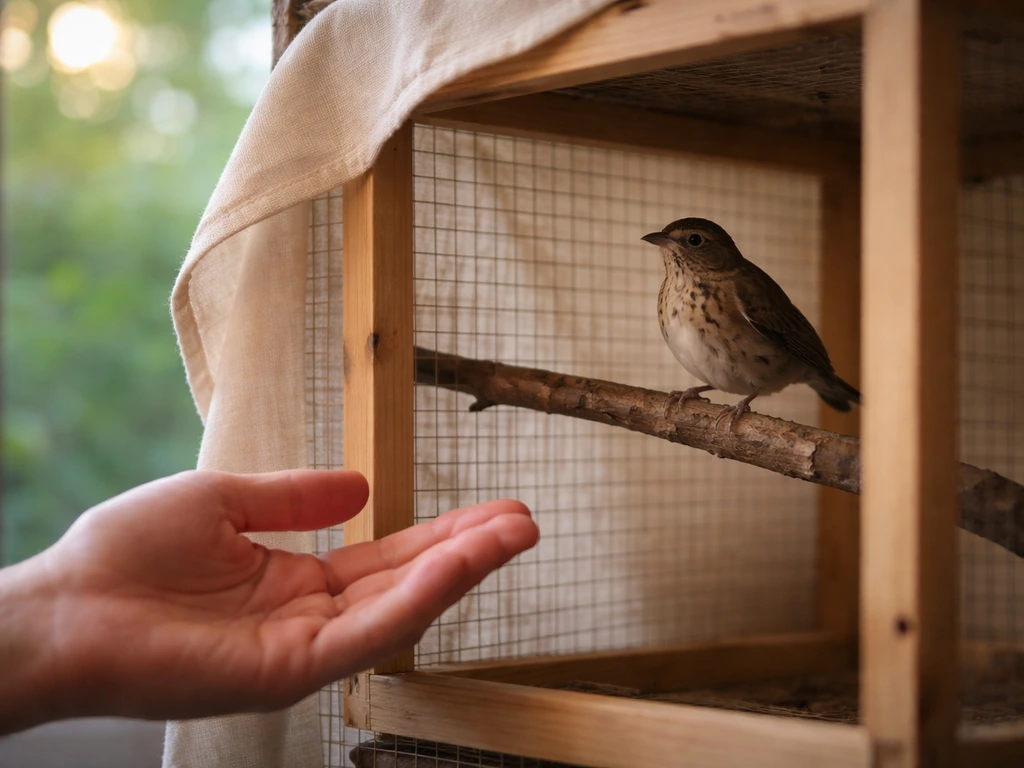
For wild birds, the question is simpler: does it need human help at all? Most wild birds found outdoors do not need intervention. A fledgling bird (feathered, hopping on the ground) is almost certainly fine and learning to fly. A bird that is featherless, has closed eyes, is clearly injured, bleeding, or unable to move itself to safety is a different story. In that case, skip the DIY comfort steps and jump straight to the section on getting professional help below.
| Bird Type | Age/Stage | First Step |
|---|---|---|
| Pet bird (parrot, budgie, finch, etc.) | Baby/hand-raised | Set up a warm brooder/enclosure; minimize handling; feed appropriately for age |
| Pet bird | Juvenile/adult | Quarantine room setup; 48-hour settle period; no forced handling |
| Wild bird | Fledgling (feathered, hopping) | Leave it alone; parent birds are likely nearby |
| Wild bird | Nestling (featherless/eyes closed) | Contact a licensed wildlife rehabilitator immediately |
| Wild bird | Adult (injured or grounded) | Contact avian vet or wildlife rehab; do not feed or give water |
Set Up a Calming Environment Right Away
The first thing a new bird needs is a safe, low-stimulation space. This is not the time to introduce it to the whole family, the dog, or the loud TV in the living room. You can introduce a dog to a bird by keeping the dog calm and supervised and letting the bird remain in a secure enclosure while they learn each other’s presence gradually. Pick a quiet room away from heavy foot traffic, and set up the enclosure there before the bird arrives if at all possible.
Temperature and Lighting
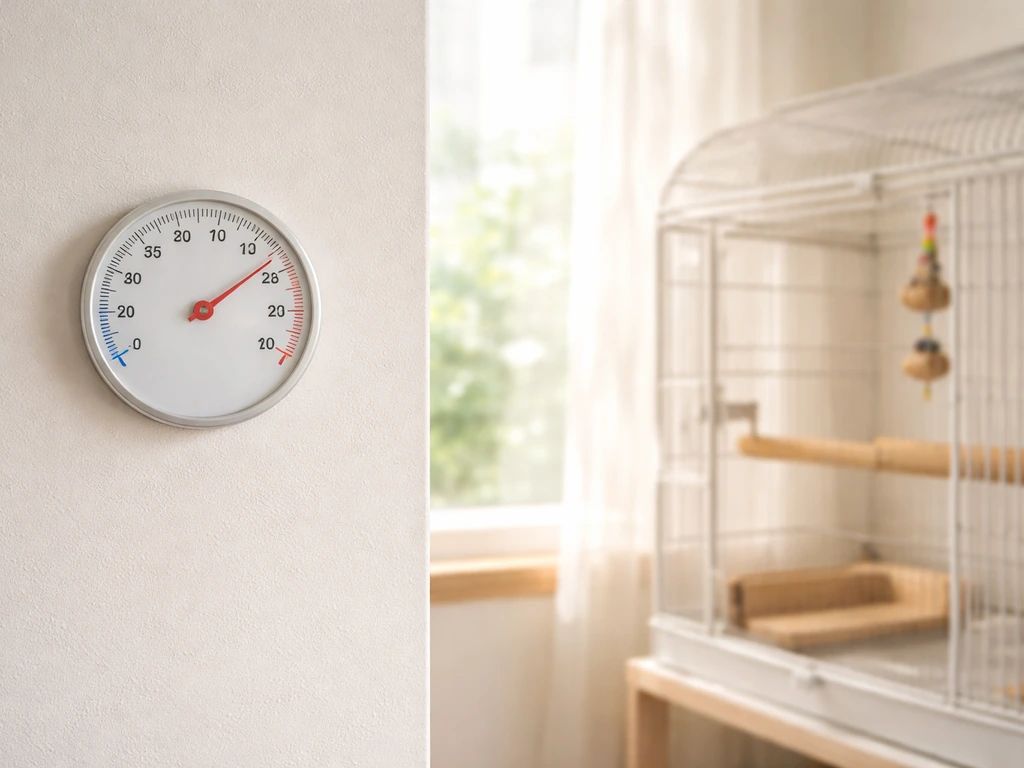
Keep the room at 70–80°F and away from direct air conditioning vents, drafts, or cold windows. For most pet birds, natural light cycling matters: aim for roughly 10–14 hours of light followed by 10–14 hours of darkness depending on species. At night, cover the cage with a breathable cloth or move it to a dark, quiet room so the bird gets uninterrupted sleep. This prevents startle responses from headlights or passing movement that can set back progress with a newly settled bird.
Enclosure Size and Placement
The cage should be large enough for the bird to fully stretch both wings without hitting the sides or bars. Place it at roughly eye level or slightly below, never on the floor (which feels exposed and vulnerable to most birds) and never in direct sunlight. Partial coverage on one or two sides of the cage with a light cloth creates a sense of a sheltered corner, which helps new birds feel less exposed.
Quarantine If You Have Other Birds
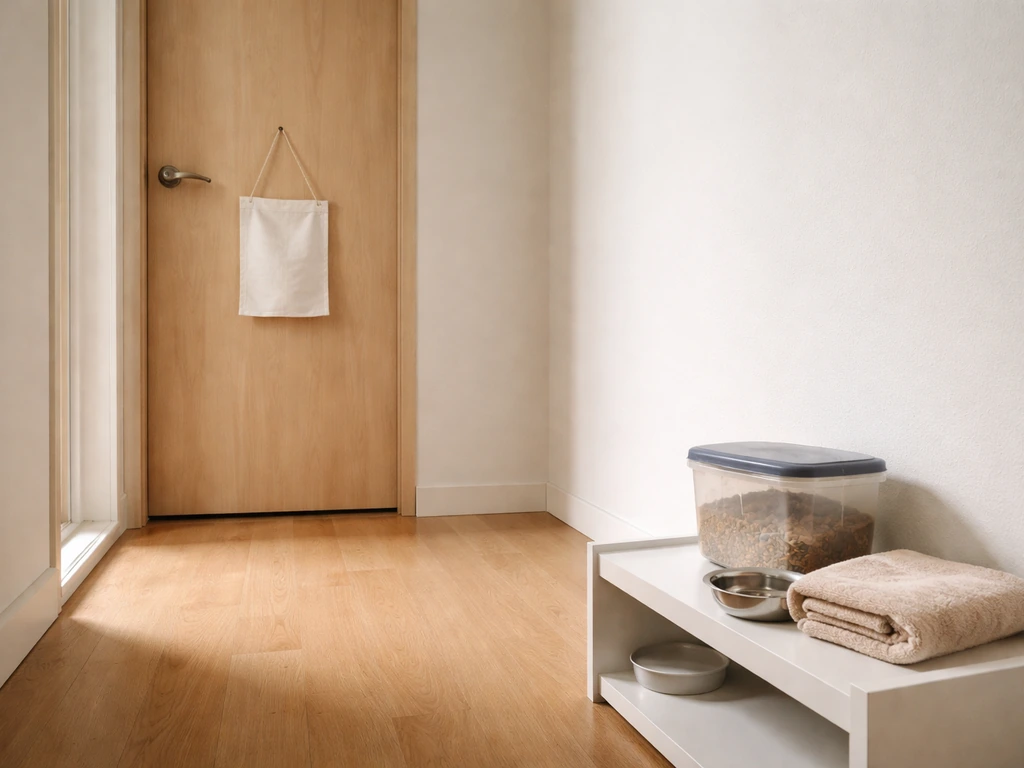
If you already have other birds at home, the new bird needs to be housed in a blank" rel="noopener noreferrer">completely separate room for 30–45 days. This is standard veterinary guidance to prevent disease transmission. Even if the new bird looks and acts healthy, respiratory and bacterial infections can be subclinical at first. Keep separate food and water supplies, wash your hands between rooms, and avoid carrying items between the two spaces. Introducing a new bird to your existing flock is a whole separate process that should wait until quarantine is complete and the bird has had an avian vet checkup. Once the bird is calm and settled, you can focus on how to introduce a new bird to your existing flock how to introduce a new bird to your bird. If you're wondering how to introduce a new bird to another, plan to keep them fully separated at first and only proceed once quarantine and an avian vet check are complete introducing a new bird to your existing flock.
How to Approach a New Bird Without Scaring It
The single most common mistake new bird owners make is trying too hard, too fast. The bird needs to learn that your presence means safety, not threat. You build that association through repetition and patience, not through picking the bird up and holding it until it calms down.
For the first 48 hours, simply be in the same room. Sit nearby, speak in a low, calm voice, and go about normal quiet activities. Do not stare directly at the bird for prolonged periods (a direct stare is a predator signal to most birds). Move slowly and predictably. Announce yourself softly before you enter the room so abrupt entry doesn't trigger a startle response.
Observe the bird's demeanor before any physical approach. Watch its posture, feather condition, and breathing. A bird that is alert, upright, and curious is in a much better position for gradual interaction than one that is pressed into a corner or breathing with visible effort. This kind of observation before contact is exactly what avian vets use to assess a bird's Fear, Anxiety, and Stress level before handling.
When you're ready to begin gentle approach steps, follow this sequence:
- Sit beside the cage at the bird's height for 10–15 minutes daily, speaking softly without making any reach toward the bird.
- After several days of calm acceptance of your presence, slowly move your hand to rest on the outside of the cage bars without reaching in.
- Once the bird does not flinch or retreat at your hand on the cage, begin opening the door and holding your hand still just inside, not reaching toward the bird.
- Offer a small treat (species-appropriate) from your hand while keeping your body still and your face slightly turned away.
- Let the bird choose to step onto your hand or approach you. Never force it. Every voluntary interaction the bird makes is worth far more than a dozen forced contacts.
Do not lean over the bird, put your face close to it during early handling, or hover above it. Approach from the side rather than from above, which mimics a predator strike from a bird's perspective. Keep sessions short (5–10 minutes) and end them before the bird shows signs of stress rather than pushing through.
Using Food and Enrichment to Build Positive Associations
Food is your best trust-building tool, especially in the first few weeks. Feeding the bird is the fastest way to associate your presence with something good. Offer fresh food and water at consistent times each day so the bird can begin to anticipate your visits as positive events rather than unpredictable intrusions.
For most species, start with the foods the bird was already eating before you got it. A diet change on top of a home change compounds stress significantly. Once the bird is settled (usually 1–2 weeks), you can begin introducing new foods gradually by placing them alongside familiar options.
Hand-offering treats is one of the gentlest ways to begin contact. Use a high-value item the bird clearly likes: millet spray for budgies and finches, small pieces of fruit or a favored pellet for parrots. Hold it between your fingers and let the bird take it at its own pace. Over days and weeks, this creates a strong positive association between your hand and good things.
Enrichment also reduces stress by giving the bird something to do. Include at least two to three perches at different heights and textures, a foraging toy or two (especially for parrots and cockatiels), and a safe chew item appropriate to species. Avoid overloading the cage with toys in the first days since novelty can be stressful. Introduce one new item at a time once the bird is settled. Make sure any hanging toys with clamps are attached securely, as birds exploring new toys may remove clips and hurt themselves.
Species-Specific Comfort and Taming Basics
Different bird species have different baselines for fear and trust. Here is practical guidance organized by some of the most common types.
Budgies (Budgerigars)
Budgies are social but easily startled. A new budgie will often press into a corner and look fluffed up for the first day or two. This is normal. Do not interpret it as illness right away unless it persists beyond 48 hours. Place millet spray on the cage bars near where you sit so the bird learns to associate your side of the cage with good food. Budgies respond well to soft talking and even to calm music or bird sounds playing quietly in the room. They are flock birds, so if you have only one, gentle and consistent daily presence from you matters more than it does with naturally less social species.
Cockatiels
Cockatiels are generally more forgiving with beginners than larger parrots. They respond well to gentle, repetitive interaction and are often interested in humans fairly quickly if not pushed. Offer millet or a favorite seed from your hand and allow the bird to set the pace. Watch the crest: a flattened crest held tight against the head signals fear or aggression, while a raised, relaxed crest means the bird is comfortable. Foraging toys are especially beneficial for cockatiels. Make sure the cage has multiple perch options so the bird can choose its own comfort level.
Finches and Canaries
Finches and canaries are not hands-on birds in the same way parrots are, and most do not need or benefit from taming in that sense. Comfort for these species is almost entirely about the environment: a spacious, flight-capable enclosure, appropriate companions (finches are flock birds and generally should not be kept alone), and minimal direct handling. Your goal is a calm, enriched space where the bird chooses to be active and vocal, not a bird sitting on your hand. Limit handling to necessary health checks and do it gently, supporting the body fully.
Parrots (Conures, Amazons, African Greys, Macaws, and Others)
Larger parrots are intelligent, emotionally complex, and often come with a history that affects how they respond to new environments. A rehomed parrot may be grieving the loss of its previous person and can act withdrawn, aggressive, or unusually quiet for weeks. Give it a consistent daily routine from day one: same wake time, same feeding time, same bedtime with cage cover. Routine is one of the most powerful calming tools for parrots. African greys in particular are sensitive to environmental change and may need several weeks before they show any outward comfort. Foraging enrichment (hiding food in paper cups, layered shredding toys, puzzle feeders) gives them an outlet for their intelligence and reduces anxiety. In a peer-reviewed study on captive golden-headed lion tamarins, puzzle feeding increased food engagement and foraging behavior, suggesting enrichment puzzles can improve how animals interact with food puzzle feeders. Begin target training (touching a finger or stick with their beak for a reward) only after the bird is consistently eating well and shows relaxed body language around you.
Recognizing Fear and Stress: What to Watch For
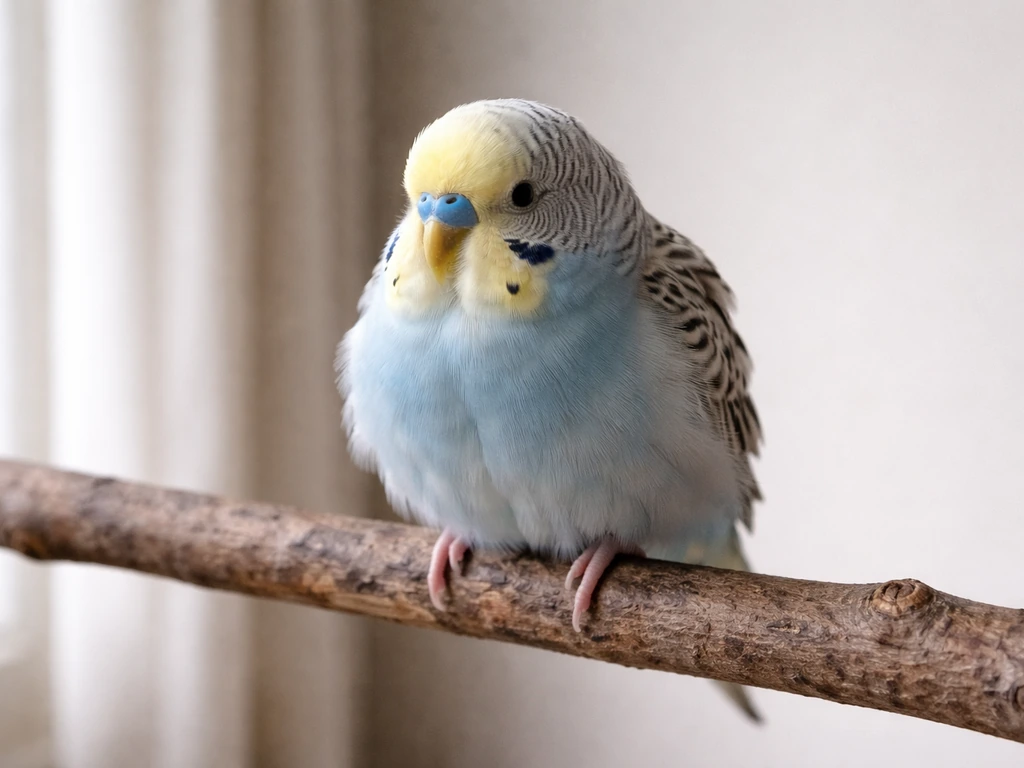
Birds are prey animals and they hide illness and distress well. By the time a bird is showing obvious signs of stress, it has usually been struggling for a while. Knowing what to look for early gives you time to adjust your approach or get help before things worsen.
- Fluffed feathers at rest (not after a bath): mild to moderate stress or early illness signal
- Hiding in a corner or at the bottom of the cage: significant fear or illness; treat seriously
- Frantic pacing, repetitive movement, or bouncing: anxiety and stress, often from overstimulation
- Tail bobbing while at rest (not just after exertion): this is a red flag and can indicate respiratory distress; contact a vet
- Open-mouth breathing: seek veterinary attention immediately
- Screaming persistently or going completely silent (especially in a normally vocal bird): both are stress signals
- Biting or lunging: almost always fear-based in a new bird, not aggression; back off and slow down
- Refusing to eat for more than 24 hours: warrants a vet call, especially in small birds
- Feather chewing or early plucking: can be stress, boredom, medical, or all three; worth a vet evaluation
- Regurgitation not directed at a favored person or food bowl: may indicate illness
If a bird is biting and lunging, the immediate response is to stop what you're doing, step back, and reduce stimulation. Do not punish the bird or put it down abruptly. Calmly withdraw and let it decompress. Then ask yourself what changed: were you too close too fast, was there a loud noise, did you approach from above? Use that information to reset your approach.
If a bird refuses to eat for more than 24 hours, is losing weight visibly, or is spending most of its time on the bottom of the cage, do not wait and hope. Small birds especially can decline rapidly. A stressed bird that isn't eating may be masking illness, and a vet check at this point is the right call.
When to Stop and Get Professional Help
There are situations where DIY comfort steps are not enough and trying to handle them alone can make things worse or cause harm. Here is when to stop and reach out.
For Pet Birds: See an Avian Vet
Every new pet bird should be seen by an avian veterinarian as soon as you bring it home, ideally within the first week. This baseline exam helps catch subclinical illness before it becomes a crisis and gives you a reference point for the bird's normal weight, feather condition, and behavior. If your bird is showing open-mouth breathing, tail bobbing at rest, severe lethargy, obvious injury, feather destruction, or complete refusal to eat, those are not problems to monitor from home. Contact an avian vet the same day.
For Wild Birds: Contact a Licensed Rehabilitator
If you have found a wild bird that appears injured, grounded and unable to fly, featherless, or otherwise in distress, the most important thing you can do is contact a licensed wildlife rehabilitator or avian vet before taking any action. Do not attempt to feed or give water to young wild birds. Do not attempt to keep a wild bird as a pet. In the United States, most wild birds are protected under the Migratory Bird Treaty Act, and possessing them without a federal Migratory Bird Rehabilitation permit is illegal, even with good intentions. A permit authorizes qualified rehabilitators to take, transport, and temporarily possess sick or injured migratory birds. You cannot legally do this yourself without that permit.
To find help, contact the National Wildlife Rehabilitators Association or the ASPCA wildlife referral line for local resources. Your state's wildlife management agency can also direct you to licensed rehabilitators in your area. When in doubt, call first and handle second.
A Note on Band Identification
If a bird you've found or acquired has a federal aluminum band with a number on its leg, that bird may be part of a banding study or have regulatory significance. Report the band number to the USGS Bird Banding Laboratory. The band type and context can also help determine whether a bird is a legally owned pet or a regulated wild or migratory species, which affects what you're allowed to do with it.
Your Next Steps Today
If you've just brought a new pet bird home, the most useful thing you can do right now is set up its space correctly, reduce all unnecessary stimulation for the next 48 hours, and book a vet appointment. Everything after that: the trust-building, the handling, the enrichment, the taming specific to your species, is a process measured in days and weeks, not hours. Give the bird time to learn that your home is safe before you try to be friends. The birds that become the most comfortable companions are almost always the ones whose owners were patient enough to let them get there on their own schedule.
FAQ
How long should I expect it to take before my new bird seems comfortable?
After the first 48 hours, it’s normal for many birds to still retreat, fluff, or stay mostly in one corner. Progress is usually shown by eating, relaxed posture, and less cornering when you enter the room, not by approaching you right away. If the bird starts eating well, maintains steady breathing, and engages with perches or toys, you can continue with slow, short sessions without forcing contact.
What should I do if my bird shows fear or agitation during a comfort session?
If you see stress while you’re present, your session should end early. A practical rule is to stop the moment you notice sustained cornering, repeated lunging, stiff body posture, or aggressive head-thrusting, then give the bird a full decompression period in the next quiet cycle (no extra handling that day). Comfort improves faster when you reduce pressure consistently instead of “pushing through” brief fear bursts.
Is it okay to cover the cage at night, and what are the common safety mistakes?
Covering the cage at night is meant to block startling movement, but make sure the cloth is breathable and does not touch heat sources or obstruct ventilation. Also, avoid using heavy blackout material that the bird can pull and tangle in, and keep the nighttime light level stable so the bird can sleep. If your bird is sensitive to changes, switching rooms at night can sometimes add stress compared with covering the cage in place.
When should I begin trying to touch or handle the bird, and how can I avoid backsliding?
Don’t “start taming” by grabbing or lifting for wing or beak checks. Instead, use a stepwise approach: first reward calm presence with hand-offered treats, then target training or touch only after the bird is consistently eating without retreat. If the bird won’t take food near you, go back a step (more distance, shorter sessions, higher-value treats) rather than increasing physical attempts.
Can I use treats to calm my bird if I’m also changing its diet?
Yes, you can accidentally make a bird less comfortable by changing diet too soon. If the bird isn’t already eating a full, familiar diet reliably, keep treats limited and consistent, and avoid introducing multiple new foods at once. For birds that are very stressed, using the same daily treat in the same way (time and location) is better than experimenting.
What discomfort signs are actually health red flags, not just “bad temperament”?
If your bird regurgitates, becomes suddenly very quiet, or shows repeated open-mouth breathing during or right after handling attempts, pause interaction and reassess the environment (temperature, drafts, noise, and enclosure setup). Those signs warrant prompt veterinary guidance, especially open-mouth breathing or refusal to eat, because they can indicate illness rather than behavior. Comfort steps should not be used to “train through” breathing difficulty.
How strict does quarantine need to be if my new bird looks healthy?
For quarantine, the key is full separation, not just distance. Use separate food and water dishes, wash hands between rooms, and avoid carrying shared items like towels, toys, or perches from the existing bird area to the new bird area. Airflow matters too, so avoid placing the cages so that one bird’s air blows directly into the other room’s space.
What should I do if my new bird refuses to eat, even though I’m doing everything calmly?
If your new bird is not eating, doesn’t accept your presence, or appears to be deteriorating, don’t wait for gradual trust-building steps to “kick in.” First, check that temperature and lighting are appropriate and that the preferred familiar foods are offered in a low-stress way, then contact an avian vet if eating hasn’t resumed within 24 hours or if weight loss is obvious. Hunger can worsen stress and can also hide serious illness.
My bird lunged or bit me once. Will it get worse, and how should I recover from that moment?
If there’s a biting incident, the immediate goal is to reset the interaction environment, not to punish or physically correct. Step back, reduce stimulation, and resume later with shorter sessions that start from a farther distance and end quickly before the next stress build-up. Keep in mind that approaching from above or hovering your face can increase bite likelihood even when the bird seems calm at first.
Why might a finch or canary seem stressed even when the cage setup is ideal?
For flock species like finches, comfort is strongly tied to social structure. If you have one finch alone, it may show more stress behaviors even with a perfect enclosure because it lacks a compatible companion. For many of these birds, minimal handling plus correct pairing or a proper small flock setup is what helps them settle and remain active.
Next Article
What to Do When You Get a New Bird: First Day to Week
Step-by-step first day to week plan for new pet or rescued wild birds, covering setup, safety, feeding, and vet red flag