Bird dog training works best when you stop fighting a dog's instincts and start working with them. That's the core idea behind instinctive training, and it's the fastest, most humane path from a bouncy, bird-crazy puppy to a dog that holds a solid point and retrieves to hand on command. Here's exactly how to do it, in the right order, with practical fixes when things go sideways.
Bird Dog Training Tips: Instinctive Method for Beginners
Maya Harris
8 Apr 2026
What 'instinctive' bird dog training actually means
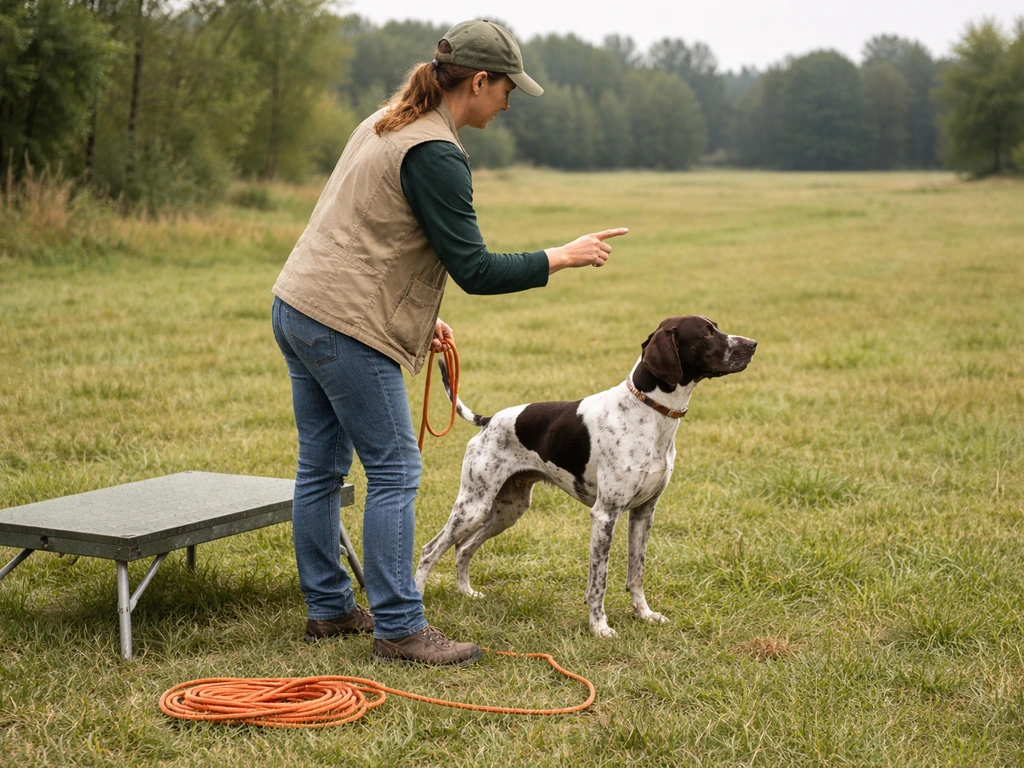
The phrase sounds a bit mystical, but it's really just a framework: you identify what the dog already wants to do naturally, then shape those tendencies into reliable, finished behaviors using timing and reinforcement. Prey drive is the engine. Behaviorally, prey drive runs through a sequence: search and orient, stalk, chase, and finally bite or capture. Every bird dog breed was selected to interrupt that sequence at a specific point. Pointers and setters freeze at the stalk stage, which is where the 'point' lives. Retrievers were bred to emphasize the capture-and-carry stage.
Instinctive training means you're not manufacturing these behaviors from scratch with force. You're setting conditions where the dog naturally expresses the behavior, then adding a cue, rewarding it, and gradually raising the criteria. A dog that already freezes on birds doesn't need to be taught to point; it needs to learn to hold the point until released and then retrieve on command. That distinction matters a lot for how you structure your sessions.
Age matters here too. Most pointing breeds aren't ready for structured field sessions until around 8 to 10 months, though some pups show real readiness as early as 6 months. Pushing formal training too early can dull drive rather than build it. If your dog is under 6 months, focus entirely on bonding, basic manners, and passive bird exposure.
Setup, equipment, and safe, humane handling
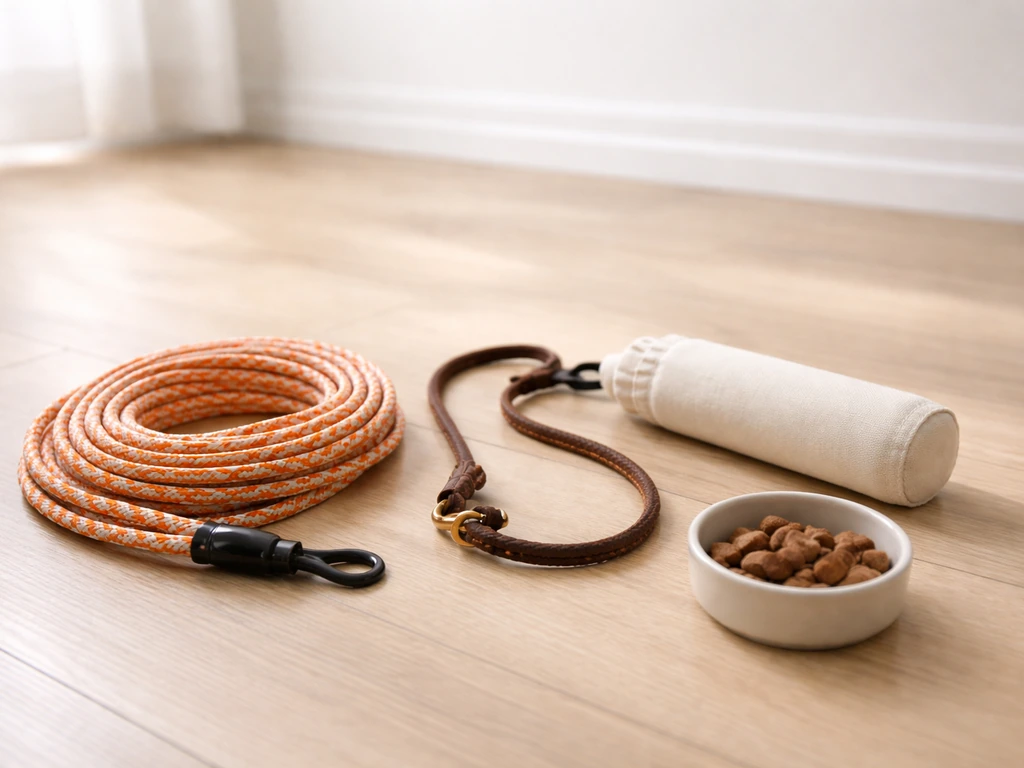
Before you go near birds, get your training environment and gear sorted. A good session is built before you leave the house. Here's what you actually need to get started:
- A 20 to 30 foot check cord (lightweight braided nylon works fine, no need to spend much)
- A slip lead or flat collar for yard work and recall drills
- A bumper or training dummy for retrieve conditioning
- High-value treats: cooked chicken, freeze-dried liver, or similar
- A clicker or consistent verbal marker like 'yes'
- A secure field or yard for early sessions, then a bird-accessible area for pointing work
- Pen-raised quail, chukar, or pigeons for controlled bird exposure
On e-collars: if you're considering one, be aware that professional certifying bodies like CCPDT require that stimulation be applied only to the neck, only one collar at a time, and that the collar be discontinued immediately if the dog shows distress or fails to show appropriate learning. Their guidance also states that electronic training tools should only be considered after other training strategies have been exhausted. For a beginner, skip the e-collar entirely until you've built solid foundation behaviors on a check cord and the dog understands every cue clearly.
Welfare basics: never train a dog that's overheated, sick, or overstimulated. Keep early sessions to 10 to 15 minutes. End on a success, not a failure. Birds should never be harmed during training. Pen-raised birds used in launcher work can be returned to the pen unharmed when timing and technique are good. If you're working with wild birds or in the field, you need to understand your local regulations before you go out, and I'll cover that in the ethics section below.
Core training methods: reinforcement, conditioning, and timing
Reinforcement timing is the single most important technical skill you'll develop as a handler. The reward needs to land immediately after the desired behavior, not five seconds later when the dog has moved on to sniffing the grass. FOUR PAWS notes that the [marker signal](https://www. four-paws.
org/our-stories/publications-guides/clicker-marker-signals-in-animal-training-tips-best-practices), such as a clicker or a selected word cue, is given at the precise target moment and paired with reward delivery within a short window (around a maximum of 2, 3 seconds). Research from veterinary and training sources is consistent: reward the instant the behavior is complete. If you're teaching 'sit,' the treat hits the moment the dog's rear touches the ground, not after you've said 'good boy,' reached into your pocket, and fumbled around.
A clicker or verbal marker closes that timing gap by bridging the behavior to the reward.
The three methods you'll use most are: luring (using food or a bumper to guide a behavior), shaping (rewarding successive approximations toward the target behavior), and capturing (marking and rewarding a behavior the dog offers naturally). For pointing work, capturing is especially powerful because the dog is already pointing on its own. You're just putting a name to it and rewarding it every time it happens.
Conditioning means building associations over repetition. Every time your dog hears 'whoa' and holds still and gets rewarded, the word gets stronger as a cue. When you're conditioning new behaviors, keep the environment simple and distraction-free at first. Raise one variable at a time: distance, duration, or distraction level, never all three together.
Jackpot rewards are worth knowing about too. When a dog nails a behavior for the first time or at a new level of difficulty, give three or four treats in rapid succession instead of one. That extra burst of reward signals that something special just happened and tends to accelerate learning at key milestones like the first reliable hold on point.
The skill ladder: foundational steps in order
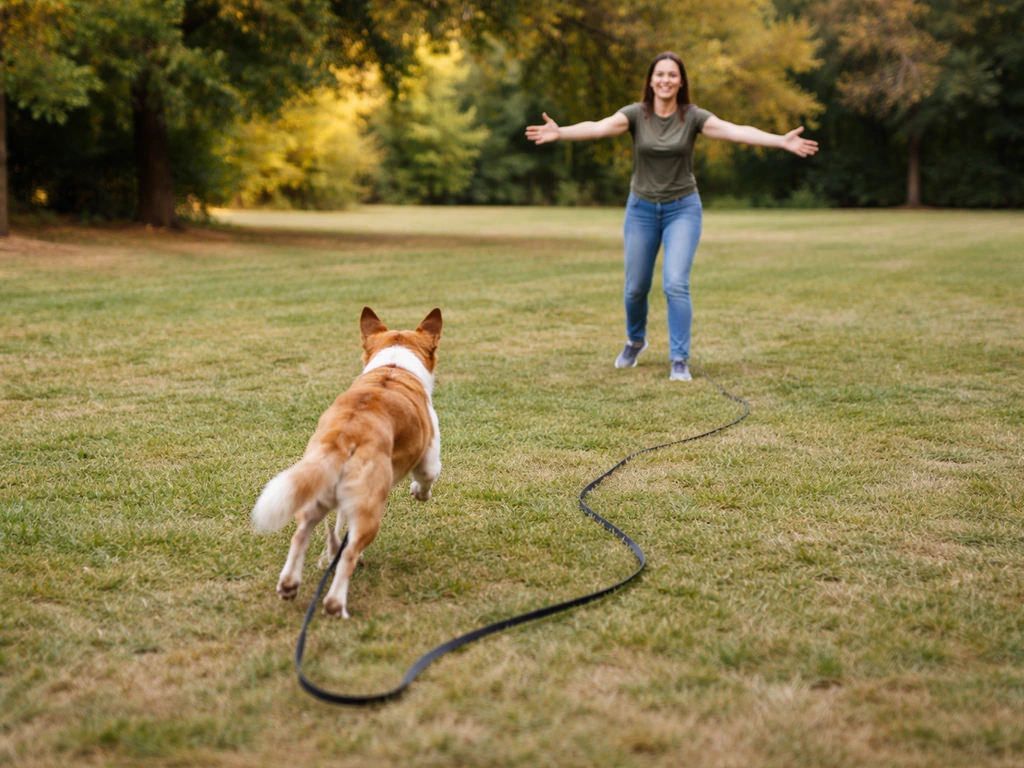
This is where a lot of handlers go wrong: jumping straight to bird work before the dog has reliable recall and basic manners. If your dog doesn't come when called reliably in the yard, it definitely won't come when it smells a bird 50 yards away. Build in sequence.
Step 1: Recall
Start with a long line in a low-distraction area. Say your recall word once (use the dog's name followed by 'here' or 'come'), crouch down, clap your hands, and celebrate hard when the dog arrives. Never repeat the cue; one call should be enough. If the dog doesn't respond, use gentle check cord pressure to guide it toward you, then reward when it arrives. Practice this 15 to 20 times per session before adding any bird element to training.
Step 2: Sit, stay, and whoa
Lure the sit with a treat above the dog's nose, reward the instant the rear hits the ground. Once sit is solid, add duration by waiting one second, then two, then five before rewarding. 'Whoa' is the pointing dog equivalent: stand, freeze, don't move. Teach it during calm moments first. Put a hand flat in front of the dog's face, say 'whoa,' and reward every second of stillness. You can also teach it while the dog is already standing still after a sit. Build duration to 30 seconds in the yard before you ever use it in the field.
Step 3: Retrieve foundations
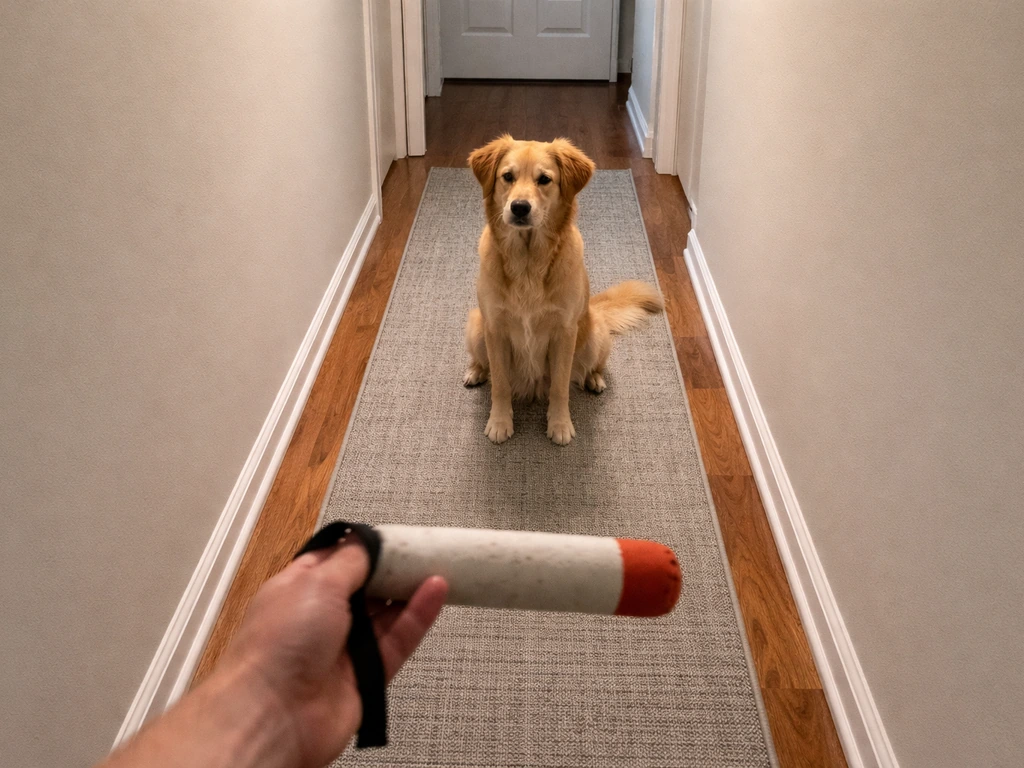
Use a training bumper in a hallway or small space to prevent the dog from running away with it. Toss it a short distance, let the dog pick it up, then back away quickly (movement triggers the chase instinct and brings them to you). When the dog arrives, reach under the chin, take the bumper, and reward immediately. Build distance slowly. You can learn more about the full retrieve process in this guide on how to train a bird dog, which covers the retrieve-to-hand progression in detail.
Step 4: Bird exposure and pointing
First bird contacts should be pressure-free. Let the dog find the bird on its own; don't force the encounter. If the dog freezes naturally (even for a second), mark it with your verbal marker and keep still yourself. Timing here is critical: launchers and planted birds work best when the bird is released at the precise moment the dog commits to the point and holds. Releasing too early or too late teaches the wrong thing. The moment the dog breaks the freeze, the training moment is over. When things go right, use your jackpot reward as soon as the point breaks on your release cue.
Step 5: Steadiness to wing and shot
This is where most bird dog training really begins. According to standards used in competitive field events, a dog that holds its point until the handler indicates, then remains steady through the flush, is demonstrating one of the most valued behaviors in the discipline. The progression goes: steady on point, then steady to wing (bird flushing), then steady to shot (gun fired), then retrieve only on command. Introduce gunfire only after drive is strong and the dog is confidently retrieving bumpers. Have an assistant fire a blank pistol at a safe distance while the dog is focused on a retrieve, not while it's idle or anxious. Gradually close the distance across many sessions.
Troubleshooting common problems
Most training problems fall into a handful of predictable categories. Here's what to do with each.
| Problem | Likely Cause | Fix |
|---|---|---|
| No interest in birds | Too young, too much pressure, wrong breed drive level | Back off, offer passive exposure only, wait 4 to 6 weeks and try again |
| Chasing/breaking point | Drive is high but steadiness not yet trained, reward timing off | Return to whoa drills, use check cord to prevent chase, reward hold |
| Barking at birds | Frustration or overexcitement | Shorter sessions, more distance from birds, reward calm focus |
| Ignoring recall in field | Recall not proofed with distractions, no competing reward | Rebuild recall on long line with high-value treats, never chase the dog |
| Check cord tangling/panicking | Dog unfamiliar with cord, cord too heavy | Introduce cord in yard with no birds, use lightweight line, build comfort slowly |
| Refusing to retrieve | Drive not engaged, too much pressure, bumper not interesting | Restart in hallway with enthusiasm, use feathered bumpers or frozen birds |
A dog with very low bird interest is a common frustration. Avoid pushing through extended 'bird-crazy' training sessions when drive is low; they tend to backfire by creating negative associations. Instead, cut the session short, remove the bird, and return the next day fresh. If you're consistently struggling with a dog that chases uncontrollably and won't hold a point, the approach covered in how to train a dog to leave a bird alone can give you a useful behavioral reset before you reintroduce pointing work.
Delayed chase (running after a bird seconds after it flushes, rather than immediately) is a steadiness fault in formal testing contexts and is just as much of a problem in practical hunting. The fix is the same as for breaking: go back to whoa, add the flush stimulus at low intensity (a tossed bumper, then a fluttering bird in a launcher), and reward any stillness you can capture.
Building toward real fieldwork
Once your dog holds whoa for 30 seconds in the yard, retrieves a bumper to hand reliably, and at least pauses on bird scent, you're ready to start moving this into the field. The progression is: structured yard drills, then a known bird field with planted birds and a check cord, then an open field with real hunting conditions.
In the field, use the check cord to manage distance and prevent blowing through cues. Keep the cord light enough that it doesn't slow the dog, but long enough to stop a chase. As the dog demonstrates reliability, let more cord drag on the ground. Eventually you pick it up only when you need it. This is exactly the mechanical connection approach that experienced trainers use to build responsiveness before adding any electronic tool into the picture.
Distance and distraction work follows the same rule as yard training: raise one variable at a time. Add distance on recall before adding bird distractions. Add bird distractions before adding gunfire. A complete breakdown of how to sequence this field progression, including how hunting contexts change the training picture, is covered in this guide on how to train dog to bird hunt.
On the pointing side specifically, once your dog is holding a point for several seconds on planted birds, start working on the 'honor' behavior: having one dog hold its point while another dog works. In formal hunt tests and field trials, dogs are expected to honor without being whoa-ed into it; they should recognize the pointing dog and stop naturally. That takes repetition with low-pressure setups where honoring is rewarded enthusiastically. For a deeper breakdown of pointing mechanics and how to sharpen the behavior at each level, the step-by-step approach in how to train a bird dog to point is worth reading alongside this guide.
Progress markers to watch for at each stage:
- Recall is 90% reliable in the yard with no birds present
- Whoa holds for 30 seconds with mild distractions (squeaky toy, movement nearby)
- Dog retrieves a bumper to hand 8 out of 10 times in a small space
- Dog pauses for at least 3 to 5 seconds on first bird contact without a cue
- Dog holds point through bird launch and remains until released
- Dog is steady to wing with handler at side before gunfire is introduced
- Dog retrieves a shot bird to hand without redirecting or chasing
Ethics, welfare, and the legal side of bird dog training
Humane training is not just the right thing to do; it also produces better dogs. Coercive methods that rely on pain or fear tend to suppress drive, which is the opposite of what you want in a bird dog. Positive reinforcement paired with well-timed check cord guidance gives you reliable responses without the fallout. If you're ever in doubt about a technique, ask yourself: is this building the dog's confidence and drive, or eroding it? That question will steer you right most of the time.
If you choose to use an e-collar at an advanced stage, follow the guidance that professional training organizations have established: one collar only, neck placement only, and discontinue immediately if the dog shows distress. That guidance exists for good reason. But honestly, most of what this article covers doesn't require one at all.
On the legal side, there's more to know than most people expect. The Migratory Bird Treaty Act makes it unlawful to pursue, hunt, take, capture, kill, or sell approximately 1,100 species of migratory birds without proper permits. Using wild birds in training without appropriate authorization isn't just an ethical problem; it's a federal issue. Stick to pen-raised birds for training purposes, and make sure the birds come from a licensed supplier.
Land access is another legal requirement that hunters often overlook. In most states, entering private land to hunt or train dogs requires oral or written permission from the landowner. Using a public wildlife management area or refuge with dogs may also have specific restrictions depending on the state and season. Dog laws, including leash rules and which areas allow off-leash hunting dogs, vary widely by state and are worth researching for your specific area before you go out.
Vaccinations matter practically and legally too. Most states require current rabies vaccination for dogs, with boosters on a set schedule. If your bird dog is going into the field, around wildlife, and potentially in contact with other dogs at training events, staying current on vaccines is a basic welfare and compliance requirement. Hunter harassment laws also exist in many jurisdictions, meaning that deliberately interfering with lawful hunting activities is prohibited. Good field etiquette and knowing your legal environment go hand in hand.
What to practice today
If you're just getting started, pick one skill from the foundational ladder and do only that for the next week. Most beginners should start with recall and whoa, because everything else depends on those two behaviors being solid. Run 10 to 15 minutes of recall practice on a long line in your yard, reward hard every time, and then do five minutes of whoa duration work. That's a complete beginner session.
If your dog has good manners and basic recall already, your next session should be a bumper retrieve in a hallway or small yard with no birds, focusing on the dog delivering to hand. Once that's clean, move to a planted bird in an open space on a check cord and simply let the dog find and point it, marking the freeze with your verbal marker and rewarding the hold. Keep it short, keep it positive, and end while the dog still wants more. That hunger for the next session is what drives real progress.
FAQ
How long should a first bird-training session be, and when should I stop if my dog is getting excited?
Yes, but only if you prevent the dog from learning that birds cause chaos. Do short, pressure-free bird sessions (10 to 15 minutes), keep your distance control solid (check cord or launcher boundaries), and end immediately after the dog shows a clear freeze or steady behavior. If the dog starts hunting hard, chasing, or breaking the point repeatedly, stop and reset for the next day instead of pushing through.
What’s the best way to know if my reward timing is actually correct during pointing or whoa training?
Use your eyes and timing, not the number of treats. If the marker and reward land after the dog repositions, breaks the freeze, or begins chasing, you are reinforcing the wrong moment. For stillness work, mark the instant you see a complete freeze, then reward. If you miss the timing, pause and only continue on the next clean repetition.
My dog won’t hold still for whoa, even though I’m rewarding. What handler habits commonly ruin steadiness?
Staying calm and staying still are part of the cue, especially for “whoa.” If you talk more than necessary, reach toward the dog before the freeze, or step forward when the dog is learning, you can unintentionally cue movement and delay steadiness. Practice whoa with minimal movement from you first (hand flat, quiet body, reward).
Should I repeat “here” or “come” if my dog doesn’t respond the first time?
Don’t repeat the recall cue. One call should be enough, then follow with gentle guidance on the check cord if needed, and reward the arrival. If you repeatedly say “come” until the dog comes, the dog learns that you will keep calling, not that the first cue matters.
What should I do if my dog starts a chase after the bird flushes, even though it points?
If your dog is chasing after flushes instead of becoming steady, you likely skipped whoa-to-flush criteria or you introduced flush intensity too soon. Go back to a low-intensity “stillness” version (tossed bumper, then very light launcher or fluttering setup) and reward any pause you can catch. Once the dog can still at low intensity, only then increase stimulus realism.
My dog has lots of drive but won’t hold a point. How do I tell whether it’s a drive problem or a steadiness problem?
If the dog is “too bird crazy” and you keep losing the rep, it often means you’re asking for a steadiness behavior before drive-to-retrieve is consistent. Shorten bird exposure, remove birds for a day or two, rebuild recall and whoa, then reintroduce birds at a pressure-free distance. Look for progress by success rate and hold duration, not by how excited the dog gets.
Should I teach whoa directly on the point immediately, or can I build point steadiness differently?
For a first dog that points naturally, begin by naming and rewarding the freeze, then move to “hold until released.” Avoid drilling “whoa” aggressively on top of the point too early. If you force whoa instead of reinforcing the dog’s own natural stillness, you can create a dog that waits for the handler’s physical cue rather than for the bird situation.
What’s the safest way to progress from yard work to field work without setting my training back?
Yes, but change only one variable at a time and track it. If you add distance and birds and gunfire in the same day, you can’t tell what caused failure. A practical rule is: recall distance increases first, then add bird scent, then add flush intensity, then add gunfire. If reliability drops, revert only the last variable you added.
How do I teach “honor” without turning it into a forced whoa behavior?
“Honor” should be taught with control and low pressure. Use steady, already-trained dogs, keep the pointing dog’s release predictable, and reward the second dog for stopping naturally. If you force the honoring dog into stillness with frequent corrections, you may suppress recognition and teach obedience rather than honoring.
Can I change treats or rewards during training sessions, and does that affect consistency?
Don’t switch reward types mid-lesson if it changes your timing or your dog’s motivation. Use whatever is reliably reinforcing for that dog that day, and make sure the reward can be delivered instantly at the correct moment. If your dog suddenly slows when you change treats, it often means the new reward doesn’t land fast enough or isn’t as motivating.
When is it actually appropriate to consider an e-collar for bird dog training tips?
In most beginner scenarios, you should avoid going straight to electronics and instead perfect the check cord and cues first. If you do use any electronic tool later, only add it after the dog understands the behavior chain clearly, and ensure the dog can succeed without it in low-distraction conditions. Frequent tool use when the dog is confused can create stress and mask the real training gap.
Next Articles
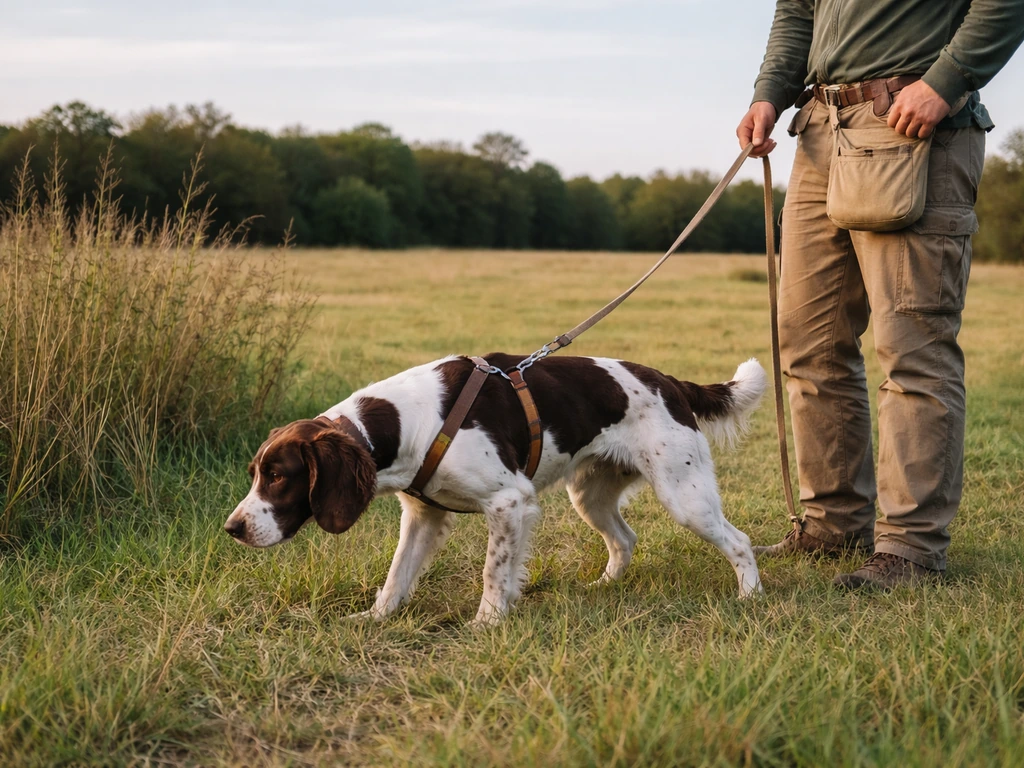
How to Train a Dog to Bird Hunt: Step-by-Step Plan
Step-by-step, humane plan to train your dog to bird hunt: obedience, scent, pointing, flushing, retrieving, and gun cond
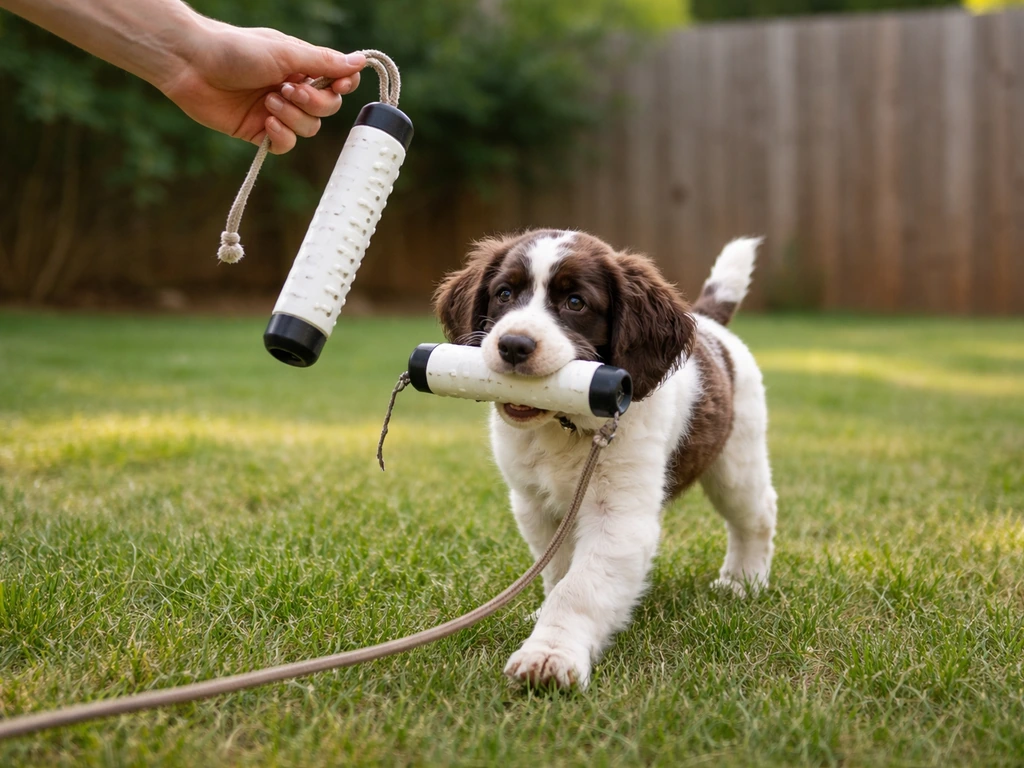
How to Train a Bird Dog: Puppy to Retrieve to Birds
Step-by-step guide for training a bird dog puppy, building humane retrieval skills from basics to birds.
How to Teach a Bird to Fetch Step by Step Guide
Humane, step-by-step training to teach your bird to fetch safely, with targets, rewards, troubleshooting, and gradual re