Training a dog to bird hunt is a step-by-step process that takes months, not weeks, and it works best when you build each skill on top of the last. The short version: start with solid obedience, add controlled bird exposure, then layer in gun conditioning and real field scenarios only after the foundation is locked in. Rush any of those steps and you risk producing a dog that chases wildly, spooks at gunfire, or avoids birds entirely. Do it right and you end up with a reliable, confident hunting partner who's a pleasure to run in the field.
How to Train a Dog to Bird Hunt: Step-by-Step Plan
Maya Harris
7 Apr 2026
Choose the right dog and gear before you start
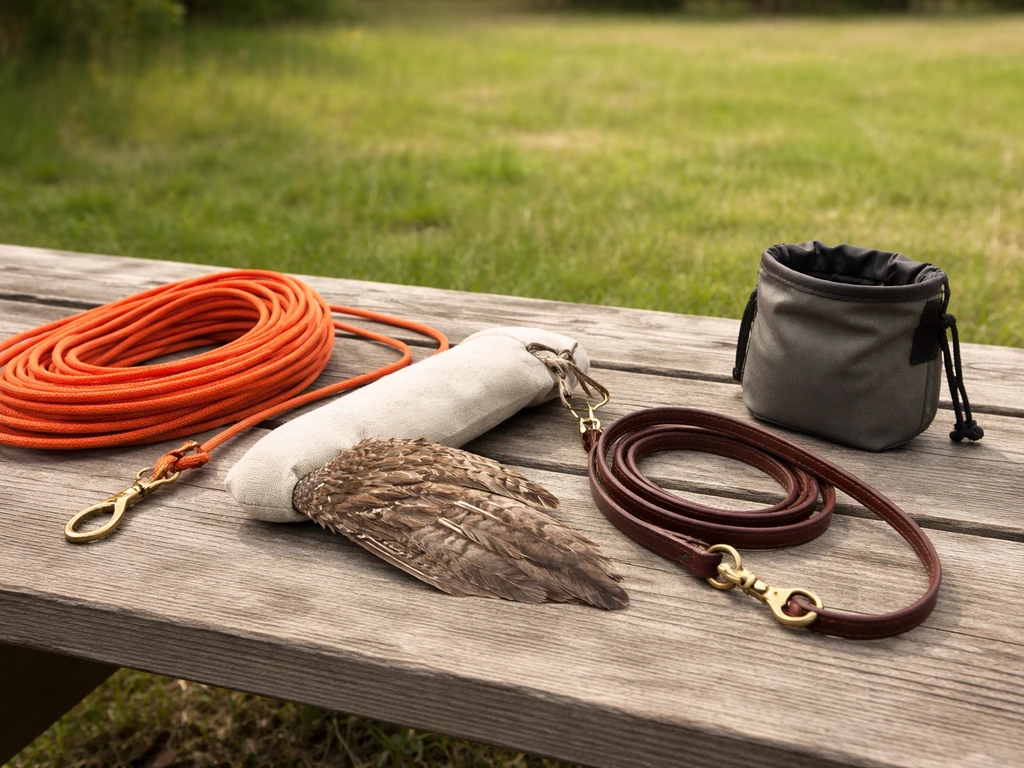
Not every dog is suited for bird hunting, and starting with the right individual saves enormous frustration. Look for natural prey drive, a willingness to work with you rather than independently, trainability (the dog should respond to pressure and reward), and a nose that stays down and active. Pointing breeds like German Shorthaired Pointers, Brittanys, and Vizslas are natural upland choices. Retrievers like Labrador and Golden Retrievers dominate waterfowl work. Flushers like Spaniels sit in the middle. If you want one dog that tracks, points, retrieves, and works both land and water, a versatile continental breed (Wirehaired Pointing Griffon, Deutsch Drahthaar) is worth serious consideration. You can find detailed breed-specific guidance in our deeper look at how to train a bird dog, but the key point is simple: start with a dog that has the instincts for the job.
On the gear side, keep it minimal at first. You need a long check cord (20 to 30 feet), a slip lead or flat collar, a good whistle, and a treat pouch. A bird launcher becomes useful once you move into bird introduction. Avoid squeaky toys entirely with a bird dog in development. NAVHDA training guidance specifically calls out squeaky toys as something to skip because they can distort prey drive and desensitize the dog's natural bird interest in ways that work against you later.
Build obedience and recall before anything else
Every experienced trainer will tell you the same thing: the dog that has a reliable recall, sits or whoas on command, and heels calmly is the dog that becomes a great bird dog. The dog that skips this phase is the dog that chases birds into the next county and ignores the whistle. Before you introduce any bird exposure, your dog should have a clean recall in low-distraction environments, consistent heel behavior on and off leash, a solid sit or whoa (more on that distinction shortly), and the ability to hold a stay while you move around them.
Recall is the single most important skill in the whole progression. A recall training approach that builds from simple exercises at home and slowly layers in distractions is far more effective than just calling the dog and hoping for the best. The reliable recall course concept, where you start from low-distraction indoor spaces and add environmental difficulty in controlled steps, is the right framework. One NAVHDA handler interview puts it clearly: marking (the ability to track and retrieve a downed bird) comes directly from obedience, specifically from being taught to be steady on point or to hold a whoa on a flush. If the obedience isn't there, the hunting behaviors won't stack properly on top of it.
Whoa vs. sit: know which cue your dog needs
Here's a nuance that trips up beginners. Pointing dogs are trained to a "whoa" cue that means "stop and stand still," not "sit." Retrievers typically use "sit" and "stay." Some dogs naturally stand when stopped, making whoa intuitive. Others naturally sit when halted, which means you need to be deliberate about building the stand behavior before you attach a cue to it. The Smith Kennels approach gets this right: shape the stand behavior first until the dog can reliably hold it, then attach the whoa cue. Putting the cue on before the behavior is solid is one of the most common beginner mistakes.
For retrievers, steadiness is the equivalent foundation. Ducks Unlimited frames it this way: an unsteady dog cannot be considered properly trained. Steadiness means the dog holds position through the shot, through the splash, through the excitement, and only breaks to retrieve on your command. That's not a natural behavior. It's built through structured repetition, and it takes time. A useful handling drill is cradling the dog between your legs while birds are thrown, gradually reducing physical support as the dog learns to self-regulate. Expect weeks of this work, not a single session.
The core bird-hunting skills: tracking, pointing, flushing, and retrieving
These four behaviors are the engine of bird hunting. How you develop them depends on your dog's breed and role, but the progression logic is the same across all types: build each skill in isolation before combining them in field scenarios.
Tracking and scent work
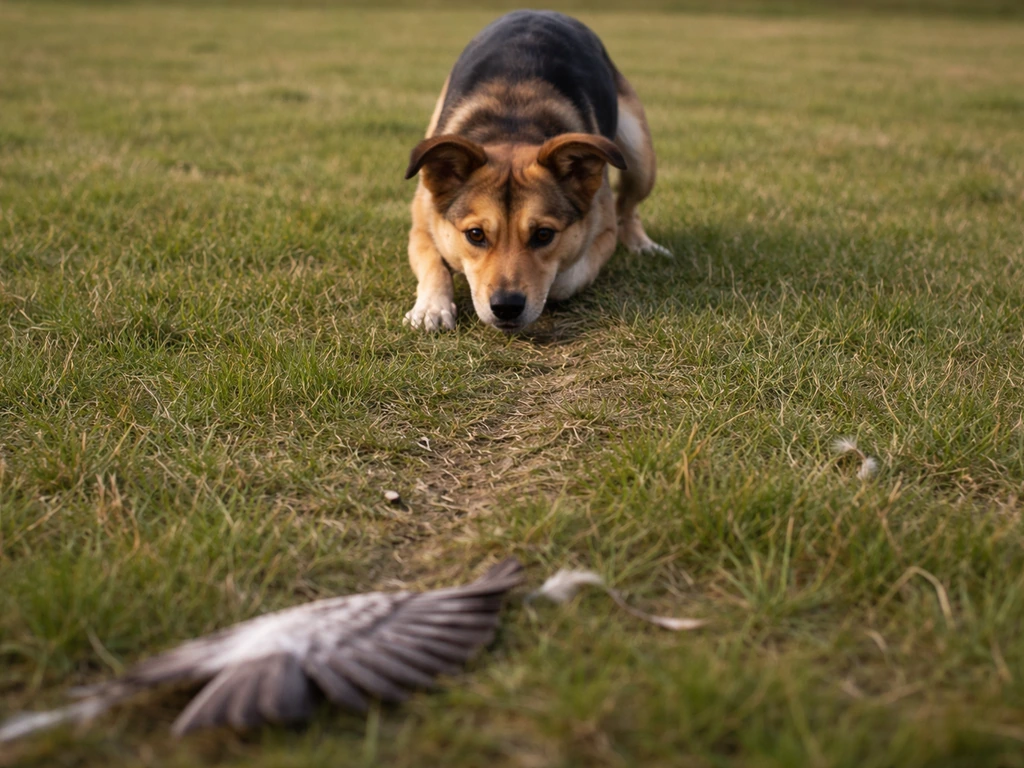
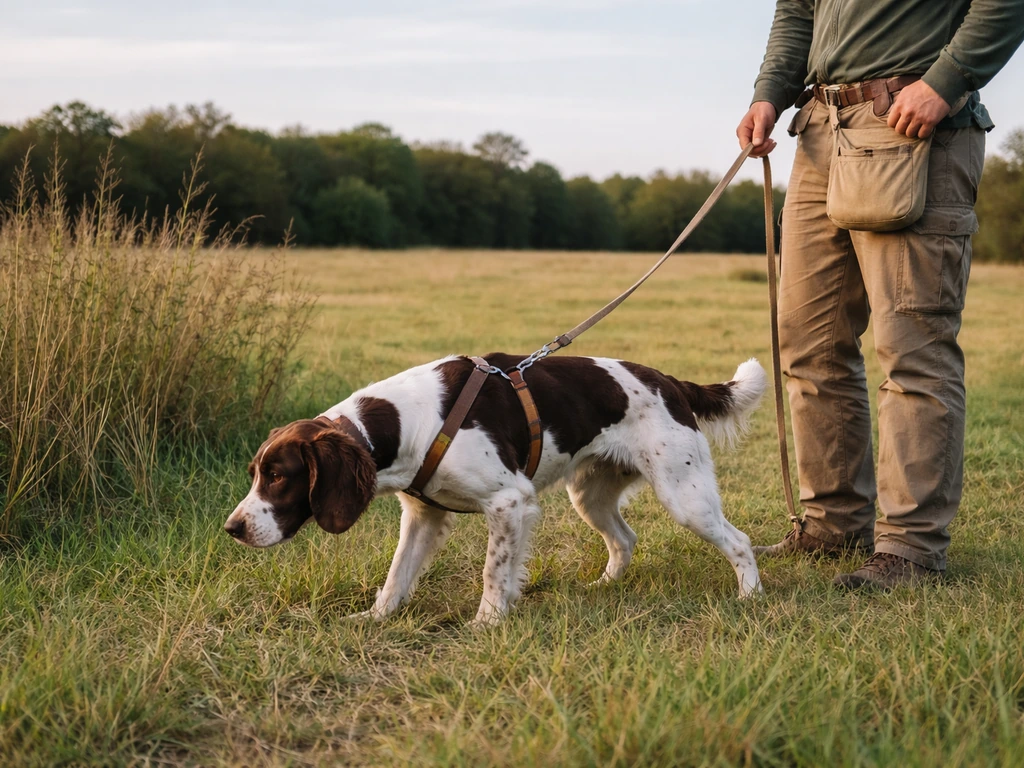
Scent tracking starts with letting the dog follow a dragged bird wing or a scent-soaked dummy across short distances in a yard or field. The goal is to teach the dog to use its nose to follow a trail, not just run around randomly. As the dog succeeds, extend the trail length, add turns, and use older scent (drag the trail and wait 10 to 15 minutes before releasing the dog). Keep sessions short, 5 to 10 minutes, and end on a successful find. Scent work builds confidence and reinforces that working the nose pays off.
Pointing
Natural pointing instinct shows up early in many breeds, often as young as 8 to 16 weeks. Your job is to reinforce it, not force it. When the dog locks up on a scent, go quiet, move in slowly from the side, and let the moment settle. Say "whoa" calmly if the dog is already holding. Reward the hold with calm praise. Never push the dog into the bird or let it rush in and catch it. As trainer guidance from NAVHDA's natural ability work emphasizes, never allow a puppy to catch a bird during training. The chase and catch reward is far more reinforcing than anything you can offer, and once a dog learns it can catch birds, teaching a reliable point becomes much harder.
Flushing
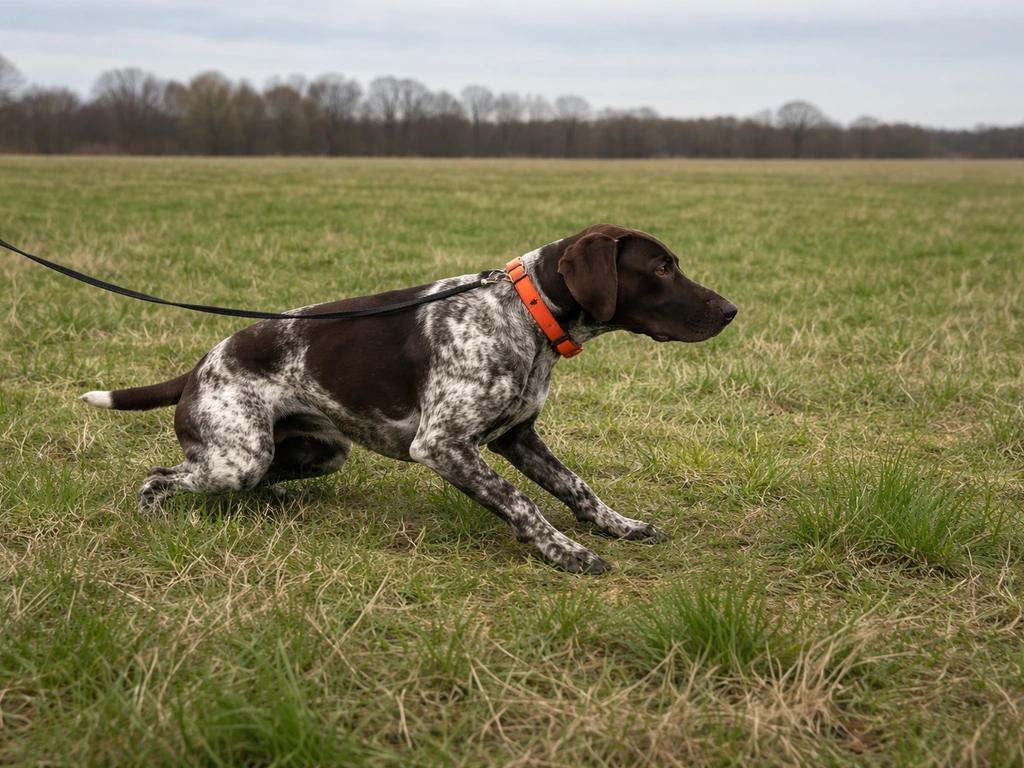
For flushing breeds, the goal is a controlled flush followed immediately by a sit or stop whistle. The dog finds the bird, pushes it up, and then drops to a hup (spaniel term for sit on flush) the moment the bird rises. This is trained first with dummies thrown from your hand, then with birds on a check cord, then with planted birds. The flush-and-hup combination is what makes a flusher safe and useful in a hunting scenario. Without it, the dog is just chasing birds rather than hunting with you.
Retrieving
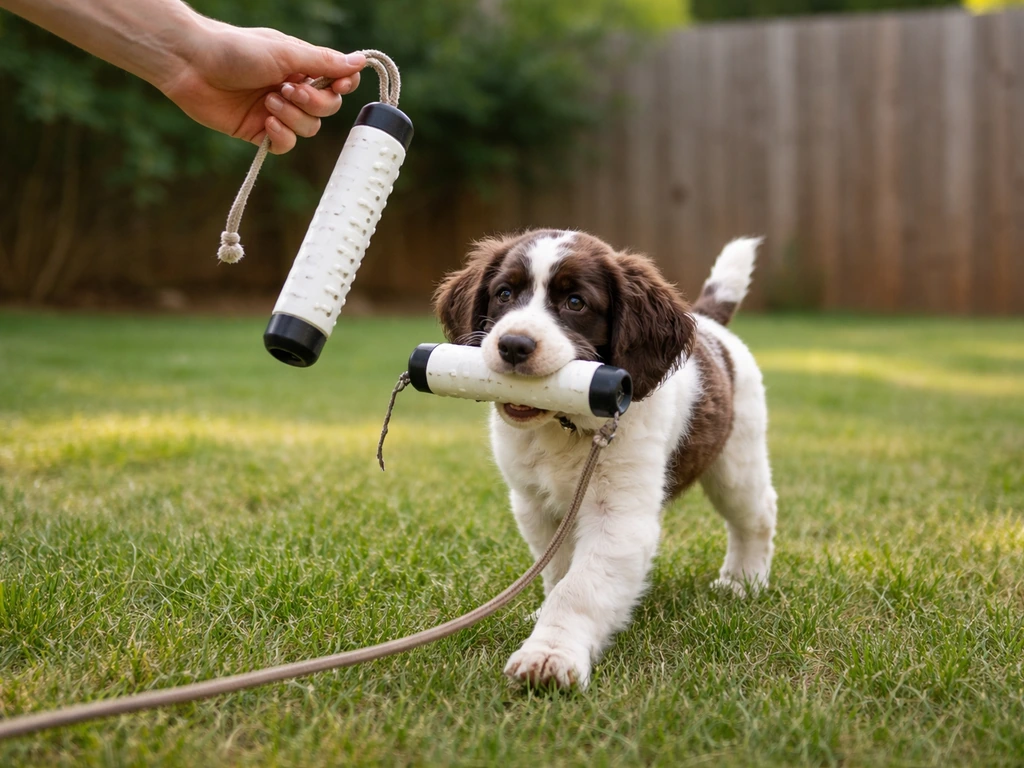
Start retrieving on a dummy or tennis ball in a hallway where the dog can't run around you. Reward the return and the delivery to hand. Once that's solid, move to outdoor retrieves on a long line. For hunting retrieves, the dog must return directly to you, hold the bird gently, and release on command. Avoid harsh commands the moment the dog has a bird in its mouth. Punishing the delivery step is one of the fastest ways to create a dog that drops birds short or refuses to retrieve at all. NAVHDA's Invitational rules note that harsh return commands after the dog has the bird negatively affect performance, and that same logic applies in training: keep the delivery a positive, rewarding moment every single time.
Conditioning for birds and scent before live bird work
Before you ever put a live bird in front of your dog in a real scenario, go through a deliberate conditioning phase with safe practice birds and props. This is where most beginners skip ahead too fast, and it's where many bird problems get created.
- Start with frozen or thawed bird wings clipped to a fishing rod. Drag them across the ground and let the dog track and interact with the scent. Watch for natural pointing or stalking behavior and reward it.
- Move to cold (recently thawed) whole birds. Let the dog sniff, mouth gently, and carry the bird. The goal is comfortable, confident bird contact without fear or aggression.
- Introduce live birds in a controlled, calm setting. A homing pigeon with its wings gently taped (a common and humane method for short sessions) works well because pigeons are rugged, return home, and give realistic scent and movement.
- Use a bird launcher once the dog is comfortable with scent and contact. Place the bird, bring the dog across the scent cone from downwind, and pop the launcher when the dog makes scent. This mimics what will happen in the field.
- Use a check cord to prevent chasing and deliver clear, calm feedback the moment the dog breaks toward the bird after flush.
Pro trainer Alec Sparks uses the concept of successive approximation, building through a ladder of live bird contacts in controlled settings before moving to hunting grounds. Homing pigeons and launchers are central to that system because they allow abundant, repeatable bird contacts without depleting your training resources or stressing the birds excessively. For a broader look at how to structure these sessions, our guide on bird dog training tips covers additional setup strategies worth reviewing alongside this progression.
Introducing live birds, gun conditioning, and real field work
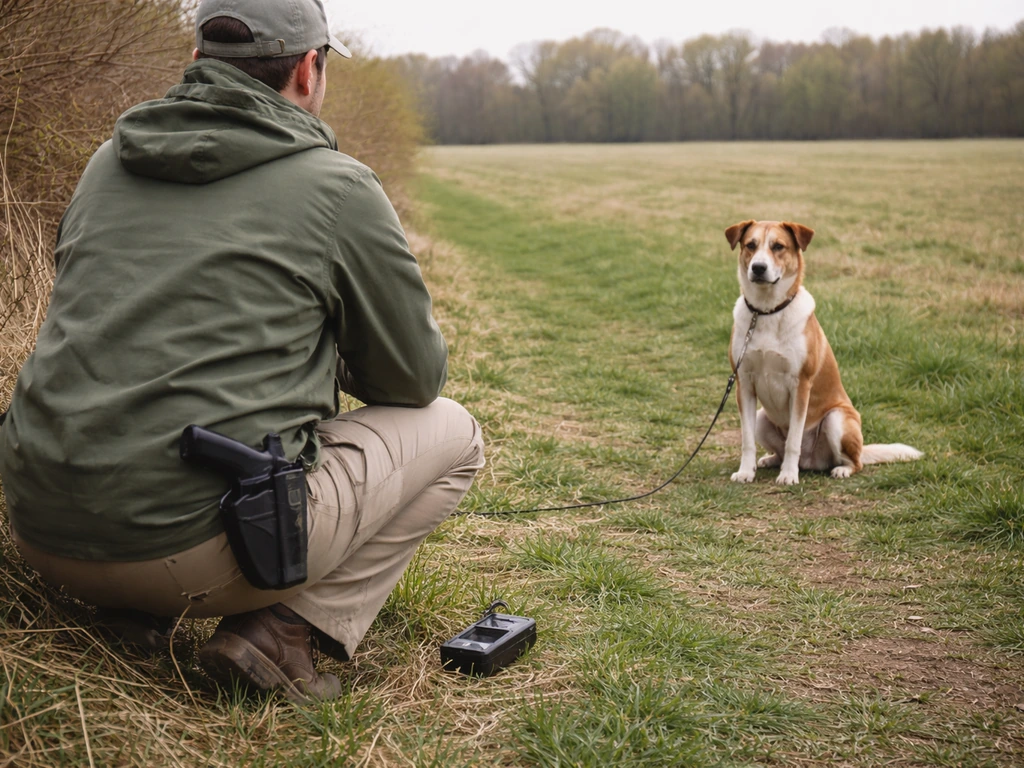
This is the phase most people are eager to reach, and the phase that requires the most patience. Gun shyness and bird problems are the two outcomes trainer George Hickox identifies as the worst-case results of this stage, and both are almost always caused by moving too fast. A dog that becomes gun-shy has lost its hunting utility. A dog that develops a "bird problem" (fear, avoidance, or frantic chasing) is equally compromised. Take the following sequence seriously.
Gun conditioning: go slow and stay positive
Start with sound desensitization well before any live fire. Clap your hands, use a starter pistol at distance, or play gunshot audio at low volume during feeding time. The dog should associate sudden sounds with good things, not with fear. Move to a .22 blank pistol fired at significant distance (50 yards or more) while the dog is excited about bird work. The excitement of bird contact naturally buffers the sound. Only after multiple sessions of calm, positive response at distance do you move closer or step up to shotgun volume. Never fire a gun directly over a young or unseasoned dog. Safety rules from NAVHDA chapters are worth adopting for your own training grounds: keep the gun in the open position until the dog is on point, never shoot when a dog or person is in the line of fire, and never handle a firearm carelessly around dogs who are learning to trust the field environment.
Controlled live bird introductions
Use planted birds in familiar training grounds before hunting real wild country. Plant the bird, work the dog into the scent cone from downwind, let it work the point, then flush the bird (either by stepping in yourself or using a launcher). Have a gunner positioned safely ahead and to the side to make the shot. After the bird is down, hold position briefly before sending the dog on a retrieve command. This sequence teaches the dog the full chain: find, point, flush, mark, retrieve, deliver. Repeat it many times before adding complexity like multiple birds, heavy cover, or water retrieves.
Wild birds offer an authenticity that planted birds can't fully replicate, and many experienced trainers consider wild bird contact essential for finishing a dog. If you don't have access to wild hunting grounds during the off-season, NAVHDA training clubs and licensed hunting preserves are legitimate alternatives that provide controlled access to game birds in realistic settings. The step from controlled training to wild bird hunting should feel like a smooth transition if you've done the earlier phases well.
Field progressions: a rough timeline
| Phase | Focus | Approximate Timeline |
|---|---|---|
| Foundation | Obedience, recall, whoa/sit, heel, basic retrieve | Months 1 to 3 |
| Bird Conditioning | Wing dragging, thawed birds, pigeon contact, launcher intro | Months 3 to 5 |
| Gun Introduction | Sound desensitization, blank pistol at distance, shotgun at distance during bird work | Months 4 to 6 |
| Controlled Field Work | Planted birds, full point-flush-shot-retrieve chain on training grounds | Months 5 to 8 |
| Wild Bird Hunting | Real hunting scenarios, multiple birds, varied cover and terrain | Month 8 and beyond |
Reinforcement, timing, and welfare-first handling
Reward-based training works in bird dog work, and the timing of that reward is everything. Reward the exact moment the dog does the right thing, not three seconds later. Late rewards teach the wrong behavior. Use high-value food rewards in early training, transitioning to the bird contact itself as the reward once the dog is in the field. For most bird dogs, a successful point-flush sequence is intrinsically rewarding. Your job is to channel that drive rather than suppress it.
E-collars are used by many professional bird dog trainers, but they belong late in the training progression, after the dog fully understands what's being asked of it. Smith Kennels' e-collar introduction approach is a good model: teach the behavior with positive reinforcement first, proof it on a long line, then introduce the e-collar as a communication tool rather than a punishment device. The e-collar should replace the check cord, not replace teaching. Start on the lowest effective stimulation level and always pair it with a known verbal or whistle cue the dog already understands.
One handling cue worth emphasizing for pointing dogs: the "whoa" on a flush. When the dog is on point and the bird flushes, the dog must hold or drop on your command rather than chase. This is where the steady foundation pays off directly. For retriever handlers working on steadiness, the physical positioning drill (cradling the dog against your legs during thrown marks) is a low-tech, effective way to teach the hold before adding distance and distraction. Details on how and when to teach these stationary cues are covered in our guide on how to train a bird dog to point, which pairs well with this section.
If you share your home with other birds, whether pet parrots, backyard chickens, or any species you're rehabilitating, you'll also want a parallel plan for managing your dog's behavior around those animals. Teaching a dog to ignore non-game birds is a distinct skill, and our article on how to train a dog to leave a bird alone walks through that process in detail so your hunting dog learns clear boundaries around the birds you don't want it to chase.
Troubleshooting common problems and building your training plan
Even well-planned training hits snags. Here are the most common problems and practical fixes for each.
Dog chases instead of pointing or stopping
This is normal early behavior. Every pointing dog starts its career chasing birds. The fix is the check cord: let the dog find the bird, and when it breaks into a chase, the cord provides a clear, immediate consequence without you having to yell or grab the dog. Pair the cord check with your whoa cue, then reset and try again. Do not let the dog self-reward by catching a bird. That single catch can set back pointing work by weeks. Use a launcher to control the flush timing and always have the check cord attached until the dog is steady off-cord.
Breaking point (anticipating the flush)
A dog that creeps forward on point or breaks before the flush hasn't been taught to hold the point independently of your position. Go back to basics: practice whoa with you walking away, walking around the dog, and making noise. Only release the dog on a specific command. Add bird exposure only after the hold is solid in non-bird contexts.
Refusing to retrieve or dropping the bird short
This almost always traces back to aversive handling during the retrieve. If the dog has been grabbed at, yelled at, or corrected the moment it returned with a bird, it learns that returning equals punishment. Fix it by making every delivery the best moment of the dog's day. Crouch down, be exciting, reward with a treat or enthusiastic praise the instant the dog touches your hand. Never chase a dog that drops a bird short. Turn and walk away. Curiosity usually brings the dog back.
Gun shyness or fear of birds
These are the most serious problems because they are difficult to reverse and can end a dog's hunting career. Prevention is the only reliable strategy. If you notice any hesitation around gun sounds or nervous behavior around birds, stop adding pressure immediately and go back several steps in your progression. Counter-condition slowly: pair the scary stimulus with high-value food at a distance where the dog is comfortable, and decrease the distance over many sessions only as the dog relaxes. Severe cases benefit from a professional trainer. A compilation of common bird dog problems from experienced trainers notes that willful bird-busting and total retrieve refusal, along with significant gun sensitivity, are situations where seeking professional help is the right call rather than trying to push through alone.
Inconsistent recall in the field
A dog that recalls perfectly in the yard but ignores the whistle in a bird field hasn't had recall proofed under hunting-level distraction. Build up distraction gradually: first recall near other dogs, then near planted birds with no flush, then with flushed birds at distance. Never call the dog for something it finds aversive (kennel time during a fun session, bath, nail trim). The recall should always predict good things.
Your training roadmap by skill level
If you're a beginner handler with a young dog, start today with a 10-minute obedience session focused on sit or whoa and recall. Do that daily for four weeks before you touch a bird. If you're an intermediate handler with obedience in place, start the bird conditioning phase this week with wing dragging and pigeon contact. If you're an experienced handler with a dog that already has bird experience but has a specific problem (breaking point, gun sensitivity, poor retrieve), identify the exact step where things break down and go back one phase. The NAVHDA roadmap concept of calendarizing your progression with specific dated milestones is genuinely useful: write down what you want the dog to be doing by a specific date, and plan your sessions backward from there. That structure keeps you from skipping steps when you're excited to get into the field.
The most important thing you can do right now is be honest about where your dog actually is in its training, not where you wish it were. A dog that isn't ready for birds isn't ready for birds, and pushing that timeline is the single fastest way to create a problem that takes months to fix. Train the dog you have, build the skills in order, and the hunting part takes care of itself.
FAQ
Can I train my bird dog if I also have pet birds at home?
Yes, but only if you treat it like a different training target. A “bird hunt” dog needs steadiness around gunfire and controlled bird contact, so if your current birds trigger chasing or panic, you must first train a reliable “leave” and boundary behavior with those specific birds before you start live-game sessions.
At what point should I bring a gun into training, and how do I know my dog is ready?
A quick rule of thumb is this: don’t introduce a firearm until the dog can hold point or whoa through loud sounds at distance and can maintain position without you. For early gun work, reward calm behavior and keep sessions short, then repeat at gradually higher sound levels only when the dog stays relaxed and working.
What should I do if my dog catches or grabs birds during training?
If your dog catches a bird during training, reset the plan immediately. Keep the dog on a check cord, use a launcher to control the flush, and do not remove the cord until the dog can hold steady through multiple successful point-flush-retrieve cycles without chasing.
Can I use the same cue for both sit and whoa for all dogs?
No, and it usually backfires for pointing. If the dog thinks “stop equals sit,” or “whoa equals stop but still move,” it will break at the moment birds flush. Build the physical behavior first (stand or sit as your dog naturally allows), then attach the correct cue only after the position is reliable.
How long should training sessions be, especially during bird introductions?
Short sessions matter because bird dog learning is high-stimulation and extinction-prone. Limit most bird-adjacent drills to about 5 to 10 minutes, end while the dog is still successful, and separate training blocks with rest so the dog stays eager rather than frantic.
My dog recalls indoors but ignores the whistle in the field. What’s the most likely cause and fix?
Usually, because the dog is either not proofed for hunting-level distractions or the whistle is not part of the recall success path. Use a ladder of distractions, and always call only when the dog is likely to win. If the dog is ignoring you when birds are present, go back to recall near scent and then add planted birds with no flush before you add full flight and shot.
What type of reward should I use, and how do I avoid rewarding the wrong behavior?
Use the highest value reward you have, but match reward type to the stage. Early on, food should land exactly at the right behavior, and later, the reward becomes bird contact and delivery quality. The key is preventing “late reward,” so you should pre-plan where the dog will be at the moment of success.
How do I use an e-collar safely so it doesn’t become punishment?
E-collars can be a communication tool, but skipping the “proof and teach first” step often causes avoidance or confusion. Introduce it only after long-line or fieldproof behavior is dependable, pair it with a known cue the dog already understands, and use the lowest effective level in brief corrections, not continuous pressure.
Which should I fix first, breaking on point or rushing retrieves?
It depends on the dog’s natural style, but the fastest path is to decide whether your goal is steadier point behavior or steadier retrieve behavior. If your dog breaks on point, prioritize whoa and hold mechanics before any more flushing reps. If your dog rushes the retrieve and drops short, go back to calm delivery reinforcement before adding distance or planted birds.
Can I skip planted-bird training and go straight to wild birds?
Not reliably, and it can create confusion. “Hunting grounds” introduces multiple variables at once (people, cover, birds, sound, movement), so you should only progress there after you can complete the full chain consistently on planted birds under controlled conditions.
Next Article
How to Train a Bird Dog: Puppy to Retrieve to Birds
Step-by-step guide for training a bird dog puppy, building humane retrieval skills from basics to birds.