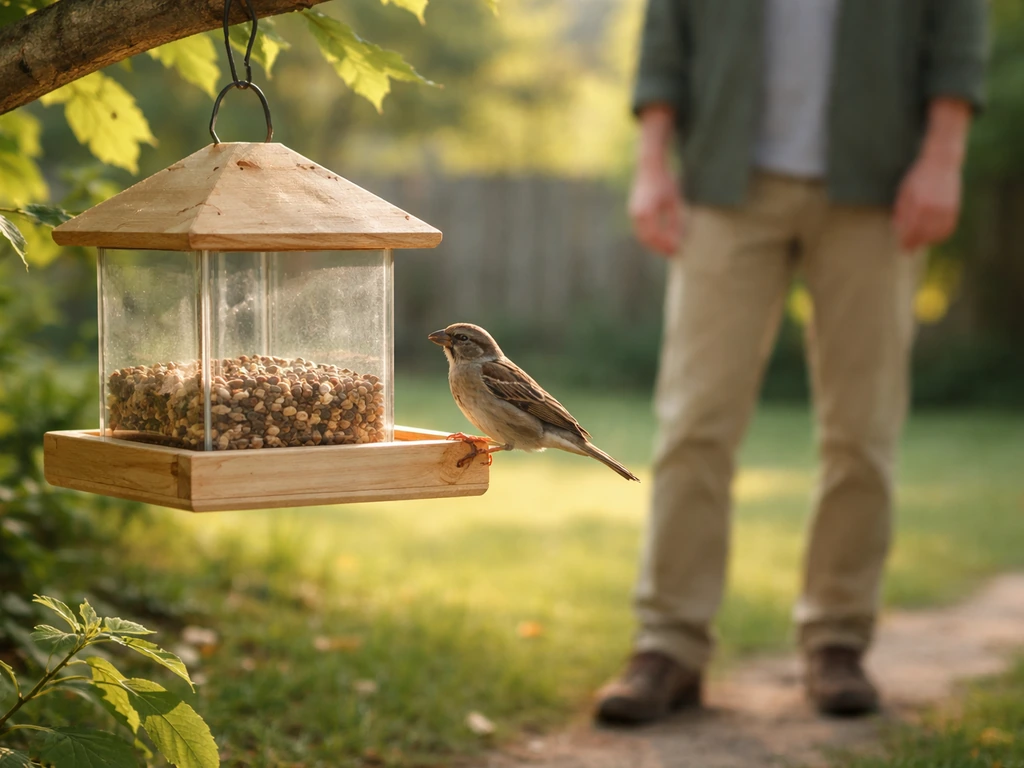
The most reliable way to get a bird to take medicine is to place a syringe or dropper at the corner (commissure) of the beak, aim toward the opposite side of the mouth, and deliver the liquid slowly in small pulses while watching the bird swallow between each one. That single technique covers the majority of home-dosing situations for pet birds. Everything else in this guide is about making that moment safer, less stressful, and more likely to work on the first try and every dose after.
How to Get a Bird to Take Medicine Safely

Maya Harris
12 May 2026
Match the medicine to the best delivery method
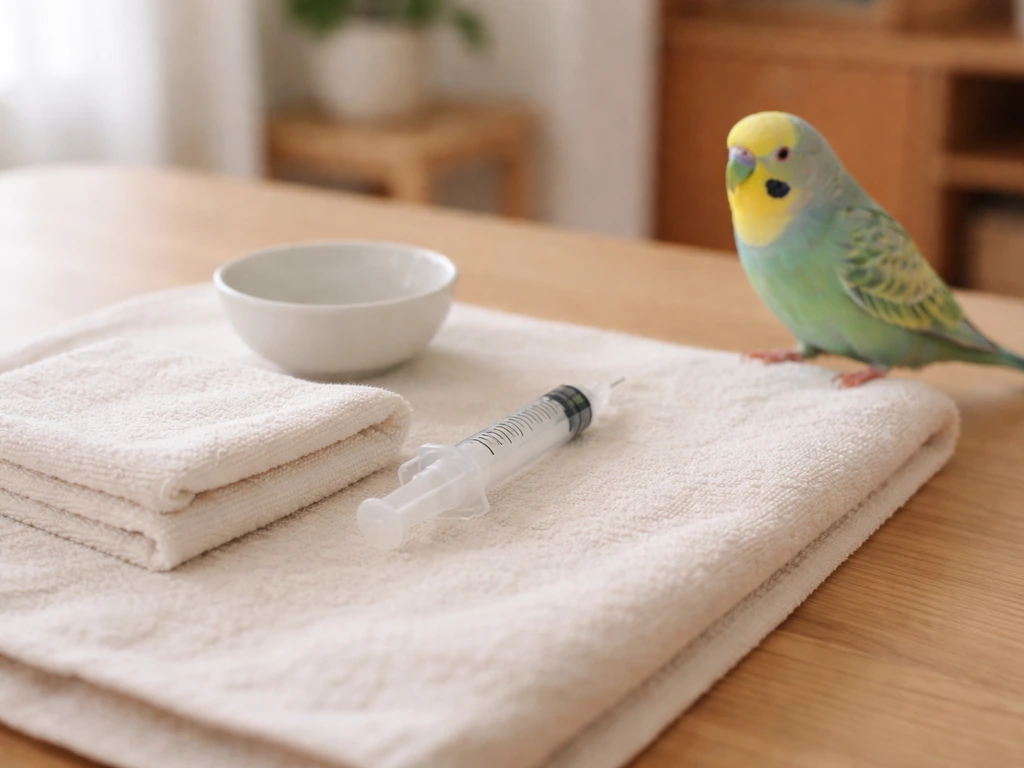
Before you touch the bird, figure out which delivery method actually makes sense for the medication you have. Not every drug can go in food, not every bird will tolerate a syringe, and the wrong choice wastes medicine and stresses the bird unnecessarily.
| Delivery method | Best for | Main risks | Species fit |
|---|---|---|---|
| Liquid via syringe or dropper | Most oral prescriptions, precise dosing, sick birds that aren't eating well | Aspiration if given too fast or bird is not held upright | Parrots, raptors, songbirds, rehab intakes |
| Crushed tablet or opened capsule mixed into a small treat | Birds that accept soft foods; drugs that are stable once crushed | Dose accuracy issues; bird may eat around medicine; degradation of active ingredient if left sitting | Companion parrots, hand-tame birds |
| Whole pill or capsule (pilling) | Larger birds when a vet recommends it; short-course treatments | Bird spits it out; stress; injury risk without proper restraint | Large parrots (macaws, cockatoos), raptors |
| Medicated food or water | Flock/aviary situations; certain antiparasitic treatments | Sick birds eat and drink less, so delivered dose is unreliable; not ideal for a single bird on a precise course | Aviaries; rarely for single pet bird dosing |
Liquid medications are almost always the preferred route for a single pet bird or rehab patient because you know exactly how much went in. If your vet prescribed a tablet, ask whether a compounded liquid version is available. Many avian pharmacies can prepare flavored liquid suspensions from the same drug, and the difference in compliance is huge.
If you do need to crush a tablet or open a capsule to mix with food, be careful. Some drugs have a narrow therapeutic index, meaning a small overdose can cause real harm, and crushing a modified-release formulation can cause the entire dose to hit at once. Always confirm with your vet that the specific tablet is safe to crush. Once crushed and mixed, give the dose immediately rather than letting it sit, because some active ingredients degrade quickly after exposure to air or moisture.
In-feed or in-water powder medications are generally a last resort for a single bird. A sick bird eats and drinks less than a healthy one, so you have no way to confirm a full therapeutic dose was consumed. Reserve medicated water or food for flock situations where your vet has specifically directed it.
Pre-dose setup: tools, safety, and stress reduction
Getting the environment right before you pick up the bird is not optional. A calm, quiet room with no other pets, no sudden noise, and good lighting makes a meaningful difference in how the bird responds. Turn off fans that could catch a loose bird, close windows and doors, and dim harsh overhead lights if your bird is sensitive to them.
Tools to have ready
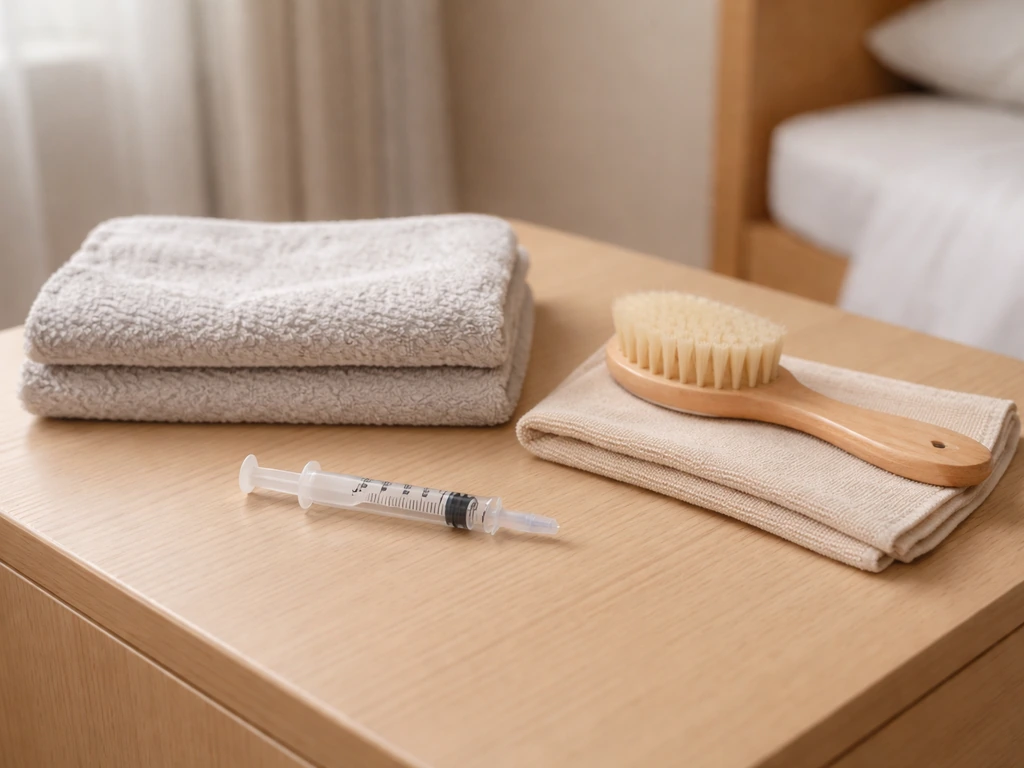
- A 1 mL oral syringe (no needle) or a soft-tip dropper. Your vet should supply these; if not, any pharmacy stocks 1 mL oral syringes.
- A small towel for gentle restraint. Fleece works well for small birds; a medium bath towel for larger parrots or raptors.
- A second, empty syringe and a cup of water for rinsing if you need a second attempt.
- A treat ready for immediately after dosing (target food, a small piece of preferred fruit, or a misting bottle if your bird loves water).
- A kitchen scale accurate to 1 gram. Your vet calculates dose by weight, so weigh the bird before starting any new course and note any weight changes.
Draw up the medication before you handle the bird. Struggling to fill a syringe while holding a stressed parrot wastes time and escalates everyone's stress. Check the dose against what your vet prescribed, hold the syringe up to confirm no air bubble is blocking the liquid, and place it within arm's reach.
Before restraining the bird, watch it for 30 seconds. Look at the breathing rate and the posture. A bird that is already laboring to breathe should not be manually restrained without veterinary guidance, because the stress of handling can push a compromised bird into respiratory crisis. If the bird looks significantly worse than when you left the vet's office, call the clinic before proceeding.
Towel restraint basics
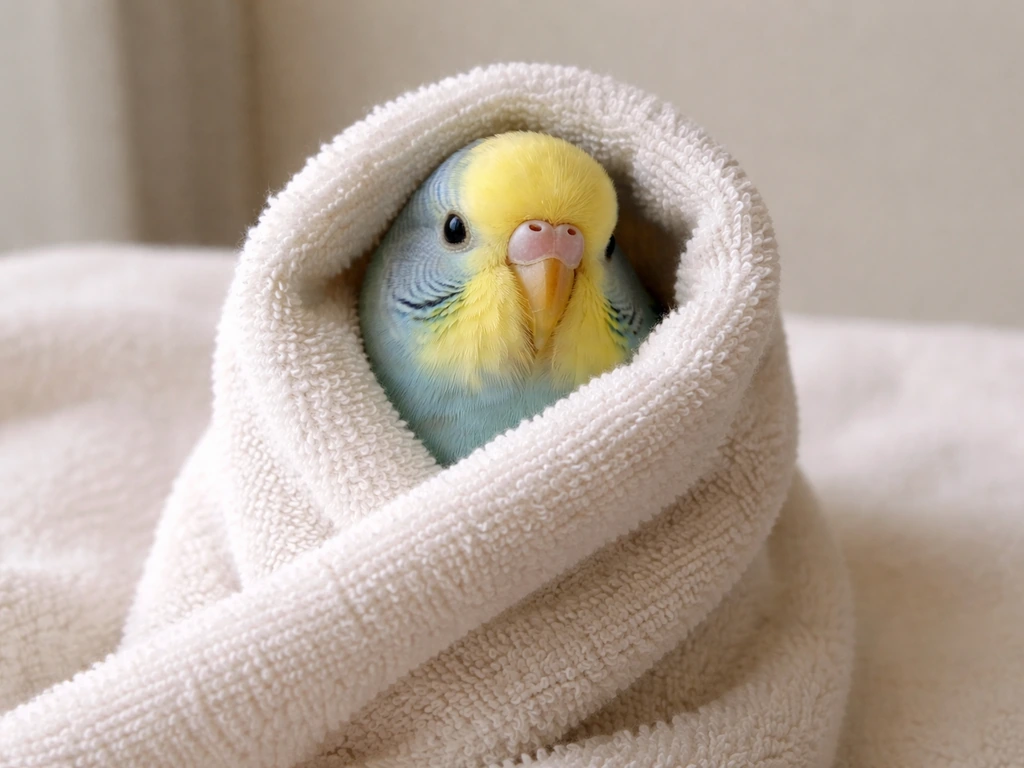
For most pet parrots and songbirds, a light towel wrap is the safest restraint method. The Merck Veterinary Manual also recommends gently wrapping the bird in a towel for restraint while avoiding pressure on the chest so the bird can still breathe a light towel wrap is the safest restraint method.
Lay the towel flat, place the bird in the center, and fold the sides snugly around the body and wings while leaving the head fully exposed. The key is snug but not tight. You should be able to slide a finger between the towel and the bird's keel (chest). Keep the bird upright and slightly tilted forward, never on its back, as that position can cause aspiration.
For raptors and wild-intake birds, thicker gloves and a more secure wrap are needed, and first-time handlers should have a trained rehabilitator demonstrate technique before attempting alone.
Build cooperation before the first dose
If the bird isn't sick yet and you're reading this as preparation, you have the best possible advantage: time. Target training a bird to accept a syringe before it's ill is one of the most genuinely useful things you can do as a bird owner. Many birds readily chew on a cuttlebone when it is offered as a steady, safe enrichment option rather than something forced during dosing. The idea is simple.
You regularly offer the syringe filled with something the bird loves (diluted juice, a tiny amount of favorite soft food, plain water if the bird is food-motivated by thirst) and let the bird choose to approach and drink from it. Over several short sessions, the syringe becomes associated with something good rather than something scary.
Positive reinforcement is the mechanism. Each time the bird contacts the syringe or accepts even a small amount of liquid, it gets a preferred reward immediately. Use continuous reinforcement when teaching the behavior from scratch: every correct response gets a reward. Once the bird is reliably syringe-accepting, you can reduce the reward frequency, but in the early learning phase, every touch counts. Short sessions of two to three minutes are more effective than long forced sessions, especially for smaller, more sensitive species like finches and canaries.
For spoon-feeding, the same logic applies. Regularly offering soft treats from a small spoon means that when you later mix a crushed medication into that same food, the bird already has a positive association with the delivery vehicle. This is not a trick; it is a real welfare strategy that reduces the stress of illness for both the bird and you.
For wild birds in a rehab setting, cooperation training is usually not feasible in the time available. The priority shifts to minimizing handling time, using the most efficient and low-stress restraint method, and completing the dose as quickly and accurately as possible before returning the bird to a quiet enclosure. Note that handling wild birds requires appropriate permits in most jurisdictions; if you're not a licensed rehabilitator, you should be working under or in direct contact with one.
Step-by-step dosing techniques by bird type
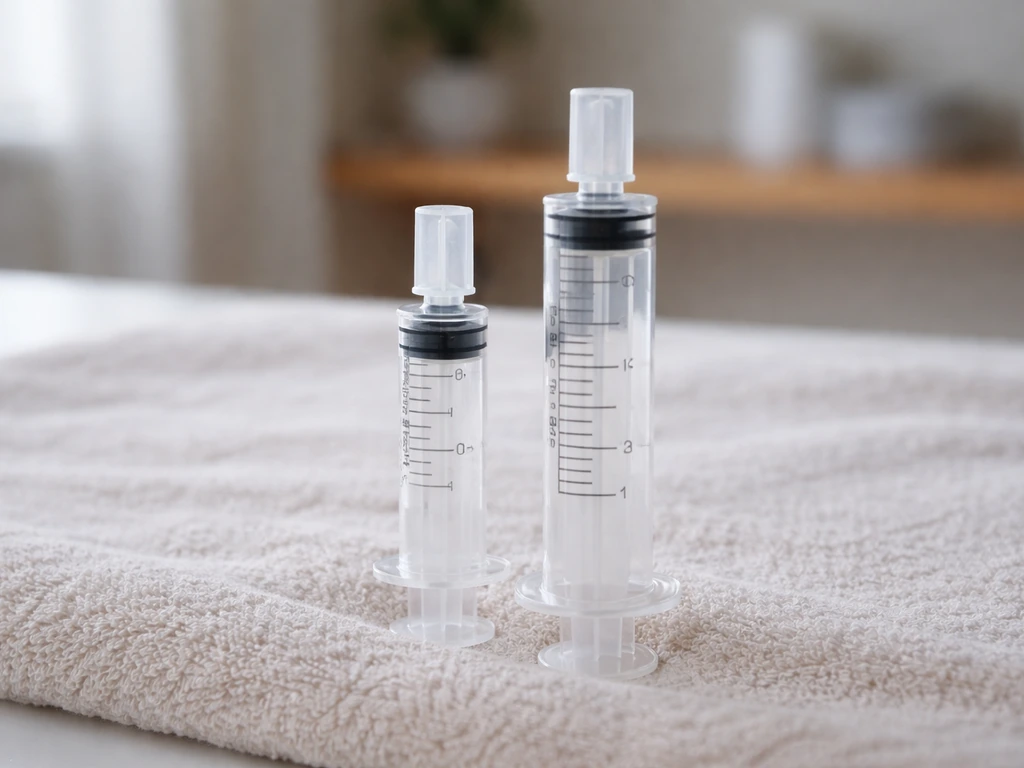
Liquid medication by syringe (most birds, most situations)
- Ensure the room is calm and the medication is already drawn up in the syringe.
- Gently towel the bird or, for a hand-tame bird, step it up onto your non-dominant hand and use that hand's fingers to lightly stabilize the head.
- Hold the bird upright, slightly tilted forward. The head should be level or just slightly down, never tilted back.
- Approach the beak from the side, not head-on. Insert the syringe tip at the commissure (the corner where the upper and lower beak meet).
- Angle the tip toward the opposite side of the mouth so the liquid rolls onto the tongue rather than straight to the back of the throat.
- Deliver the liquid in small pulses of 0.05 to 0.1 mL at a time for small birds, slightly more for larger parrots. Pause between pulses and watch for a swallowing movement.
- Once the full dose is in, keep the bird upright for 10 to 15 seconds before releasing or returning to the cage.
- Offer a preferred treat immediately.
Small songbirds and finches (beginner caution)
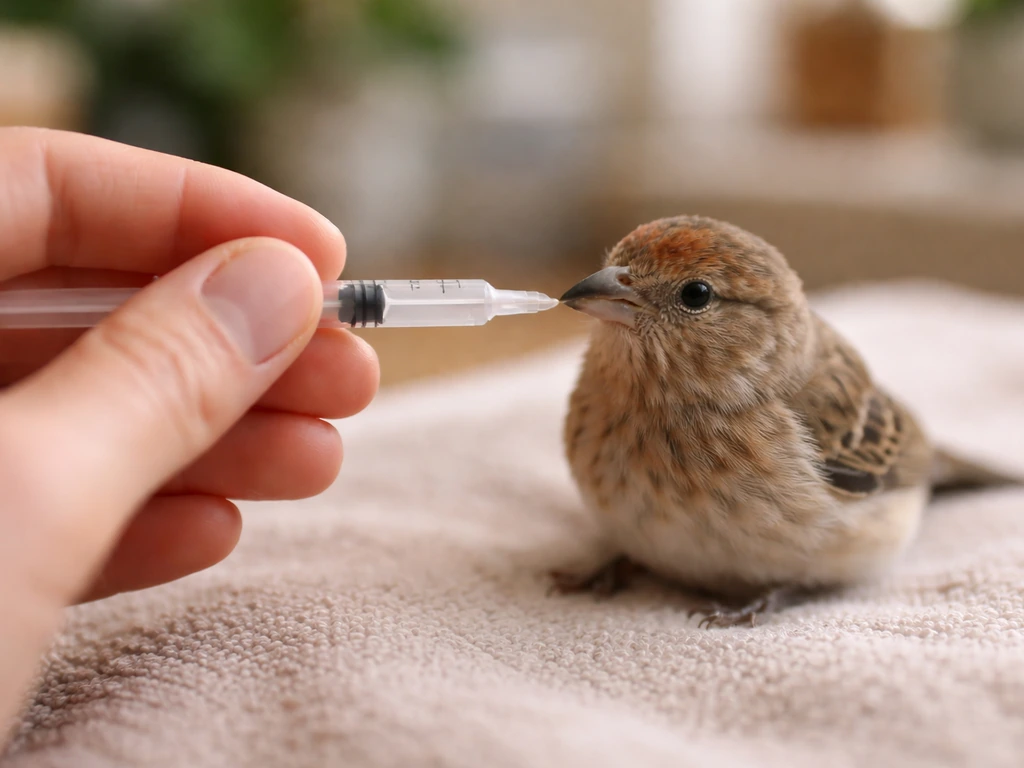
Songbirds are fragile and can go into shock from over-handling. Use the smallest syringe available (0.5 mL or 1 mL), deliver the smallest possible pulse volume, and keep the entire process under 60 seconds if you can. A soft-tip dropper is often easier to control than a rigid syringe for tiny beaks. If the bird is a wild intake that refuses to open its beak, very gently use a fingernail or a soft plastic separator to open the beak at the commissure, deliver the drop, and release immediately.
Parrots (beginner to intermediate)
Most companion parrots will tolerate syringe dosing once they are accustomed to the device. If the bird is tame and trust-trained, you may not need a towel at all: many cockatiels, budgies, and conures will take liquid from a syringe while perched on a hand, especially if the liquid has been flavored by the compounding pharmacy. For larger parrots that bite or thrash, use a towel wrap. The bird's powerful beak is the main safety concern for you, and the main aspiration concern is administering too fast. Go slow, watch the throat, and pause if you see any sign of liquid coming back out of the nares (nostrils).
Raptors (intermediate to advanced)
Raptors are restrained differently from parrots. The primary danger is the talons, not the beak (though a large hawk or owl can still deliver a painful bite). Experienced falconers or rehabilitators typically use a towel to secure the feet first, then control the head. For oral dosing, a soft-tipped crop needle or a large oral syringe is placed at the side of the beak and the dose is given slowly. Raptors often gape widely when stressed, which can actually make dosing easier but also increases aspiration risk if liquid is given too quickly. If you are new to raptor handling and are caring for an injured bird, work with a licensed rehabilitator.
Pilling larger birds
Pilling is less common in birds than in mammals and is generally reserved for larger parrots or raptors when the medication is only available in tablet form. The technique is to wrap the bird securely, open the beak with gentle pressure at the commissure, place the pill as far back on the tongue as possible using a pill-delivery device or a gloved finger, close the beak, and hold it gently closed while the bird swallows. Follow with a small syringe of water to help the pill go down and reduce the chance of it lodging in the esophagus. Always confirm with your vet before pilling, and have them demonstrate the technique at the clinic before you try it at home.
Mixing medication into food (for appropriate drugs only)
If your vet confirms the medication is safe to mix with food and stable once mixed, choose the smallest possible amount of a strongly preferred food. The goal is a portion the bird will finish completely in one sitting, so every bit of the dose is consumed. A small piece of banana, a half-teaspoon of soft food, or a piece of bread are common vehicles. Mix thoroughly so the medication is distributed throughout rather than sitting on top. Watch the bird eat the entire piece before considering the dose given. Do not mix the medication into the main food bowl where dose delivery is unpredictable.
How to respond to refusal and common resistance behaviors
Resistance is normal, especially on the first dose and with wild or untame birds. The key is to respond to it calmly rather than escalating force, which only makes the next dose harder.
| Resistance behavior | What it usually means | What to do |
|---|---|---|
| Head-shaking or flinging liquid | Liquid was given too fast or the taste is aversive | Slow down pulse delivery; ask vet about flavoring options; try a slightly different head angle |
| Spitting the dose back out | Bird is not swallowing between pulses | Give smaller pulses and wait for a visible swallow before the next one; confirm the bird is upright |
| Biting the syringe or your hand | Stress or learned aversion to the syringe | Use towel restraint; pair syringe with treats in non-dose training sessions |
| Fly-off or escape attempt | Insufficient restraint or room not secured | Secure the room first; use towel wrap; consider a second person to hold the bird |
| Refusing medicated food entirely | Bird can smell or taste the medication | Switch to direct syringe dosing; try a different food vehicle; contact vet about alternative formulation |
| Labored breathing during handling | Stress response or underlying illness worsening | Stop immediately, place bird in a warm, quiet carrier, and contact your vet |
If a bird consistently refuses medicated food, do not spend multiple days trying to make it work while the illness progresses. Switch to direct syringe dosing. Some birds can detect the medication in food even when you can't smell it yourself, and their refusal is a sensory response, not stubbornness. Inadequate dose delivery over the course of a treatment course can result in the infection or condition not being adequately treated, which is worse than the stress of direct dosing.
If the bird is escalating in stress with every attempt and you are not making progress after two or three tries on a given dose, stop, place the bird in a warm, quiet, darkened carrier or cage, and call your vet. There are veterinary and avian tech options including in-clinic dosing, injectable alternatives, or long-acting formulations that your vet can discuss with you.
Safety, overdose, aspiration, and when to stop
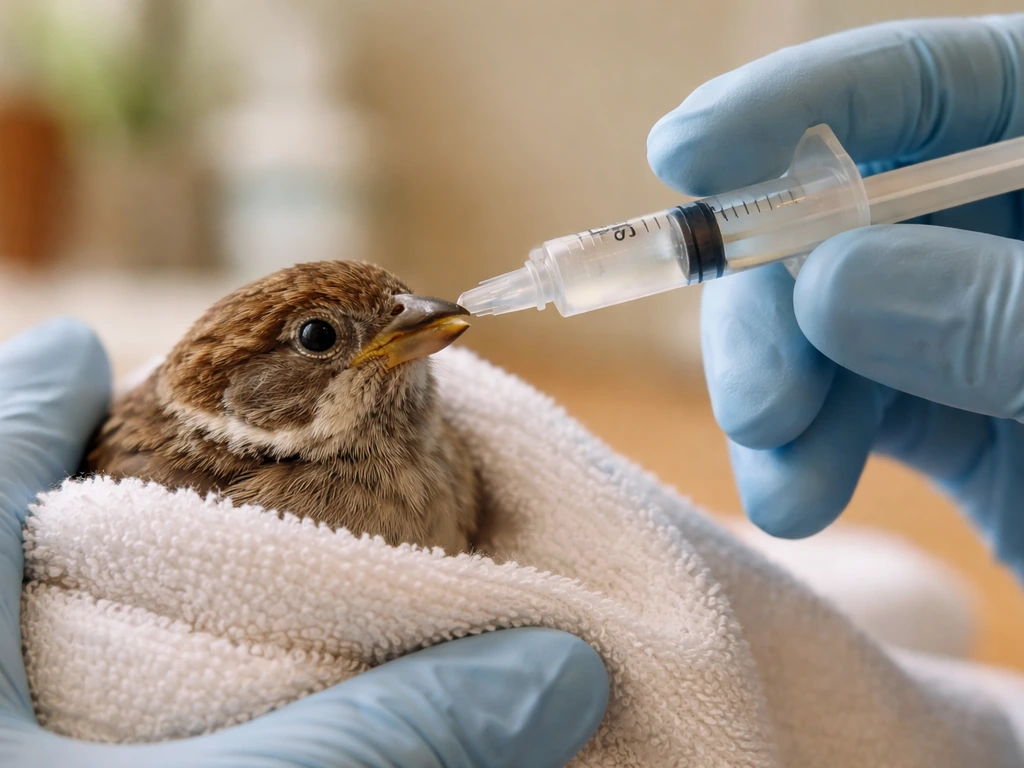
Aspiration is the most serious immediate risk of oral dosing in birds. It happens when liquid enters the airway instead of the esophagus, usually because the dose was given too fast, the bird was tilted back, or liquid was administered while the bird was vocalizing. Signs of aspiration include sudden clicking or rattling sounds while breathing, head-shaking immediately after dosing, coughing or gagging, or liquid appearing at the nares. If you see any of these, stop dosing, hold the bird upright (never upside down), and contact your vet immediately. Aspiration pneumonia in birds can develop quickly and is life-threatening.
Overdose risk is highest when crushing tablets with a narrow therapeutic index or when guessing at doses rather than measuring precisely. Always use a calibrated oral syringe (not a household spoon), confirm the dose in milligrams or milliliters with your vet, and weigh the bird regularly throughout the course because a bird that is losing weight due to illness may need a dose recalculation.
Stop dosing and contact your vet immediately if you observe any of the following:
- Labored, open-mouth, or tail-bobbing breathing that worsens after handling
- The bird loses consciousness or becomes limp during restraint
- You see or hear liquid at the nares or in the breathing after dosing
- The bird has a seizure or shows uncoordinated movements after receiving the medication
- The bird is declining rapidly in weight, energy, or appearance despite treatment
- You realize you may have given double the intended dose
Restraint itself carries risk. A bird that is already severely ill can deteriorate under even gentle manual handling. The 30-second observation window before picking the bird up is not optional. If the resting respiratory rate is elevated, if the bird is sitting fluffed and unresponsive at the bottom of the cage, or if it cannot perch, consult your vet before attempting home dosing at all. These birds may need hospitalization rather than at-home care.
A note on legal and ethical considerations for wild birds
In the United States, Canada, and most of Europe, it is illegal to keep or medicate a wild bird without the appropriate wildlife rehabilitation permit. If you have found an injured wild bird, your role is to keep it warm, dark, and quiet, and to contact a licensed rehabilitator as quickly as possible. Do not attempt to medicate a wild bird on your own, even with medications you believe are appropriate.
If you are trying to get a wild bird to eat willingly, focus on reducing stress and offering appropriate, safe food options rather than forcing medication. Licensed rehabilitators operate under veterinary oversight and are trained in the restraint and dosing techniques specific to wild species. You can find your nearest licensed rehab facility through wildlife agency directories.
After-dose care and monitoring
Once the dose is in, keep the bird calm for at least 10 to 15 minutes. Return it to a familiar, quiet space and reduce stimulation. Avoid loud noises, other pets, or handling by children immediately after dosing. Watch for the normal signs of recovery: the bird resettling its feathers, beginning to preen, eating or drinking within 20 to 30 minutes, and resuming normal vocalizations.
Track every dose. A simple log with the date, time, dose given, and any observations (did the bird swallow well, was there any resistance, any behavioral changes) is invaluable when your vet asks how the treatment is going. If the bird is eating less because of illness, note that too, because it affects both dose delivery and recovery assessment. Birds that aren't eating well alongside their medication course may need supplemental support, which you should discuss with your vet rather than attempt independently.
Hydration is important throughout any medication course. Offer fresh water immediately after every dose, and monitor that the bird is drinking. Some medications can affect kidney function or cause mild nausea, and adequate hydration supports recovery. If the bird has stopped eating or drinking entirely, that is a red-flag sign that needs veterinary attention, not just a dosing adjustment.
If you still can't get the dose in after multiple attempts
Call your vet and describe exactly what is happening. Ask specifically about: whether a compounded liquid version of the medication is available if you were given tablets, whether an injectable form can be administered at the clinic once or twice daily to reduce the home-dosing burden, whether the current medication vehicle can be changed, and whether the bird needs to be seen again for a recheck given that the treatment course may not be adequate. Your vet may also be able to demonstrate the dosing technique in the exam room so you can replicate it at home with more confidence. An avian technician can be an excellent resource for a hands-on lesson that is worth far more than watching a video alone.
Medicating a bird that won't eat much connects to the same underlying challenge covered in topics like how to make a bird eat and how to teach a bird to eat on its own. Getting a bird to eat well during illness supports both recovery and compliance, and those topics are worth exploring if appetite loss is part of what you're dealing with alongside the medication challenge.
FAQ
What should I do if I accidentally miss the dose or I think some medicine leaked out of the beak?
Stop and reassess rather than immediately redosing. Liquid can leak out if the bird swallows poorly or aspirates, and you want the exact amount your vet intended. Tell your vet what you observed (amount estimated, time since dosing, any coughing or liquid from the nares), then follow their guidance on whether to continue at the next scheduled dose or adjust.
How can I prevent the syringe from squirting too fast or the bird from choking?
Use very small, steady pulses and keep the bird upright with the head level or slightly tilted forward. If you see the throat working hard or the bird starts to vocalize, pause. A calibrated oral syringe and slow delivery give you control, unlike pushing steadily with a larger volume at once.
If my bird keeps spitting the medicine out, is it better to give it again right away?
Usually no. Spitting can mean poor swallowing control, too-fast delivery, or early aspiration risk. Give the bird a short reset period in a warm, quiet enclosure, then consult your vet about whether that fraction counts and whether you should change the delivery method or vehicle for the next dose.
What if the bird’s beak is too small or the syringe tip won’t fit comfortably at the commissure?
Choose a smaller syringe size or a soft-tip dropper designed for small beaks, and position the tip at the commissure on the side of the mouth rather than forcing it deep. If you cannot place the drop without injuring the bird, stop and ask your vet or an avian technician to demonstrate an appropriate angle for your specific species.
How should I handle it if the bird starts vocalizing or head-shaking during dosing?
Pause immediately if the bird is vocalizing, jerking its head, or showing rapid distress. Those motions increase the chance fluid goes into the airway. Keep the bird upright, wait for calm swallowing, and if vocalizing and head-shaking repeat, call your vet before continuing the dose.
Can I mix the medicine with grit-free foods like mashed banana or yogurt even if my vet didn’t say it was okay?
Only if your vet confirms that specific medication is safe to mix and stable once mixed. Some drugs degrade after contact with air, moisture, or certain food components, and others have absorption changes depending on the vehicle. If stability is uncertain, ask your vet about a compounded liquid or a different administration method.
How do I know whether my bird swallowed successfully, especially if it refuses to open its throat visibly?
Watch for swallowing behaviors between small pulses, not just that liquid left the syringe. Reliable signs include throat movement consistent with swallowing, a brief pause afterward, and no liquid at the nares. If you see coughing, clicking, head-shaking right away, or fluid near the nostrils, stop and contact the vet immediately.
What are the key overdose warning signs I should monitor during a medication course?
While overdose symptoms vary by drug, sudden worsening after dosing, unusual lethargy, abnormal breathing effort, repeated vomiting, severe weakness, or persistent imbalance are reasons to stop and call the vet. If the medication has a narrow safety range, confirm every dose measurement with a calibrated syringe and weigh the bird as advised to avoid drift over time.
My bird drinks water normally after dosing, but still seems unwell. Does that mean the medication worked?
Not necessarily. Hydration after dosing is a good sign, but it does not confirm the correct therapeutic dose was delivered or that the drug is being tolerated. Keep tracking appetite, breathing, droppings, energy level, and behavior, and report the pattern to your vet, especially if there is no improvement by the expected timeframe.
What if my bird refuses medicated food consistently, but I’m worried about switching to syringe dosing?
Refusal is often sensory detection, not mere stubbornness. If you have tried without progress for a short period, switching to direct syringe dosing is safer than continuing to guess that the bird is ingesting enough. If attempts cause escalating stress after a couple tries, stop and ask your vet about alternative formulations or clinic-based dosing.
Is it ever appropriate to use a household spoon to give medicine if I don’t have the right syringe yet?
No. Household spoons vary widely, and dosing errors are a common cause of harm, especially with medications that have a narrow therapeutic index. Get a calibrated oral syringe (and verify the units with your vet) before continuing, or pause dosing until you can measure accurately.
How long should I keep the bird calm after dosing, and should I change the routine immediately afterward?
Keep stimulation low for at least 10 to 15 minutes, in the same quiet, familiar area when possible. Avoid other pets and loud noise right after dosing, and do not handle by children. If the bird does not resettle, preen, or resume eating or drinking within about 20 to 30 minutes, contact your vet.
For wild or rehab-intake birds, what should I do if I can’t get the bird to accept any feeding or medication?
Focus on keeping the bird warm, dark, and quiet, and get professional help quickly. Do not attempt oral medication or dosing tricks unless you are working under a licensed rehabilitator, because correct restraint and species-specific dosing are critical and local laws apply.
When I call my vet, what exact details help them troubleshoot fastest?
Provide the bird’s species and weight, the medication name and concentration, the prescribed dose and schedule, the delivery method you used, how long it took, what the bird did during dosing (swallowing, spitting, coughing, liquid from nares), and what happened afterward (energy, breathing, appetite, droppings). This lets them decide whether to adjust technique, vehicle, or timing, or whether the bird needs an exam.
Next Article
How to Get a Wild Bird to Eat: Humane Steps Today
Humane, step-by-step tips to get a wild bird to eat safely near you, with timing, food choices, and troubleshooting.