
You can significantly reduce the chances of your bird flying away through a combination of trust-building, recall training, smart environmental controls, and thoughtful flight management. No single trick guarantees it, but a consistent routine built on positive reinforcement gives you real, reliable results over time. The goal is not to suppress your bird's instincts by force, but to make staying with you more rewarding than leaving.
How to Make Your Bird Not Fly Away Safely

Maya Harris
11 May 2026
Why birds fly away (and what you can actually change)
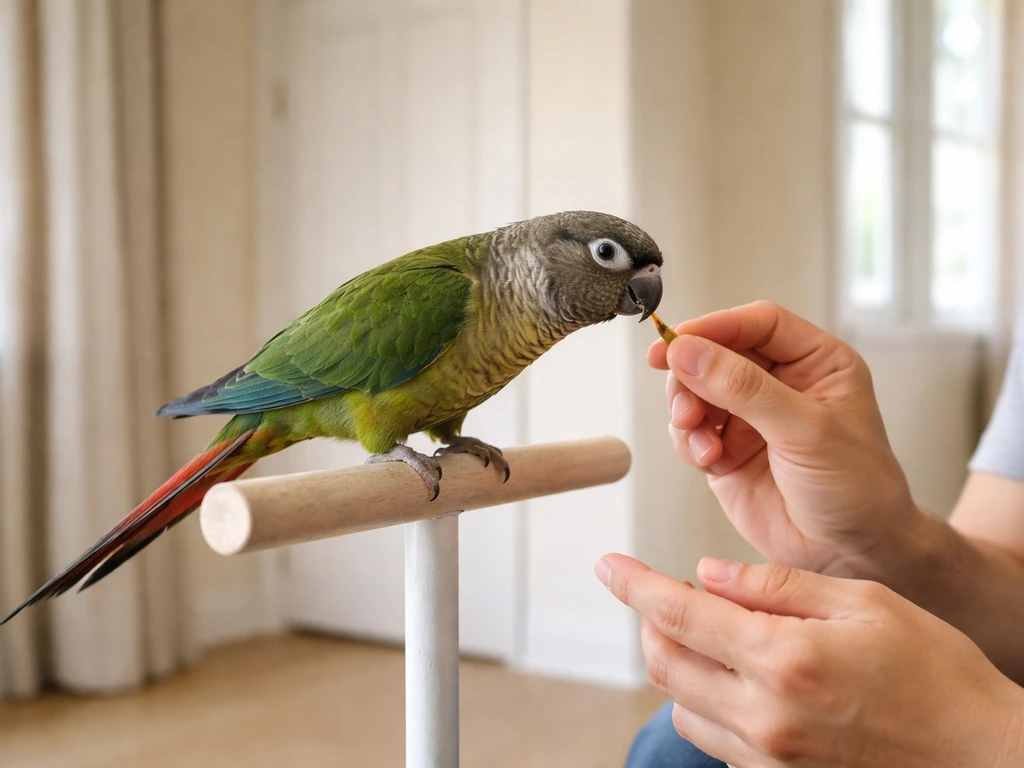
Flying away is not disobedience. It is biology. Birds are prey animals, and flight is their primary predator-avoidance mechanism. When something startles or stresses your bird, leaving fast is exactly what thousands of years of evolution programmed it to do. The Avian Welfare Coalition points out that phobic birds can have exaggerated escape responses that actually get reinforced over time, because every time the bird flies away from something scary, the fear is relieved and the behavior gets stronger. That is worth understanding before you try to fix anything.
What you cannot change: your bird will always have the instinct to flee when frightened. What you can change: how frightened it gets, how much it trusts you as a safe home base, and how reliably it responds to a recall cue. If you want a practical way to manage escape risk, focus on strengthening trust and recall so your bird chooses to stay with you more often how reliably it responds to a recall cue. Purdue University's veterinary college notes that once a bird escapes through an open door or window, recapture is often unlikely because fear and confusion take over completely. Prevention and training before an incident are far more effective than trying to recover afterward.
Know your bird's species, temperament, and real flight risk
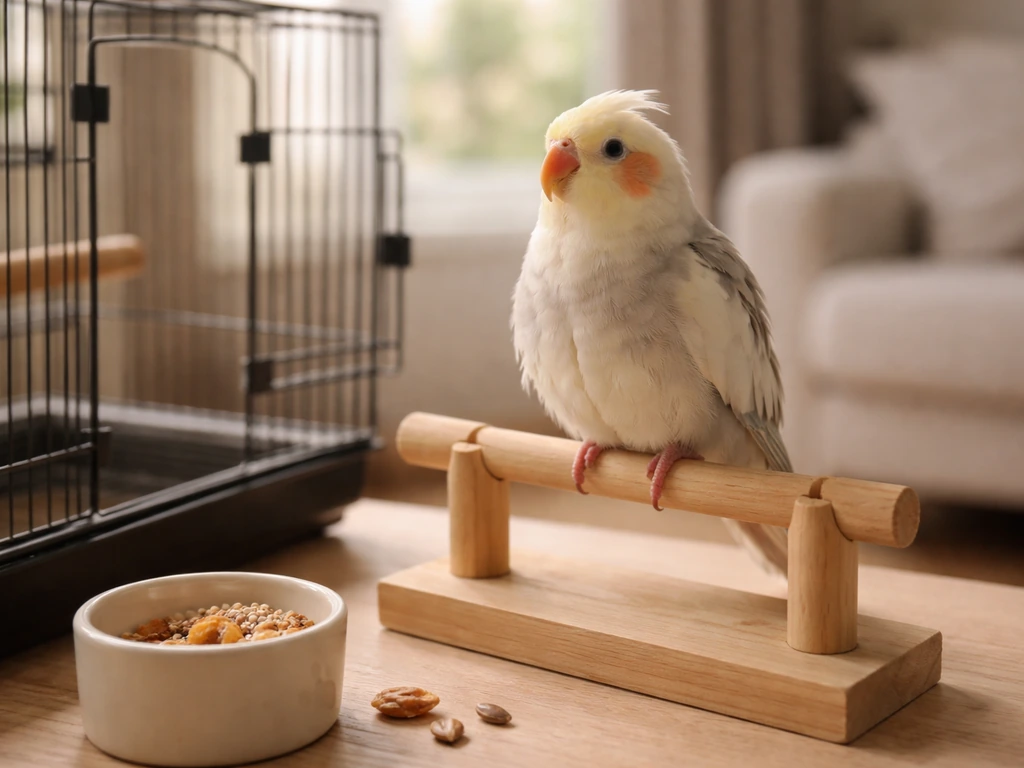
A budgerigar and a macaw are not the same challenge. Before you start any training or management plan, be honest about what you are working with. Species matters a lot. Highly flighted birds like conures, caiques, and ringneck parakeets have strong, fast flight that is hard to redirect once it starts. Heavier-bodied birds like African greys, Amazon parrots, and cockatoos are less agile fliers but can still cover serious distance if spooked outdoors. Smaller birds like cockatiels and budgies may have fast, unpredictable flight patterns indoors. In general, smaller birds with calmer temperaments tend to be the easiest birds to train for recall and step-up easiest bird to train.
Temperament is the other big variable. A hand-raised bird that has been socialized from a young age is a very different project from a rescue bird with an unknown history or a wild-caught bird that has never learned to associate humans with safety. Be realistic. A bird that is terrified of hands, lunges at approach, or screams when you enter the room needs foundational trust work before any recall training will stick. Rushing past that stage almost always backfires.
| Bird Type | Flight Risk Level | Priority Training Focus |
|---|---|---|
| Hand-raised parrot, socialized | Lower indoors, higher outdoors | Recall cue, stationing, door/window management |
| Rescue or rehomed parrot, skittish | High indoors and outdoors | Trust-building first, then step-up, then recall |
| Wild-caught or phobic bird | Very high in all situations | Enclosure safety, minimal forced handling, vet consult |
| Small birds (budgies, cockatiels) | High indoors (fast, erratic) | Secure room setup, gradual taming, target training |
| Heavy-bodied parrots (African grey, Amazon, cockatoo) | Moderate indoors, high outdoors | Recall cue, wing management discussion with vet |
The training foundation: trust, targeting, and recall
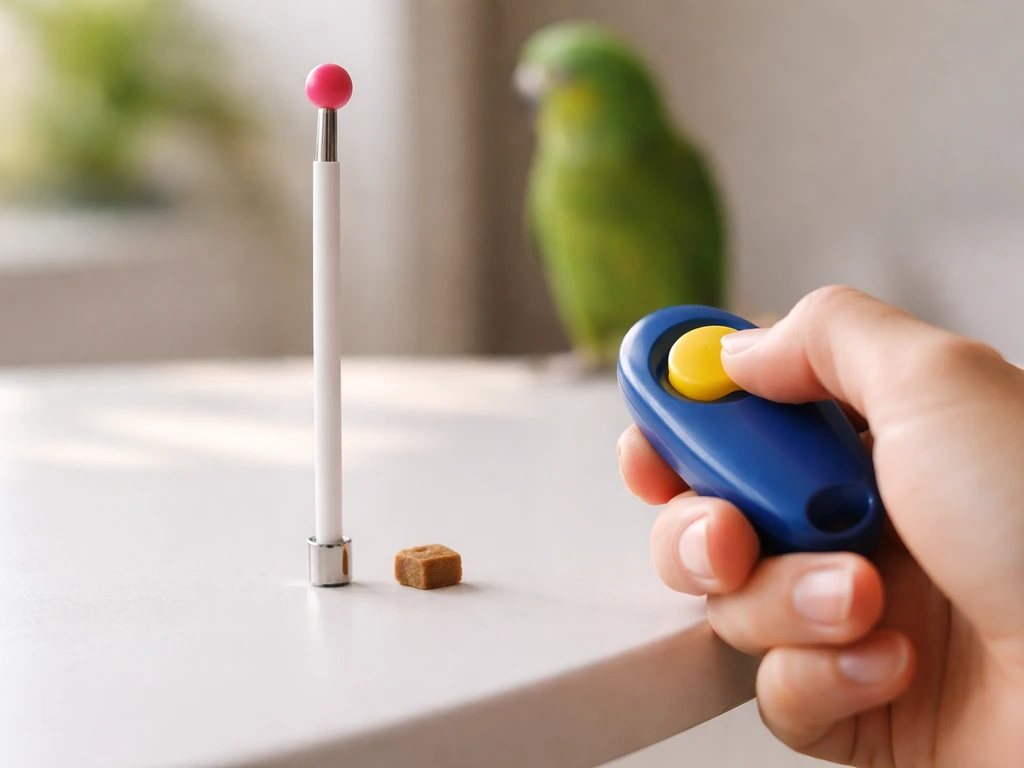
Everything else in this guide sits on top of three core skills: trust, targeting, and a reliable recall cue. These same foundations also help answer what three things help a bird to fly three core skills. Skip any of these and you will hit a ceiling fast. The good news is that all three are built the same way, using positive reinforcement and a marker to communicate precisely with your bird. FOUR PAWS also emphasizes that a marker signal must be given at the same time as the behavior so it can be used effectively to establish the desired routines blank" rel="noopener noreferrer">marker timing is critical.
Start with a clicker or marker
A clicker gives your bird a clear, instant signal that tells it exactly which behavior earned the reward. The American Veterinary Society of Animal Behavior explains that timing is everything in marker training, and a clicker is more precise than a verbal "good bird" that might come half a second too late. Start by pairing the click with a high-value treat (millet, a small piece of almond, or whatever your bird goes crazy for) at least 10 to 15 times in a short session so the bird learns the click predicts food. After that, the marker is ready to use.
Target training: the gateway skill
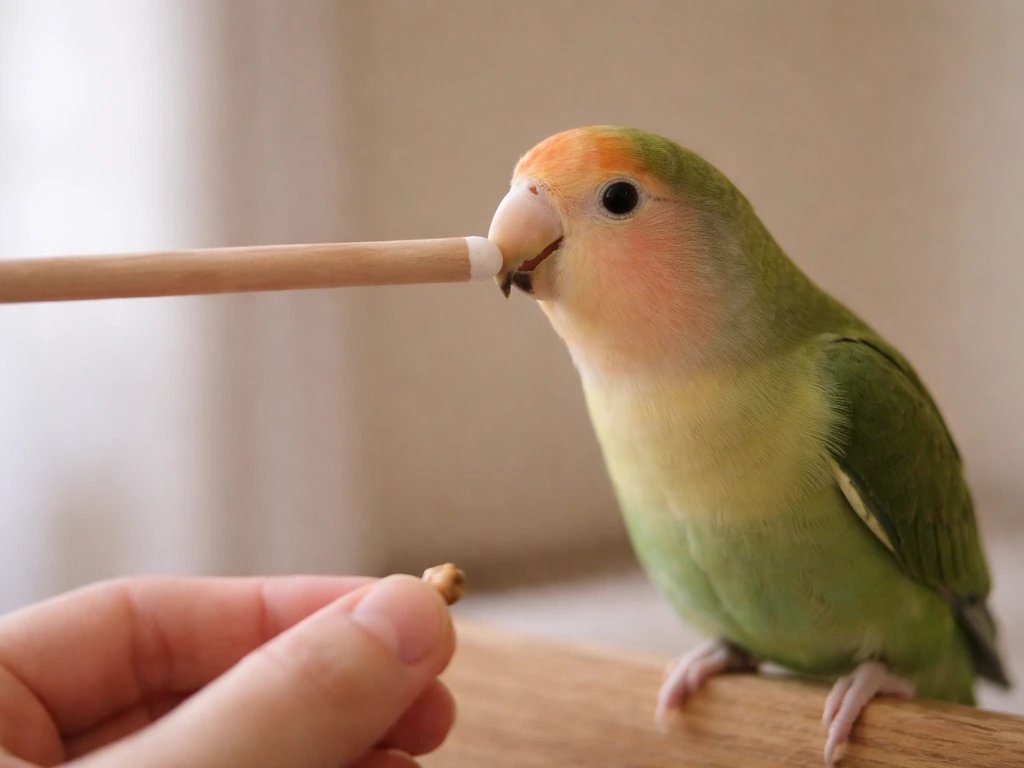
Target training means teaching your bird to touch its beak to a stick or other object on cue. PetMD notes that target training is where almost all bird training begins, because once a bird will follow a target, you can guide it anywhere without physically pushing or grabbing it. Hold a chopstick or a commercial target stick a few centimeters from the bird's beak. When it investigates and touches the tip, click and treat immediately. Work up to the bird following the target across a perch, from one perch to another, and eventually to your hand. This becomes the mechanical foundation for recall.
Building a recall cue
A recall cue is a specific signal (a word, a whistle, or a distinct sound) that means "fly or come to me and get something great." FAB Clinicians' flight training guidance describes pairing a whistle with a high-value treat, then gradually increasing the distance the bird has to travel to reach you before the reward arrives. Start indoors at very short distances, maybe just across a perch. If you are wondering how to a bird easy, this is the same idea as starting recall indoors at very short distances and pairing the cue with a high-value treat. Click and treat every single repetition at first. Never call your bird for something unpleasant like returning it to the cage when it clearly does not want to go, or the cue loses its value fast. Make coming to you the best thing that happens in the bird's day.
Step-up and stationing
Step-up (stepping onto your hand or a perch on cue) is non-negotiable for safe handling. Reinforce it heavily with treats every time, especially in the early stages. Stationing is a related skill where the bird learns to go to and stay on a specific perch on cue. The Animal Behavior Center notes that stationing is particularly useful for safety, because if your bird is trained to return to a back perch on cue, you can redirect it away from doors and other escape routes without chasing or grabbing, which almost always makes things worse.
A practical out-of-cage routine that reduces escape risk
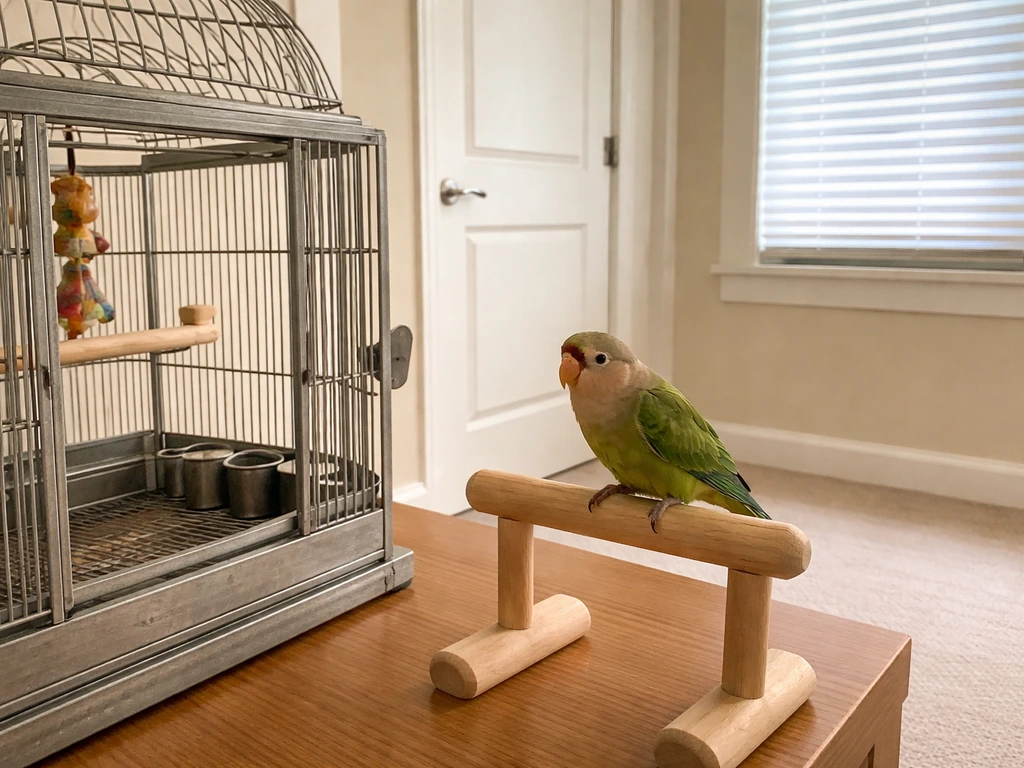
Training alone is not enough. Your environment does a lot of the heavy lifting, especially while recall and trust are still being built. Before you let your bird out, run through this checklist every single time.
- Close every door and window in the room before opening the cage. Every. Single. Time.
- Cover or treat windows and glass doors to prevent collision. Birds misperceive clear glass as open space and can hit it at full speed. Patterned window film, screens, or opaque coverings all work. The Detroit Bird Alliance and Wildlife Center of Virginia both document window collisions as a major source of injury for pet and wild birds.
- Turn off ceiling fans and move the bird to a room without one if possible.
- Alert everyone in the house that the bird is out so no one opens an exterior door.
- Set up a designated out-of-cage perch in a calm, familiar spot. A bird with a comfortable landing place is less likely to keep flying in search of one.
- Keep sessions short and positive, especially early on. End before the bird gets restless, not after.
- Always have a backup plan: a familiar carrier or a towel you can use calmly if you need to secure the bird in an emergency.
Merck Veterinary Manual advises keeping the cage away from windows and air-conditioning units because temperature extremes and drafts affect health and behavior. A calm, stable environment between sessions means your bird comes out calmer and is easier to manage. That calm carries over into out-of-cage time directly.
Routine matters more than most people expect. Birds are creatures of habit. If out-of-cage time happens at roughly the same time each day, in the same room, with the same sequence of events, your bird's behavior becomes far more predictable and manageable. Erratic schedules create anxious, reactive birds that are harder to recall.
Preventative measures: housing, wing management, and safe flight space
Enclosure and housing setup
Your bird's cage should feel like a safe home, not a punishment. A bird that is comfortable in its enclosure is less frantic when it comes out and easier to return at the end of a session. Make sure the cage is appropriately sized for your species, enriched with foraging opportunities and toys, and positioned in a social part of the house where the bird can see household activity without being overstimulated. Avoid placing it directly in front of windows, which can create temperature swings and visual stress from outdoor stimuli like cats or hawks.
Wing trimming: what it does and does not do
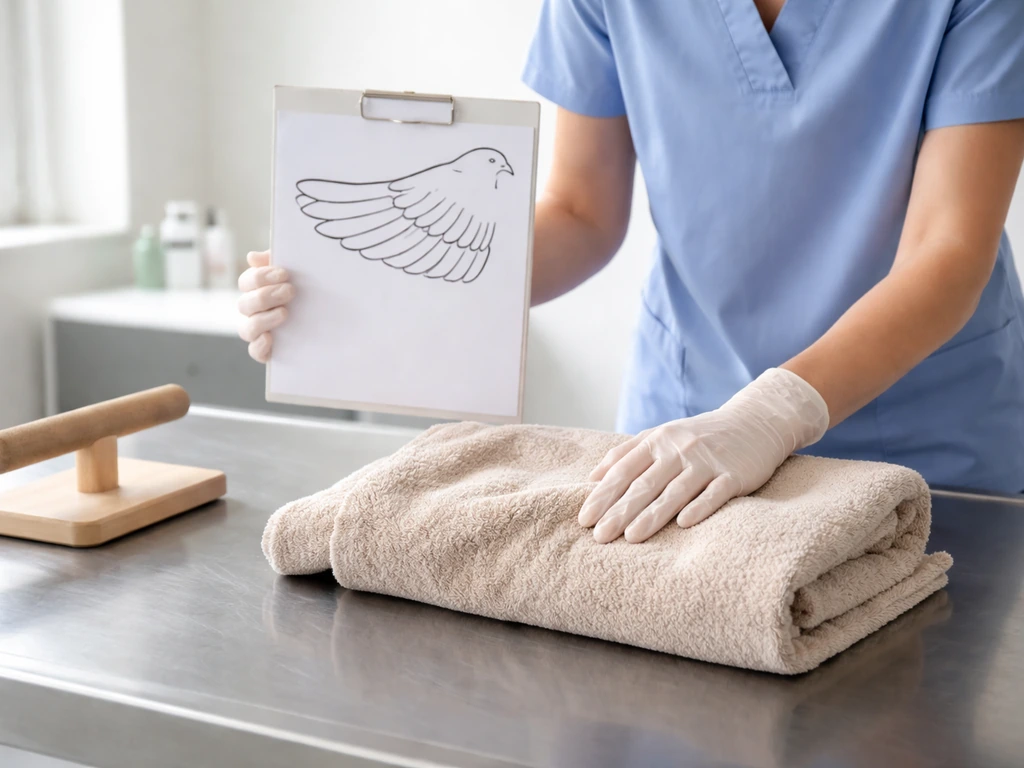
Wing trimming is one of the most debated topics in pet bird care, and it deserves an honest look. A proper trim reduces lift so the bird glides down rather than flying up and across a room. It does not make your bird flightless. The RSPCA is direct about this: wing clipping will not stop a bird from flying away outdoors. Best Friends Animal Society adds that a trimmed bird can still be carried away on a strong wind. So trimming is a partial indoor management tool, not an outdoor safety solution.
If you and your vet decide trimming is appropriate, there are important rules. VCA Animal Hospitals is clear that both wings must be trimmed simultaneously, because trimming only one wing causes the bird to fly in circles, which is disorienting and dangerous. PetMD warns that heavy-bodied birds like African greys, Amazons, and cockatoos that are clipped too aggressively may attempt to fly, fall, and sustain serious injuries near the keel and breast area. Trimming grows out like a haircut, so flight ability returns as new feathers come in, which means you need to reassess regularly.
Merck notes that if you can provide a genuinely safe indoor flight environment, trimming may not be necessary at all. The IAATE (International Association of Avian Trainers and Educators) emphasizes that even wing clipping should ideally be trained as a voluntary cooperative behavior using positive reinforcement, and that clipping does not guarantee flight restriction if it is poorly executed or not maintained. The Bird Clinic notes that restraint during grooming procedures like wing clipping causes physiological stress, which is another reason to have a qualified avian vet handle it rather than attempting it at home without training.
Bottom line on trimming: discuss it with an avian vet for your specific bird. It is one tool among several, and it works best when combined with training and environmental management, not instead of them.
Safe supervised flight space
If your bird is fully flighted and you want to keep it that way (which many trainers and vets support when the environment is safe), the answer is a bird-proofed room or an outdoor flight aviary. Indoor rooms with screened windows, no ceiling fans, treated glass surfaces, and no access to the outside can give your bird safe flight time. Outdoor aviaries need to be fully enclosed with double-door entry systems so the bird cannot slip out when you walk in. Never take an untrained flighted bird outside without a secure harness designed for birds, and even then, outdoor time should build gradually with extensive indoor recall training first.
Can you actually train a bird not to fly away? Timelines, expectations, and troubleshooting
You can train a bird to reliably return to you on cue, to station on a perch on cue, and to step up calmly on cue. To help you get there, focus on recall training, trust-building, and a safe routine so your bird learns that staying is the best option reliably return to you on cue. If you are trying to keep your bird from escaping, a welfare-first approach like the item asylum how to get bird up steps is a practical place to start. That is not the same as training it never to fly, but in practical terms, a bird with solid recall and step-up skills rarely "flies away" in a meaningful sense during normal, controlled out-of-cage time. The distinction matters. Your goal is a bird that chooses to stay with you because that is where good things happen, not a bird that is physically prevented from leaving.
Realistic timelines by starting point
| Starting Point | Expected Timeline | Key Milestone |
|---|---|---|
| Socialized, hand-raised bird with no trust issues | 2 to 6 weeks | Reliable step-up and basic recall indoors |
| Mildly skittish or recently rehomed bird | 6 to 12 weeks | Consistent hand approach tolerance, then step-up |
| Fearful, rescue, or minimally handled bird | 3 to 6+ months | Calm presence near handler before any recall work |
| Fully trained bird adding outdoor recall | Add 3 to 6 months of indoor recall first | 100% indoor recall before any outdoor exposure |
Common reasons training fails and what to do instead
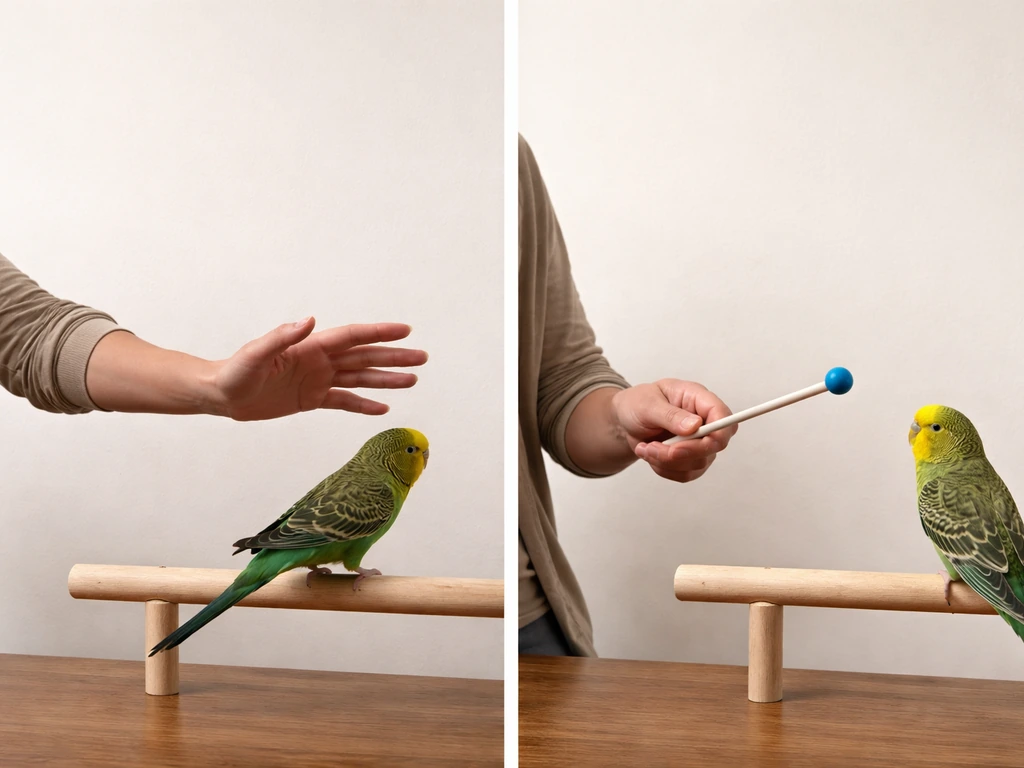
- Chasing the bird: this is the single fastest way to break trust and reinforce flight. If your bird does not come on recall, wait calmly or use the target stick to guide it. Never chase.
- Inconsistent rewards: if the recall cue sometimes produces a treat and sometimes produces nothing, the behavior weakens. Reward every repetition during the learning phase, then gradually shift to intermittent rewards once the behavior is solid.
- Using the recall cue for unpleasant things: returning to the cage against the bird's will, nail trims, or vet trips should not be triggered by the recall cue. Use a separate, neutral cue or a towel for necessary but unpleasant procedures.
- Training sessions that are too long: birds fatigue quickly and lose focus. Keep sessions to 5 to 10 minutes, two or three times a day, rather than one long session.
- Starting outdoors too soon: outdoor recall is an advanced skill that requires near-perfect indoor recall first. The distractions outdoors are overwhelming compared to a living room.
- Wrong reinforcer: if your bird is ignoring treats, the treat may not be valuable enough, or the bird may not be hungry enough at that time of day. Try higher-value options or train before a meal.
- Forcing or physically manipulating the bird: grabbing or pushing a bird that is not stepping up willingly builds fear, not cooperation. Go back to target training and rebuild approach tolerance before asking for step-up again.
If you are hitting a wall despite consistent, positive-reinforcement-based work, it is worth consulting with an avian veterinarian or a certified parrot behavior consultant. The Merck Veterinary Manual recommends discussing individual bird behavior with a vet when behavioral problems are interfering with handling and management. Sometimes there is an underlying health issue, a hormonal driver (Merck notes that reproductive hormones can significantly affect behavior and increase erratic movement), or a history of trauma that needs professional assessment before training can progress.
Your next steps, in order
- Assess your bird honestly: is this a trust problem, a training gap, or an environment problem? Most "flying away" issues involve all three.
- Bird-proof your out-of-cage space today: closed doors, covered windows, fans off, household notified.
- Start clicker conditioning in short daily sessions, pairing the click with your bird's favorite treat.
- Introduce target training once the clicker is understood. Work on it until the bird follows the target reliably.
- Build step-up using the target, rewarding heavily every repetition.
- Add a recall cue at very short distances indoors, increasing distance gradually over weeks.
- Talk to an avian vet about wing management, especially if your bird is a heavy-bodied species or if you are in an environment where escape risk is genuinely high.
- Once indoor recall is solid (aim for near 100% response rate in your home), consult a professional before considering any outdoor free-flight work.
This is not a quick fix, and anyone who tells you there is a shortcut is setting you up for a frustrated bird and a frustrated owner. But with consistent daily sessions, a well-managed environment, and a welfare-first approach, most pet birds can reach a level of training where flying away during normal handling is genuinely rare. That is a realistic, achievable goal, and it makes life better for both of you.
FAQ
What should I do in the moment if my bird starts to fly toward a door or window?
Keep your response predictable and calm. Do not shout or chase, since sudden movement can trigger escape. Instead, guide with skills you already trained, use a familiar recall cue at a low-stress distance, and immediately redirect toward a station perch you can access safely. If a bird has never practiced recall under distraction, treat it as a management failure, end the session, and bring the bird back to its cage using a low-stress routine rather than chasing.
How can I tell whether recall is actually ready for free-flight time?
Test in layers. Your bird should respond reliably at the same room distance first, then with mild distractions (normal household sounds), then with you moving more slowly and less predictably. A useful rule is that the bird comes to you quickly and consistently, even when it has to choose between you and a mildly preferred distraction. If recall only works when the bird is already “in training mode,” it is not ready for open-environment risk.
Is it ever a good idea to call my bird to return it to the cage as practice?
Avoid using the recall cue to deliver unpleasant outcomes, especially early. If returning to the cage is unavoidable, do it in a way that does not train the cue as “something bad,” for example, keep the cue value high with high-value treats during transitions, and reserve the recall cue primarily for rewarding free choice. If the bird already learned the cue predicts capture stress, rebuild cue value with short, easy sessions before requiring full compliance.
Does wing trimming help with “flying away,” or does it create new risks?
Trimming can reduce lift and improve indoor manageability, but it does not make a bird safe outdoors or prevent escape through an open door. It can also increase fall risk if done aggressively or incorrectly, especially in heavier birds. If trimming is used, reassess frequently as feathers grow, and use it only alongside recall and stationing, not instead of them.
Can I use harnesses or leashes to prevent escape for a fully flighted bird?
They can help outdoors, but harness training must be gradual and positive first. Many escapes happen when a harness causes panic or slips, so plan for extensive indoor acclimation and secure-fitting checks. Also, harnessing does not replace secure room management or recall, because indoor errors or a startled bird can still lead to a break in control.
What if my bird is bonded to one person and ignores everyone else’s recall?
That usually means the cue is not generalized. Train with each caregiver present so the bird hears the same recall and can still earn rewards from multiple people. Start with short sessions where the bird already trusts the handler, then gradually increase the distance and the number of people involved, reinforcing consistently to reduce “person bias.”
My bird panics around hands, but it will station and step up once it settles. Can I still teach recall?
Yes, but start with trust and approach tolerance before asking for recall from distance. Use targeting and stationing as the bridge, so the bird experiences predictable outcomes when you are nearby. If stepping up triggers lunging or screaming, lower your expectations, shorten sessions, and prioritize safe proximity so the bird’s nervous system is not overwhelmed when you introduce the recall cue.
How do I prevent the “fear relief” pattern that can strengthen escape behavior?
Make staying with you the thing that relieves stress, not leaving. Practice when your bird is below its stress threshold, reward small increments of calm proximity, and avoid sudden triggers like leaning over, blocking exits during panic, or using the recall cue at times it predicts frustration. Gradually increase challenge only when the bird can still succeed and still choose to approach you.
Is it safe to let my bird out if I still struggle with recall during a chaotic household day?
If recall is inconsistent during normal distractions, treat out-of-cage time as a higher-risk window. Use a bird-proofed space, minimize access to doors and windows, and keep out-of-cage sessions shorter while you improve reliability. If you cannot guarantee the environment will be calm enough for success, postpone freeranging until you can reproduce the conditions where recall works.
What medical or hormonal issues can cause “sudden” escape behavior changes?
Changes like increased erratic movement, restlessness, biting, or new fear responses can be driven by pain, illness, or reproductive hormones. If escape attempts spike without an obvious training or environmental reason, consult an avian veterinarian before continuing training intensity, because discomfort can make behavior hard to shape and can lead to faster reinforcement of panic-based flight.
Next Articles
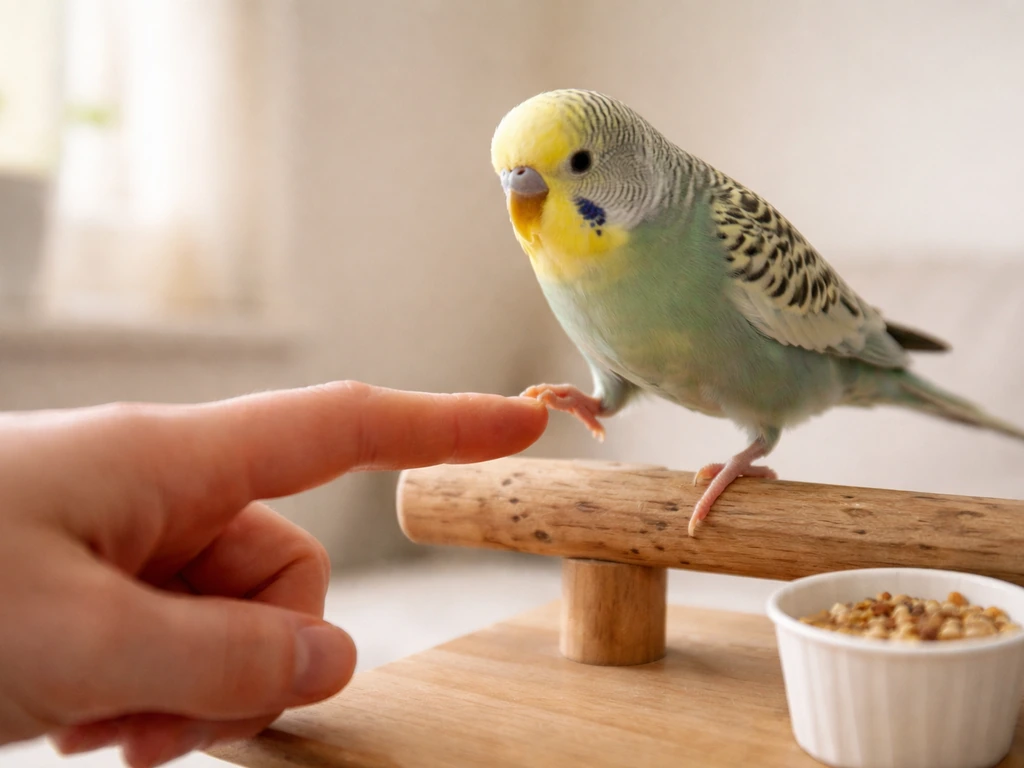
Item Asylum How to Get Bird Up: Safe Step-Up Training
Humane step-up training for a bird in Item Asylum: set up safe space, build trust, use treats, and troubleshoot issues.
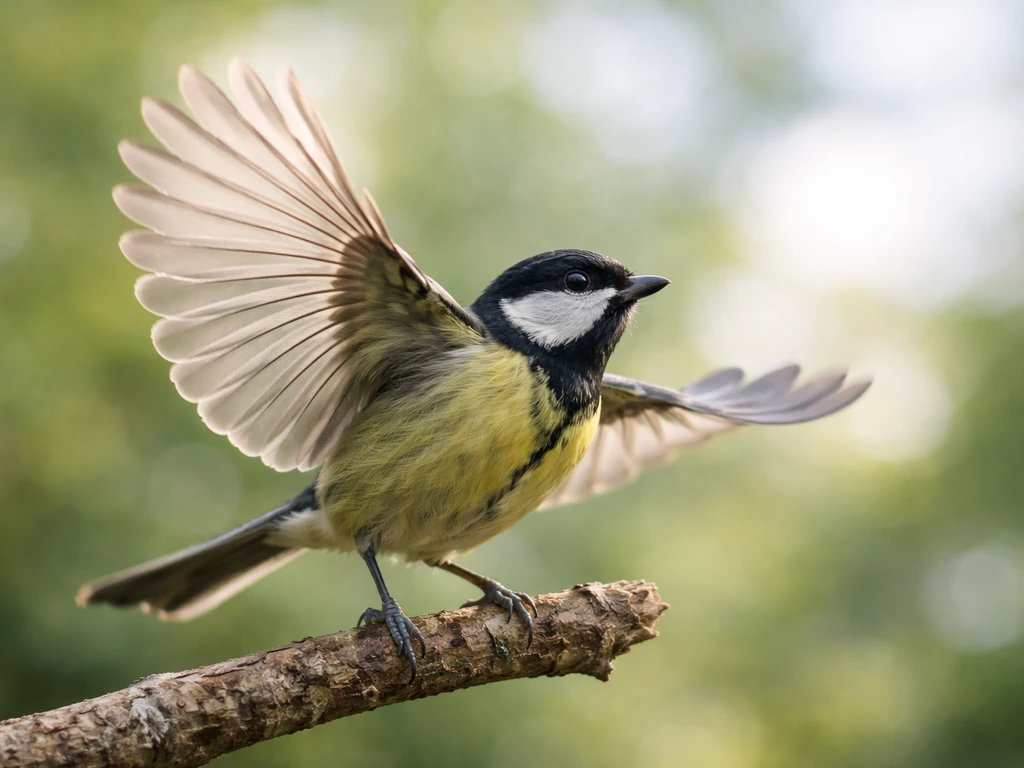
What Three Things Help a Bird to Fly: A Guide
Discover the 3 essentials for flight and steps to check fitness, wing health, and control, plus troubleshooting and safe
What Is the Easiest Bird to Train? Beginner Guide
Humane guide to the easiest birds to train, how to set goals, and step-by-step bonding and handling tips for beginners.