Yes, you can train a pet bird to find and retrieve a designated object that looks like a coin, and do it safely, humanely, and reliably. The key is understanding what 'find money' actually means in a training context, swapping real coins for safe training tokens, and building the behavior in stages using positive reinforcement. This guide walks you through the whole process from first touch to reliable performance, whether you're a first-time bird trainer or someone who's already done basic clicker work with your bird. If you want to turn this retrieval game into real-world collecting, focus on how to train a bird to collect money using the same safe-token and cue-based approach.
How to Train a Bird to Find Money Safely and Humanely

Maya Harris
21 Apr 2026
Is it possible, and what 'find money' really means for training
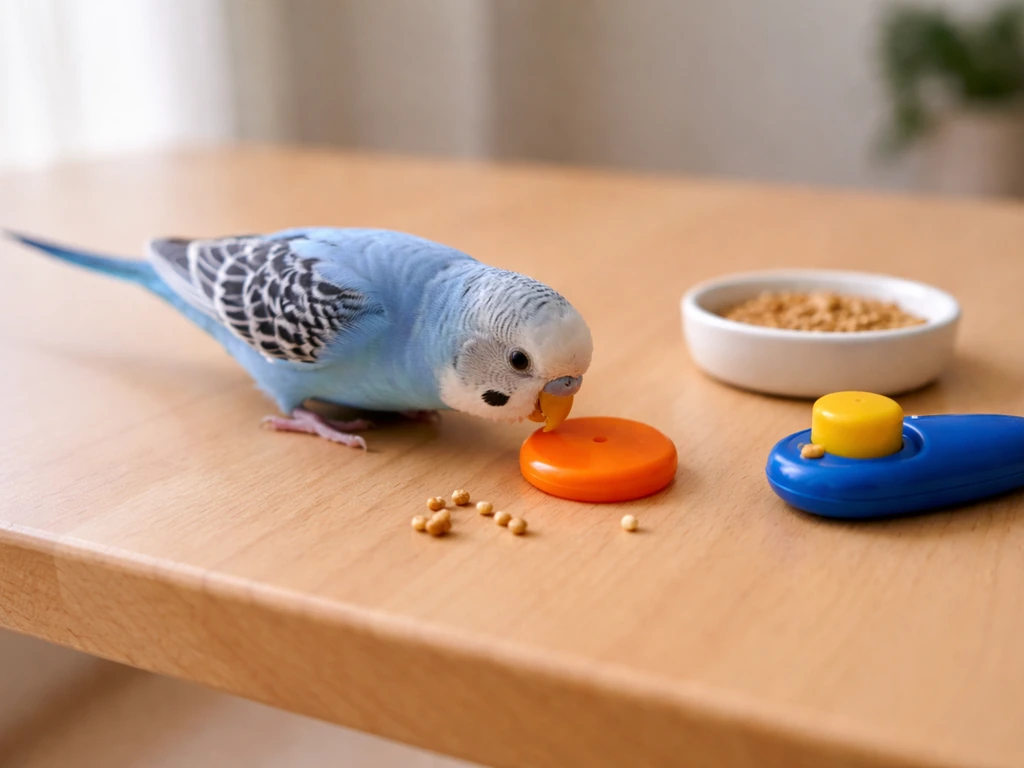
Birds are surprisingly capable of learning search-and-retrieve behaviors. Parrots, corvids, ravens, crows, and even some softbills have been documented retrieving objects on cue in both captive and research settings. The reason this works is that birds are visually sharp, naturally curious about novel objects, and highly motivated by food rewards. So yes, in practical terms, a pet parrot or a well-socialized rehabilitated bird can absolutely learn to locate a specific token, pick it up, and bring it back to you.
What 'find money' means in training is a cue-driven search and retrieve behavior, not a treasure-hunting skill. You're teaching the bird to recognize a specific target object (a safe token that stands in for a coin), search for it when you give a cue word or hand signal, pick it up, and return it to you. The 'money' part is just the prop. The actual skill being built is target discrimination combined with retrieval, a two-part behavior chain that sits nicely within standard operant conditioning protocols.
Realistically, most beginner-level birds can learn the retrieval half within a few weeks of short daily sessions. The search/find component, where the bird hunts for a hidden token, usually takes longer to generalize and requires intermediate-level handling experience. So manage your expectations: you won't get a crow-style forager in two sessions, but you can build a genuinely impressive behavior over consistent training with the right setup.
Safety, legality, and ethics before you start
The ingestion risk is real, use tokens, not real coins
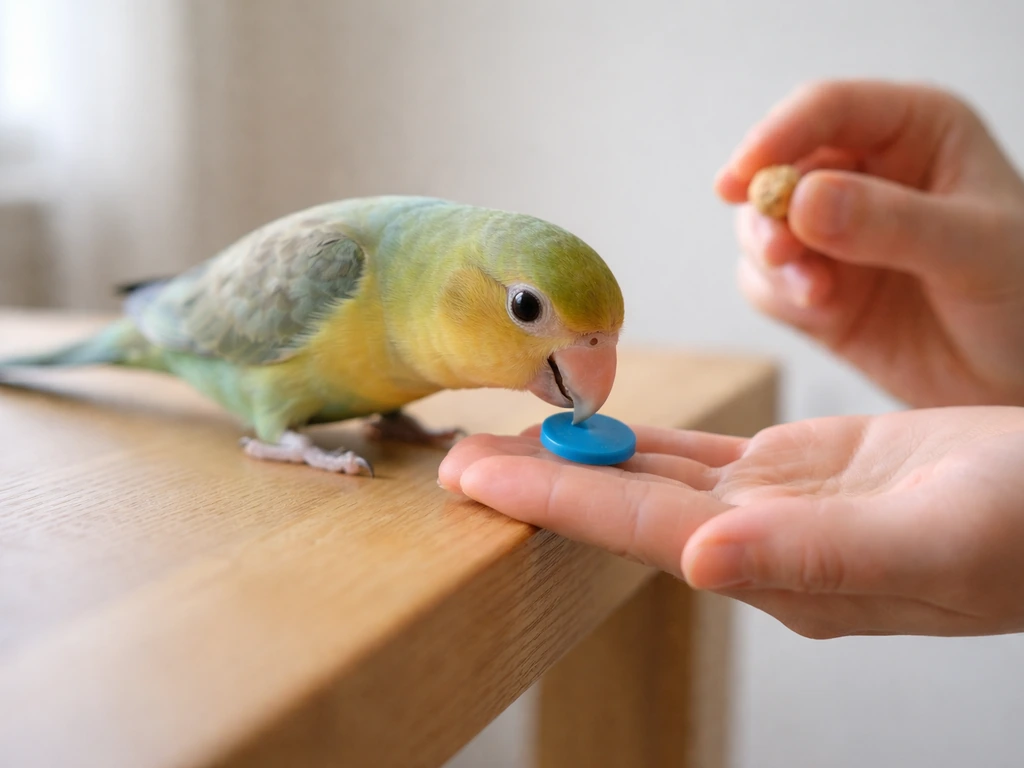
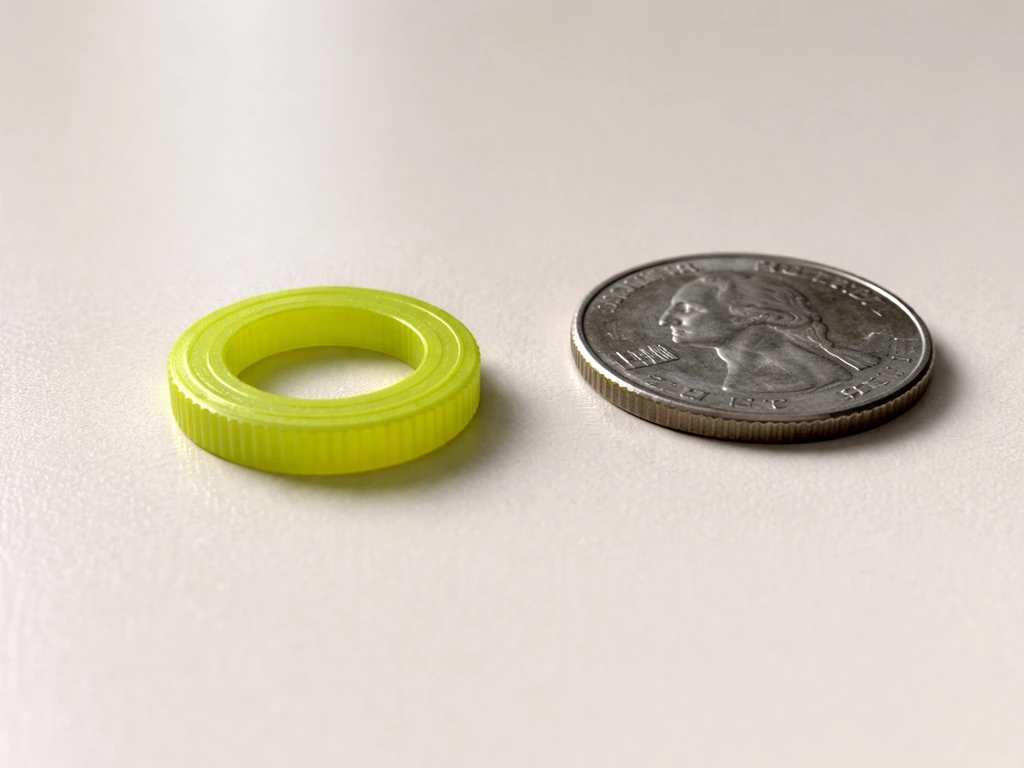
This is the most important safety point in the entire guide: never use real coins in this training. Real metal coins can carry zinc, copper, and surface contaminants that are toxic to birds. Even a brief interaction with a zinc-containing coin can contribute to heavy metal toxicity, and if the bird actually ingests one, it can cause a crop or gastrointestinal obstruction that requires emergency veterinary care. Harrison's avian veterinary texts note that foreign objects in the crop may require immediate treatment to prevent complications, this is not a theoretical risk. Use purpose-made safe training tokens instead: large, flat, smooth wooden discs, thick plastic poker chips (non-toxic, BPA-free), or cardboard coin shapes that are clearly too large to swallow.
Your training token should meet a few simple criteria: it needs to be bigger than your bird's beak width so it physically cannot be swallowed whole, it should be easy for the bird to pick up and carry, it should be visually distinct (a bright color or a unique texture helps), and it must be non-toxic if briefly mouthed. Wooden craft discs from a hobby store work well for medium and large parrots. For smaller birds like budgies or cockatiels, a thick cardboard circle about 2.5 cm across is a safer and more size-appropriate option.
Legal and ethical considerations
If your bird is a native wild species (a crow, raven, or any raptor) that you're rehabilitating, check your local, state, and federal regulations before adding novelty object training to a rehab protocol. In the US, the Migratory Bird Treaty Act governs possession and handling of most wild native birds, and training behaviors that could compromise a bird's eventual releasability may raise welfare concerns with licensing authorities. The Animal Legal & Historical Center offers a plain-language overview of the Migratory Bird Treaty Act and what conduct is generally unlawful unless permitted Migratory Bird Treaty Act governs possession and handling of most wild native birds. For pet parrots and non-protected exotic species, there's no legal restriction on teaching this behavior, but the ethical standard still applies: training should remain voluntary, stress-free, and welfare-first. The IAABC Standards of Practice and BIAZA Animal Training Guidelines both emphasize positive reinforcement as the primary strategy and explicitly state that individual animal welfare must not be compromised during any training plan. If your bird is showing stress signals (feather fluffing, eye pinning, retreating, screaming, or refusing food), stop the session and reassess.
Set up the training basics first
Bonding and handling readiness
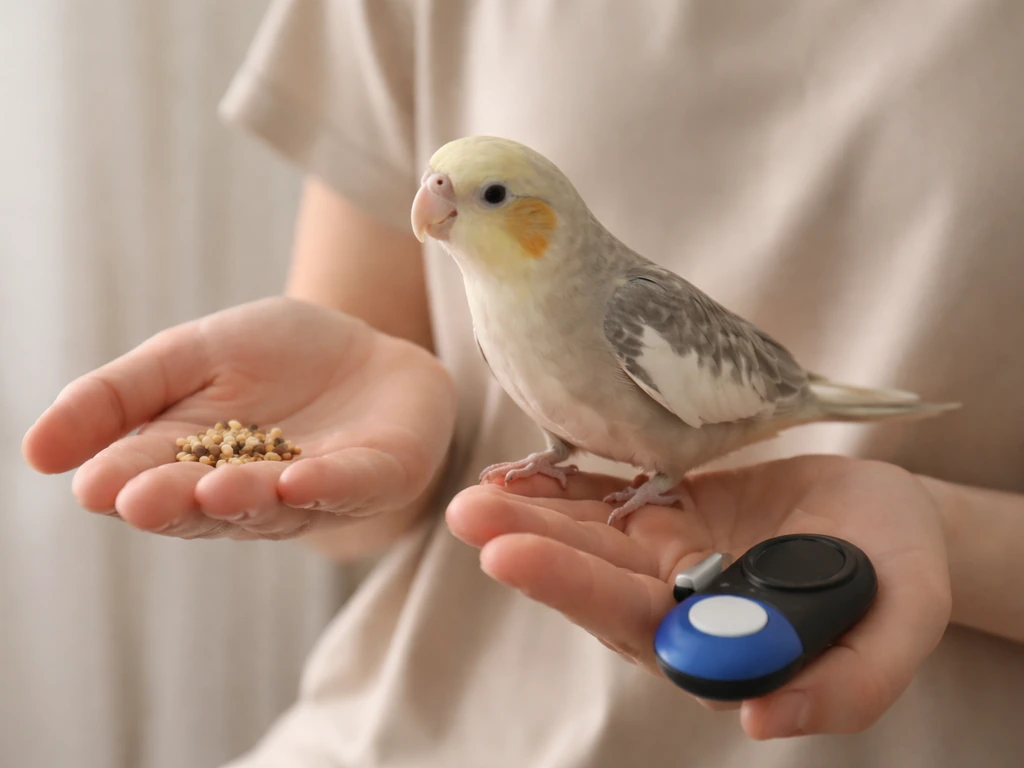
Before you introduce any object work, your bird needs to be calm on or near you, step up reliably, and accept treats from your hand without aggression or excessive excitement. If you're not there yet, spend a week or two on basic handling and hand-feeding before starting this protocol. A bird that bites, flees, or refuses food in your presence will not be able to focus on a token-retrieval task, the handling relationship has to come first. This applies whether you're working with a cockatiel, an African grey, or a blue-fronted Amazon.
Clicker training basics
This protocol uses clicker training throughout. A clicker (or a consistent mouth click or marker word like 'yes') marks the exact moment the bird performs the correct behavior, telling the bird precisely what earned the reward. The Association of Avian Veterinarians describes this as a positive-reinforcement approach where the click sound marks the appropriate behavior and signals that a reward is coming. If your bird hasn't been clicker-trained before, do five to ten short sessions (two to three minutes each) of 'charging the clicker': click, then immediately deliver a small high-value treat (a tiny piece of almond, a pine nut, or a favored fruit piece, depending on species). Once the bird reliably looks at you or orients toward the treat after each click, the marker is loaded and you're ready to begin.
Session setup
- Train in a quiet, familiar room with minimal distractions
- Keep sessions to 5 to 10 minutes maximum, especially early on
- Work at the bird's peak attention time — usually mid-morning or before a meal when slightly hungry
- Have high-value treats pre-cut and ready in a pouch or small dish so you're not fumbling
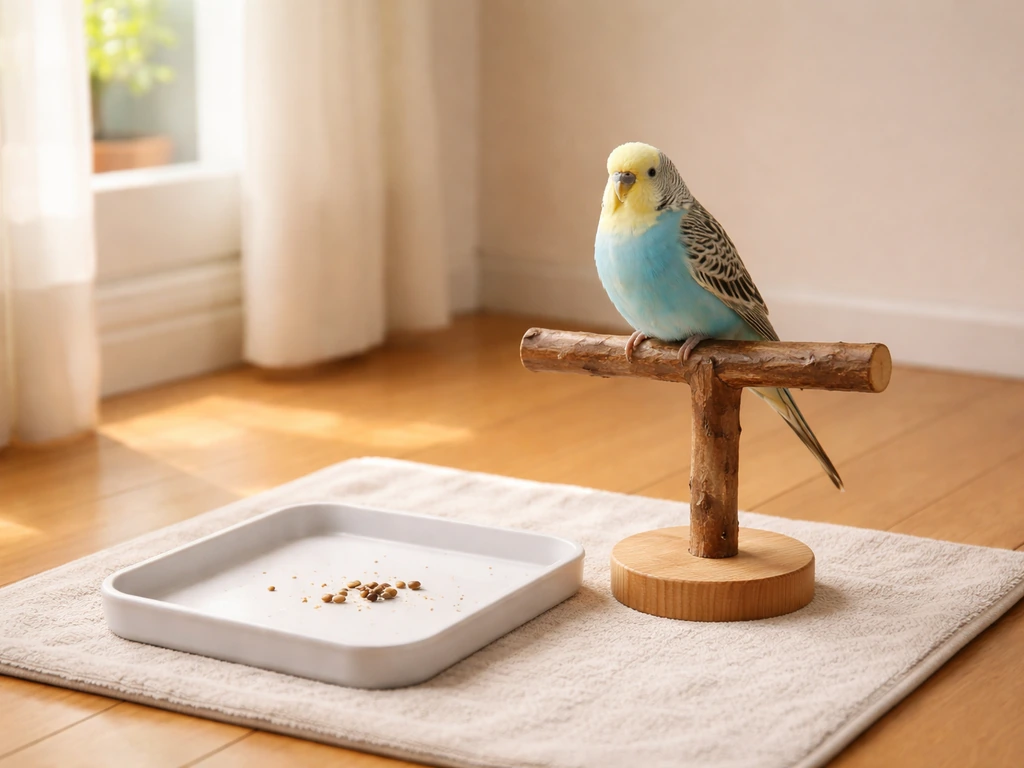
- Have your safe training token, your clicker, and a target stick nearby before the bird comes out
Step-by-step: target training, then token retrieval
Phase 1: introduce the token (days 1 to 3)
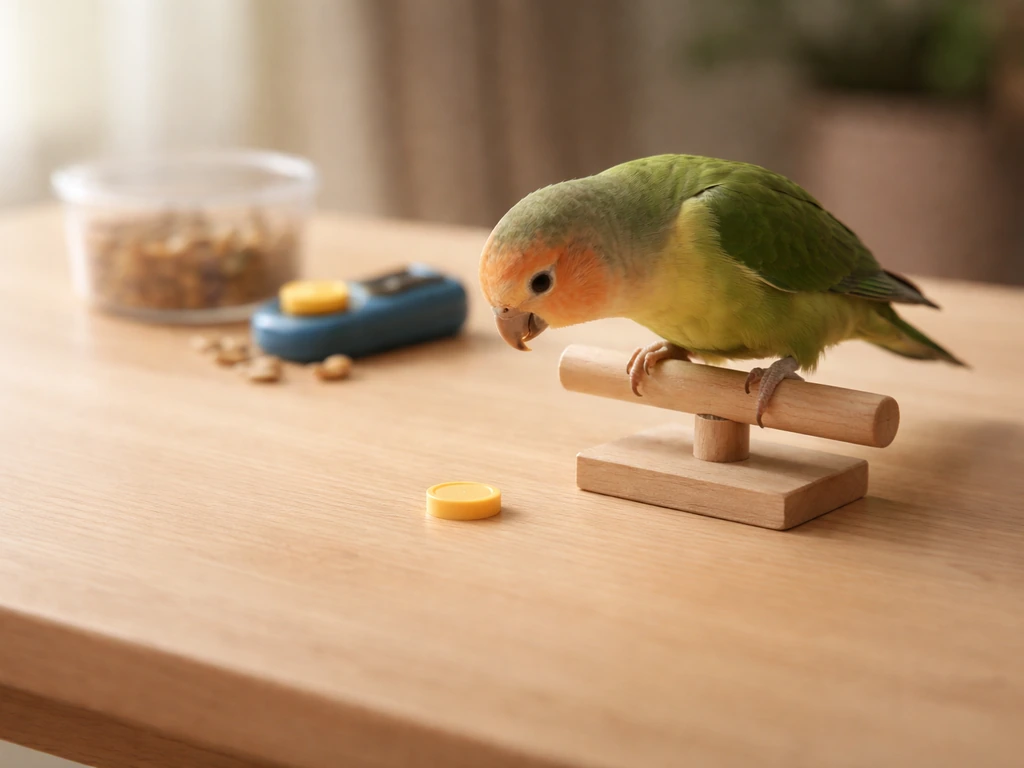
Place your safe training token on a flat surface near your bird during a calm moment, not during active training yet. Let the bird investigate it on their own terms. Do not pressure them to interact. Many birds will bob toward it, tap it with their beak, or pick it up immediately out of curiosity. Others will ignore it or back away. If your bird shows fear of the token, do desensitization first: place the token at a comfortable distance and gradually move it closer over several sessions while providing treats for calm behavior near it.
Phase 2: mark and reinforce any beak contact (days 3 to 7)
Once the bird is comfortable near the token, start your clicker sessions. The goal right now is simply: beak touches token, click, treat. Place the token in front of the bird on a table or training stand. The moment their beak makes contact with it, even a light tap, click and immediately deliver the treat. Do not click for just looking at it. You want physical contact. Repeat this 10 to 15 times per session for two to three days. Most parrots get this stage very quickly because the token is novel and interesting.
Phase 3: shape picking up and holding (days 7 to 14)
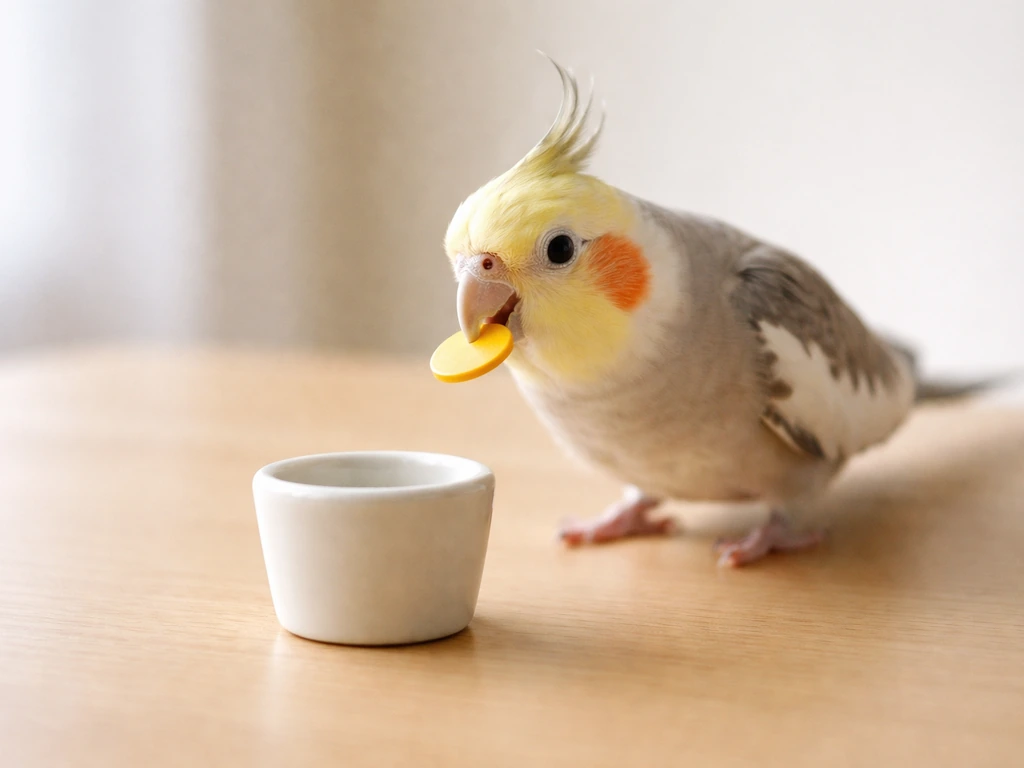
Now you raise the criteria. Stop clicking for a simple beak tap and only click when the bird picks the token up and holds it briefly, even for half a second. This is where shaping (reinforcing successive approximations toward the final behavior) becomes important. Some birds will immediately pick the token up; others will keep tapping because tapping used to work. Be patient and wait for the pick-up. The moment the token is lifted off the surface and held, click and treat with real enthusiasm. Within a few sessions, most birds will be picking the token up consistently.
Phase 4: teach 'drop it here' using a target cup (days 10 to 18)
Introduce a small container, a plastic cup, a ceramic dish, or a cardboard box, as the 'deposit spot.' Hold the container near the bird while they're holding the token. Many birds will naturally drop the token into or near the container when you move it close. The moment the token lands in or touches the container, click and treat. Over successive sessions, gradually move the container a few centimeters further away, so the bird has to carry the token a short distance to deposit it. Build up distance slowly, an extra 5 to 10 cm per session. This is your full retrieval chain: pick up, carry, deposit.
Add the 'find' cue and proof the behavior
Introduce the verbal cue
Once the bird is reliably picking up and depositing the token on about 80 percent of trials, add your verbal cue. Just before you present the token (while it's still slightly out of the bird's immediate focus), say your cue word clearly and once, 'find it,' 'get it,' 'coin,' or whatever you'll use consistently. Then present the token and let them complete the behavior. Click and treat the full chain. After 20 to 30 repetitions across several sessions, the cue word will begin to predict the behavior for the bird. The order matters: cue first, then token presented, then behavior, then reward.
Begin partial hiding
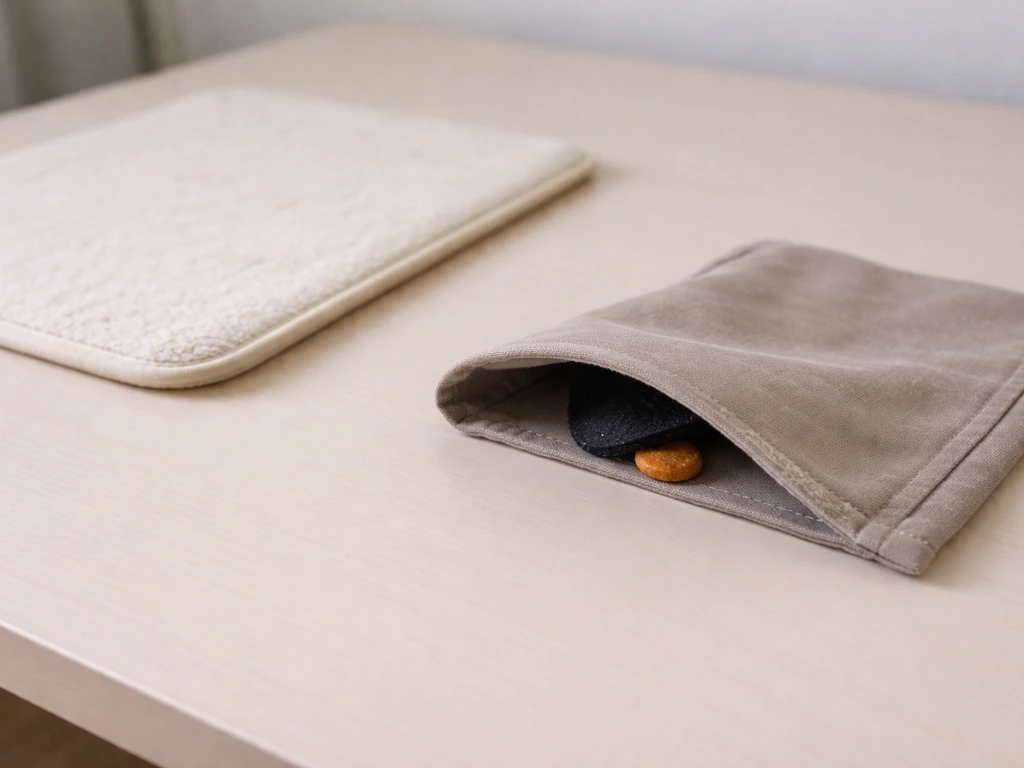
Now you can start making the token slightly less obvious before giving the cue. Place it partially under a folded piece of cloth, partially behind an object on the table, or at the edge of their peripheral vision. Give the cue and wait. If the bird searches and finds it, click the moment they make contact and give a high-value reward, a jackpot (three to four treats delivered one at a time) is appropriate here because this is harder than anything you've asked before. If the bird looks confused or doesn't search, go back to an obvious placement for a few trials, then try partially hidden again.
Proofing with multiple objects
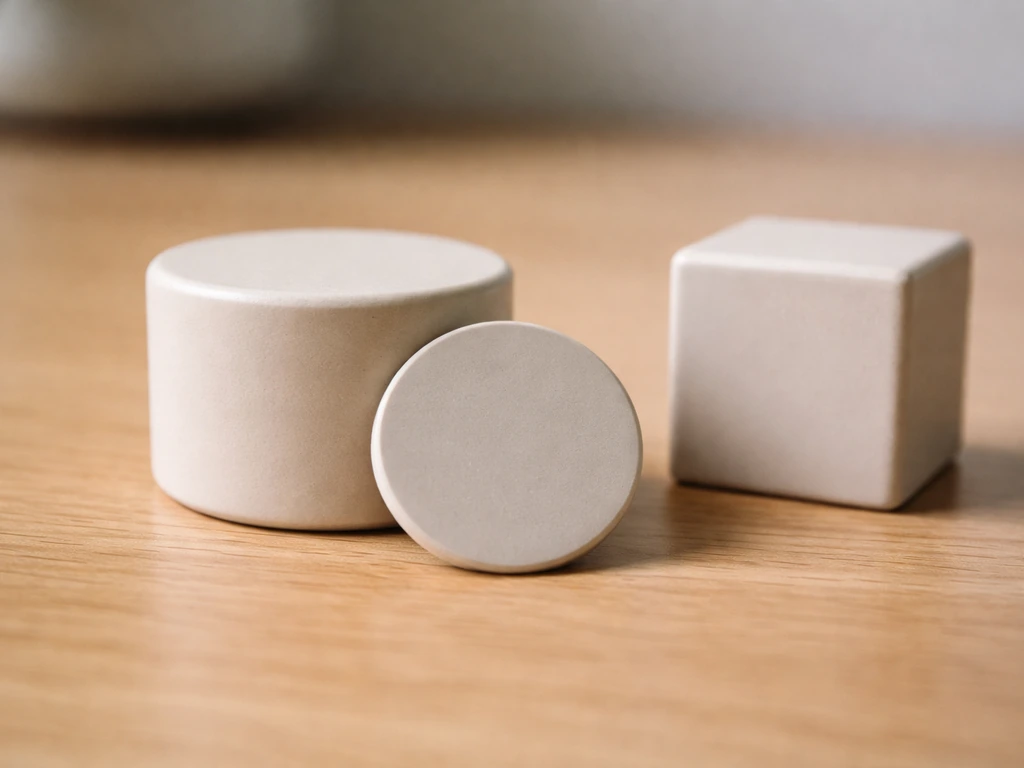
This step separates a bird that has learned the behavior from one that just grabs whatever is in front of them. Place the training token on a surface alongside two or three other items (a pen cap, a small wooden block, a cork). Give the cue. Click and treat only when the bird selects the correct training token. If they pick up the wrong item, do not click, stay neutral, and wait. Do not scold. Most birds will drop the incorrect item fairly quickly and re-scan. When they select the token, click and jackpot. This stage builds genuine discrimination and is the foundation of the 'find' behavior.
Troubleshooting common problems
| Problem | Likely cause | What to do |
|---|---|---|
| Bird ignores the token entirely | Token is unfamiliar or the bird is not food-motivated enough | Desensitize to the token over several days; train on an empty stomach (not starved, just pre-meal); try a brighter or differently textured token |
| Bird taps but won't pick up | Criteria shifted too fast | Go back to clicking any beak contact for a session, then slowly raise criteria again toward a lift |
| Bird picks up token but drops it immediately | Holding duration not reinforced; token may feel uncomfortable | Shape duration by clicking for progressively longer holds; check token size and texture |
| Bird chews or destroys the token | Natural foraging behavior; token too thin or soft | Use a thicker, harder token; do not click for chewing; only click for carrying and depositing |
| Bird retrieves but won't deposit in the cup | Cup is unfamiliar or aversive | Introduce the cup separately as a treat-delivery vessel so it has positive associations before using it as a deposit target |
| Bird loses interest after a few sessions | Satiation or boredom; sessions too long | Shorten sessions to 3 to 5 minutes; vary treat types; end on success and quit before the bird disengages |
| Bird becomes stressed or fearful | Progressed too fast; environment too stimulating | Drop back two phases, reduce distractions, and let the bird set the pace for a week |
One thing worth noting: frustration in a bird looks different from disinterest. A frustrated bird may feather-fluff, vocalize sharply, bate off the stand, or start biting. Disinterested birds just walk away or look elsewhere. Frustration usually means you've raised criteria too fast or the session has gone too long. Drop back to an easier version of the behavior, get a few easy wins with good reinforcement, and end the session. Never push through visible frustration, it creates negative associations with the training environment and can set you back weeks.
Scaling up: harder hides, new locations, and reliable performance
Increasing difficulty systematically
Once your bird is finding the token at 80 percent or better accuracy when it's partially visible, you can start hiding it more completely. The golden rule for difficulty scaling is: change only one variable at a time. If you make the hide harder, keep the location familiar. If you move to a new location, make the hide easier again. Trying to change both simultaneously overwhelms most birds and causes accuracy to collapse.
- Partially covered on the training table (familiar surface, minimal cover)
- Fully covered under a light cloth on the training table
- Hidden inside a small open box among other objects on the training table
- Placed on a different surface in the same room (the floor, a chair seat, a perch)
- Hidden in a new room at an easy, visible location
- Hidden in a new room fully under a cloth or inside a box
- Hidden at a distance of 1 to 3 meters with the bird starting from a perch
Generalizing the cue across contexts
Cue generalization means the bird responds correctly to 'find it' no matter where you are or what's around. To build this, practice the find behavior in at least three to four different rooms or environments over a period of weeks. Each new environment will cause temporary regression, the bird may score lower on the first session in a new location. That's normal. Just make the hide easier in the new context and build back up. After two or three sessions in a new spot, most birds transfer the behavior reliably.
Species notes for common pet birds
African greys and larger Amazon parrots tend to be methodical problem-solvers and often excel at the discrimination stage once they trust the training relationship. Cockatoos are highly social and motivated but can get over-excited with object interactions, keep sessions short and calm. Cockatiels and budgies can absolutely learn the early phases of this behavior, but retrieval distance will be shorter and the token needs to be sized appropriately for their small beaks. Corvids (if you're working in a legal rehab or educational context) are among the most naturally gifted object retrievers in the bird world, and they may skip early phases almost entirely and need you to move quickly to the harder hides to maintain engagement.
Keeping motivation high long-term
One of the most common long-term problems is extinction of motivation, the bird just stops caring about the game. This usually happens because the training has become predictable or the rewards have lost value. Rotate your treat types regularly, occasionally offer a jackpot for a particularly good performance, and vary the hide locations so the task stays genuinely novel. Some trainers also introduce a brief 'find' game as part of daily enrichment rather than a formal training session, hiding the token somewhere in the bird's play area and letting them discover it on their own. That kind of voluntary engagement keeps the behavior sharp without the pressure of a formal session.
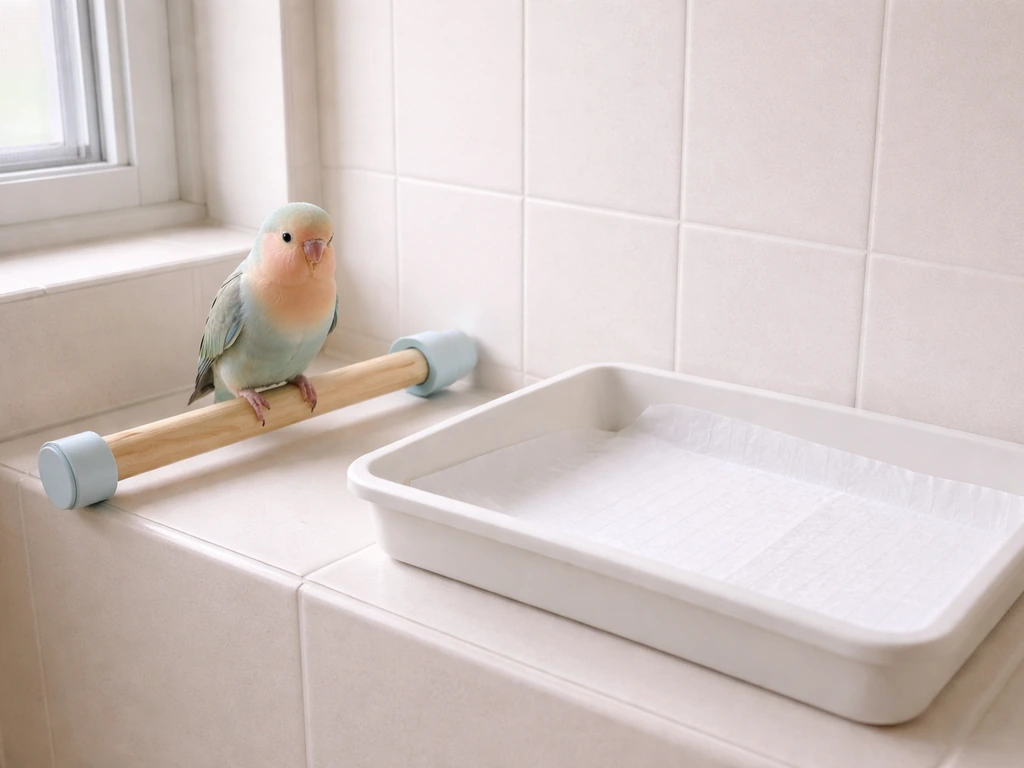
If you're already working on other behaviors like potty training or station training with your bird, you'll notice that the same operant conditioning principles apply across all of them. Can you house train a bird? Yes, the same operant conditioning principles used for token retrieval can support potty habits and other routines, as long as you set clear cues and reinforce the right behavior. If you're already working on other behaviors like potty training or station training with your bird, the same operant conditioning principles can also help with keeping messes under control, including can you train a bird not to poop everywhere. If you're also wondering about house training a bird, the same kind of consistent cues and positive reinforcement can help you shape reliable bathroom behavior house train a bird. If you want to learn more about that process, check the guide on house training a bird. If you want even cleaner results, you can apply the same operant conditioning ideas to teach a bird to poop in one spot. The foundation is always the same: clear criteria, consistent marking, high-value reinforcement, and a bird that feels safe and willing. Once you have that relationship, this kind of complex behavior chain is well within reach for most pet birds, and genuinely rewarding to build.
FAQ
Can I teach the bird to bring the token to a specific person or only to me?
Yes. Pick one target handler first. Train the deposit and final return while that person is stationary, then add a new person only after your bird meets a consistent 80 percent criterion with you. Use the same cue word, but the marker and reward should stay consistent so the bird learns the routine rather than “who moved.”
What if my bird picks up the token, drops it immediately, or seems to “steal” it and run?
That usually means pickup is rewarded, but carry or hold is not yet under criteria. Go back one step and click only for pickup plus a slightly longer hold (for example, 0.5 to 1 second), then restart deposit shaping. If running behavior appears, reduce retrieval distance and keep the deposit spot close until the bird chooses the deposit calmly.
How do I prevent the bird from learning to grab random objects instead of the training token?
Use discrimination early. Keep only the safe token present during training blocks, and when you introduce other items, do not click for anything except the correct token. If you accidentally click for the wrong object, remove the reward immediately and go back to an easier discrimination step for several trials.
What should I do if the bird bites at the token or becomes aggressive during object work?
Stop and regress to contact-free exploration. Start by rewarding calm proximity to the token without touching, then beak-touch only if the bird stays relaxed. If biting escalates, shorten sessions, lower criteria, and avoid “hands-on” coaxing, because forced contact can make the token into a threat.
Is it okay to let the bird play with the token outside training sessions?
It can help motivation, but only if it is safe and consistent. If the bird starts hoarding, chewing, or associating the token with rough play, keep token availability supervised and brief, or use a separate token for enrichment and a different token (distinct shape or color) for the formal cue-trained behavior.
My bird searches only when the token is partly hidden. Why won’t it search when it is fully hidden?
Search behavior often needs more gradual scaling and clearer location cues. When moving to fully hidden, change only one variable, keep the search area and position consistent, and consider reintroducing “partially visible” placement for a few sessions to rebuild confidence before increasing hide difficulty.
How much time should I train per day, and what signs mean I should stop?
Short sessions are best, typically a few minutes with multiple quick repetitions. Stop immediately if you see stress signals such as retreating, sharp screaming, refusal of treats, or repeated biting, then resume later with easier criteria (closer token placement or shorter deposit distance).
What if the bird still learns the cue word but then refuses to search or deposit later in the day?
That’s often reward dilution or fatigue. Rotate treat types, use jackpots only for genuinely hard trials, and end sessions on success. Also avoid training right after stressful events (vet visits, cleaning, loud households) because the bird may treat the cue as a “work” cue without the same reward readiness.
Should I use a clicker or a word marker, and can I switch between them?
Use one marker consistently during a phase. You can switch later, but do it carefully by “charging” the new marker (rewarding it without training demands) so the bird learns it predicts food. If you switch mid-session, the bird may become uncertain about what behavior was correct.
How do I handle training around different rooms without losing performance?
Plan for temporary regression. Start each new environment with an easier hide (more visible or closer placement), then rebuild to the prior success level within 2 to 3 sessions. Keep the physical training area similar across rooms when possible, especially early on.
Is this safe for small birds like budgies or cockatiels, and how do I size the token?
Yes with smaller, swallow-resistant sizing. The token should be larger than the bird’s beak width so it cannot be taken in whole, but light enough to carry comfortably. Thick cardboard circles of about 2.5 cm can be safer for very small species, but you still must supervise for any chewing or attempt to ingest.
Can I train “money finding” without using any object token at all?
Not reliably. The behavior depends on a consistent target for discrimination, so you need a safe, consistent stand-in. If you want the end result to look like “money,” keep the trained token distinct and only later generalize using additional props under supervision, never real coins.