Helping your bird reach its biggest, healthiest size comes down to three things: knowing what your specific species is actually supposed to weigh, feeding a nutritionally complete diet, and keeping stress low enough that the bird can grow and thrive. You cannot make a bird grow beyond its genetic ceiling, but you absolutely can prevent it from falling short of that ceiling through poor diet, chronic stress, or bad husbandry. That is the real goal here.
How to Become the Biggest Bird: Humane, Healthy Growth Tips
Maya Harris
6 May 2026

What 'biggest bird' actually means (and what it doesn't)
If you searched this phrase hoping to engineer a bird that is larger than its species maximum, that is not something nutrition or training can do. Size is overwhelmingly genetic and species-specific. A cockatiel will not grow into a macaw no matter what you feed it. What you can control is whether your bird reaches its natural healthy maximum, stays at an ideal body weight, and develops the kind of confident, relaxed demeanor that comes from great care. If you are wondering how to control big bird size, focus on matching the bird to its species-expected weight range and then dialing in nutrition, stress reduction, and husbandry. Think of it less as 'making the bird bigger' and more as 'removing every obstacle that would make it smaller or weaker than it should be.'
There is also a second interpretation worth mentioning: some people want to deepen the bond, build the bird's presence in the home, or help a shy bird become the dominant, bold personality it could be. Those goals are real and achievable too, and the training section below covers that directly. Both interpretations lead to the same practical advice: excellent nutrition, low stress, and consistent positive interaction.
Species basics and realistic size expectations
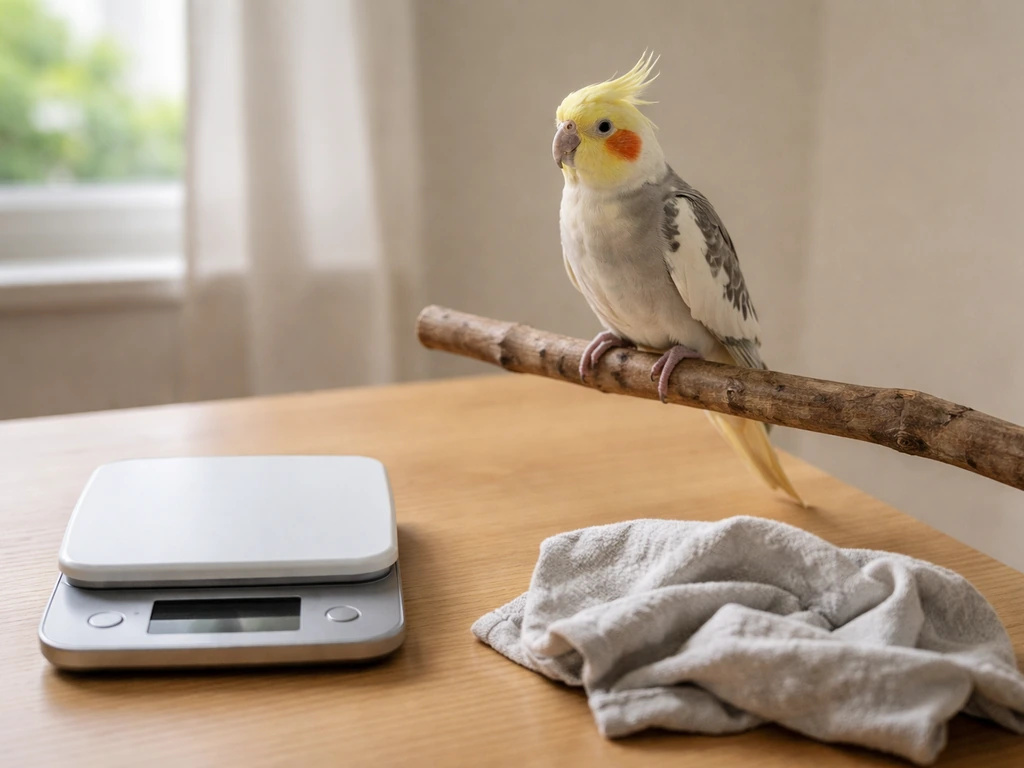
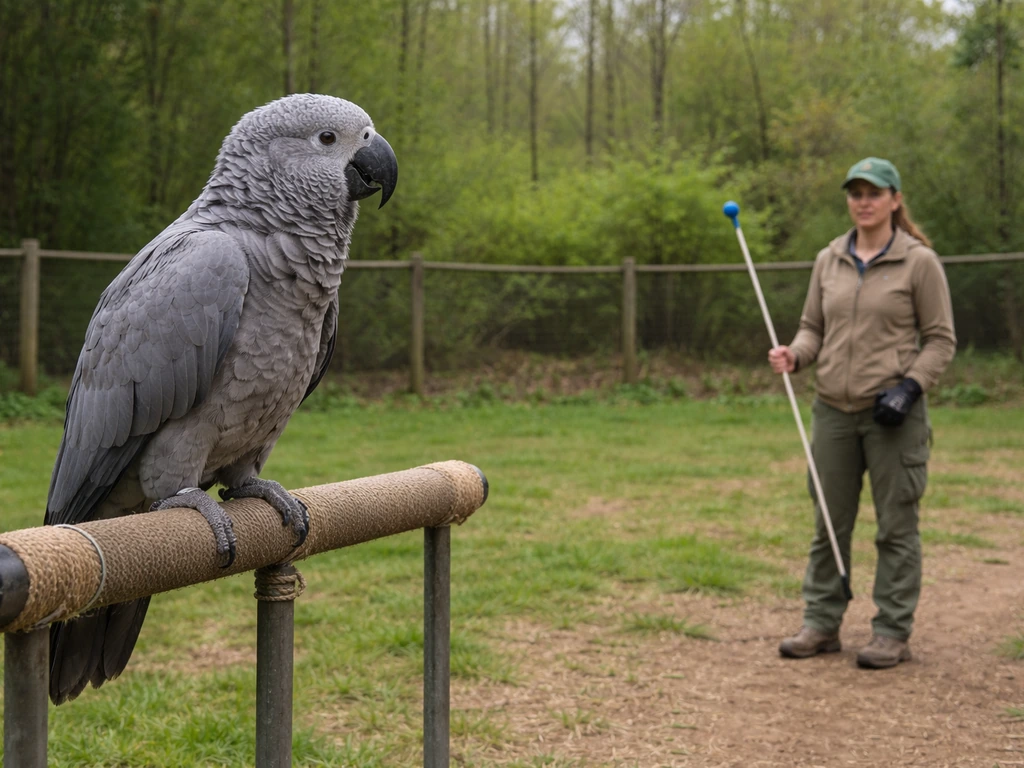
Before you do anything else, confirm your bird's species and look up its expected weight range. A healthy cockatiel, for example, typically weighs between 75 and 120 grams. An African grey parrot sits around 400 to 600 grams depending on subspecies and sex. A hyacinth macaw can reach over 1,500 grams. These are not targets you push toward through overfeeding; they are ranges that tell you whether your bird is thriving or falling short.
Sex matters too. In many species, males and females have different typical weights, and immature birds are lighter than adults. If you have a young bird, its 'biggest' is still a few months or even years away depending on species. Large parrots like macaws and cockatoos can take two to four years to reach full adult size. Setting realistic, species-specific milestones prevents both underfeeding and overfeeding at the wrong life stage.
| Species | Typical Adult Weight Range | Time to Full Size |
|---|---|---|
| Budgerigar | 25–40 g | 3–4 months |
| Cockatiel | 75–120 g | 6–9 months |
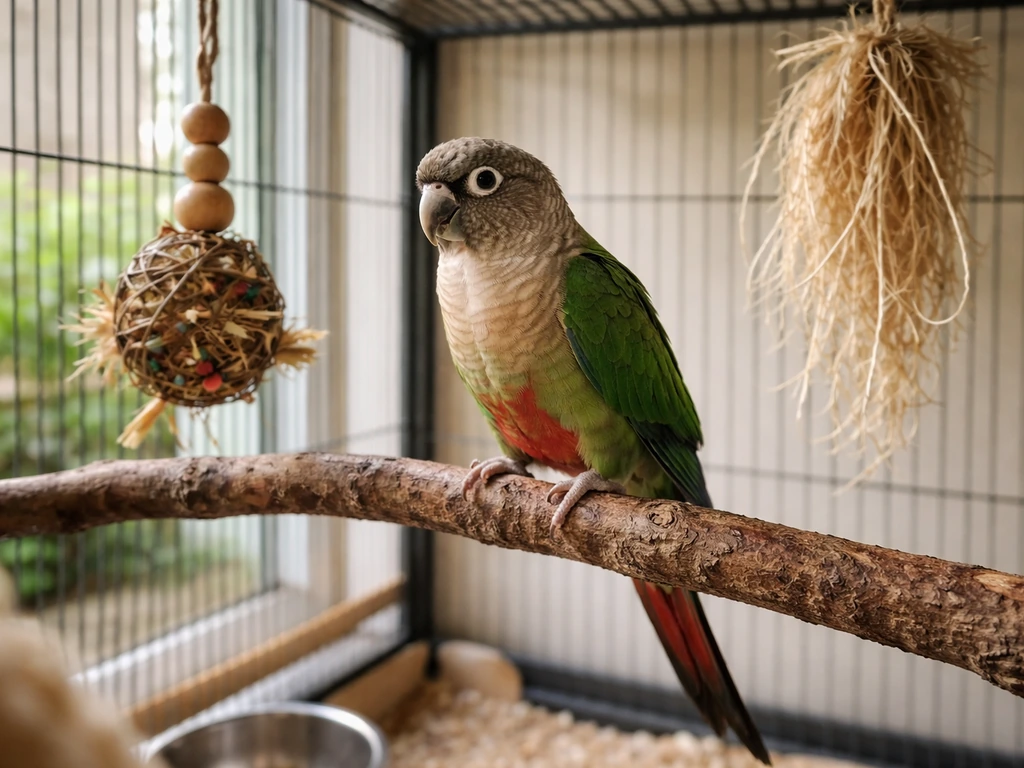
| Conure (Green Cheek) | 55–80 g | 6–12 months |
| African Grey Parrot | 400–600 g | 18–24 months |
| Amazon Parrot | 300–600 g (species-dependent) | 12–24 months |
| Blue and Gold Macaw | 900–1,300 g | 2–3 years |
| Hyacinth Macaw | 1,200–1,700 g | 3–4 years |
Use a reference like LafeberVet's normal body weights table as a species-specific baseline, and ask your avian vet to confirm the right target range for your individual bird at your first or next wellness visit.
Nutrition: the biggest lever you actually have
Diet is where most birds fall short of their potential, and it is the area you have the most direct control over. A strict seed diet is one of the most common reasons birds stay smaller, dull-feathered, and prone to illness. Seeds are high in fat and energy but deficient in vitamin A, calcium, and key amino acids like lysine and methionine. Fed as the sole diet, seeds can cause nutritional diseases that directly interfere with growth, feather quality, and immune function. This was the leading driver of nutritional disease in pet birds before pelleted diets became widely available.
Build the diet around pellets, not seeds

For most psittacines (parrots, cockatiels, cockatoos, macaws, and similar), a high-quality pelleted or extruded diet should make up the majority of what they eat, typically around 60 to 80 percent of daily intake. Nutritional research consistently shows that pelleted diets improve nutritional intake and quality of life compared to seed-based feeding. Seeds are not villains, but they work best as a smaller portion of the diet or as training rewards, not as the foundation.
If your bird is currently on a seed-only diet and you need to convert it, take it slow. A practical starting point is mixing about 20 percent pellets with 80 percent seed and holding that ratio for roughly two weeks. Gradually shift the ratio over the following weeks until pellets dominate the bowl. If you are converting an all-seed diet, IVIS notes that hypovitaminosis A is particularly prevalent in these birds and recommends working with an avian veterinarian during the transition hypovitaminosis A is particularly prevalent in birds on all-seed diets. Never starve a bird into eating pellets; always confirm it is eating during the transition by monitoring weight (more on that below).
Fresh foods and key nutrients
Alongside pellets, offer fresh vegetables and some fruit daily. Dark leafy greens, cooked sweet potato, carrots, and broccoli are good vitamin A sources, which is critical because hypovitaminosis A is one of the most common nutritional deficiencies in pet birds. It causes tissue changes throughout the body and suppresses immune function. The good news is that a quality pelleted diet combined with varied fresh vegetables usually covers this without needing additional supplementation.
Calcium matters especially for growing birds, with requirements estimated at around 1 percent of the diet (approximately 10,000 ppm) during growth phases. Pellets from reputable brands formulate for this, but if your bird is not eating pellets yet, cuttlebone and leafy greens help fill the gap. Be cautious with vitamin and mineral supplements added to water or sprinkled on food; over-supplementing fat-soluble vitamins (A, D, E, K) causes toxicity, not benefit. If your bird eats a good pelleted diet, extra supplementation is generally unnecessary.
One more trap to avoid: cafeteria-style feeding, where you put out a wide variety and let the bird pick whatever it wants. Birds are selective eaters and will consistently choose the most calorie-dense, fatty items while ignoring nutritious ones. The result is an unbalanced diet even when healthy foods are technically available. Offer measured portions and rotate variety rather than leaving a smorgasbord out all day.
Hydration

Fresh, clean water should always be available. Change it at least once daily and more often if the bird dunks food in it. Dehydration suppresses appetite and digestion, both of which directly affect growth and body condition.
Housing, environment, and enrichment
A bird's physical environment determines whether it feels safe enough to eat well, move freely, and develop strong muscles and feathers. A cramped, poorly lit, or temperature-stressed bird diverts energy away from growth and toward survival. Getting the environment right is not optional.
Cage size and perch setup

The cage should be large enough that the bird can fully extend and flap its wings without hitting the bars. Bigger is always better, but at minimum the bird should be able to move between perches without squeezing. Use perches of varying diameter and texture to exercise the feet and develop grip strength. Natural wood perches, rope perches, and concrete or mineral perches each offer different benefits. Place perches at different heights to encourage movement throughout the day.
Lighting and photoperiod
Indoor birds need proper lighting because natural sunlight through glass provides little usable UVB. Without UVB, birds cannot synthesize vitamin D3 from light alone, which affects calcium absorption and bone development. The RSPCA recommends flicker-free full-spectrum lamps that emit both UVA and UVB (for example, lamps providing around 12 percent UVA and 2.4 percent UVB). Place the lamp at a distance where the bird gets meaningful exposure but can also move away from it, since birds should always have the choice to step back from the light. A daily light/dark cycle that mirrors natural daylight, typically around 12 hours of light and 12 hours of darkness for most species, supports normal hormonal rhythms, sleep quality, and appetite.
Temperature and air quality
Most companion parrots do well at typical indoor room temperatures (around 65 to 85 degrees Fahrenheit), but rapid temperature swings from HVAC systems are a real hazard. Avoid placing the cage near air vents, drafty windows, or frequently opening exterior doors. Cookware with non-stick coatings, scented candles, aerosol sprays, and cigarette smoke are all toxic to birds and should be kept out of the bird's environment entirely. Texas A&M TVMDL also cautions that PTFE or Teflon products can cause toxicosis in birds, including after exposure to overheated nonstick cookware and similar items, so keep such sources out of the bird’s environment.
Enrichment that supports physical development
Foraging toys, climbing structures, and puzzle feeders are not just entertainment; they encourage physical activity that builds muscle tone and keeps the bird at a healthy weight rather than a sedentary, overfed one. Rotate toys regularly to maintain novelty. A bored, inactive bird tends to overeat, under-move, and develop stress behaviors like feather picking, which is both a sign of poor welfare and a direct physical consequence that damages the feathers you are trying to grow.
Training and handling: stress reduction as a growth tool
Chronic stress is one of the most underestimated factors in stunted or poor-condition birds. A bird that is constantly frightened, over-handled without trust, or living in chaotic conditions suppresses appetite, loses weight, and develops stress-related feather and behavioral problems. Building a positive relationship through humane training is not just about bonding; it directly supports physical health.
Start with desensitization and voluntary step-up
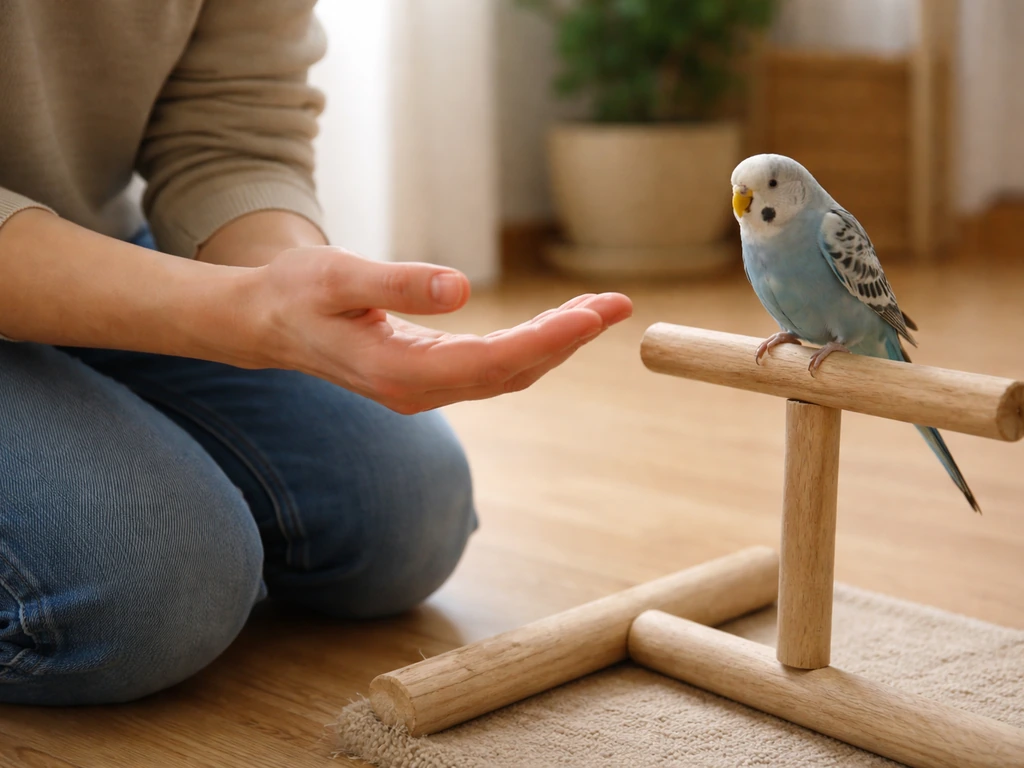
If your bird is new or not yet hand-tame, start by simply being present near the cage without pressure. Let the bird approach you at its own pace. Once it is comfortable with your presence, introduce your hand inside the cage without reaching for the bird, just letting it investigate. The voluntary step-up, where the bird chooses to step onto your finger or hand on cue, is the foundation of cooperative handling. Never force a grab; it erodes trust and spikes stress hormones.
Use positive reinforcement and clicker training
Clicker training is highly effective for birds. The click marks the exact moment the bird does what you want and signals that a food reward is coming. This clarity accelerates learning and, more importantly, makes training sessions a positive experience the bird actively anticipates. Short, frequent sessions (three to five minutes, several times a day) are more effective and less stressful than long infrequent ones. Regularly spending time with your bird in positive ways, including training, keeps them calmer, more confident, and better adjusted overall. If you also want to work on vocal skills, check out how to sing like a bird and build those instincts safely.
If your bird is showing signs of stress like feather picking, do not scold it. Attention, even negative attention, can reinforce the behavior. Instead, focus on addressing the underlying cause: boredom, poor diet, inadequate sleep, or too little positive interaction. Feather picking in larger species like cockatoos and African greys is a well-documented stress response that undermines feather condition and overall health.
Cooperative care basics
Training your bird to tolerate handling of its feet, wings, and beak makes vet visits and home health checks far less traumatic. Practice touching these areas briefly and rewarding calmness. This kind of cooperative care training means your bird will experience less stress during the routine health checks that are essential for catching growth or health problems early.
Tracking growth and knowing your bird's normal
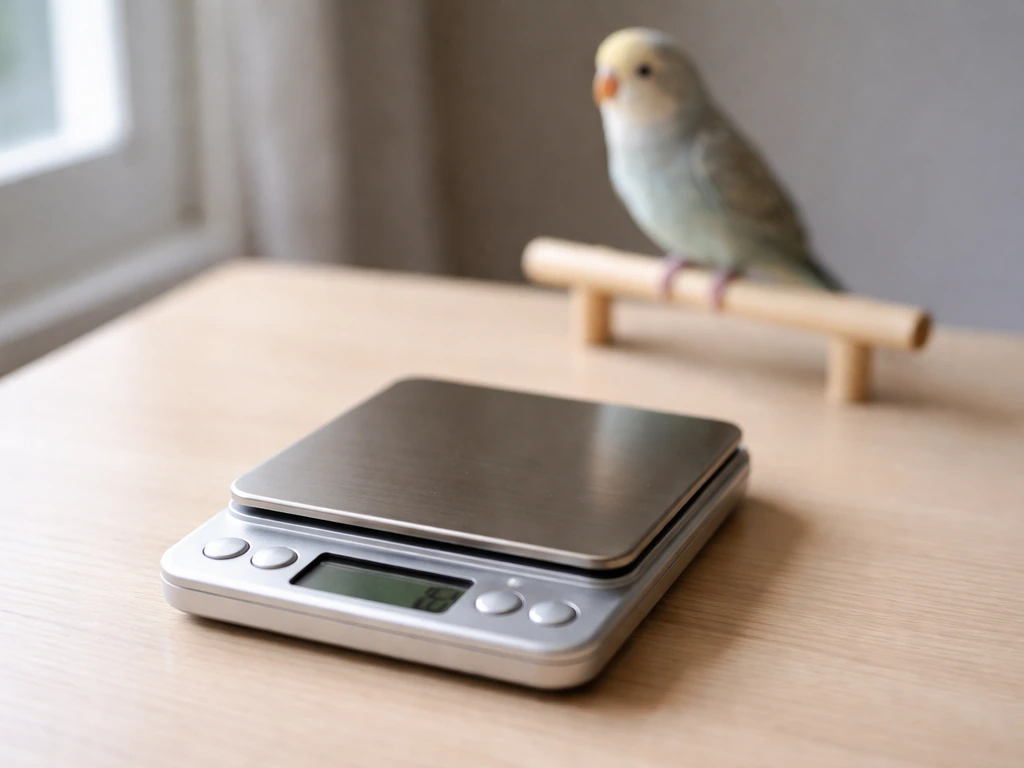
You cannot manage what you do not measure. A gram scale accurate to one gram (kitchen scales work fine and cost under $20) is one of the most useful tools a bird owner can own. Weigh your bird at the same time each day, ideally before the first meal. For fledglings and young birds, daily weighing helps catch early signs of failure to thrive. For adult birds, once a week is a practical and effective baseline that helps you understand normal weight fluctuations and catch problems before they become serious.
Beyond the scale, learn to assess body condition by feel. The keel bone (the ridge running down the center of the chest) is your guide. In a bird with ideal body condition, you should be able to feel the keel but it should not be sharp or prominent (which indicates underweight) and should not be buried in fat (which indicates overweight or obesity). Veterinary body condition scoring for exotic birds uses a 1 to 5 scale where 1 is emaciated and 5 is obese; an ideal score is around 3. Ask your avian vet to show you how to feel for this during a wellness visit.
Keep a simple log: date, weight, any behavioral or physical observations. Patterns matter more than single data points. A gradual weight loss of even a few grams per week in a small bird can become serious quickly.
Red flags that need a vet visit
Birds are masters at masking illness, often appearing normal until they are quite sick. Seek veterinary attention promptly if you notice any of the following:
- Weight loss of more than 5 to 10 percent over a week or two without a clear cause
- A young bird not gaining weight as expected during growth phases
- Persistent loss of appetite or refusal to eat favorite foods
- Fluffed feathers, lethargy, or tail-bobbing (signs of respiratory or systemic illness)
- Abnormal droppings (color, consistency, or volume changes lasting more than a day)
- Feather abnormalities including stress bars, blood feathers that are damaged, or active feather destruction
- Visible changes to the keel bone (suddenly prominent or suddenly hard to feel)
- Any bird that seemed fine and is now sitting at the bottom of the cage
An annual wellness exam with an avian-certified or avian-experienced veterinarian is not optional if you want your bird to reach its full healthy potential. Routine bloodwork can catch nutritional deficiencies and organ issues long before symptoms appear. Malnutrition and stress remain among the most common health problems in caged birds, and many are preventable with early intervention.
Common mistakes that keep birds smaller than they should be
Most stunted or poor-condition birds are not the result of one catastrophic mistake. They are the result of several small, compounding problems that accumulate over months. Here are the most common ones and how to fix them.
| Mistake | Why It Matters | Fix |
|---|---|---|
| All-seed diet | Deficient in vitamin A, calcium, and essential amino acids; leads to nutritional disease | Convert to a quality pelleted diet as the dietary base |
| Cafeteria-style feeding | Bird selects fatty favorites and ignores nutritious options, causing imbalance | Offer measured portions; rotate variety; remove uneaten fresh food after a few hours |
| Over-supplementing vitamins | Fat-soluble vitamin toxicity is a real risk; more is not better | Use supplements only if recommended by an avian vet; a good pellet diet usually covers needs |
| No UVB lighting indoors | Impairs vitamin D3 synthesis and calcium absorption, affects bone development | Install a full-spectrum flicker-free UVA/UVB lamp on a consistent daily schedule |
| Chronic stress from handling or environment | Suppresses appetite, immune function, and growth; causes feather problems | Train with positive reinforcement; ensure adequate sleep; minimize sudden disruptions |
| No regular weighing | Problems develop slowly and go unnoticed until serious | Weigh weekly at minimum; daily for young or unwell birds |
| Skipping vet care | Nutritional deficiencies and illness go undetected; small problems become big ones | Schedule annual wellness exams; find an avian-experienced vet before an emergency arises |
| Wrong diet for the species | Softbills, raptors, and finches have completely different nutritional needs than parrots | Research species-specific requirements or consult an avian vet before building a diet plan |
Troubleshooting slow or stalled growth
If your bird is eating well but still seems smaller or lighter than expected for its age and species, work through this checklist before assuming the worst:
- Confirm the species and expected weight range from a veterinary reference, not just a general internet search.
- Check that you are actually seeing the bird eat, not just assuming it is eating because food disappears (other birds, or food falling out of the cage, can mask poor intake).
- Review the diet: is it pellet-based, or still primarily seeds or an unbalanced mix?
- Assess the lighting setup: is there a functioning UVB lamp on a consistent schedule?
- Check for stress sources: cage placement near high-traffic areas, other pets, loud noises, or insufficient sleep.
- Weigh the bird now and track daily for one to two weeks to establish whether it is holding steady, gaining, or losing.
- If weight is dropping or not improving after diet and environment corrections, book a vet appointment. Do not wait.
Getting a bird to its healthiest, biggest potential is genuinely achievable for most owners. It does not require expensive equipment or expert-level skills. It requires the right diet, a safe and stimulating environment, consistent gentle interaction, and the habit of paying attention to your bird's weight and behavior over time. If you are specifically looking for how to turn into a bird, it helps to set expectations: humans cannot transform into birds, but you can learn about bird anatomy and adaptations instead. If you are wondering how to become a bird yourself, the best starting point is understanding how birds grow, feed, and care for their bodies. The birds that fall short almost always do so because one of those basics was missing, and that is something you can fix starting today.
FAQ
Can I overfeed my bird to make it bigger than its species standard?
No. You can help a bird reach its natural, species-typical adult weight and condition, but you cannot push most birds beyond their genetic ceiling safely. If a bird is under target, the right move is to verify species, sex, and age first, then correct diet balance, sleep, and stress, and confirm progress with regular weighing rather than trying to “make up” weight quickly.
How fast should my bird gain weight while trying to reach its biggest healthy size?
Use the bird’s expected weight range as your guardrail, then aim for steady, normal-weight gain for juveniles and stable weight for adults. A sudden jump usually means too much calorie-dense food or an unbalanced diet, not healthier growth. If weight changes quickly, pause adjustments and check diet composition (pellets versus seed), water quality, and exercise level.
If my bird looks bigger, how do I know it is actually healthy and on track?
Not necessarily. Some birds look “bigger” due to fluffing, slower posture, or feather texture changes from molting, illness, or stress. The best confirmation is objective weighing plus body-condition checking (feel the keel, confirm it is neither sharp nor buried). If appearance and weight disagree, treat it as a welfare or health signal, not a growth success.
What should I do if my bird refuses pellets during the seed-to-pellet transition?
Yes, but only if done carefully. If pellets are new for your bird, watch weight trends and appetite during the transition, and do not rely on pellets alone if your bird refuses them entirely. If a bird is losing weight, vomits, or seems lethargic, slow the transition further or seek an avian vet’s guidance rather than continuing to push the new food.
How much fresh fruit and vegetables should I feed if I want maximum healthy growth?
Even with a good pellet diet, fresh vegetables can help with micronutrients and variety, but they should be offered daily and portioned, not unlimited. Too many high-sugar fruits can add calories that displace nutrients. A practical approach is dark leafy greens plus one or two additional veg items regularly, with fruit as a smaller, occasional addition.
Do I need to add vitamin or mineral supplements to pellets or water for better growth?
In many cases, you should not add multivitamins or mineral supplements routinely when the bird already eats a nutritionally complete pellet diet. Over-supplementing fat-soluble vitamins can become toxic, and calcium mis-dosing can also cause problems. If supplementation is considered, it is best guided by an avian vet based on your bird’s diet intake and lab work.
Is cuttlebone enough to meet calcium needs for a growing bird?
If the bird skips pellets or the diet quality is inconsistent, calcium needs for growth can become harder to meet. Cuttlebone can help with natural access, but it is not a substitute for a complete diet. Also, calcium-focused fixes should not be used to “replace” nutrition, because vitamin A and amino acids are equally important for healthy tissues and feather development.
How do I know my UVB lamp setup is helping, not stressing, my bird?
Provide full-spectrum lighting with UVA and UVB, but also ensure the bird can choose distance from it. A common mistake is placing the lamp too close with no ability to step away, which can increase stress. Another common issue is uneven coverage, where only part of the cage gets useful light, so confirm your setup allows the bird to spend appropriate time in the lit area and also retreat when desired.
What are the biggest non-obvious stressors that can stunt growth?
Stress is not only fear, it is also chronic disruption (constant noise, frequent handling, temperature swings, and unpredictable routines). If a bird is not settling, focus on environmental stability first: consistent sleep blocks, predictable interaction times, safe temperature range, and enrichment that matches the species. If feather picking is ongoing, a vet check is important because skin, pain, or parasites can mimic stress behaviors.
My bird is feather picking, and I do not know why. How can I address it effectively?
Feather picking can become self-reinforcing, because the bird learns that the behavior provides a coping response, and attention can accidentally maintain it. In addition to removing triggers (diet gaps, lack of sleep, boredom, handling pressure), increase supervised quiet interaction and adjust enrichment frequency. If picking is severe or accompanied by bald patches, redness, or crusting, get an avian vet evaluation promptly.
How should I use a kitchen gram scale correctly for monitoring growth?
A gram scale is great, but consistency matters more than frequency. Weigh at the same time of day and in similar conditions (before first meal is ideal), then compare against prior weights. If you see a concerning trend, do not wait for a weekly check in a small bird, juveniles, or a bird that has recently changed diet, environment, or activity.
How do I build trust for handling without making my bird more stressed?
Overhandling can increase stress, especially during trust-building, but fully avoiding touch can also delay cooperative care. The goal is short, voluntary, calm interactions that progress in small steps. A good rule is to end sessions while the bird is still comfortable, use positive reinforcement for stationing or step-up, and avoid forcing contact with wings, feet, or beak unless the bird is ready.
What if my juvenile bird is not gaining and seems smaller than expected for its age?
Yes. If a young bird’s weight is not trending toward species-expected norms, it is reasonable to treat it as an urgent welfare issue rather than “normal growing pains.” Early failures to thrive are often fixable when diet quality, heating, feeding technique, and stress are corrected quickly. An avian vet can also rule out underlying illness that can mask as poor appetite.
Why does my bird gain weight quickly after diet changes, but still seems unhealthy?
Not usually. Many “fast growth” stories are really cases of weight gain from calorie-dense foods, dehydration swings, or temporary puffiness during illness or molting. If you are trying to maximize healthy size, prioritize diet balance, appropriate light cycles, adequate cage space for activity, and stable temperatures, and let the weight curve guide your adjustments.