Getting a bird fit and healthy is absolutely doable at home, but the starting point is not a training plan or a new perch setup. It is a quick, honest check that your bird is actually ready for increased activity. Once you know you are working with a bird whose baseline health is solid, building a real conditioning routine is straightforward, rewarding, and something you can start today. This guide covers both common interpretations of the question: making a pet bird healthier and more active, and conditioning a rehabilitated or wild-care bird appropriately for its situation.
How to Be a Fit Bird: Safe Training, Fitness Plans
Maya Harris
10 Apr 2026
First: Is your bird healthy enough to work with?
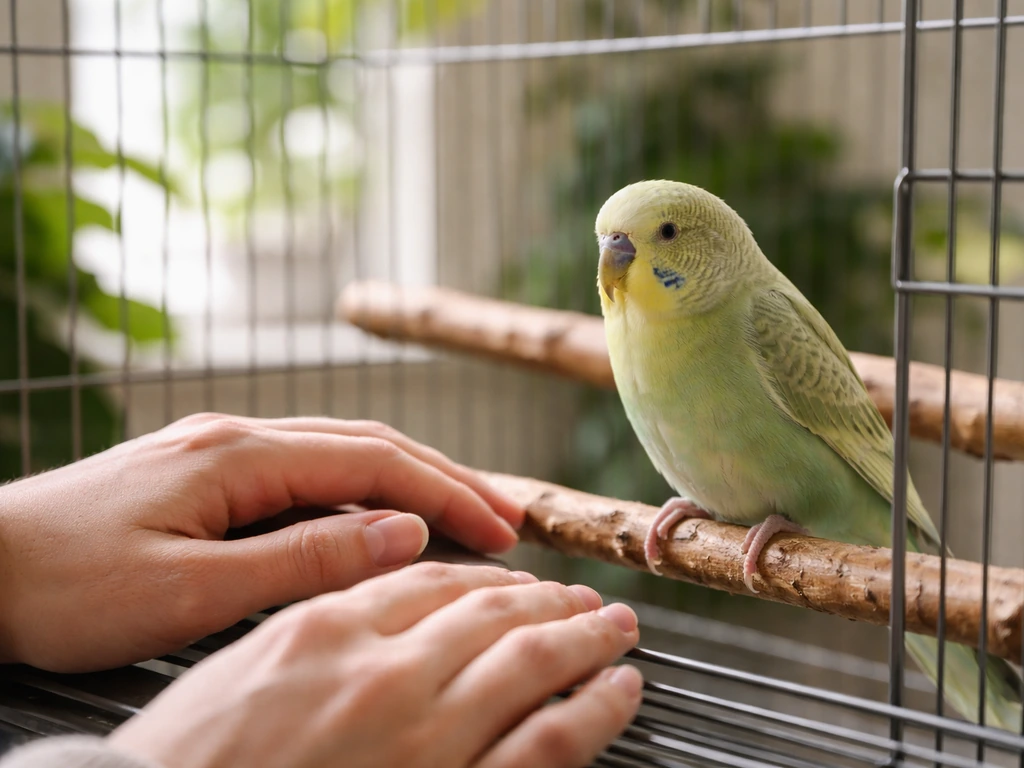
Before you change anything about your bird's daily routine, spend five minutes just watching it in its cage or enclosure. This is not overthinking it. A bird that is quietly active, holding normal posture, and breathing smoothly with its beak closed is a bird that is likely ready to move forward. A bird showing any red flags needs a vet visit before you add any physical or mental demands.
The most important signs to catch early are breathing-related. Open-mouth breathing, tail bobbing with each breath, audible respiratory noise, or any labored effort at rest are all stop signs. Gasping or obvious breathing difficulty is urgent. These signs should never be dismissed as nerves or heat, especially before a session begins. If you see them, stop and call your avian vet.
Beyond breathing, watch for lameness, shifting weight off one foot, dull or abnormal feather texture, or changes in dropping color like red, tarry black, pale, or bright yellow. Any of these warrant prompt veterinary contact before you do anything else. The goal here is not to alarm you but to make sure your baseline is actually a healthy bird.
Get a weight. Seriously. A digital kitchen scale that reads in grams is all you need, and it is one of the most practical tools you will use throughout a conditioning program. Weigh your bird at the same time each day (morning, before the first meal, works best) and write it down.
Accurate, consistent weight tracking helps you detect health changes early and gives you a real measure of whether your conditioning work is trending in the right direction. Combine that number with a visual body condition check: look at and gently feel the keel (breastbone). A well-conditioned bird has pectoral muscles that sit level with or slightly above the keel. A bird where the keel juts out sharply is underweight.
A bird where it disappears under fat is overweight. Both situations call for a vet consultation before starting a fitness plan.
If you are working with a rehabilitated or wild bird in human care, the health-readiness bar is even higher. Psychological distress is a real welfare concern during captive rehabilitation, and a bird that is highly stressed should not be pushed into conditioning. Get a thorough health check from a licensed wildlife rehabilitator or avian vet before any structured exercise begins.
What 'fitness' actually means for a bird
Bird fitness is not one thing. It covers flight ability and stamina, muscular strength (especially pectorals and legs), healthy body condition and weight, mental engagement, and the absence of chronic stress. A bird can look fine and still be sedentary, bored, overweight, and losing muscle tone. Conversely, a bird in a stimulating, movement-rich environment tends to maintain better body condition, sharper problem-solving, and more stable behavior overall.
For flight-capable pet birds, the most meaningful fitness marker is the ability to fly comfortably and repeatedly without becoming exhausted or overheated. For smaller birds or those with clipped wings, fitness looks more like active foraging, climbing, swinging, and using varied perches. For birds in rehab or wildlife care, fitness is about being genuinely prepared to survive independently, which includes both physical stamina and appropriate wild behaviors.
Enrichment is part of fitness, not a separate category. A bird that is mentally engaged moves more, explores more, and stays physically active in ways that passive cage sitting simply does not replicate. Think of enrichment as the daily background layer that keeps all the other work meaningful. If you want to understand the broader picture of what genuinely bird-appropriate behavior looks like, reading about how to act like a bird gives useful context for interpreting what your bird is actually telling you through its movements and posture.
Set up an environment that makes fitness possible
Environment is the foundation. A bird cannot get fit in a cage that is too small to move in, with only one perch diameter, or with no reason to interact with its space. Get this right first and the rest of the work becomes much easier.
Perches: variety matters more than most owners realize
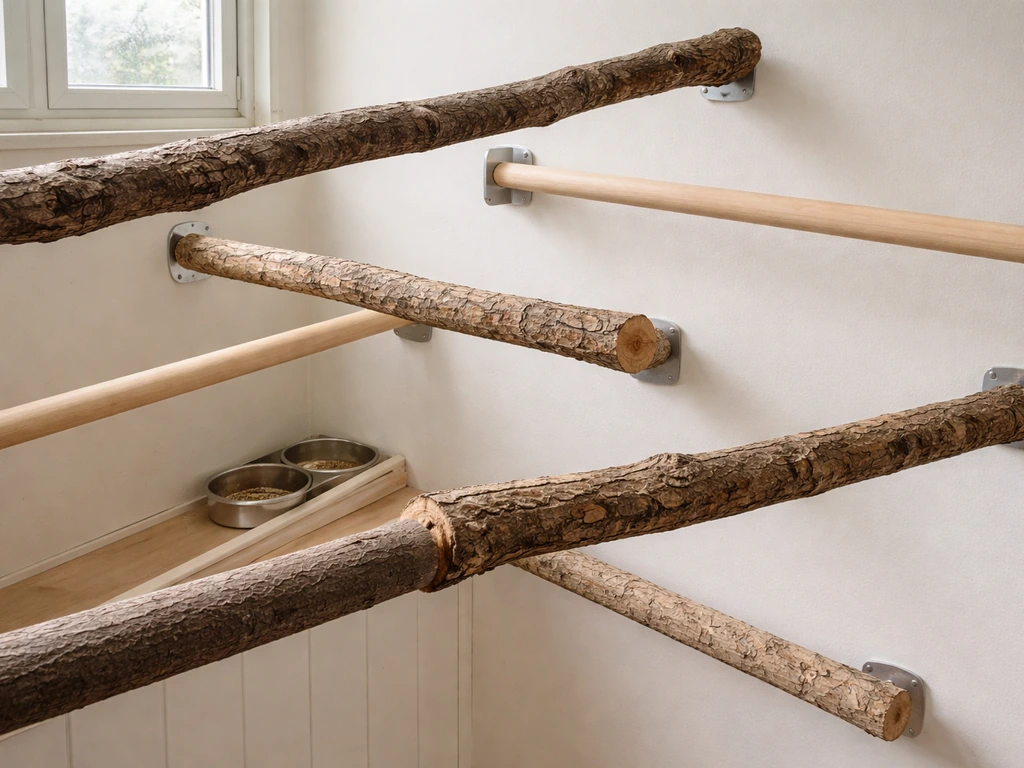
Use perches of varying diameters so your bird exercises different muscle groups and foot positions throughout the day. A bird that only ever grips one diameter is at higher risk of foot problems and arthritis over time. Natural wood branches of different thicknesses, rope perches, and platform perches all serve different functions. Place them at different heights to encourage movement between levels. Avoid sandpaper perches, which cause abrasion rather than nail wear.
Space and flight safety
For flight-capable birds, supervised out-of-cage time in a safe room is non-negotiable for real fitness. Before you let any bird fly indoors, close all windows and doors, cover mirrors, remove ceiling fans from the equation, and check for other pets. Adding swings to the enclosure also provides low-effort exercise and encourages the kind of movement that builds core stability. If you are considering what it would actually take to give a bird full flight capability and what that looks like behaviorally, the topic of how to turn into a bird explores the physical and behavioral picture in an interesting way.
Foraging and enrichment setup
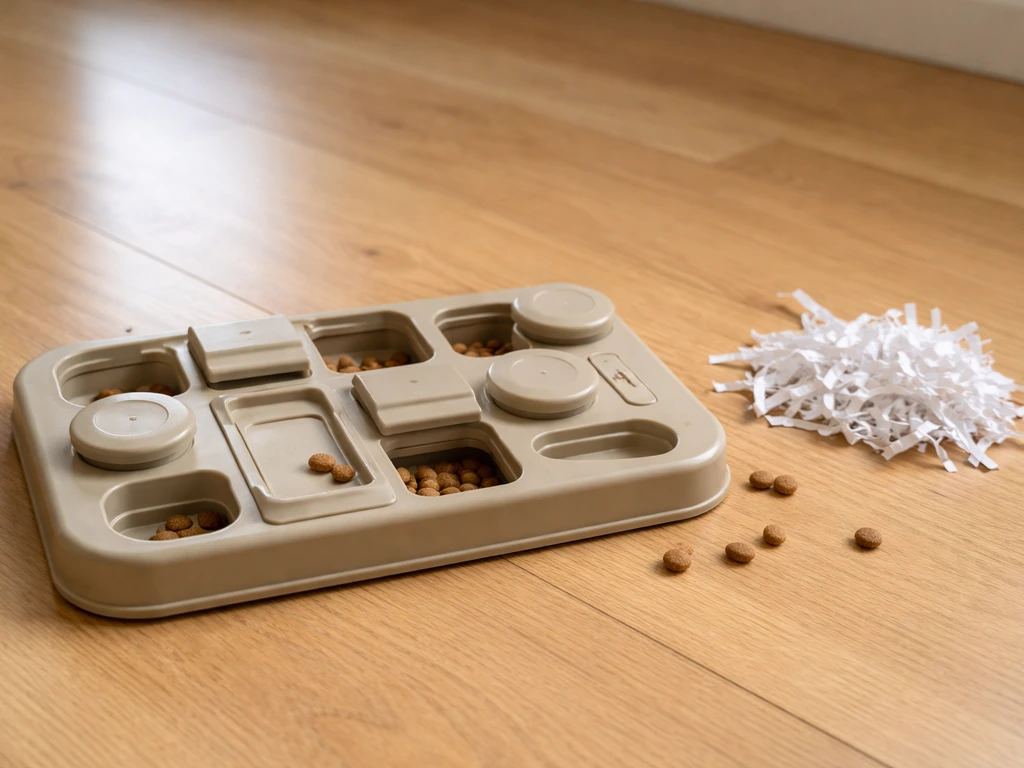
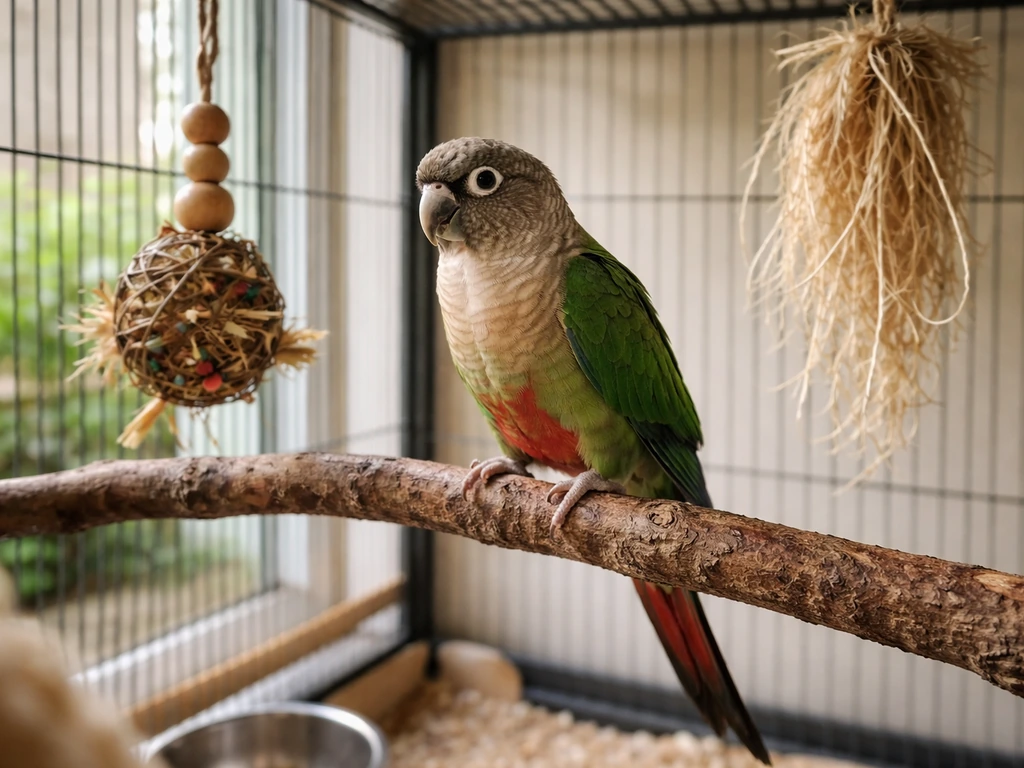
Stop putting food in a bowl at the same spot every meal. Hiding food in puzzle feeders, wrapping treats in foraging toys, or stuffing a toilet-paper tube with shredded paper and a few seeds encourages your bird to work for its food the way it would naturally. This alone can dramatically increase daily movement and mental engagement. Rotate enrichment items regularly so novelty does not wear off. The goal is to make the bird's environment feel dynamic and worth exploring.
Humane training that enables exercise
You cannot physically force a bird into fitness, and trying to will backfire. Stress suppresses immune function, disrupts normal behavior, and creates negative associations that make future training much harder. The entire training approach here is voluntary, low-pressure, and reward-based.
Start with bonding and trust
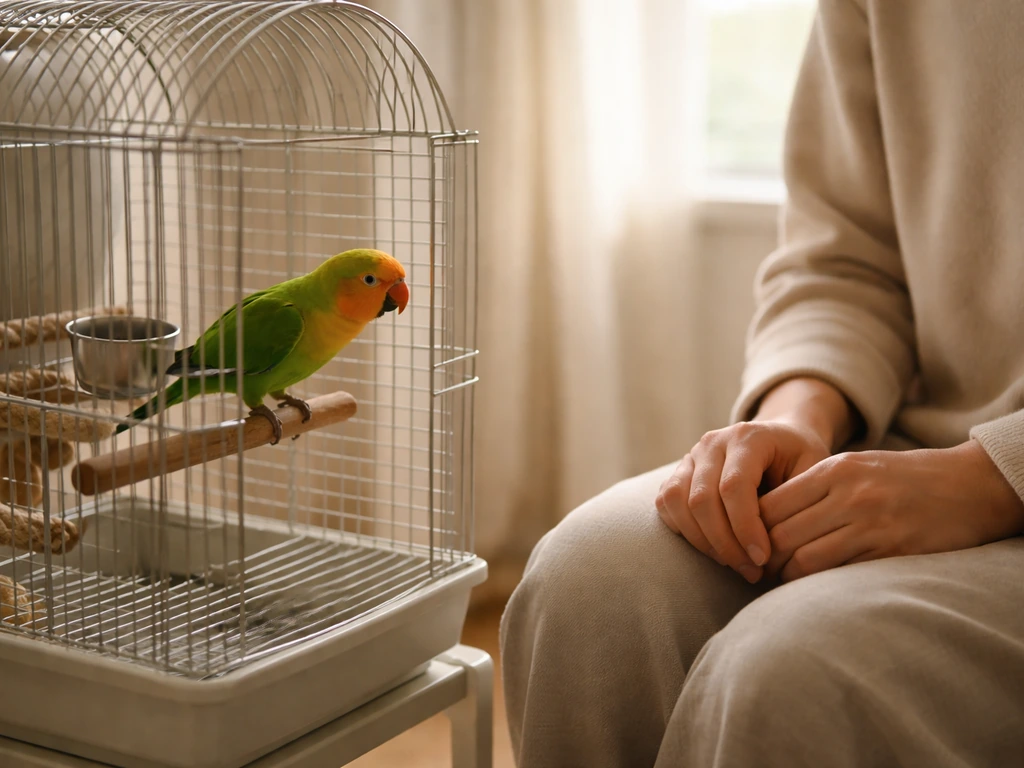
If your bird is not already comfortable with your presence close to its cage, start there. Sit near the cage without trying to interact. Read, work, or just be present. Let the bird habituate to you at its own pace. This is not wasted time. A bird that trusts you will participate in training; a bird that fears you will not, no matter how well-designed the routine is.
Step-up training
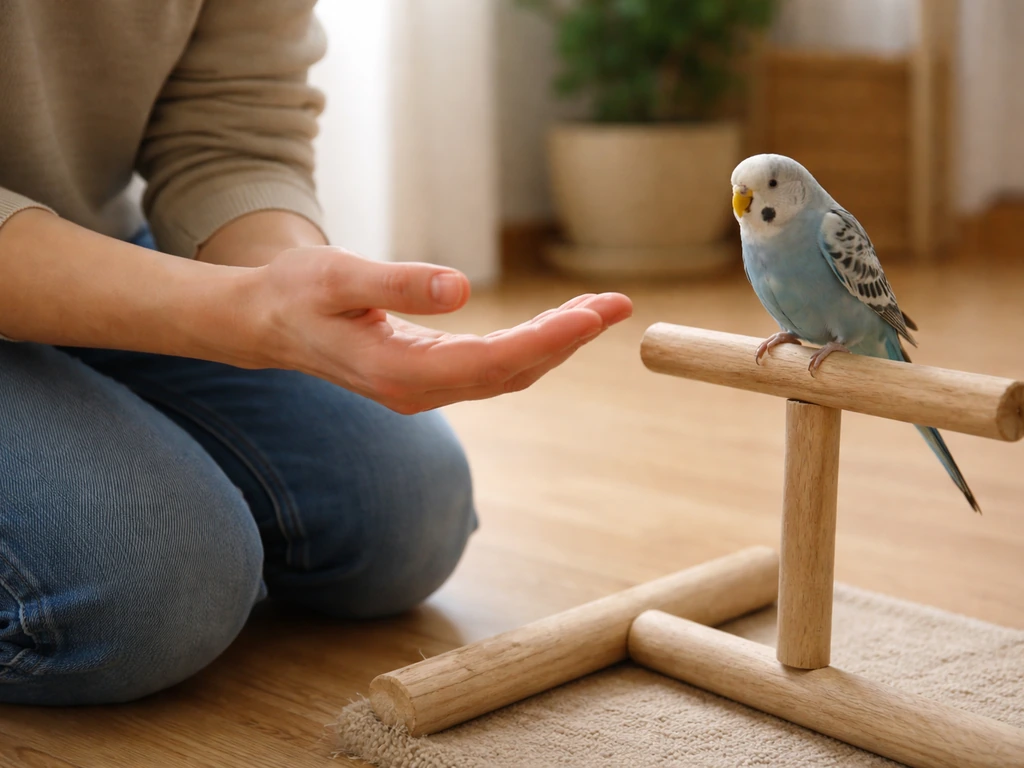
Step-up is the foundation skill for almost everything else. Ask the bird to step onto your finger or a hand-held perch with a calm, consistent verbal cue and a gentle forward pressure at the lower chest. Reward immediately with a preferred treat or verbal praise. Keep sessions short: two to three minutes max for new or nervous birds. The RSPCA describes a practical low-pressure approach where you let the bird set the pace rather than forcing contact, and that framing works well here. Train this in the cage first, then at the cage door, then outside. Once step-up is reliable, you have a tool for moving the bird between exercise locations without stress.
Target training for directed movement
Target training is the single most useful tool for building exercise into a bird's day. Present a target stick (a chopstick or pencil works fine) and reward the bird the moment it touches it with its beak. Once the bird reliably touches the target, start moving it incrementally: slightly to the left, slightly higher, across to a second perch. The bird follows the target, and you control the movement. This is how you build actual exercise without any coercion. It also trains the bird to become the biggest, most capable version of itself in terms of physical confidence and range of movement.
Cooperative handling for health checks
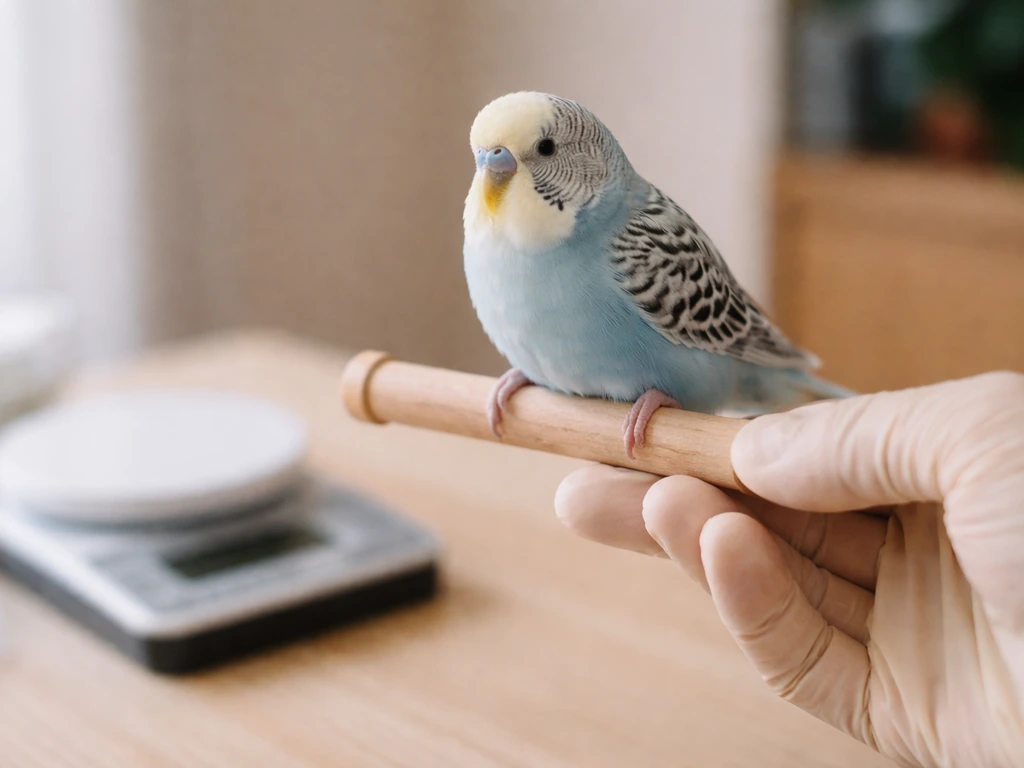
Training your bird to tolerate and eventually cooperate with handling is important not just for safety but for ongoing monitoring. A bird that stays calm during weight checks, feather inspection, and foot examination gives you much better data than one that panics. Always allow free movement of the sternum when you do need to restrain a bird briefly. Compressing the chest restricts breathing and is genuinely dangerous. Keep restraint periods as short as possible and reward the bird afterward.
A step-by-step conditioning routine
Here is a practical structure you can start with today and build on over weeks. It is designed for a typical pet bird that is healthy and has some basic human familiarity, but the principles scale up or down depending on species and starting point.
Daily routine
- Morning weight check: weigh before the first meal, record the number.
- Observe breathing and posture for 60 seconds before opening the cage. Any open-mouth breathing, tail bobbing, or lethargy means you skip the session and call the vet if the signs persist.
- Foraging breakfast: deliver the first meal via a foraging toy or scattered in the enclosure rather than in a bowl.
- Short training session (5 to 10 minutes): step-up practice and two to three reps of target training across perches or between locations.
- Supervised out-of-cage time if your bird is flight-capable and the room is safe (start with 10 to 15 minutes, increase as stamina builds).
- Enrichment rotation: swap out at least one toy or foraging item to keep the environment novel.
- Evening: check droppings for color and consistency before lights-out.
Weekly progression
In week one, focus entirely on establishing baseline weight, introducing foraging feeding, and getting reliable step-up behavior. Do not push flight or extended training yet. In weeks two and three, introduce target training and begin extending out-of-cage time by five minutes every few days if the bird is comfortable. By week four, you should have a bird that is voluntarily moving between perches on cue, foraging actively, and showing stable or improving weight trends. From there, progression is about adding complexity: longer flight distances, more challenging foraging puzzles, and new enrichment categories.
If you want to get a feel for the vocal and behavioral output of a well-stimulated, fit bird, working on how to sing like a bird with your pet can actually be a useful fitness indicator. Vocal activity often increases as a bird becomes more confident and physically well.
Tracking progress
Keep a simple log: daily weight, a one-line note on behavior and appetite, and a weekly body condition note (keel assessment). Body condition scoring becomes more accurate the more you do it with the same bird, so consistency matters more than perfection at the start. If weight drops more than a few percent from baseline over a week without a dietary change, that is worth a vet call.
Species and situation: it is not one-size-fits-all
The principles above apply broadly, but details matter by species and context. Here is a quick reference for the most common situations.
| Bird type | Primary fitness focus | Key consideration |
|---|---|---|
| Large parrots (macaws, cockatoos, African greys) | Flight stamina, foraging complexity, mental enrichment | Need substantial daily flight time; sedentary large parrots deteriorate quickly |
| Medium parrots (conures, caiques, cockatiels) | Active climbing, flight, social play, target training | High energy; boredom leads to feather destructive behavior |
| Small birds (budgies, finches, canaries) | Flight within aviary or large cage, foraging, swings | Less hands-on training; environment design does most of the work |
| Raptors in rehab/wildlife care | Progressive flight conditioning in appropriate space | Stamina benchmark: repeated transits of a flight chamber without distress; legal licensing required |
| Songbirds/passerines in rehab | Appropriate flight cage use, foraging practice, pre-release behavior | Minimize handling; environment drives conditioning |
| Clipped or non-flighted companion birds | Climbing, foraging, target training for movement between perches | Focus on leg and core strength; revisit wing clip decision with vet |
For birds in wildlife rehabilitation, the fitness question is specifically tied to release readiness. Physical health is necessary but not sufficient. Release fitness also depends on weather, season, time of day, and whether the bird has maintained appropriate wild behaviors. A bird that has become habituated to humans or lost foraging drive is not release-ready regardless of its physical condition. Work with a licensed rehabilitator and follow their protocols. Understanding what it would take to truly become a bird in the full ecological sense of the word helps frame how high the bar for wild release actually is.
Flight cage design matters enormously for rehabilitating birds. A proper flight cage encourages practice while preventing feather damage and injury. Improvised enclosures often fail on both counts. If you are conditioning a bird for release and do not have access to an appropriate flight cage, connecting with a local wildlife rehabilitation organization is the right move before you proceed.
Handling larger or more challenging birds safely
If you are working with a larger bird or one that has a history of fear-based aggression, the step-up and target training progression above still applies, but patience timelines extend. Do not rush handling. A bird that bites or lunges during training is telling you the pace is too fast, not that it is untrainable. Step back a stage, reduce session length, and rebuild confidence. Controlling and directing a large bird safely is a skill that requires calm consistency over weeks, not days.
Troubleshooting, safety, and when to stop
Stop the session immediately if you see any of these
- Open-mouth breathing or tail bobbing during or after exercise
- Visible labored breathing or audible respiratory noise
- The bird stops moving and fluffs up mid-session
- Wing droop on one or both sides after flight
- Stumbling, falling off a perch, or inability to grip
- Sudden aggression from a bird that was previously calm (can signal pain or distress)
If a bird starts breathing heavily during wing-flapping exercises or a flight session, stop immediately and let it rest until breathing returns to normal. If it does not normalize within a few minutes, contact your vet. Overexertion is real in deconditioned birds, especially those that have been sedentary for a long time. Build up slowly.
Common barriers and how to work through them
- Bird refuses to step up: go back to perch-to-perch targeting before asking for hand contact. Never force it.
- Bird is uninterested in training: check that you are using a high-value reward (not a food the bird is already full of), and shorten sessions to under two minutes.
- Bird seems lethargic or less active than usual: weigh it and check droppings before attributing it to mood. Lethargy plus weight loss is a vet visit, not a training problem.
- Foot problems or reluctance to use certain perches: assess perch variety and diameter. A bird avoiding specific perches may have foot pain; have an avian vet evaluate before continuing.
- Bird screams or feather-destructs more during conditioning period: this can indicate the pace is too fast or enrichment is not meeting the bird's needs. Slow down and add more foraging variety.
- Rehab bird is not conditioning as expected: consult your supervising rehabilitator. Nutritional deficits, underlying injury, or high stress can all plateau progress.
Legal and safety notes for wildlife and rehab contexts
In most countries, keeping wild birds without a license is illegal regardless of your intentions. If you have found an injured or orphaned wild bird, contact a licensed wildlife rehabilitator rather than attempting independent conditioning. Legal compliance protects both you and the bird. Rehabilitation work requires specific permits, appropriate facilities, and trained oversight for a reason.
Your starter plan for today
Here is exactly what to do in the next hour. Spend five minutes watching your bird in its enclosure and confirming normal breathing, normal posture, and normal droppings. Weigh it and write down the number. Do a quick keel check. If everything looks good, rearrange or add one foraging opportunity for the next meal. If you have not yet trained step-up, run one short two-minute session today with a high-value treat ready. That is your day one. The rest builds from there, one week at a time, with weight records and honest observation guiding every decision.
The birds that get and stay fit are the ones with owners who observe carefully, train patiently, and set up environments that make movement the path of least resistance. You do not need expensive equipment. You need consistency, a gram scale, and the willingness to let the bird set the pace.
FAQ
What should I do if my bird’s weight goes up during the first week of training?
A short-term gain can happen if you increased food access through new foraging or treat rewards. Compare your weight to the same time each day and review your total daily calories, not just treats. If the bird is also gaining fat at the keel check, reduce high-value treats and slow enrichment changes until weight trends stabilize.
How long can I safely pause training if my bird seems stressed, for example after a move or vet visit?
Take a complete reset for several days, then restart with the lowest-pressure steps (same cues, very short sessions, and no new exercises). Use breathing and keel checks as your gate. If stress persists beyond a few days or appetite drops, get a vet consult before returning to conditioning.
My bird is eating less during enrichment puzzles, is that a sign I’m pushing too hard?
It depends on whether the bird eventually eats and whether droppings, posture, and breathing remain normal. If appetite is reduced and body weight is trending down, choose simpler puzzles, shorten foraging time, and avoid withholding meals while you rebuild confidence. Never continue if breathing red flags appear.
Is it okay to train in the same room where my bird already gets exercise time, or should I rotate locations?
Either can work, but for fitness training, consistency first helps the bird learn. Start in its familiar environment, then add new locations gradually once step-up is reliable. Rotating too many variables at once can increase stress and reduce voluntary movement.
How do I know whether my bird is “tired” versus “overheated” during flight or wing-flapping practice?
Tiredness looks like slower play and a desire to rest while breathing stays smooth and closed-beak. Overheating or exertion issues often show faster or open-mouth breathing, tail bobbing, or labored effort. If breathing changes during the session, stop right away, cool the area appropriately, and monitor for normalization within a few minutes.
My bird steps up fine onto my finger but struggles to move between perches on cue. What’s the usual mistake?
Most often, the bird learned the cue only for one distance or one perch type. Progress is usually blocked by moving too far, changing heights too quickly, or using an unclear target. Return to the last easy success (similar distance and perch diameter), then extend one small step at a time.
Can I use treats for target training long-term, or should I switch to different rewards?
You can keep using treats, but plan periodic reward variety to prevent overeating and plateauing motivation. Use smaller, lower-calorie treats as sessions extend, and increase the role of praise or brief access to a preferred foraging item when appropriate. Weighing and keel checks help you decide when to shift rewards.
How often should I do body condition checks and weight checks?
Daily weight at the same time is most useful for early detection, and a weekly keel assessment improves accuracy without over-handling. If you are doing frequent handling for training, rely more on visual cues between keels and keep restraint minimal and safe.
What if my bird’s breathing looks normal at rest, but changes during flapping exercises?
That pattern suggests the bird may not be conditioned enough yet, or the exertion is too intense. Stop the exercise, allow full recovery, and shorten future sessions. Resume only when breathing returns quickly to baseline, then rebuild with lower-effort movement first (climbing, swinging, short target-follow routes).
Are clipped-wing birds “unfit” if they cannot perform repeat flight?
Not automatically. Fitness for clipped birds is better measured by active behaviors like foraging, climbing, swinging, and using varied perch heights and diameters. If the bird is physically engaged and maintaining stable weight and keel condition, it can still be fit for its current capabilities.
What’s the safest way to rearrange perches during conditioning without causing stress?
Make one change at a time and keep familiar perches available while the bird adapts. Replace perches gradually by similarity in diameter and texture, and avoid sudden height jumps. If the bird becomes less active or shows fear behaviors, pause rearranging and return to the prior layout.
How should I handle large-bird training if step-up or targeting causes fear or aggression?
Use shorter sessions and back up a stage, meaning you should train at the distance and handling level where the bird can succeed without lunging. Increase rewards and reduce demands, build trust first, and avoid moving the target or your hand too quickly. If safety is a concern, consult an experienced bird behavior professional.
What should I do if I suspect my bird has an early foot or joint problem but it’s still active?
Don’t ignore it just because the bird moves. Since foot issues can worsen with the wrong perch diameter, switch to multiple safe perch thicknesses immediately and reduce time on abrasive or very narrow perches. Schedule an avian vet check, especially if weight distribution changes or the bird grips awkwardly.
Do I need an outdoor component, like sunlight, to get my bird fit?
Outdoor time is optional for fitness, and it can be risky if you cannot control sun exposure, temperature, and predator/escape hazards. If you do use outdoor exposure, do it gradually with secure enclosure setup and monitor breathing and energy. In many cases, indoor enrichment, varied perches, and safe supervised movement are sufficient.
If I found a wild bird, can I do basic step-up and target training at home while waiting for a rehabber?
It is usually best to avoid structured conditioning unless a licensed wildlife rehabilitator instructs you. Handling and training can increase human habituation and complicate release readiness. Focus instead on minimizing stress, keeping the bird warm and contained, and contacting the rehabber as your priority.
Next Article
How to Turn Into a Bird in Real Life: Humane Steps
Learn humane, safe steps to bond with birds, build trust, and train bird-like behaviors for pet or wild settings.