Training an upland bird dog means building a reliable chain of behaviors: find the bird, point it staunchly, hold steady through the flush, and retrieve cleanly to hand. You do that by working backward from the finished picture and teaching each piece separately before stringing them together. For pointing breeds like German Shorthaired Pointers, Brittanys, English Setters, and Irish Setters, the instinct to point is already there. Your job is to channel it, sharpen it, and surround it with enough obedience and self-control that the dog becomes a true hunting partner rather than a liability in the field.
How to Train an Upland Bird Dog: Step-by-Step Guide
Maya Harris
19 May 2026
Foundations first: obedience, handler position, and mindset
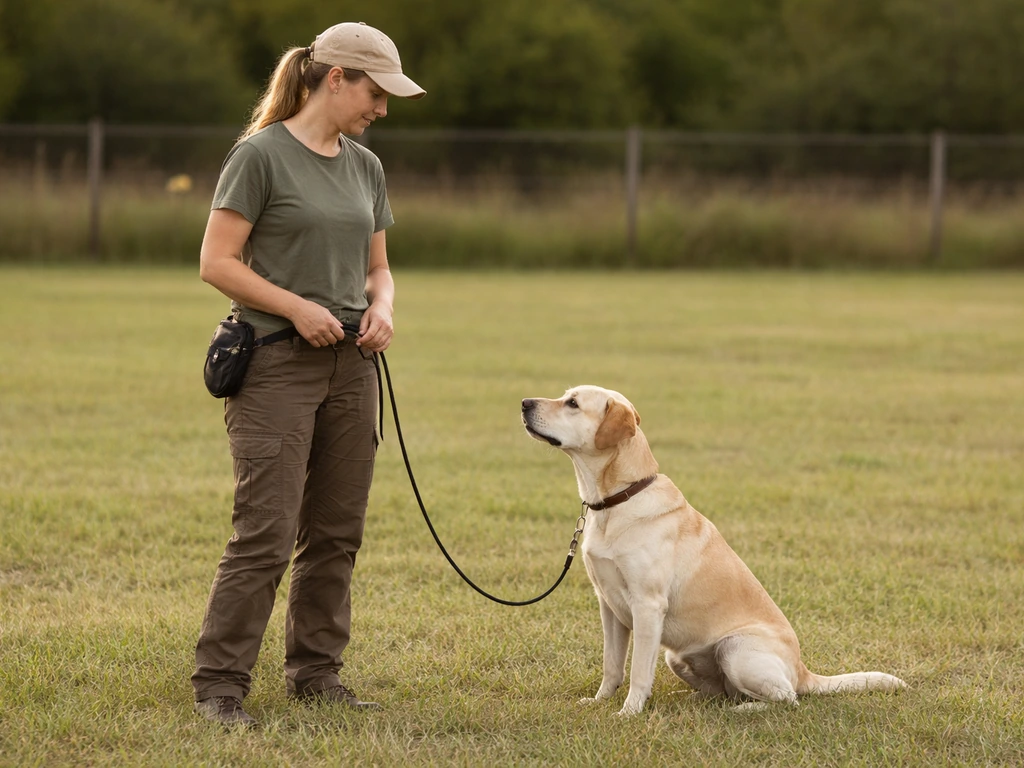
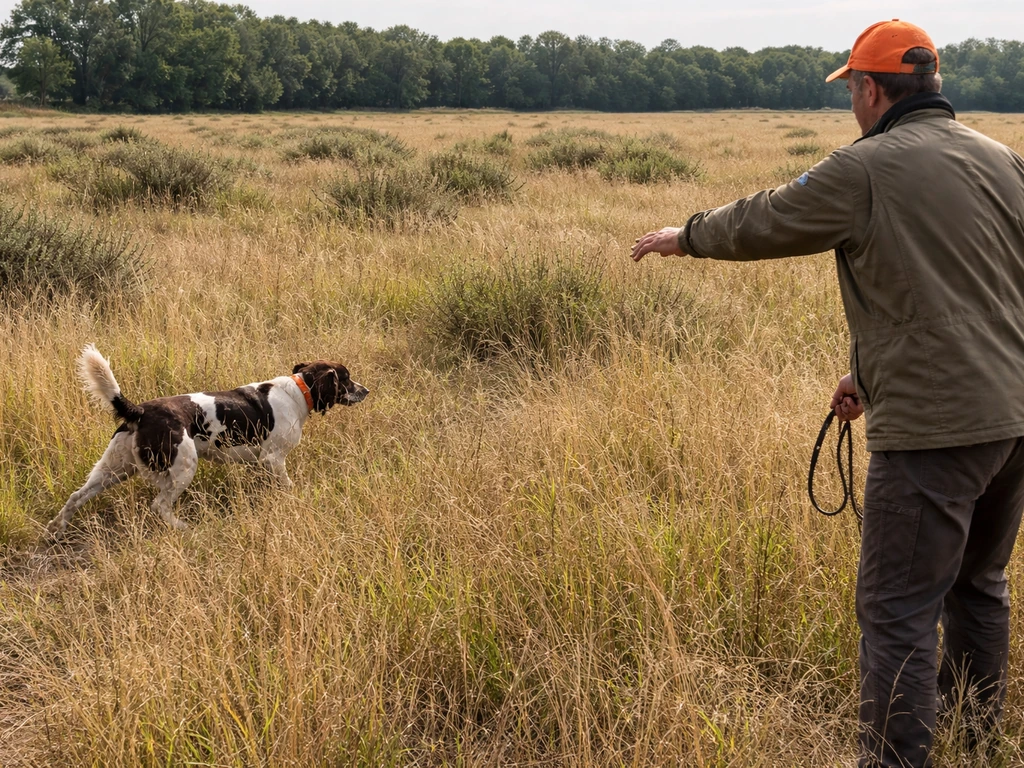
Before you ever put your dog near a bird, you need a dog that listens to you. Not perfectly, but reliably enough that you can get its attention, stop it, and call it back in a low-distraction environment. The commands that matter most for upland work are sit or whoa (a stationary stop), here or come (recall), heel (walking controlled), and a release word. These four form the entire backbone of field control.
Build all of these with positive reinforcement first. The American Veterinary Society of Animal Behavior does not support the use of aversives in any context, and the IAABC lists positive reinforcement as the primary strategy in science-based training. Practically speaking, this matters because a dog that associates training with pressure and discomfort will hesitate, shut down, or redirect stress onto the bird. A dog that associates training with engagement and reward will drive hard and still check in with you.
Your mindset as the handler matters just as much. You are not trying to dominate the dog or break its drive. You are trying to become the most reliable thing in the environment, someone the dog trusts to give information, share access to birds, and keep things calm. That trust is what allows steadiness later on. Without it, you are always fighting the dog's instincts instead of directing them.
- Teach whoa, come, heel, and a release word before introducing bird scent
- Use short sessions (5 to 10 minutes) with high-value food or toy rewards
- Practice obedience in multiple locations so commands generalize outside the backyard
- Keep your own energy calm and consistent — excitement from you spikes the dog's arousal
- Treat every training session as a relationship deposit, not a test
Assess your dog: age, drives, current level, and goals
Where you start depends entirely on what you have in front of you. A 10-week-old Brittany puppy needs socialization, drag lines, and feather introductions. A 2-year-old GSP that has been hunting wild birds but breaks and chases needs remedial steadiness work and structured bird setups. Honest assessment saves months of frustration.
| Stage | Age Range | Starting Point | Primary Goal |
|---|---|---|---|
| Puppy | 8 weeks to 6 months | Socialization, name/recall, feather play | Build drive and handler bond |
| Junior | 6 to 18 months | Basic obedience, scent work, first live birds | Channel instinct, add structure |
| Intermediate | 18 months to 3 years | Whoa, quartering, steady-to-flush | Reliable field behavior |
| Advanced/Remedial | Any age | Targeted troubleshooting | Fix specific breakdowns (chasing, creeping, no retrieve) |
Drive level matters too. A high-prey-drive dog needs more impulse control work before going near live birds. A low-energy or soft dog needs confidence building and more reward history before adding any kind of pressure. Neither is a bad dog. They just need different entry points. If your dog is showing fear, shutting down around novel stimuli, or is over two years old with no prior bird exposure, start at the foundation level regardless of age.
Scent work and quartering to build bird-finding skills
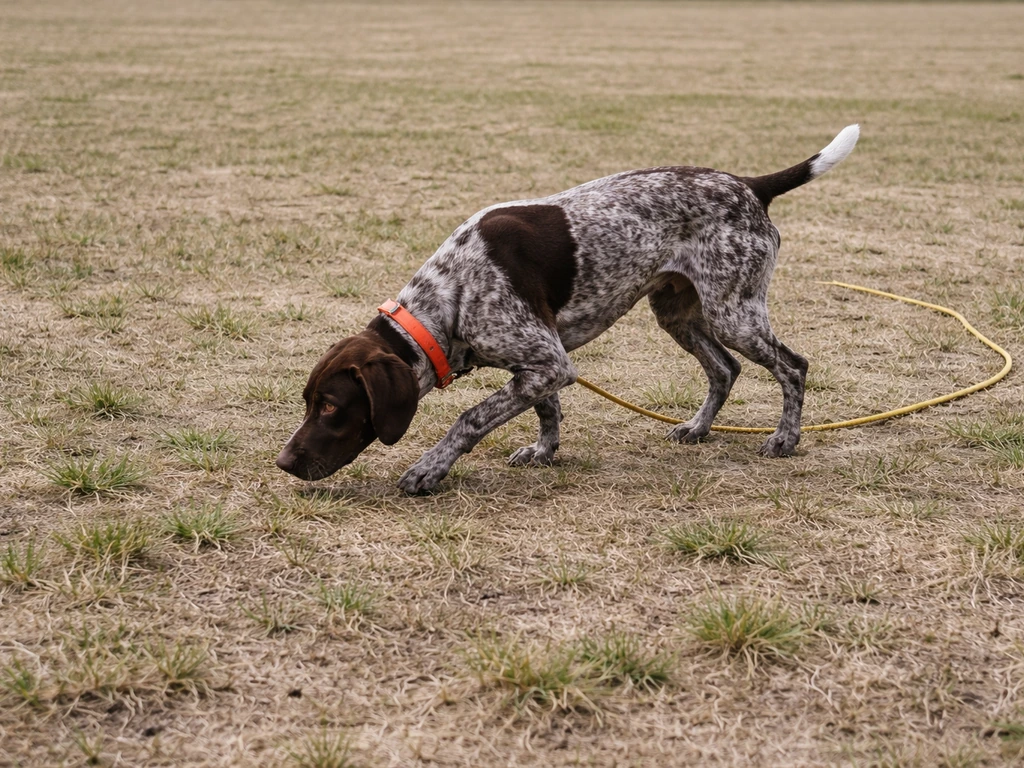
Bird finding is the whole job. A dog that cannot locate birds reliably will never be a great upland dog, no matter how stylish its point is. If you are looking for bird training tips, focus on consistent bird-finding so the dog can locate birds reliably a great upland dog. Quartering is the systematic zigzag pattern a dog runs across wind to maximize scent coverage, and it is a skill you can start building in your backyard or a local park long before live birds enter the picture.
Start on clean ground with no bird scent. Use a long line (20 to 30 feet) and a simple cast cue like "hunt 'em up" to send the dog left or right in front of you. Walk a straight line and use your body position and the line to guide the dog across your path in a windshield-wiper arc. Reward the dog for crossing in front of you and turning on your whistle or voice cue. Project Upland frames early learning as starting away from bird scent on familiar ground before adding real bird odor, and this is exactly right. The dog needs to learn the pattern before scent makes everything exciting and unpredictable.
Once the dog is running a loose quarter reliably, move sessions to ground where birds have been placed or dragged. Let scent reward the quartering behavior naturally. The dog learns that running the pattern in front of you produces birds, which is the core insight that drives good field work for life. Quartering into the wind is ideal because it maximizes scent reach, and as the dog advances you can begin shaping tighter patterns or wider casts depending on the cover type you hunt most.
- Week 1 to 2: Teach cast cues left and right with handler walking a straight line, using a long line for guidance
- Week 3 to 4: Add a whistle turn cue (one pip = change direction) paired with body language
- Week 5 to 6: Move to light cover with dragged feather scent trails, reward the dog for working the scent
- Week 7 and beyond: Introduce planted birds in the quartering zone, allow natural scent reward to reinforce the pattern
Point training: from early signals to staunch behavior
Most pointing breeds will show early pointing instinct on their own, even on insects or shadows. When you see that moment of stillness and intensity, mark it quietly and let it happen. Do not interrupt it. Do not call the dog to you. Let the point burn itself in. Your job in early point training is to notice and preserve the behavior, not to drill it.
The formal piece you add is the whoa command, which teaches the dog to stop and stand still on cue. Whoa is not just for pointing. It is a full-stop command used at the door, at the truck, on a grooming table, and eventually on birds. Trainers like those at Smith Kennels and Hutson Heritage recommend introducing whoa in everyday moments first, asking for a standstill before the dog exits a crate, before eating, or before going through a door. This builds the behavior cheaply with zero bird-related pressure.
Once the dog understands whoa on flat ground, introduce the whoa post. This is a short stake in the ground with a line attached to the dog's collar. Walk the dog in, stop it with the whoa cue, secure the line, and step away. The post provides mechanical clarity without harsh physical corrections. Gun Dog magazine describes the whoa post as a key tool in steadying progression, and most trainers working with pointing breeds use some version of it. Expect the full whoa-to-steady-to-wing-and-shot progression to take roughly a month of consistent daily work at minimum, often longer.
Staunch behavior means the dog freezes on point and holds that point without moving until released or until you flush the bird. AKC field trial rules for pointing breeds require dogs to point staunchly and be steady to wing and shot. Even if you are not trialing, this is the target picture. Build duration on the whoa post before adding the distraction of birds, and always set the dog up to succeed by working in controlled environments before advancing.
Exposure to birds: managing live birds, flush cues, and dog control
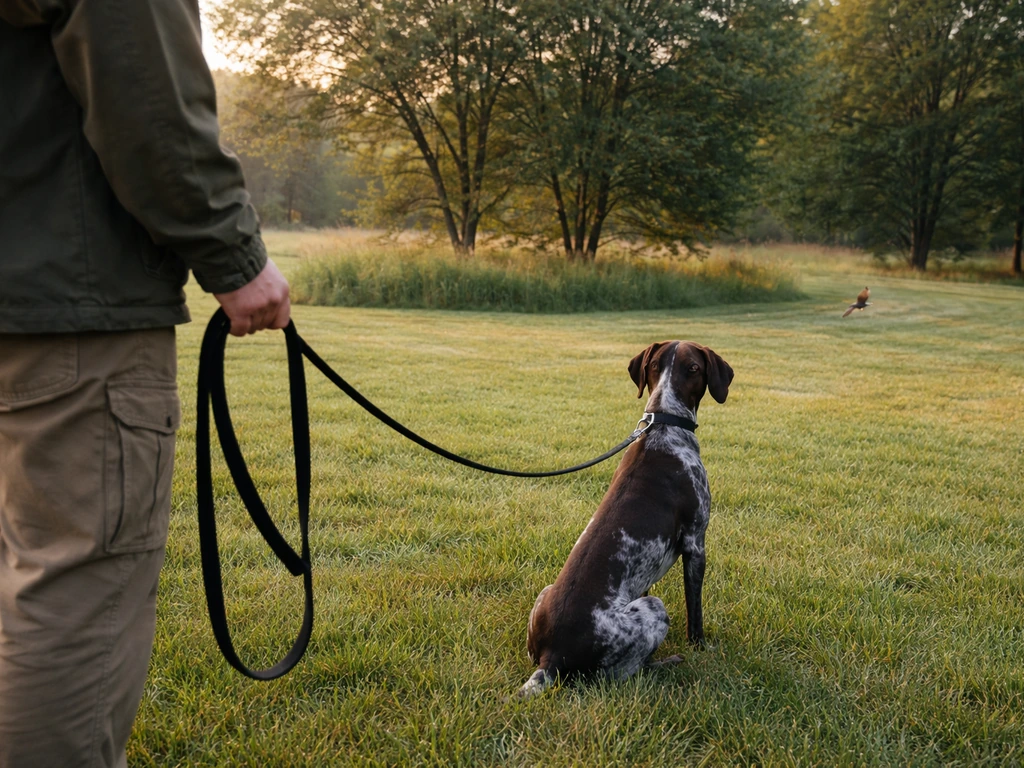
The first time a dog smells a live bird up close, everything changes. The scent triggers instincts that no amount of backyard work fully prepares you for. This is normal. Expect the dog to be over-threshold on the first several exposures and plan your sessions around that reality.
Start with dead or frozen birds or a wing attached to a fishing rod, not live birds. Let the dog sniff, mouth, and chase the wing without correction. You are building drive and positive association with bird odor at this stage. After several sessions the dog should be excited but not frantic. Then introduce a planted pigeon or quail in a cage so the dog can locate and point at it without the bird flying. Once the dog holds a point at the cage bird reliably, transition to planted flushing birds.
Steady-to-flush training is a separate process from point training. Project Upland describes it well: you are teaching the dog to accept you as a teammate rather than a competitor for the bird. The dog that breaks at flush does so because it believes that moving is the only way to get the bird. You change that belief by flushing the bird yourself, sometimes not shooting, sometimes walking the dog past the flush calmly, and reinforcing the dog heavily for standing still when the bird goes up. Gradually the dog learns that staying in place is the strategy that leads to good outcomes.
- Start bird exposure with feathers or wing-on-cord, not live birds
- Use caged birds before planted flushing birds
- Keep early live-bird sessions short, 10 to 15 minutes maximum
- Always give the dog a clear whoa cue before you move in to flush
- If the dog breaks, calmly reposition, do not punish, and set up again with a shorter distance
- Never handle birds roughly or use them as punishment tools
Retrieve training for upland birds: hold, deliver, and timing
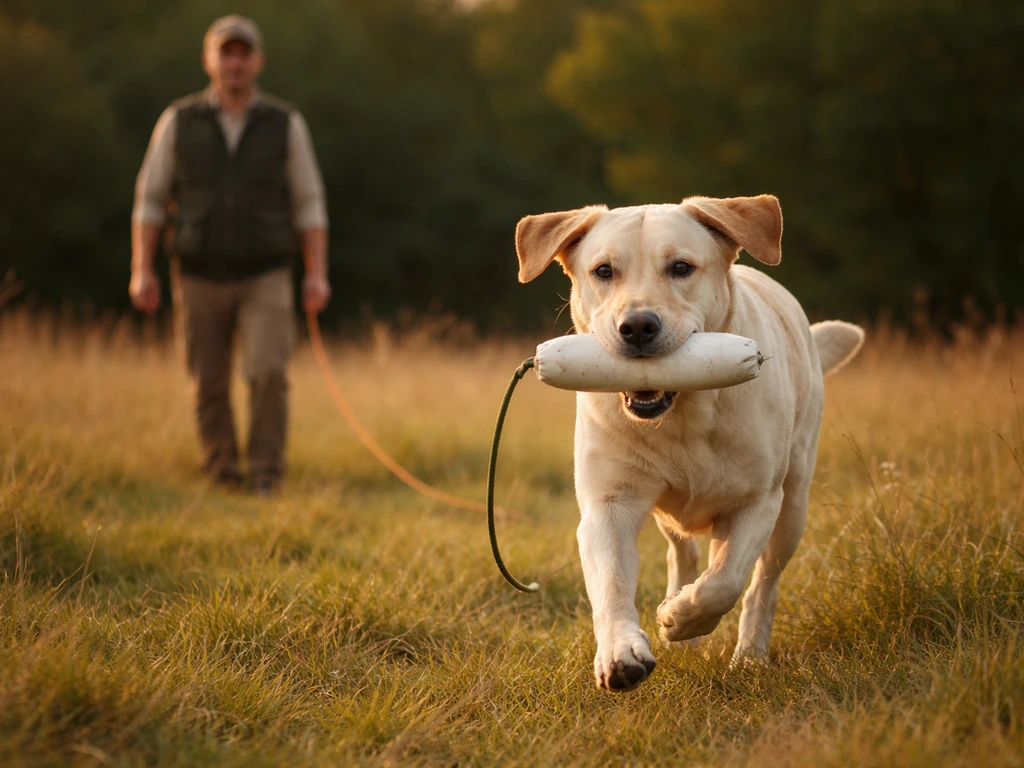
A solid retrieve for upland work has three parts: the dog marks where the bird fell, picks it up with a soft mouth, and delivers it cleanly to your hand without dropping, mouthing, or running off. Many pointing breeds are not natural retrievers the way Labs are, so this piece often takes longer and needs more intentional shaping. Once your foundations are solid, you can move into a full, bird-by-bird progression to learn how to train a lab to be a bird dog.
Start retrieve training completely separate from bird work. Use a bumper or a rolled-up sock and build a chase-pick up-return loop with lots of enthusiasm and reward. Ducks Unlimited's guidance on retrieval training recommends starting with larger bumpers that are less enticing to chew, focusing on a tender, controlled delivery. Once the dog is returning reliably, add the hold component by shaping the dog to hold the bumper in its mouth for increasing durations before you take it.
Delivery to hand means the dog does not drop the bird until you physically take it from below the chin with a cupped hand. This grip, with your hand coming from underneath rather than reaching over the dog's head, reduces the startle that causes drops. Spaniels in the Field magazine identifies the most common delivery failures as mouthing, feather plucking, dropping repeatedly, and running about with the bird. Each of these has a specific fix, but they all share the same root cause: the hold was never cleanly trained before birds were introduced.
Timing the retrieve correctly in upland hunting means sending the dog after the shot bird from a standing position, not a running start. The dog that breaks at the shot and self-releases to retrieve is a safety hazard and a hunting liability. Teach the send command separately so the dog waits for your release cue before moving. AKC pointing breed rules note that the signal to retrieve should not be given until steadiness to wing and shot has been positively demonstrated, and this applies equally to hunting situations.
Troubleshooting common upland issues
Creeping on point
Creeping is when the dog slowly inches forward on point instead of holding its position. AKC field trial rules flag creeping as a measurable fault. The cause is almost always that the dog has learned it can get closer to the bird by moving, and no one has cleanly enforced a hold. The fix is to go back to the whoa post, reinforce duration on the post heavily, and then re-introduce birds at a distance where the dog can hold without moving. Slowly decrease the distance over multiple sessions. Never let a creeping session continue, calmly reset every time.
Chasing flushed birds
This is the most common upland problem and the one that worries new handlers most. A dog that chases has not yet made the connection between standing still and getting rewarded. Go back to planted birds at a distance where the dog can hold whoa through the flush. Flush the bird yourself and immediately reward the dog with high-value food or play before it has a chance to move. Repeat many times at that distance before moving closer. Rushing this stage is what causes most chase problems in the first place.
No interest in birds
A dog with low bird interest is not a lost cause but it does need a different approach. Increase prey drive first by playing tug, flirt pole games, and drag lure games before introducing any bird scent. Then use a fresh-killed or live wing during play rather than dead/frozen birds, which have much less scent appeal. Some dogs just need more exposure time before the instinct activates, particularly dogs under 10 months old. Never force a dog toward a bird it is afraid of. Build confidence with movement and scent from a distance before closing the gap.
Poor recall in the field
Recall breaks down in the field because the dog has learned that coming back ends the fun. The AKC recommends teaching recall one step at a time and prioritizing engagement first, getting the dog's attention before asking it to come. In field contexts, practice calling the dog in mid-hunt, rewarding heavily, and then releasing it again immediately with a hunt cue. Coming to you should never mean the session is over. Use a long line to enforce recall in early field work so the dog cannot make the choice to ignore you, but keep the energy positive when it arrives.
A humane progression plan: schedule, tools, and when to get help
A realistic weekly training plan for a dog in the junior to intermediate stage looks like this: three to four short sessions per week, each between 10 and 20 minutes. Every session should have a clear goal (whoa duration, quartering pattern, retrieve hold) and end on a success. Do not repeat failed reps until the dog is frustrated. Shorten the criteria and get a win, then stop.
| Week | Primary Focus | Location | Tools Needed |
|---|---|---|---|
| 1 to 2 | Whoa and recall foundations | Backyard/yard | Long line, high-value treats, whoa post |
| 3 to 4 | Quartering pattern on clean ground | Park or field | Long line, whistle, cast cues |
| 5 to 6 | Introduce feather/wing scent, bumper retrieve | Yard or field | Wing-on-cord, bumpers, treats |
| 7 to 8 | Caged bird exposure, whoa at bird | Controlled field | Pigeon or quail cage, whoa post |
| 9 to 12 | Planted flushes, steady-to-flush basics | Field with cover | Planted quail or pigeons, whistle |
| 12 and beyond | Full hunt sequence, delivery to hand | Field | Live birds, bumpers, e-collar optional |
The gear list for upland bird dog training does not need to be expensive. You need a 20 to 30-foot long line, a slip lead or flat collar, a whistle (a Acme 210.5 or similar), a handful of fresh or frozen bird wings, training bumpers in orange and white, and high-value treats like small chicken pieces or freeze-dried liver. A whoa post (a simple stake and ring) can be built for under ten dollars. An e-collar is an optional advanced tool and should only be introduced after the dog understands every command it will be used to reinforce, not as a teaching tool for new behaviors.
Over-arousal around birds is real and worth taking seriously. The Connecticut Humane Society defines over-arousal as a state where the dog becomes too excited even in seemingly calm situations, and notes it often requires lifelong management rather than assuming it will self-correct. If your dog is so bird-crazy that it cannot think, shorten sessions, lower the distraction level, and work on impulse control games daily between bird sessions. This is management, not failure.
Know when to get professional help. Seek out a qualified bird dog trainer or hunt test evaluator if your dog is still chasing reliably after two months of steady work, if it is showing fear aggression around birds or handlers, if you are not sure how to safely handle live training birds, or if you want to compete in AKC or HRC tests and need help understanding the specific standards those tests require. A good trainer will assess your dog's current level honestly, tell you exactly where the gap is, and give you a targeted plan. There is no shame in getting a second set of eyes on the work, and the dog's welfare is always worth the investment.
If you are also training a retrieving breed alongside a pointing dog, the retrieve and delivery skills covered here overlap significantly with retriever-specific programs. The quartering mechanics are similar too, though flushing dogs and pointing dogs use those patterns differently in the field. And if you want to go deeper on the whoa command specifically, drilling that single behavior deserves its own focused training block before you ever add birds to the picture. Take it one step at a time, keep sessions short, and trust that each small win is building the finished dog.
FAQ
Can I train recall and steadiness at the same time, or will that confuse my dog?
Yes, but do it by separating the training goals. Practice recall and heel in open areas first, then introduce bird scent using a long line and a distance where the dog can succeed at whoa through the flush. Do not “teach” recall during chase sessions, because the dog learns that ignoring you pays off in bird access.
My dog points but doesn’t hold, should I correct or mark faster?
Marking the point too early is a common mistake. At first, let the dog settle into stillness naturally, then reward after the dog shows an actual pause or hold. If you release immediately or interrupt repeatedly, you can turn pointing into a brief, breakable freeze instead of a durable behavior.
How do I know when my dog is ready to start whoa on birds (not just on flat ground)?
A good rule is that the dog should be able to perform whoa in a non-bird environment for short durations before you ask for steadiness at birds. Even then, start with birds placed far enough away that scent excitement stays manageable, and keep sessions short so the dog can experience “success with control.”
When I flush for steady-to-flush training, when should I reward the dog?
Use the bird’s movement as the timing cue, not the gun. Flush when you are ready to create a clear sequence, then reward the hold immediately after the bird goes up and you maintain calm control. If you delay the reward until the dog finally breaks, you accidentally reinforce breaking behavior.
What’s the best way to fix creeping without making it worse?
If the dog creeps, you usually have proof that the dog has learned it can get closer and improve outcomes. The fix is to return to higher success at distance, rebuild duration on the whoa post, then reintroduce birds gradually. Also, never “test” by allowing creeping to continue for a full bird setup, reset as soon as you see it.
Do I need to teach retrieving before I start bird exposure, or can I wait?
Not automatically. Many pointing dogs retrieve parts on the wrong agenda, especially if the dog is high drive and overly bird-committed. Build retrieve mechanics separately (chase-pick up-return and delivery to hand), then only add birds after you can get consistent hold and clean delivery on training bumpers.
My dog drops the bird as soon as I reach. How do I improve delivery?
For delivery to hand, the biggest cue is your body position and the way you present your hand from underneath. If your hand moves over the head or the dog expects a snatch, many dogs drop, mouth, or run off. Work on delivery with bumpers first, and only progress to birds once the dog holds steady until your hand receives it.
How should I handle “send” on shot birds so my dog doesn’t launch early?
Yes, and it can be unsafe if you do it wrong. The send should come from a stable position and only after you have demonstrated steadiness to wing and shot. Use a separate command for “go find” versus “release,” and reinforce that the dog waits until you give the retrieve signal.
What should I do if my dog is fearful around birds or just shuts down?
If you introduce birds too soon for a dog with low confidence, you can get fear avoidance or shutdown. Start with confidence from a distance using scent without close range pressure, build quartering and engagement first, then progress to dead or frozen birds and controlled planted setups before live bird experiences.
How long should training sessions be, and should I train every day?
Varying the schedule helps, but the structure matters more. Aim for multiple short sessions, each with one clear goal, and keep criteria tight enough that the dog ends on a win. If you see frustration, shorten reps and reduce distraction rather than increasing time on task.
What if my dog is so excited around birds that it seems mentally unavailable?
Yes, and it is a common “almost works” problem. If the dog is over-excited, the dog may be physically unable to think through steadiness cues. Lower distraction first, shorten sessions, and use impulse-control games between bird sessions so the dog learns calm decision-making as a habit.
Is it okay to use an e-collar early to stop breaking on point?
For e-collar use, only reinforce commands the dog already understands on voice, then introduce it at low levels and only with a trainer’s guidance if you are new. Do not use it to create new behaviors, especially around pointing and steadiness, because punishment-based timing errors can worsen fear and breaking.
My dog is still chasing reliably after weeks of work. What’s the decision point for getting help?
If the chase keeps showing up after a consistent period, you likely advanced too quickly or your hold has not been built strongly enough at the right distances. Go back to planted birds at distance, flush yourself, and reward the hold immediately. If problems persist or you cannot safely manage live birds, getting help from a qualified trainer is the fastest path.