Pinioning is a permanent surgical procedure that removes the tip of a bird's wing at the pinion joint, the joint furthest from the body, to prevent the bird from ever flying again. It is not something you should do at home, and in most situations involving pet birds or wildlife, it is either illegal, unnecessary, or far outweighed by humane alternatives. That said, there are specific, legal contexts, mainly in licensed waterfowl collections and zoological settings, where it is performed by a veterinarian on very young birds. If you're trying to figure out whether pinioning is the right move for your bird today, the honest answer for most readers is: it probably isn't, and this guide will walk you through exactly what to do instead.
How to Pinion a Bird Safely and Legally: Welfare-First Guide
Maya Harris
1 May 2026
What pinioning actually means (and who it's really for)
Pinioning means surgically removing the distal portion of one wing, from the alula outward, so the bird permanently cannot generate enough lift to fly. It's a one-time, irreversible procedure. Once done, it cannot be undone. This is very different from wing clipping, which trims primary feathers and grows back after a molt. Pinioning is most commonly discussed in the context of ornamental or collection waterfowl, such as swans, geese, ducks, and large wading birds kept in open-air ponds or estate grounds where full containment fencing isn't practical.
For pet parrots, backyard chickens, rescue songbirds, or any bird in a rehabilitation program, pinioning is almost never appropriate. If your bird is a parrot that flies around your house, a cockatiel that escaped once, or a wild bird you found injured, pinioning is not the solution you're looking for. Jump to the alternatives section if that sounds like your situation.
When pinioning is genuinely considered
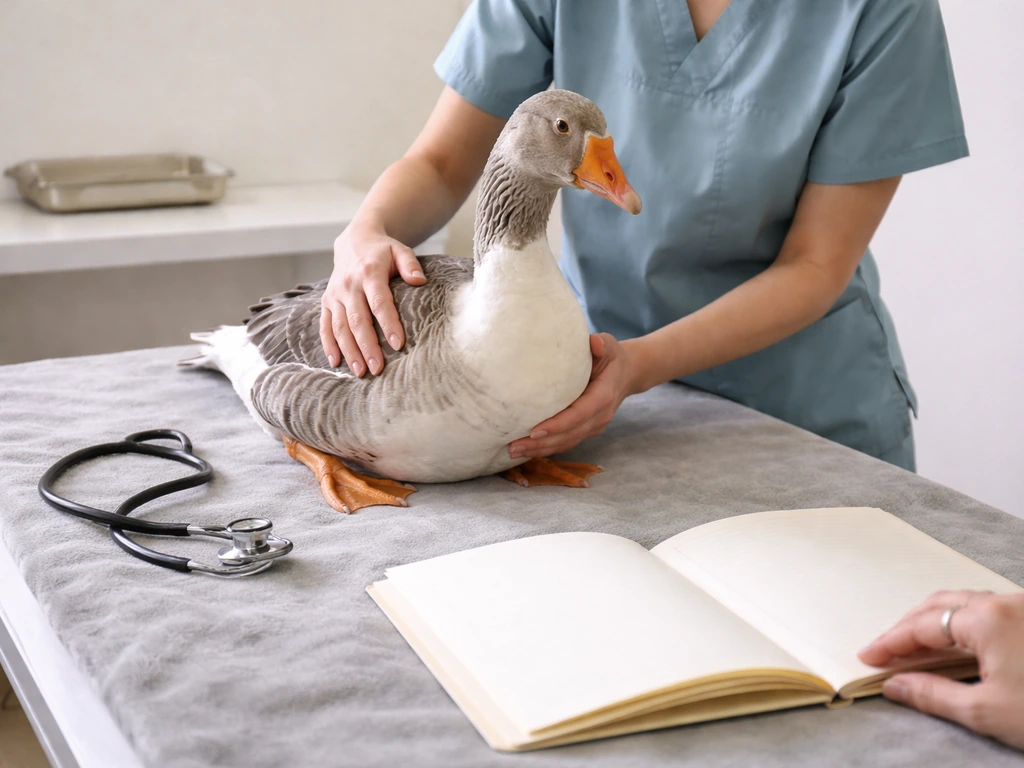
- Ornamental waterfowl (ducks, geese, swans) kept in open collections where enclosures cannot be fully enclosed
- Licensed zoological collections managing non-native bird species that would be invasive if they escaped
- Birds that are only a few days old, before the wing bones fully develop and blood supply becomes dense
- Situations supervised by a licensed avian veterinarian with proper anaesthetic protocol
Legal and welfare considerations you need to read first
Before anything else: check your legal position. In the United Kingdom, pinioning is regulated under the Animal Welfare Act 2006. If a bird is 10 days old or older, anaesthesia is legally required, and the procedure must be performed by a qualified veterinarian. In the United States, regulations vary by state and species, but performing surgical procedures on animals without a veterinary license is illegal in virtually every jurisdiction. Wild birds are additionally protected under the Migratory Bird Treaty Act, making any unauthorized procedure on them a federal offense.
From a welfare standpoint, pinioning is a painful, permanent amputation. Even when performed correctly on a neonate bird, it causes irreversible loss of function. The British Veterinary Zoological Society's position on flight restraint is clear that pinioning should only be considered when there is no practical alternative, and that it must be weighed seriously against the animal's long-term quality of life. Any pain response, infection risk, or behavioral impact from permanent grounding must be factored in.
The bottom line on legality and ethics: if you are not a licensed veterinarian working within a permitted facility, do not attempt pinioning. Full stop. If you're managing a waterfowl collection and you believe pinioning is appropriate for a newly hatched bird, your first call is to your avian vet, not a how-to guide.
Safe handling and setup before any procedure or exam
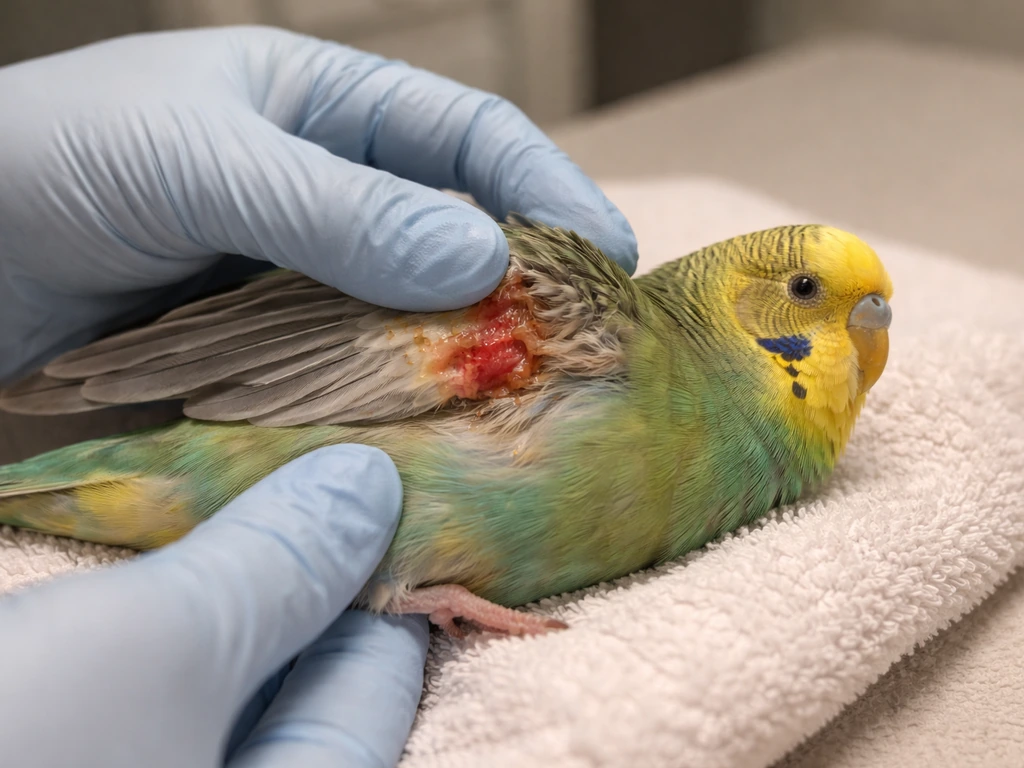
Whether you're preparing a bird for a vet visit, a wing inspection, or any hands-on care, safe restraint is a skill every bird keeper should have. Birds stressed by poor handling can injure themselves, injure you, or go into shock, especially small species. Here's how to do it right.
What you need before you touch the bird
- A calm, quiet room with no open windows or doors
- A clean towel sized appropriately for your bird (small towel for parrots, larger for waterfowl)
- A helper if possible, especially for birds larger than a pigeon
- Gloves for large or wild birds with strong beaks or talons
- A clean, warm surface or padded box to set the bird down during inspection
How to restrain without causing harm
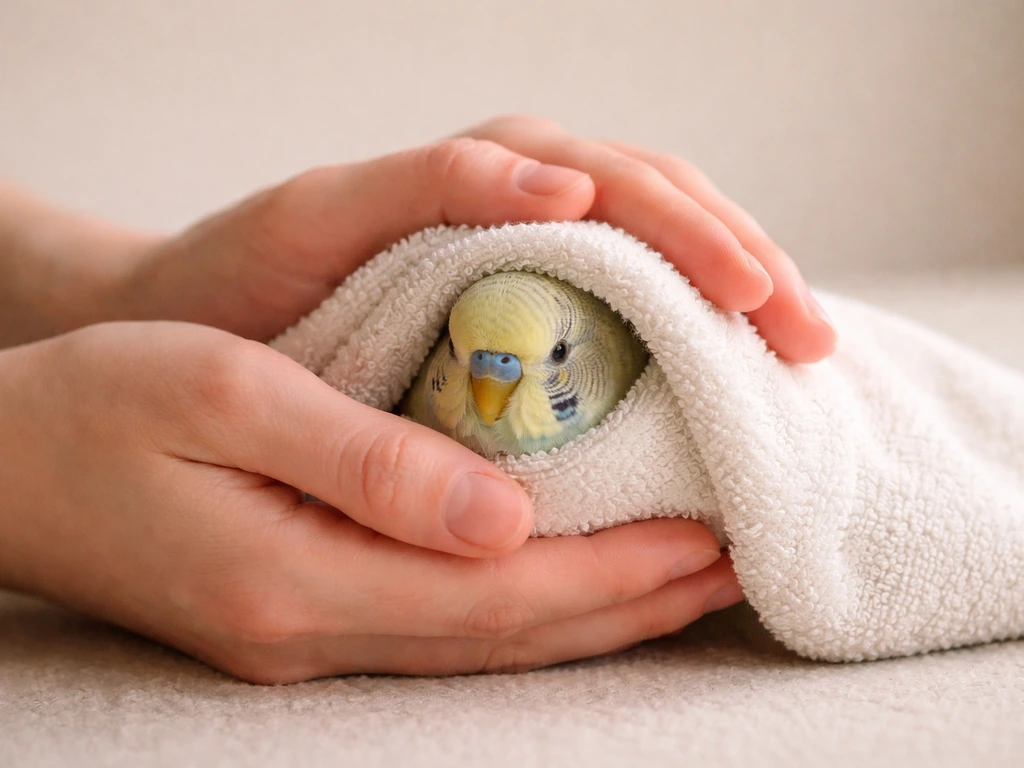
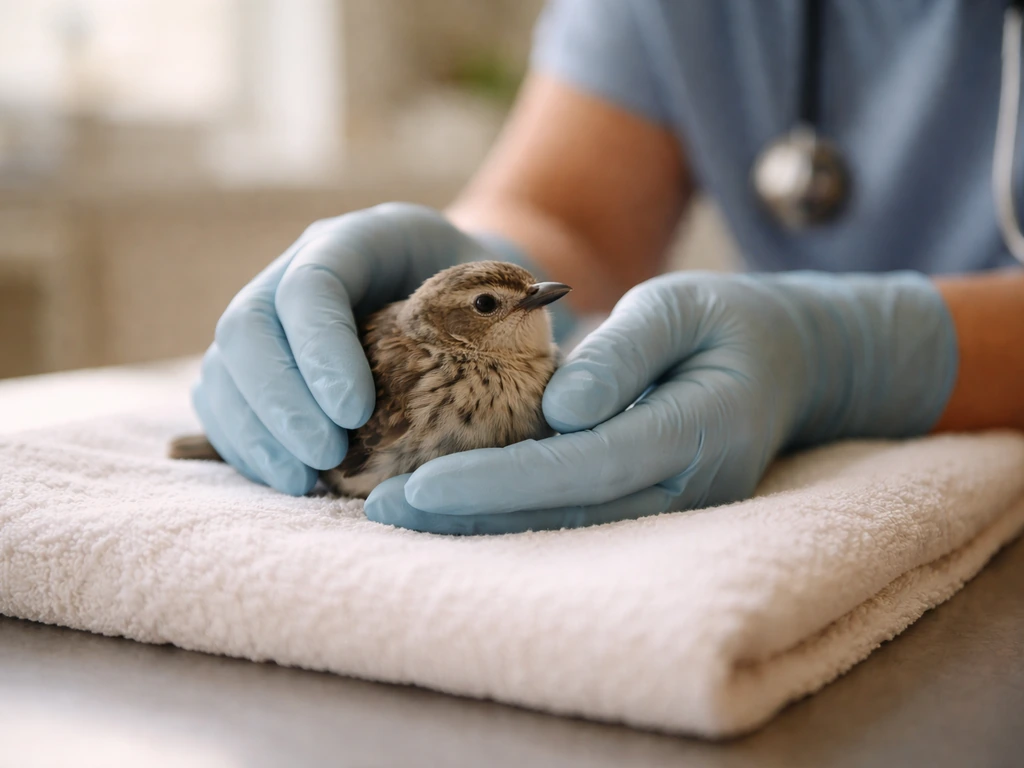
For small birds (parakeets, cockatiels, small parrots): drape a light towel over the bird and wrap gently but firmly, keeping the wings against the body. Your thumb and forefinger should cradle the head from both sides without squeezing the neck. Keep the bird upright. Do not compress the chest, birds breathe by expanding their ribcage and will suffocate if their chest is squeezed.
For large birds (ducks, geese, swans, chickens): approach from behind calmly. Wrap both wings against the body simultaneously using a large towel, then lift supporting the body weight from below. Tuck the bird against your body with one arm keeping the wings down. For very large waterfowl, two people make this dramatically safer. A struggling swan can break your arm, that's not an exaggeration.
Once restrained, keep handling time short, keep the environment quiet, and cover the bird's eyes with part of the towel if it continues to struggle. A darkened visual field calms most birds quickly. Check regularly that the bird is breathing normally and not overheating.
The pinioning procedure: a high-level overview for reference
This section is for informational and veterinary-context reference only. If you are not a licensed vet, this is not a DIY guide. It is here so bird keepers can understand what the procedure involves when speaking with a vet, making decisions about their collection, or evaluating whether it's appropriate.
Pinioning is ideally performed within the first few days of life, typically before 5 days old for most waterfowl species, because the wing tip at this stage is cartilaginous rather than fully bony, and the blood supply is minimal. This dramatically reduces bleeding risk and pain compared to performing the procedure later.
- The veterinarian examines the chick and confirms age, health status, and absence of infection or abnormality in the wing
- For neonates under 10 days (per UK law as one benchmark), local anaesthesia or no anaesthesia may be applied depending on jurisdiction and age; for older birds, full anaesthesia is required
- The wing is extended and the distal portion (from the alula joint outward) is cleanly removed using surgical scissors or a scalpel; this removes the primary flight feathers' structural base permanently
- Only one wing is pinioned, not both; removing both wings is considered unnecessarily invasive and is generally not done
- The wound is treated with antiseptic and, depending on the bird's age and wound size, may be sutured or left to heal naturally under close monitoring
- The bird is kept warm, calm, and monitored closely for the first 24 to 72 hours
Species and wing-type differences
| Bird Type | Typical Age for Pinioning | Anaesthesia Needed? | Vet Required? |
|---|---|---|---|
| Ducklings (domestic waterfowl) | 2 to 5 days old | Usually not at this age (jurisdiction dependent) | Yes, always |
| Goslings (geese) | 2 to 5 days old | Usually not at this age (jurisdiction dependent) | Yes, always |
| Cygnets (swans) | 2 to 5 days old | Usually not at this age (jurisdiction dependent) | Yes, always |
| Birds 10+ days old (any species) | Not recommended without anaesthesia | Yes, legally required in many regions | Yes, always |
| Pet parrots or songbirds | Not appropriate | N/A | N/A, seek alternatives |
Aftercare: what to watch for in the days following
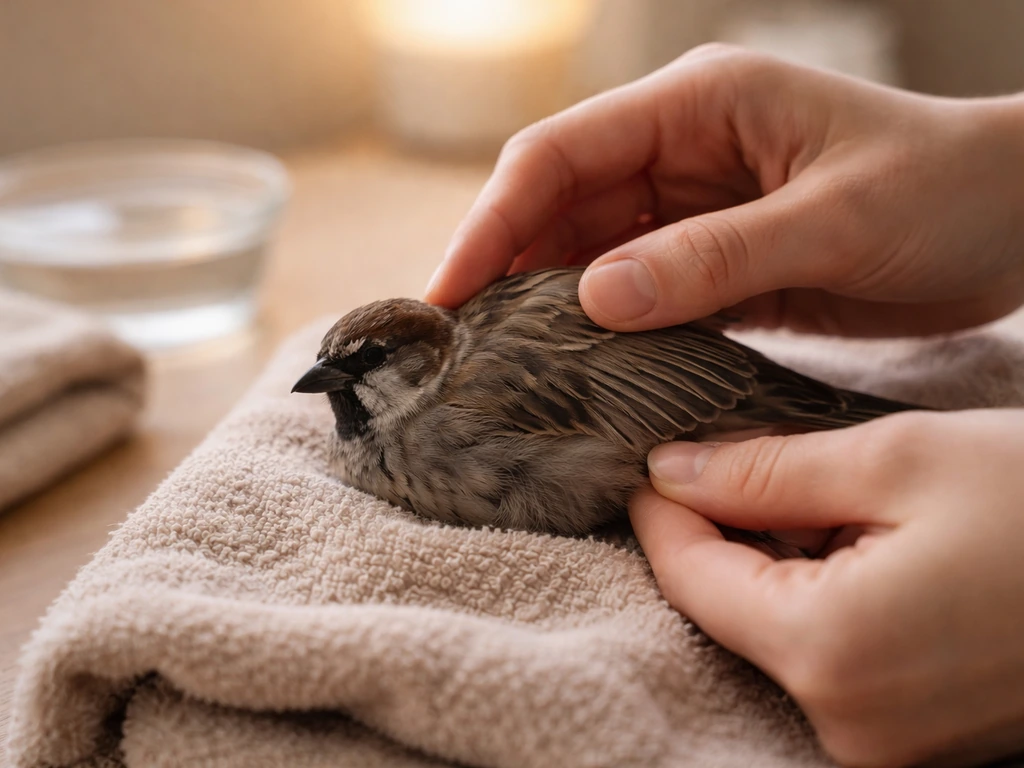
Whether a procedure was performed by a vet or you're monitoring a bird that has had a wing injury or exam, the aftercare basics are the same. Watch closely for any sign that something is wrong. Birds hide pain instinctively, so subtle changes in behavior are often your first clue.
Signs that something needs immediate veterinary attention
- Wound is bleeding beyond minor spotting in the first hour
- Swelling, redness, or discharge around the wound site after the first 24 hours
- The bird is not eating or drinking within 12 to 24 hours of the procedure
- Unusual lethargy, sitting fluffed up, or failure to respond to stimulation
- The bird is pecking or pulling at the wound site
- Any sign of infection: foul smell, yellow or green discharge, or spreading redness
Day-by-day monitoring checklist
Day 1 to 2: Keep the bird warm (between 85 and 90°F for neonates), check the wound every few hours, ensure the bird is staying hydrated, and minimize handling. Day 3 to 5: Check for early signs of healing, wound edges should be drawing together with no swelling or heat. Offer appropriate food for species and age. Day 7 to 10: By this point the wound should look clearly clean and closed. Feather development will continue normally on the pinioned wing, but the primary flight feathers will not grow in the removed section. If anything looks off at any stage, call your vet.
Humane alternatives to pinioning (start here if you're unsure)
For the vast majority of bird owners and keepers asking about pinioning, there is a better option. Pinioning is permanent and painful. Before going down that road, here are the alternatives that actually work in most real-world situations.
Wing clipping (for pet birds)
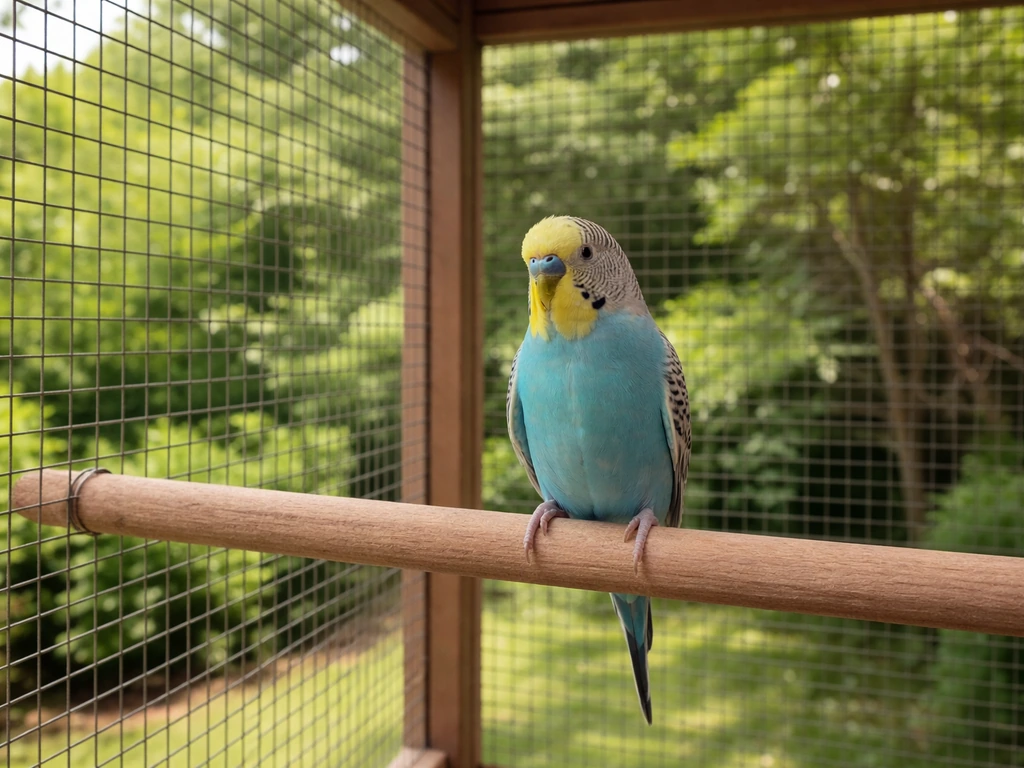
Wing clipping trims the primary flight feathers on both wings so the bird cannot gain full altitude. It's painless when done correctly, fully reversible after the next molt, and extremely common for pet parrots, cockatiels, and similar species. It gives you flight management without any surgery. Most avian vets or experienced bird groomers can do this for under $20. It's the right choice for almost every pet bird situation where flight control is the concern.
Aviary or enclosure upgrades (for waterfowl and outdoor birds)
If you're keeping ornamental ducks or geese and don't want them flying off, a fully enclosed aviary or net-covered pond is a humane, reversible solution. Netting systems designed for ponds and gardens are widely available and far less invasive than permanent surgery. For small or medium-sized collections, this is almost always the better long-term choice, especially if you may want to breed from your birds later. If breeding is part of your plan, these love bird breeding tips can help you set up routines and conditions that keep your birds healthy and ready to nest breed from your birds later.
Training and environmental management
Many bird owners are surprised to find that recall training, reliable feeding routines, and habitat enrichment can be more effective than physical restriction. Birds that are well-fed, socially bonded, and have engaging environments often choose to stay. This is especially true for domesticated waterfowl that have never migrated. Free-flight training, used widely in falconry and parrot communities, is another option where flight is managed through conditioning rather than restriction. If you are looking for Java bird breeding tips, focus on age-appropriate pair bonding, nutrition, and a stress-minimizing setup rather than any kind of physical restriction.
Working with a rehabilitator or rehoming
If you have a wild bird that cannot be released due to an injury, contact a licensed wildlife rehabilitator rather than attempting any procedure yourself. They have the legal authority, the facilities, and the expertise to make the right call. If your situation involves a bird you can no longer manage, rehoming to a licensed sanctuary or experienced keeper is always a welfare-positive option.
This connects naturally to broader questions about bird breeding and population management, where the decision to keep, rehome, or release a bird intersects with species-specific legal and ethical frameworks. Improving habitat quality, food availability, and nesting opportunities is one of the most practical ways to increase local bird populations. If you are looking for conure bird breeding tips, focus on proper pair setup, nutrition, and nest safety before making any breeding decisions bird breeding and population management.
If you are looking for java bird breeding tips, focus on welfare-first housing, nutrition, and legal sourcing rather than wing restriction methods bird breeding and population management. When you start thinking about bird breeding and population management, research species-specific husbandry and breeding practices, such as how to breed quail birds responsibly. If you're searching for how to breed bird, the safest approach is to start with species-specific husbandry and legal sourcing while prioritizing welfare-first housing and nutrition how to breed quail birds responsibly. If you're thinking about breeding, it's worth understanding how your species' legal requirements and welfare needs affect whether you can keep breeding birds responsibly bird breeding and population management.
Your next steps, right now
If you're here because you have a bird that needs managing today, here's the short version: if it's a pet bird, call your avian vet and ask about wing clipping. If you are instead looking to raise emus, use this guide on how to start emu bird farming to plan your setup, feed, and early care. If it's a wild or injured bird, call a licensed wildlife rehabilitator in your area.
If you run a waterfowl collection and genuinely need to discuss pinioning for newly hatched birds, call your avian vet and do not attempt it yourself. And if you're just exploring the concept to understand what it means, now you know: it's a permanent, vet-only procedure with real alternatives that are almost always the better choice.
If you are also trying to obtain eggs, make sure you follow local wildlife rules and consider ethical, legal ways to source eggs responsibly how to get bird eggs.
FAQ
What should I do if I want my bird to never be able to fly again?
If your goal is to stop flight permanently, pinioning is the only wing-based option that is truly irreversible, but it is also the highest-risk and most regulated. For most pet and rehab situations, the safer near-term decision is wing clipping or environmental control (aviary, netting), because they address the immediate risk without creating a permanent amputation.
Is wing clipping reversible in practice, or do I have to repeat it forever?
Wing clipping can be temporary depending on how feathers are trimmed and whether the bird molts successfully afterward, so you should confirm the plan with your avian vet (or experienced groomer) and ask how often it needs to be repeated. Pinioning is permanent and cannot be reversed, so if you are uncertain about future needs, permanent surgery is usually the wrong choice.
My bird keeps flying to escape, what are the common non-surgical fixes before considering any wing restriction?
For pet parrots and other companion species, the common mistake is focusing on wing control while ignoring the underlying reason for flight attempts, such as fear, poor perching choices, hunger, or overstimulation. Before any restriction method, try structured feeding routines, adding safe climbing routes, and using consistent training so the bird has less incentive to launch.
What if the bird is older than the usual pinioning age window?
Pinioning is typically only discussed for very young birds in specific licensed contexts, and the body of your article notes why: early tissue is more cartilaginous and bleeding is less. A practical edge case is that if the bird is already older than the usual window, it becomes harder to justify even in permitted settings, so the correct next step is to ask your avian vet whether the timing and species-specific constraints still make sense.
What signs mean my bird is in pain or has a breathing problem after wing restriction?
After wing restriction (including clipping), you should watch for issues like struggling to perch, abnormal wing position, or reduced ability to balance on branches. Birds can hide discomfort, so ask your vet what specific behaviors count as warning signs for your species (for example, hiding more than usual, refusing food, or abnormal breathing).
How do I know I can safely restrain a bird before a vet visit or wing procedure?
Another common mistake is assuming restraint from general handling is sufficient. Birds can go into shock or injure themselves even when the restraint looks gentle, so if you do not already have coached practice, have an avian vet demonstrate safe restraint first, then schedule the procedure (if appropriate) to minimize time and stress.
I think my situation is legal, how can I verify I am covered for my specific bird and species?
Even if you suspect you are within the law, requirements can differ by species, bird status, and location, and wild birds are separately protected under federal rules in the US. The decision aid is to call the relevant local authority or a licensed wildlife rehabilitator before attempting any procedure on a non-permitted bird, because classification (pet vs. captive vs. wild injured) changes what is allowed.
What should I do if I found a wild bird that cannot be released yet?
If you find an injured bird and pinioning comes to mind, the correct alternative is triage by a licensed wildlife rehabilitator, because the bird may need treatment that restores function or determines whether release is possible. In the meantime, the welfare-first step is minimal handling, warmth, and a quiet container, then immediate professional intake.
If I manage ornamental waterfowl, what questions should I ask my avian vet before any permanent option is considered?
If you are running a collection and are thinking about wing restriction for management, ask your avian vet about husbandry changes first, like enclosure design, pond netting, and species-appropriate barriers, because these can reduce the need for permanent interventions. If pinioning is still being discussed, insist on clear documentation of the facility permits and the exact postoperative follow-up plan.
When should I call the vet urgently during the first week after pinioning or any wing surgery-related injury?
The aftercare section in your article covers general healing checks, but an edge case is when the bird is not eating normally, is staying hunched, or the wound area looks swollen, hot, or discharging. In those cases, do not wait for the next scheduled check, contact your veterinarian immediately because subtle pain and infection can escalate quickly in birds.
Next Articles
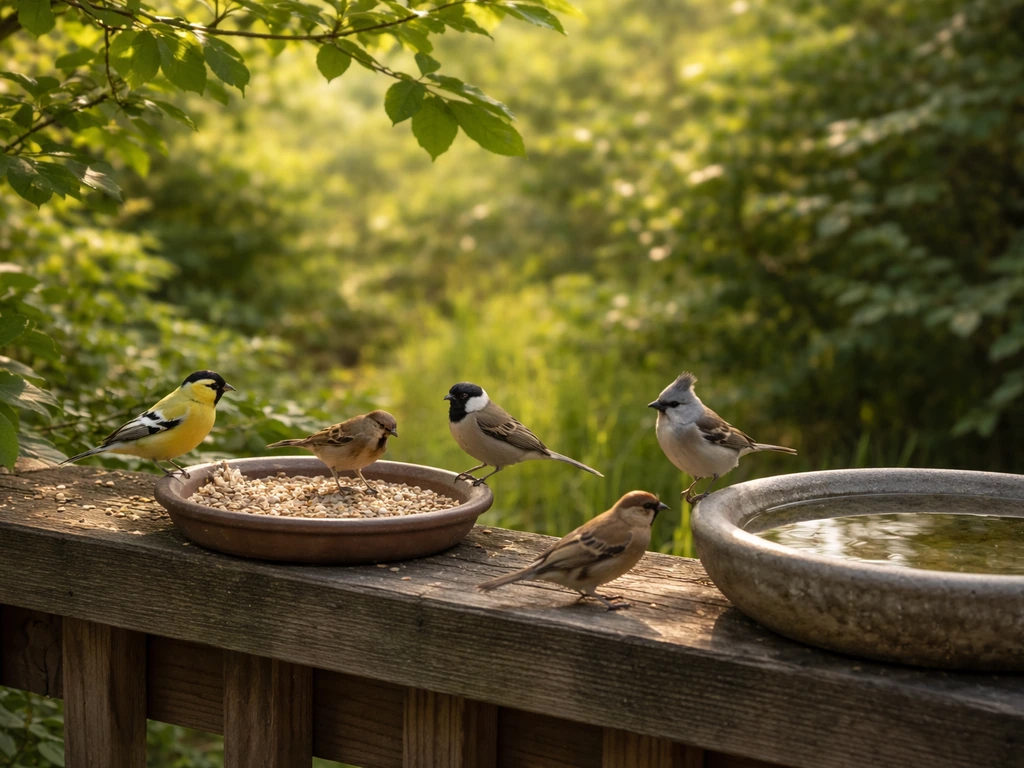
How to Increase Bird Population: Practical, Humane Steps
Humane steps to increase bird populations: habitat, safe feeding, nesting support, mortality prevention, and seasonal mo
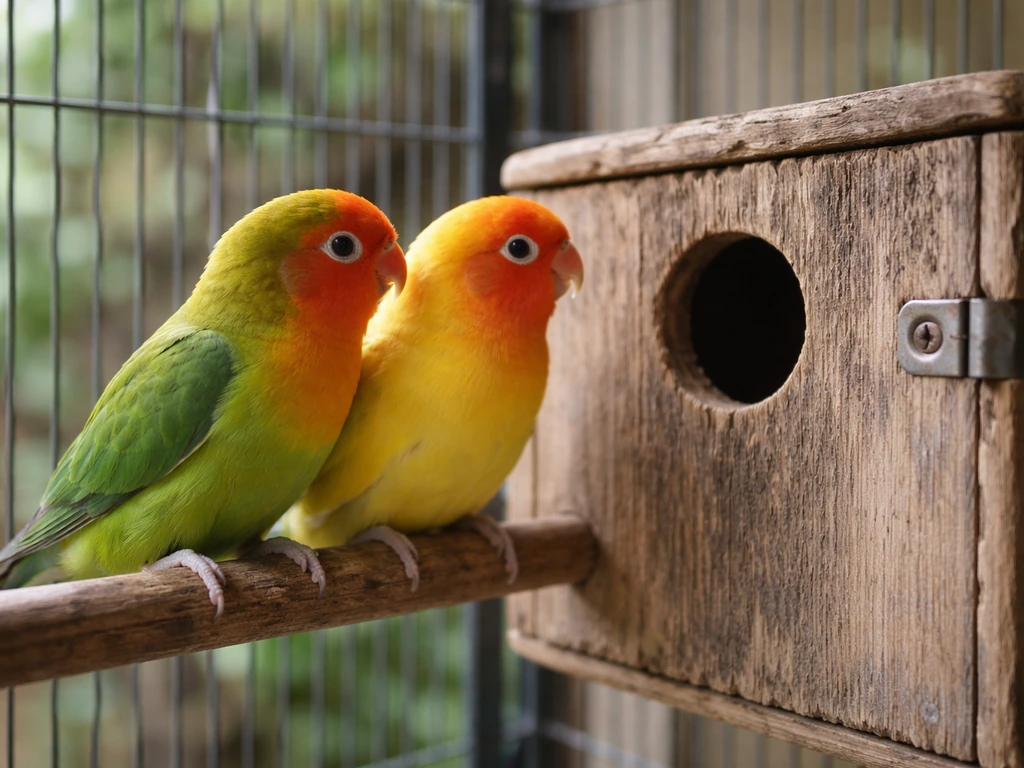
Love Bird Breeding Tips: Safe Step-by-Step Guide
Humane, step-by-step lovebird breeding tips on pairing, nesting, incubation, chick care, biosecurity, and troubleshootin
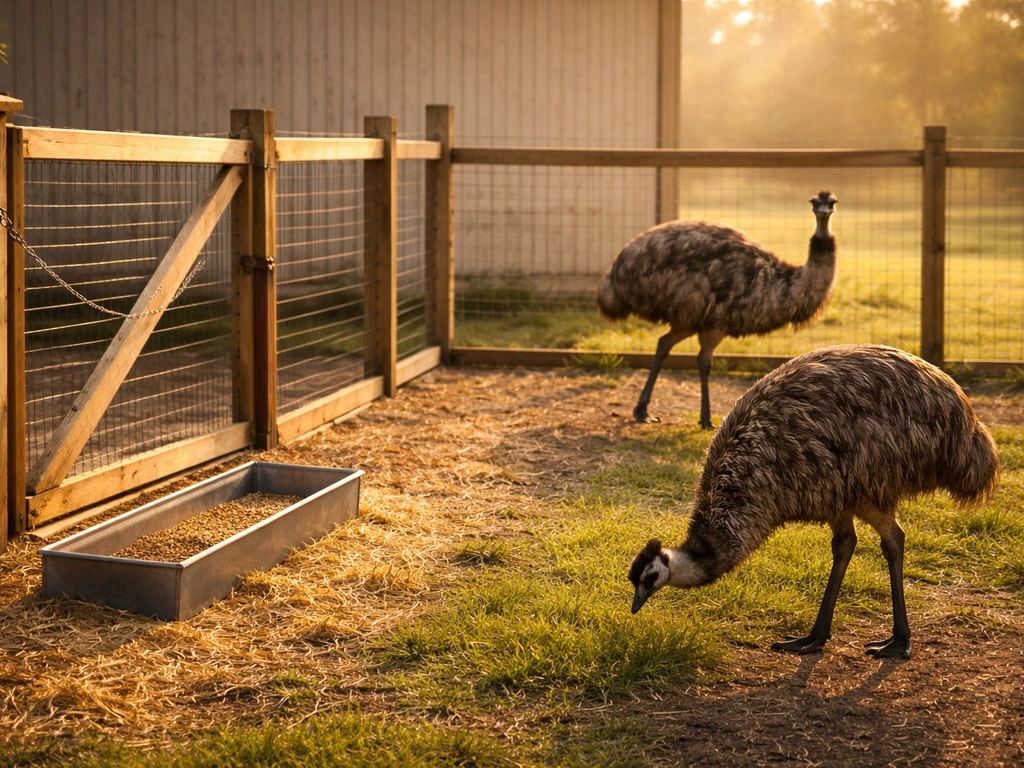
How to Start Emu Bird Farming: Beginner Welfare Guide
Step-by-step how to start emu bird farming with welfare-first setup, feeding by growth stage, humane handling, breeding,