Finding the right bird starts with one honest question: what can you actually provide, every day, for the next 5 to 80 years depending on the species? Match that answer to a bird's real needs, not just its looks or a YouTube video that made it seem charming, and you'll land on a species and an individual that both of you can thrive with. Skip that step and you'll end up rehoming a bird or, worse, keeping one in conditions that slowly grind it down. This guide walks you through every decision point, from figuring out your situation to the first week of bonding.
How to Find the Right Bird for You: Practical Guide

Maya Harris
20 May 2026
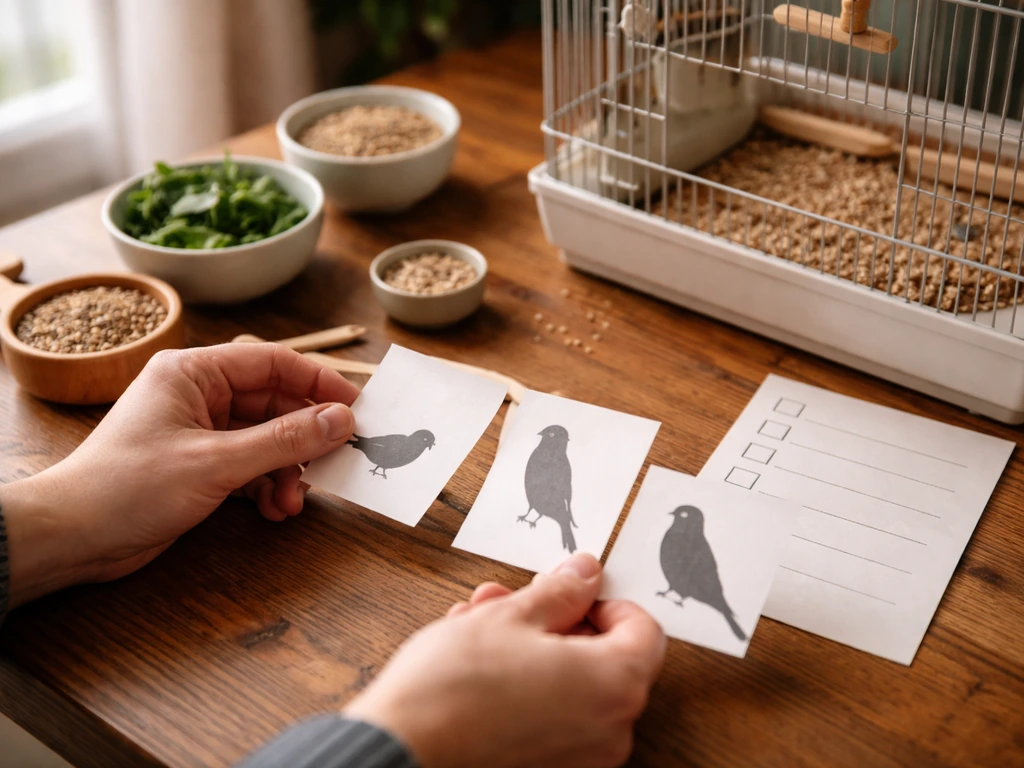
First: Are you looking for a pet, a rehab case, or a wild bird that needs temporary help?
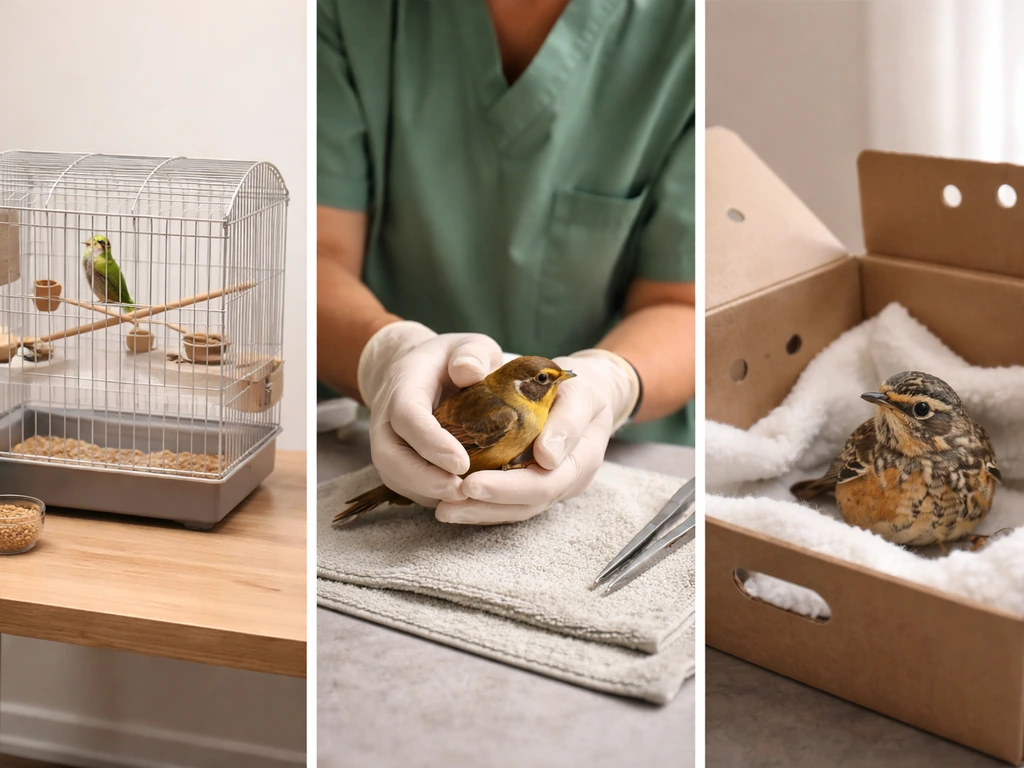
These are three genuinely different situations, and mixing them up causes real problems for the bird and for you legally. Get clear on which one applies before you do anything else.
Pet or companion bird
You want a bird to live with you long-term as a companion. This includes parrots, finches, canaries, doves, and other species bred for captivity. This is the path most of this guide focuses on. You'll be sourcing from a breeder, a rescue, or a rehab-to-pet transfer, and the bird will be with you permanently.
Rehabilitating an injured or orphaned wild bird
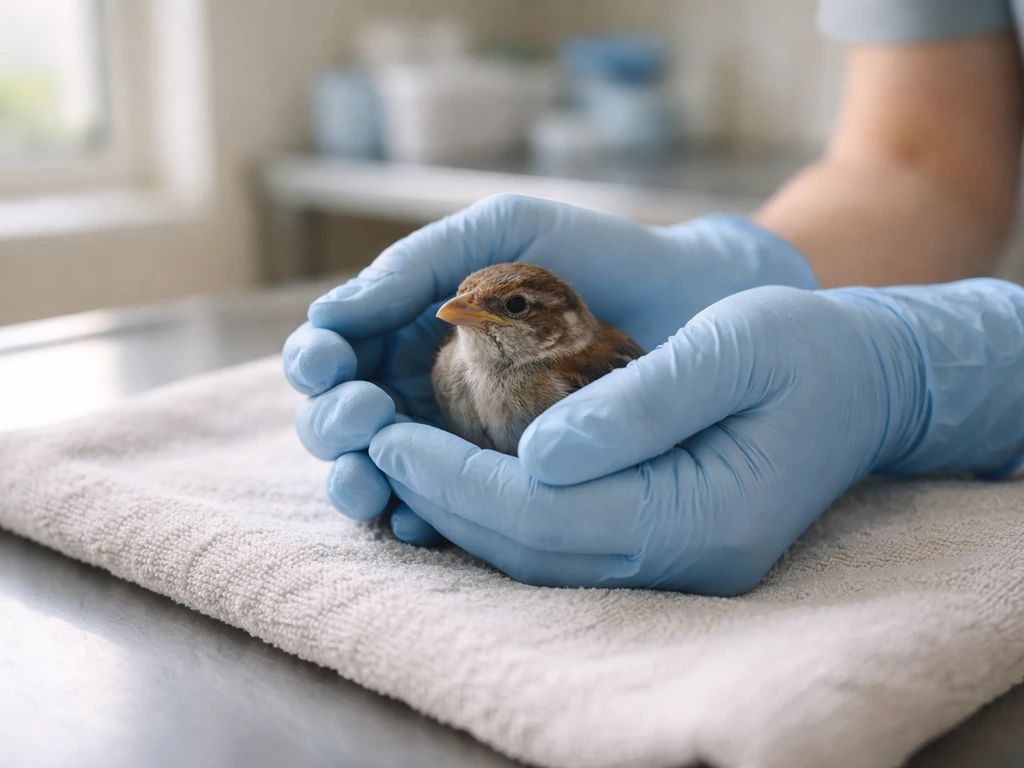
If you've found a sick, injured, or orphaned wild bird, the correct move in almost every U.S. state is to contact a licensed wildlife rehabilitator or permitted veterinarian immediately rather than attempting care yourself. In the U.S., a federal Migratory Bird Rehabilitation Permit is required just to take, transport, and temporarily hold most wild birds. Holding a migratory bird without that permit is a federal offense. If you want to actually do rehab work, you need to go through your state wildlife agency and USFWS to get properly licensed. That's a meaningful path, but it's separate from choosing a pet.
Helping a wild bird temporarily
You found a baby bird on the ground or a stunned bird by a window. Contrary to popular belief, touching a baby bird does not cause its parents to abandon it. Check whether the bird is a fledgling (short tail, hopping on the ground, learning to fly) or a true nestling (naked or mostly down, unable to perch). Fledglings should be left alone or placed back in nearby cover.
Nestlings can be placed back in the nest if it's reachable. Do not give any baby bird anything to drink. If a parent hasn't returned after about half a day, call a permitted songbird rehabilitator. The CDC and most state agencies are clear: do not feed wildlife or habituate wild animals to human contact.
Be honest about what you can actually provide

Birds are intelligent and highly social animals. The CDC puts it plainly: you need to match a bird's temperament, activity level, and lifespan with your actual lifestyle, not your ideal lifestyle. Walk through each of these honestly before you fall in love with a species. If you're wondering how to pick a pet bird, use this guide's steps to match species needs to your daily reality. Then, when you talk to your parents, focus on how you can meet those day-to-day responsibilities and make the decision feel safe and realistic for them.
Time and attention
A budgie can do reasonably well with a few hours of interaction per day if kept in a pair. A cockatoo may need four to six hours of direct social contact daily and will develop serious behavioral problems without it. Think about your work schedule, travel frequency, and whether you have backup caregivers. If you work long hours and travel regularly, a sociable finch pair or canary is far more humane than a large parrot that will spend most of its life waiting for you.
Space
Cage size needs to scale with the bird's wingspan and activity level. A macaw needs a cage large enough to fully extend and flap its wings without touching the sides, plus daily out-of-cage time in a bird-safe room. Finches and canaries need less floor space but more horizontal flying room. Check your local ordinances too: some municipalities restrict certain species by noise level or size, so confirm what's legal in your area before committing.
Budget
Factor in the initial cost of the bird plus an appropriately sized cage, perches, enrichment toys, and avian vet visits. An avian vet exam on intake is non-negotiable, and birds need annual wellness checks. Diet costs add up too: a seed-only diet is not appropriate for most species. A well-balanced diet typically includes 40 to 50 percent pellets, 30 to 40 percent species-appropriate seed mix, 10 to 15 percent healthy vegetables, and 5 to 10 percent fresh fruit. Species like lories and lorikeets have completely different dietary needs involving high water content and easily digestible carbohydrates, so research your chosen species specifically.
Social needs
Many bird species evolved to live in flocks and genuinely suffer when kept alone without adequate social contact. The RSPCA recommends housing birds in compatible pairs or groups wherever possible to meet their social needs. If you can't be present for most of the day, strongly consider getting two compatible birds rather than one. That said, some species bond very intensely to a single person and may not integrate well with a second bird, so check species-specific guidance.
Match species to your lifestyle and handling comfort
Here's a practical comparison of common pet bird categories across the factors that matter most for a realistic match. These are general ranges; individual birds always vary.
| Species/Group | Skill Level | Noise | Mess | Social Needs | Lifespan | Handling |
|---|---|---|---|---|---|---|
| Budgerigar (budgie) | Beginner | Low–moderate | Low | Moderate (better in pairs) | 7–15 years | Gentle; can be hand-tamed with patience |
| Cockatiel | Beginner–intermediate | Moderate | Moderate (feather dust) | Moderate–high | 15–25 years | Affectionate; tolerates gentle handling well |
| Lovebird | Intermediate | Moderate–high | Moderate | High (bonds tightly) | 10–15 years | Can nip; needs consistent socialization |
| Conure (small–medium) | Intermediate | High | Moderate | High | 15–30 years | Playful and affectionate; nippy phase common |
| African Grey | Advanced | Moderate–high | Moderate | Very high | 40–60 years | Sensitive; requires experienced, consistent handling |
| Cockatoo | Advanced | Very high | High (feather dust) | Extremely high | 40–80 years | Prone to behavioral issues without intensive attention |
| Finch/Canary | Beginner | Low–moderate | Low | Prefers aviary companions | 5–15 years | Hands-off; best enjoyed as visual/vocal companions |
| Lory/Lorikeet | Advanced | High | Very high (liquid droppings) | High | 15–25 years | Energetic; specialized diet required |
If you're a first-time bird owner, a budgie or cockatiel in a bonded pair gives you the most forgiving entry point. If you want to know how to start a bird setup, begin by choosing a species and companion pairing that fits your daily routine. Both species respond well to positive reinforcement training, are manageable in a modest apartment, and have realistic lifespans for a first commitment. Save the African Grey or cockatoo for when you have years of hands-on bird experience under your belt.
How to choose the right individual bird
Once you've settled on a species, the individual bird you choose matters enormously. Birds naturally mask illness until it's advanced, so a careful observational assessment before you commit is essential.
Age considerations
A hand-raised fledgling weaned onto varied foods will typically be easier to socialize and less fearful of handling than a parent-raised bird with limited human contact. That said, older rescue birds can absolutely bond with a new owner, especially with consistent positive reinforcement. If you're a beginner, a young hand-raised bird from a reputable source reduces the initial training curve. If you're experienced or want to give a bird a second chance, an adult rescue is a genuinely great option.
Health screening: what to look for before you say yes
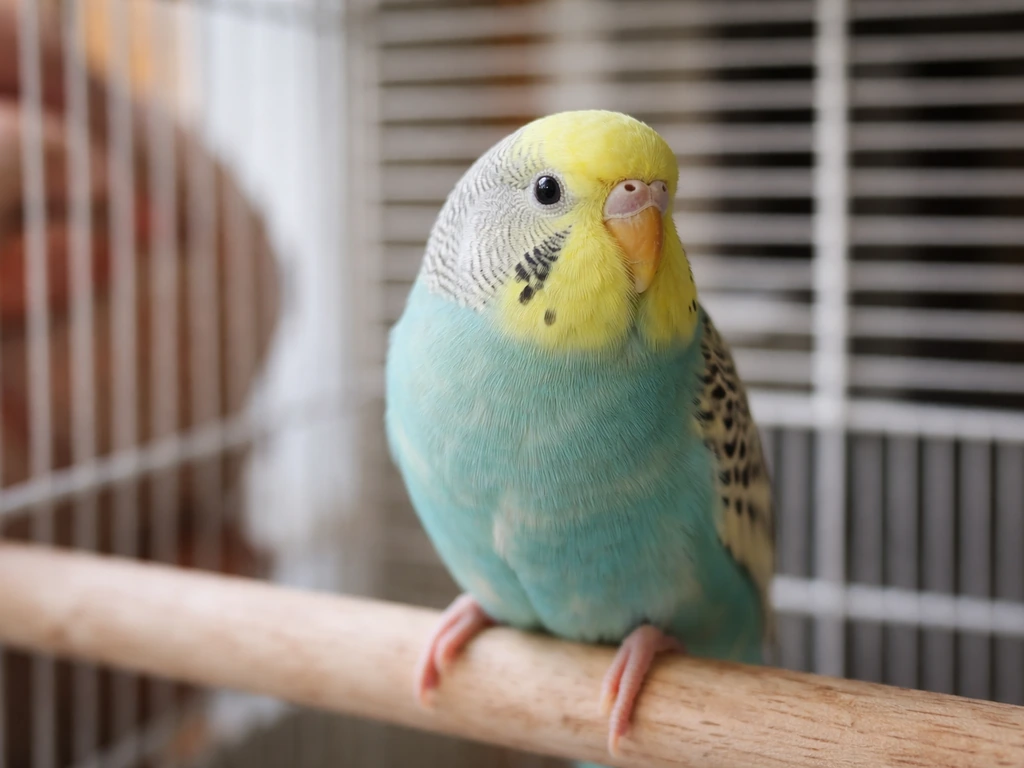
Observe the bird quietly before interacting with it. A healthy bird is alert and responsive, sits upright without leaning on the cage bars, and has bright, clear eyes. Watch breathing carefully: wheezing, tail bobbing while breathing, open-mouth breathing, or labored respiratory effort are all red flags that require veterinary evaluation before you proceed. Fluffed feathers in a warm environment, nasal discharge, dirty vent feathers, or dull eyes are also warning signs. Ask the seller or rescue for a current weight if possible; weight is one of the most reliable indicators of body condition in birds.
- Bright, clear eyes (no discharge or swelling)
- Clean, dry nares (nostrils)
- Normal upright posture without leaning
- No tail bobbing or labored breathing
- Clean vent feathers and normal dropping appearance
- Alert, curious, or interactive behavior (not huddled and withdrawn)
- Healthy feather condition (no excessive broken, missing, or stress-barred feathers)
Temperament and behavioral screening
Ask to interact with the bird yourself before committing. A curious bird that approaches the front of the cage, tracks your movements, and vocalizes in response to you is showing positive social engagement. A bird that is completely shut down, aggressively lunges repeatedly, or is excessively fearful isn't necessarily a bad bird, but it does tell you something about its history and the work required. Occasional nipping during an unfamiliar interaction is normal; sustained aggressive biting at every approach is a flag for an experienced handler rather than a beginner.
Questions to ask sellers, rescues, and rehabbers
- What is the bird's full diet history, and is it already eating pellets and fresh foods?
- Has the bird had an avian vet exam recently, and can you see the records?
- Is the bird hand-raised, parent-raised, or wild-caught (avoid wild-caught)?
- What is the bird's socialization history: how much handling, and with whom?
- Are there any known behavioral issues, phobias, or aggression triggers?
- Has the bird ever been tested for psittacosis, PBFD, or other common avian diseases?
- What is the return or rehoming policy if the placement doesn't work out?
Where to get your bird safely and ethically
Your sourcing choice directly affects the bird's welfare history and your early bonding experience. Each option has genuine pros and cons.
Reputable breeders
A good breeder hand-raises birds from hatch, weans them onto varied diets including pellets, keeps records, socializes chicks with multiple people, and will ask you detailed questions about your setup. Red flags include: selling unweaned chicks for buyers to hand-feed themselves (dangerous without training), no willingness to let you visit, no vet records, multiple species in poor conditions, or pushing you toward the most expensive bird rather than the best fit. Breeders who specialize in one or two species typically produce better-socialized birds than those running a large mixed operation.
Bird rescues and shelters
Rescues are often the most welfare-positive sourcing choice. Many birds in rescue have been surrendered by owners who underestimated the commitment, not because anything is wrong with the bird. Good rescues do behavioral assessments, provide vet records, and will match you carefully to an appropriate bird. Expect an adoption application and possibly a home visit. This is a feature, not a flaw. After adoption, clean all equipment thoroughly before introducing the new bird to your home, especially if you've had other birds.
Rehab-to-pet transfers
Occasionally a bird that came through a licensed wildlife rehabilitation facility is deemed non-releasable (due to permanent injury or imprinting) and becomes available for placement in an educational or permitted home. These placements are tightly regulated and are not simply a way to adopt a wild bird. If a non-releasable placement interests you, contact your state wildlife agency about the process and required permits.
What to avoid
- Wild-caught birds: illegal for most species in the U.S. and a welfare disaster
- Pet store birds with no known history, unclear species sourcing, or housed in visibly poor conditions
- Online classified ads with no verifiable breeder background, no vet records, and pressure to buy quickly
- Anyone selling unweaned chicks to inexperienced buyers
- Importing birds without proper CITES documentation and health certificates
Your first bonding and training plan after bringing a bird home
The first days and weeks set the tone for your entire relationship. Resist the urge to handle the bird constantly right away. Give it time to decompress.
Week one: quiet acclimation
Place the cage in a room where the bird can observe household activity without being overwhelmed. Talk to it softly, move slowly near the cage, and offer treats through the bars without requiring the bird to come to you. Don't force interaction. Let the bird set the pace. Monitor eating, drinking, droppings, and posture daily during this period. Schedule an avian vet intake exam within the first week if one wasn't done at point of sale or adoption.
Building trust through positive reinforcement
Positive reinforcement, meaning you reward the behavior you want with something the bird genuinely values, is the foundation of every training step. Find your bird's highest-value treat (a small piece of its favorite fruit or a specific seed it goes crazy for) and use it exclusively for training sessions. Keep sessions short, three to five minutes maximum, and end while the bird is still engaged and successful. Never use punishment, spray bottles, or forced restraint to manage behavior. These approaches damage trust and typically make the problem worse.
Gradual handling and step-up training
The step-up command, where the bird steps from its perch onto your finger or hand on cue, is the single most practical skill to train first because it makes all future handling safer and easier. Start with your finger just below the bird's chest and gently press upward while saying 'step up.' Reward immediately when the bird complies. If the bird bites or retreats, you've moved too fast. Back up a step and work on building comfort at that distance before trying again. Patience measured in days and weeks, not minutes, is what gets you a confident, handleable bird.
Troubleshooting early problems
- Bird not eating after 24–48 hours: check that food is the right type and placement; consult an avian vet if it continues
- Excessive screaming: usually attention-seeking or environmental stress; do not reinforce by rushing over every time; reward quiet behavior instead
- Biting during handling: stop the session, do not punish, and identify what triggered it; often the hands moved too fast or the bird was pushed past its comfort threshold
- Feather fluffing or lethargy: could be illness; monitor closely and contact an avian vet if it persists beyond a few hours
- Refusing to come out of cage: normal for first week; don't force it; open the door and let the bird choose when to explore
Legal and ethical essentials you need to know
Legal compliance isn't just about avoiding fines. It's about making sure the bird you're caring for actually has a path to the right outcome, whether that's a permanent home, a successful release, or humane care in a permitted facility.
Wild and migratory birds
In the U. S. , virtually all native wild birds are protected under the Migratory Bird Treaty Act. You need a federal Migratory Bird Rehabilitation Permit from USFWS, plus a state permit, to legally hold, transport, or provide care for an injured or orphaned migratory bird.
Without those permits, your well-intentioned rescue is technically illegal. Under the rehabilitation permit rules, birds can generally be held for up to 180 days; extensions require approval from the Regional Migratory Bird Permit Office at least 30 days before that period ends. USFWS’s migratory bird rehabilitation permit memorandum also emphasizes humane capture and human exposure limits, requires a disposition plan, and sets expectations for humane handling and duration [requires a disposition plan and humane duration/expectations](https://www. fws.
gov/sites/default/files/documents/migratory-bird-permit-memorandum-capture-handling-disposition-depredating-birds. pdf). Birds that recover to release condition must be released as soon as seasonal conditions allow. Under the U.
S. Fish & Wildlife Service guidance, when humane release is feasible, birds should be released within 24 hours, and any actions that could affect injury require a medical or provider determination and an appropriate disposition [released within 24 hours when feasible and permittee actions affecting injury require medical/provider determination](https://www. fws. gov/sites/default/files/documents/220211TheHumaneCaptureHandlingAndDispositionOfMigratoryBirds_Final.
pdf).
CITES-listed and exotic species
Many popular parrot species, including African Greys and several macaw species, are listed under CITES (the Convention on International Trade in Endangered Species). Buying, selling, or importing them without proper documentation is illegal internationally. Always request CITES documentation for any listed species and verify it before purchase. For domestic sales of captive-bred birds, the documentation trail from a reputable breeder should be clear and complete.
Local ordinances and housing rules
Check your local municipal code and your lease or HOA agreement before acquiring a bird. Some jurisdictions restrict specific species due to noise, public health concerns, or zoning. Cockatoos and large macaws, for example, produce noise levels that may violate local ordinances in dense housing. Psittacosis (parrot fever) is a real zoonotic concern with some bird species, and the CDC recommends regular handwashing, good cage hygiene, and annual vet checks to manage the risk.
Your welfare commitment in plain terms
Taking on a bird means committing to its enrichment, social contact, veterinary care, and a species-appropriate diet for its entire life. To learn how to be a good bird owner day to day, use this checklist to align your bird's needs with what you can realistically provide. To foster a bird, you’ll need a consistent routine, safe handling practice, and plenty of social and enrichment time how to foster a bird.
Environmental enrichment is not optional, it's a welfare need: foraging opportunities, toys rotated regularly, and either social companionship or significant daily interaction are all part of the baseline. A bird kept in a bare cage with minimal interaction and a bowl of seeds is not thriving, regardless of how healthy it looks on the surface.
If your life changes in ways that make that level of care impossible, the right ethical move is to find a proper rehoming placement rather than letting the bird languish.
Your decision checklist before you commit
Run through this before you finalize any bird placement. If you can honestly check every box, you're in a strong position to be a great bird owner.
- I know whether I want a pet bird, am pursuing licensed rehab work, or simply need to hand off a wild bird to a permitted rehabilitator
- I have assessed my daily time, housing space, budget for food and vet care, and long-term commitment for this species
- I have chosen a species whose noise level, mess, social needs, and lifespan realistically fit my life
- I have identified a reputable source (breeder, rescue, or permitted rehab transfer) and asked all the screening questions
- I have observed the individual bird for health signs and behavioral temperament before committing
- I have confirmed the species is legal to own in my city and state and that I have or can obtain any required permits
- I have an avian vet identified and an intake exam scheduled for the first week
- I have a cage, appropriate diet, enrichment items, and a quiet acclimation plan ready before the bird arrives
- I have a backup caregiver or plan for travel or emergencies
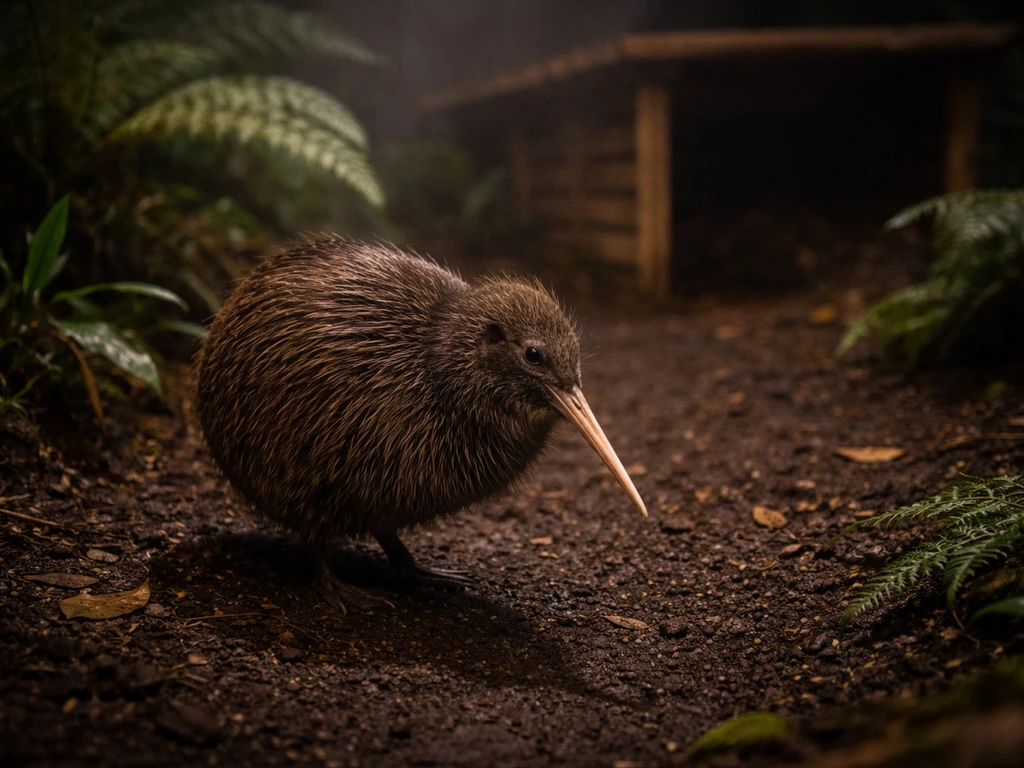
Choosing the right bird is genuinely one of the most consequential decisions you'll make as an animal owner, especially for longer-lived species. Take your time with it. The birds that end up in rescues almost always got there because someone skipped the honest self-assessment at the beginning. Do it right upfront and you'll set both yourself and your bird up for a relationship that's rewarding for a very long time. Kiwi birds are native to New Zealand, so caring for or assisting them usually involves contacting the right local authorities or licensed wildlife rehabilitators rather than trying to locate instructions on your own.
FAQ
How do I figure out if I should get two birds instead of one (and which combination is safest)?
Start with how many continuous hours the bird will be alone each day, and whether you can provide enrichment and positive interaction during that time. If you are away most of the day, two birds usually reduce stress, but compatibility is species and individual dependent. Plan for a quarantine and separate setups initially, and introduce slowly only after both birds are medically cleared (an avian vet check for new arrivals helps prevent masked illness from turning into a flock problem).
What if I rent, and my lease or HOA doesn’t allow certain birds, what are my options?
Treat housing rules as a real constraint, not a paperwork step. Before committing, confirm both the species and the maximum cage size, and ask the landlord about noise expectations, odor expectations, and any “bird exemption” policies. If there is a hard ban on a species, the ethical move is to choose a permitted alternative early, because rehoming later is hard on both the bird’s stress level and your liability under local rules.
Can I choose a bird based on “temperament” from photos or the seller’s description?
Photos and descriptions can be misleading, because birds mask stress and illness until later. You’ll get a better signal by doing a brief, guided observation in the room (alert posture, normal breathing, responsive vocalization, and ability to accept treats through the bars). If possible, schedule a second visit on a different day and ask whether the bird has been handled recently, because fear responses can vary with routine and recent changes.
How can I avoid selecting a bird that is already sick, given birds often hide symptoms?
Do a focused respiratory and eye check: watch breathing rate and effort, listen for wheezing or repeated coughing, and look for tail bobbing during breathing or open-mouth breathing. Check droppings consistency and color over time during the visit, and ask for recent weight history. Even if the bird looks fine, insist on an avian vet intake exam within the first week if it was not already performed at sale or adoption.
What should I know about dietary research before I buy, especially for “seed-mix” birds?
Seed-based diets are not appropriate for most species as the main staple, and “varied diet” claims are often vague. Ask what the bird currently eats at the exact meal times, how much pellets versus seed, and what vegetables or fruits it tolerates. If the bird is coming from a rescue or breeder with a transition plan, request a written feeding schedule. Species with specialized needs, like lories, often require high moisture, so you should confirm the specific diet and setup before purchase.
Is it a bad idea to start with a baby bird for easier bonding?
Not automatically, but “easier” depends on proper weaning and socialization. A hand-raised fledgling that is already eating a varied diet is often more manageable than an under-weaned chick, because improper early feeding can cause serious harm. If a seller offers unweaned birds that require you to hand-feed, treat that as a major red flag and don’t proceed without proven expertise and veterinary guidance.
What “legal” things should I double-check beyond permits for wild birds?
First confirm you are dealing with the correct category: permanent pet, captive-bred sale, or wildlife assistance. If a bird is wild or suspected wild, skip trying to keep it yourself and contact permitted wildlife professionals quickly. Also check municipal noise and size rules, because local ordinances can restrict certain species even when you have all the right animal-care intentions. Finally, for listed parrot species under CITES, make sure documentation is complete for your purchase and keep it with your records.
If I find a baby bird, how do I tell fledgling versus nestling fast?
A fledgling is typically feathered and active enough to hop around or attempt short flights, and it usually has more developed plumage. A nestling is often naked or mostly down and unable to perch. If it is a fledgling, putting it back into nearby cover is often the correct step; if it is a nestling and the nest is reachable, placing it back may be appropriate. In both situations, avoid giving water or food, because feeding wildlife incorrectly can make survival worse and can create habituation.
What should my first week look like, if I want bonding without stressing the bird?
Keep handling minimal at first, place the cage where the bird can observe household activity without being constantly overwhelmed, and use treats through the bars to build safety. Track eating, droppings, posture, and vocalization daily, because these are early indicators that the bird is settling and that no hidden illness is developing. Arrange an avian intake exam in the first week if the bird did not receive one before you brought it home.
What training method should I use to prevent biting problems from getting worse?
Use positive reinforcement and avoid punishment or forced restraint. Begin with short sessions (a few minutes) and end while the bird is still engaged to prevent frustration from escalating. Teach “step up” early because it creates safer handling cues. If biting happens, slow down and increase distance, then try again when the bird is calm, because rushing teaches fear responses.
What’s the most common mistake people make when choosing the “right bird for you”?
They match the bird to an idealized version of their life rather than their real daily routine, especially around hours of isolation, noise tolerance, travel frequency, and willingness to budget for annual avian exams and diet upgrades. Another common mistake is focusing on appearance while skipping cage sizing, activity needs, and species-specific social requirements. A final high-risk mistake is buying before verifying legal restrictions in your area.
Next Article
How to Get a Kiwi Bird: Legal, Humane Steps
Humane, legal steps to handle or acquire a New Zealand kiwi, including what to do now, permits, and trust-building care.