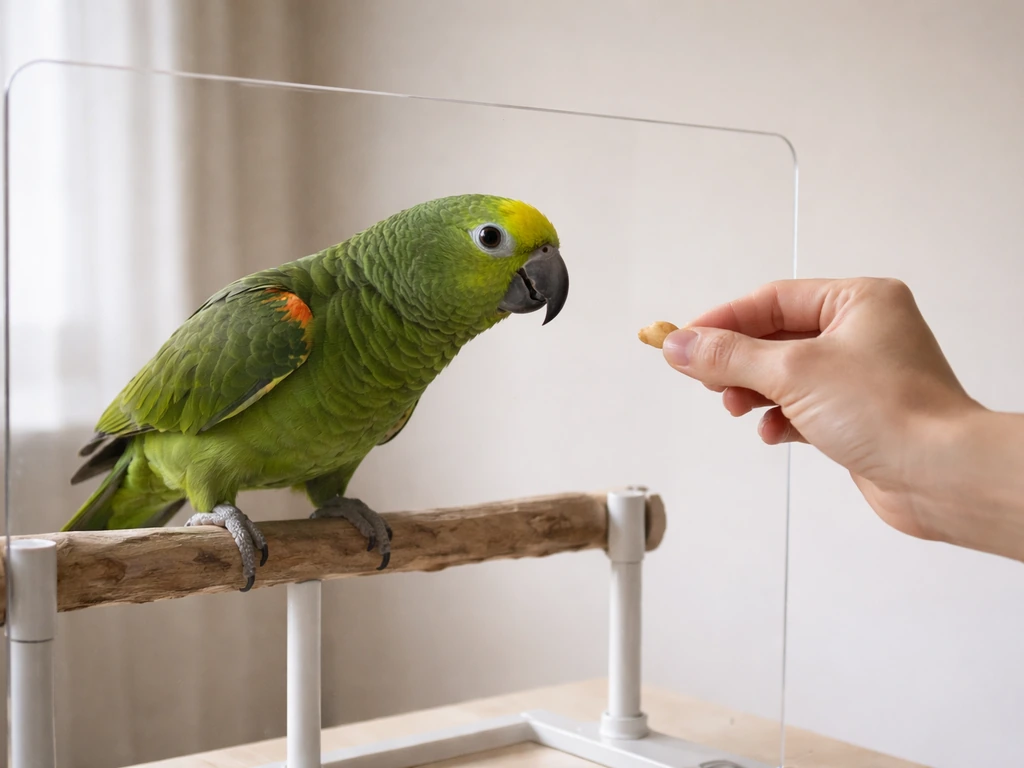
The best things you can do with your bird this week are foraging games, short target-training sessions, and simple step-up bonding rituals. To put it all together, you can rotate bonding, foraging, and training into short daily sessions to figure out how to play with a bird in a way that builds trust. These three activities cover the three things every pet bird genuinely needs: mental stimulation, physical engagement, and a deepening sense of trust with you. You don't need expensive gear or a perfectly tame bird to start. You need about 10-15 minutes a day, a handful of your bird's favorite treats, and a safe, distraction-free space.
Fun Things to Do With Your Bird: Enrichment and Training

Maya Harris
3 May 2026
Set up a safe space before you do anything else
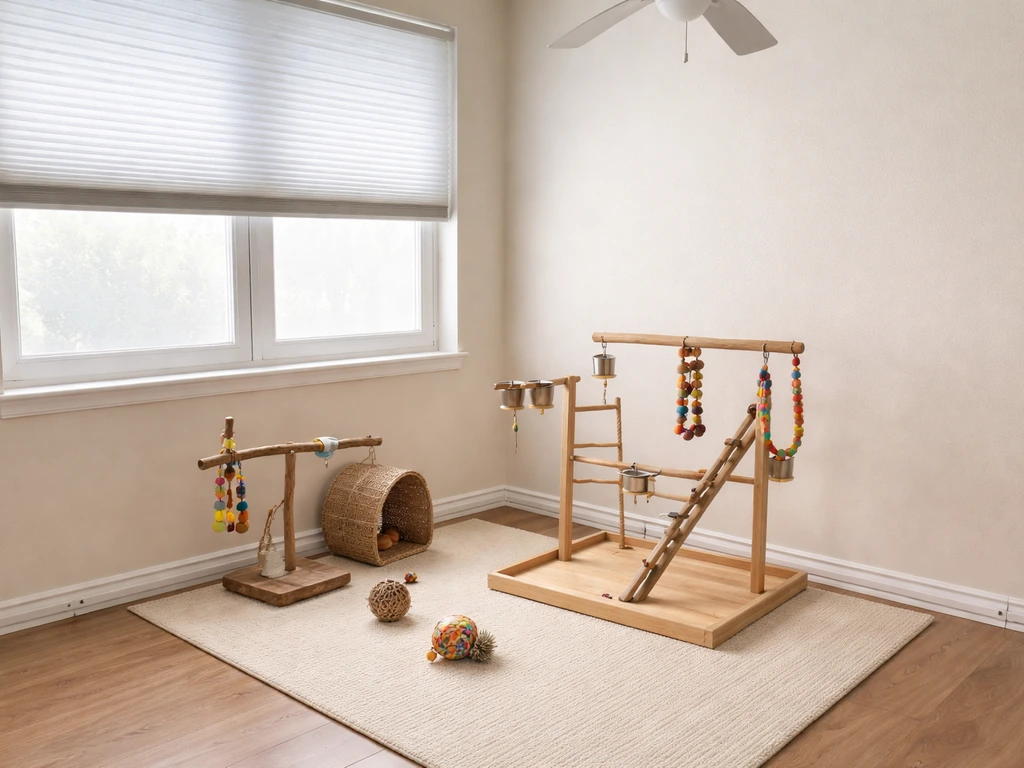
Before any play or training session, your environment needs a quick safety check. This isn't overcautious, birds are genuinely vulnerable to household hazards that most pet owners don't think twice about. In particular, PetMD warns that birds can be sensitive to blank" rel="noopener noreferrer">aerosol products like air fresheners and spray disinfectants, so aerosol or fume exposure can be dangerous. The CDC and every major avian vet organization agree: never let a bird roam or fly unsupervised. That means before you open the cage, the room needs to be secured.
Run through this checklist every time before a session:
- Ceiling fans off (one of the most common causes of serious bird injuries, per PetMD)
- Windows and doors closed, or covered with a screen your bird can't push through
- No non-stick (PTFE/Teflon) cookware heating on any burner — overheated non-stick surfaces release fumes that can kill birds within minutes
- No aerosol sprays, air fresheners, scented candles, or incense recently used in the room (RSPCA and Best Friends both flag these as respiratory hazards)
- Cleaning products, chemicals, and houseplants out of reach or out of the room entirely
- Other pets (dogs, cats) secured in a different space
- A designated play perch or tabletop play stand set up so your bird has somewhere to land that isn't your furniture
If you haven't already established a relationship with an avian vet, now is a good time to find one. The CDC recommends it as a basic step of responsible bird ownership. An avian vet can also help you rule out any medical reasons your bird might be reluctant to engage, fearful, or showing feather problems, more on that later.
Wing trim vs. full-flighted birds
Purdue's veterinary guidance notes that wing trims are important for birds that are allowed out of their cages, because they reduce the risk of escape and injury. This is a personal choice with real welfare tradeoffs on both sides. If your bird is fully flighted, you need to be even more rigorous about room security. If your bird is trimmed, keep sessions lower to the ground and make sure perches are stable. Either way, never leave a bird unattended outside its cage.
Quick bonding activities that build trust fast
Bonding isn't a single activity. It's what happens in the small moments you repeat consistently. If your bird is already comfortable with you, these activities deepen that bond. If your bird is new, fearful, or less-handled, they're how you begin to earn trust without forcing contact.
For shy or new birds: proximity and presence
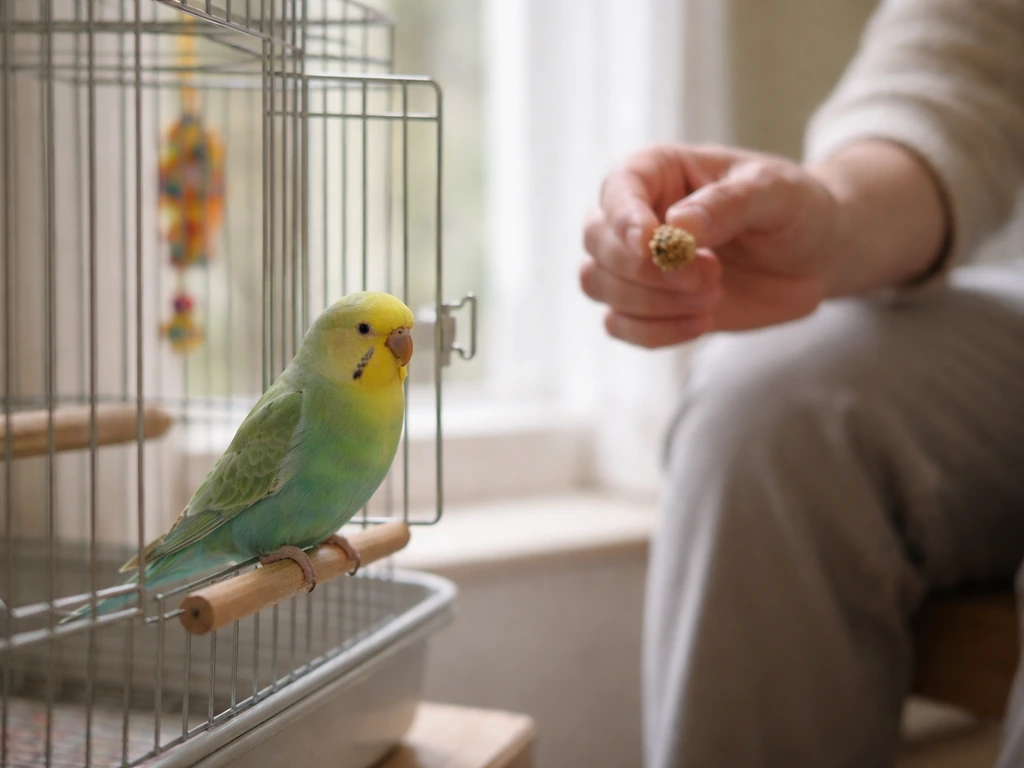
Start by simply being near the cage without making demands. Sit beside it, talk softly, eat something yourself (birds are social eaters). Do this for 5-10 minutes, then walk away. Repeat several times a day. You're teaching your bird that your presence predicts calm, good things, not pressure. Lafeber recommends making all early contact very brief, touch the chest or head gently, then pull back slowly. Short sessions, multiple times daily, work far better than one long stressful interaction.
For more confident birds: shared activities
- Read, work, or watch something with your bird perched nearby on a play stand — companionship without pressure is deeply bonding
- Offer a favorite treat directly from your fingers, then wait for your bird to come to you rather than reaching in
- Mimic sounds your bird makes — many parrots and cockatiels find this engaging and will start to 'converse' back
- Gentle head and neck scratches (if your bird tolerates them) while they're relaxed on a perch are one of the strongest bonding rituals you can establish
- Bath time: misting with a spray bottle, offering a shallow dish of lukewarm water, or letting your bird in the shower with you (if safe) is a playful, low-pressure bonding activity most birds love
Enrichment and foraging games (in-cage and out)
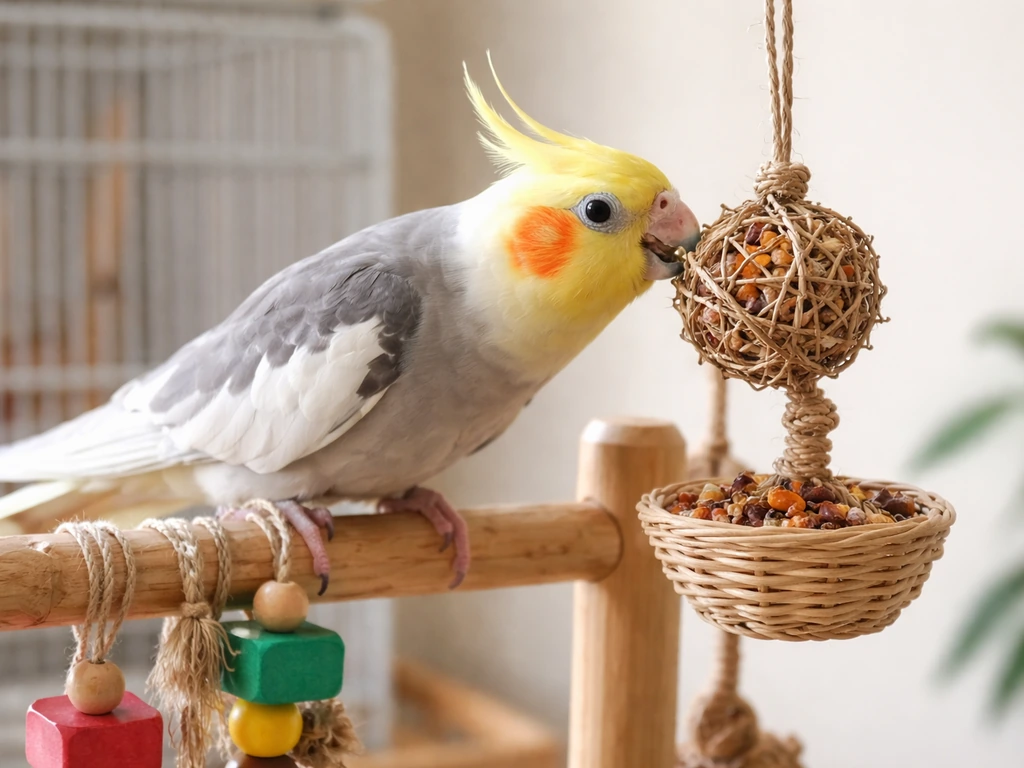
In the wild, birds spend the majority of their waking hours foraging. In captivity, a bowl of food delivered twice a day removes that entire behavioral need, which is one reason boredom and feather-plucking are so common. Foraging-based enrichment gives birds back a naturalistic challenge and is genuinely one of the most effective things you can do for your bird's mental health. If you want a step-by-step approach, you can follow this guide on how to play with a bird in a cage.
In-cage foraging ideas you can start today
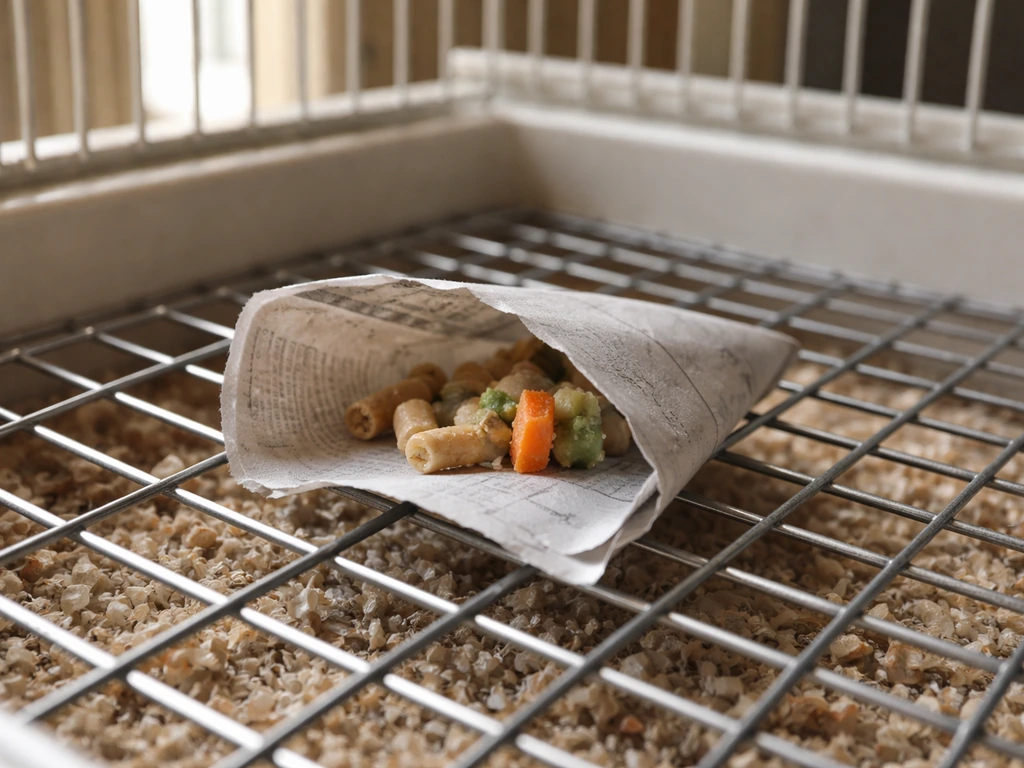
- Newspaper wrap: Roll a piece of food (a pellet, a small nut, a bit of vegetable) into a scrap of plain newsprint. Place it on the cage floor or hang it from a bar. Let your bird shred and find it.
- Cardboard tube puzzle: Push a few treats into a small cardboard tube (like a toilet paper roll, uncoated) and crimp the ends shut. The RSPCA specifically recommends this method as a safe, easy foraging toy.
- Bar-wedge foraging: Wedge small pieces of leafy greens or fruit slices between the cage bars so your bird has to work to pull them free.
- Paper cup surprise: Place a treat under a small paper cup inside the cage. Let your bird figure out the cup needs to be flipped.
- Rotation trick: Move your bird's toys to different positions in the cage every few days. A familiar toy in a new spot becomes interesting again.
When introducing foraging toys for the first time, let your bird watch you place the food inside. UF's avian care guidance specifically recommends this step for foraging-naive birds, they need to understand the connection between the toy and the food before they'll engage with it.
Out-of-cage enrichment and play
A dedicated play stand or tabletop perch is worth getting if you don't have one. The University of Florida recommends a play pen or parrot perch specifically so birds have a place to land during out-of-cage time that isn't your furniture or the floor. Set it up in whatever room you spend the most time in.
- Puzzle foraging: Muffin tins with tennis-ball-sized covers over each cup, small treats hidden underneath — let your bird walk across and flip them
- Paper shredding station: A pile of plain, untreated paper or palm leaves is endlessly entertaining for most parrots and cockatiels
- Music and dance: Many parrots bob and sway to music — put something on, let your bird lead, and engage with them when they do
- Hide-and-seek treat hunts on a play stand: Place treats in different spots on the stand before bringing your bird out, so they discover them as they explore
- Novel object exploration: Introduce one new safe object (a small wooden block, a pine cone, a piece of untreated branch) on the play stand at a time
Safe toy materials: what works and what to avoid
VCA lists safe chewable toy materials as untreated wood blocks, branches, pinecones, rawhide, natural fiber rope, cloth, and soft pine. Winter Park Veterinary Hospital adds that toy size matters: a toy that fits for a macaw can be a choking or entanglement risk for a parakeet. Always screen toys for loose threads, small detachable metal parts, and toxic dyes before putting them in the cage. Rotate toys every week or two so the novelty effect keeps working in your favor.
Training-based fun: target training, step-ups, and recall
Training is not just for tricks. It's one of the highest-value enrichment activities you can offer a pet bird because it combines mental challenge, communication, and positive interaction with you in one session. Even 5 minutes of well-run training per day is more stimulating for most birds than hours of cage time with static toys.
Target training: the best place to start
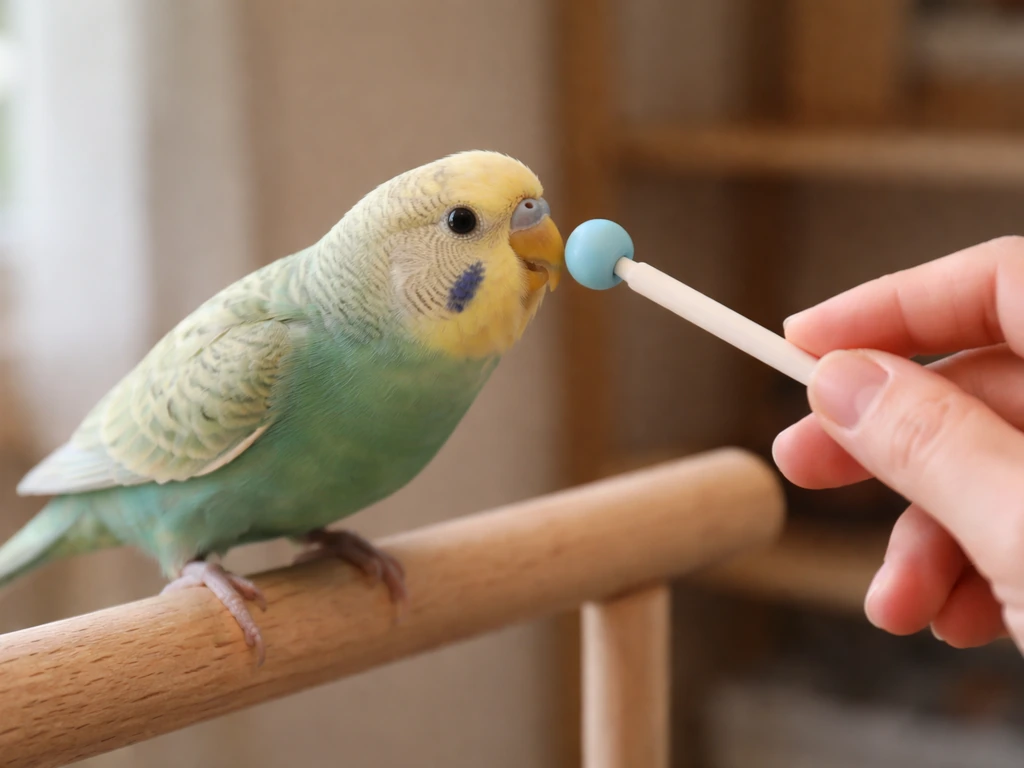
Target training teaches your bird to touch a specific object (a chopstick tip, a pen cap, a dedicated training stick) with their beak. blank" rel="noopener noreferrer">The Gabriel Foundation and Parrots.org both frame this as a foundational skill that then transfers into recall, station training, and behavior shaping. Here's how to run a beginner target session:
- Hold the target stick 1-2 inches from your bird's beak. Wait. Most birds will investigate it out of curiosity.
- The moment your bird's beak touches the target, say 'yes' (or use a clicker) and immediately offer a small, high-value treat.
- Repeat 5-8 times, then end the session. Keep sessions to 5-10 minutes maximum.
- Over the next few sessions, gradually move the target to different positions — to the left, to the right, slightly above or below — so your bird starts following it.
- Once your bird is reliably touching the target wherever it goes, you can use it to guide them onto a perch, onto your hand, or between rooms (recall).
Treats should be tiny, a sunflower seed sliver, a small piece of millet, a micro-bit of fruit. You want your bird motivated but not full after three repetitions. The best training sessions happen just before a regular mealtime when your bird is slightly hungry and treat-motivated.
Step-up training
Step-up is the single most practical skill your bird can have. It makes handling, moving between spaces, and vet visits dramatically easier. If your bird bites hands, Lafeber recommends starting with stick training (teaching the bird to step onto a perch or dowel rather than your finger) as a safe intermediate step. Once your bird is confident stepping up on the stick reliably, transition slowly to your finger by shortening the stick over sessions until the stick is basically your hand.
Recall training
Recall (flying or walking to you on cue) is a more advanced skill but deeply rewarding to teach. Once your bird is solid on target training, introduce a verbal cue ('come here,' 'fly,' or a whistle) as you present the target from a short distance. Reward heavily when they close the distance. Build distance very gradually over weeks. This is also a safety behavior, a bird that recalls reliably is a much safer fully-flighted bird.
What works for different species
Not every activity fits every bird. A great activity for a sociable cockatiel can completely overwhelm a shy finch. Here's a practical breakdown by the most common pet bird groupings:
| Bird Type | Best Activities | Handling Notes | Avoid |
|---|---|---|---|
| Large parrots (macaws, cockatoos, African Greys, Amazons) | Target training, recall, complex foraging puzzles, trick training, shared time on a play stand | Can be handled directly; benefit from structured sessions with clear cues and endings | Long unstructured out-of-cage time without engagement; overstimulation near end of session |
| Medium parrots (conures, caiques, Seneagls, lovebirds) | Target training, foraging toys, paper shredding, step-up practice, music/dance | High energy; shorter sessions work better; monitor for overexcitement that tips into biting | Unsupervised access to small spaces; toys with small detachable metal parts |
| Cockatiels and budgies (parakeets) | Millet foraging, mirror play (limited), gentle step-up, whistling/mimicry games, small paper toys | Generally amenable to hand training with patience; start with stick training if new | Toys sized for larger birds; overly loud environments; handling sessions over 10-15 minutes when new |
| Finches and canaries | Novel cage objects, foraging scatter feeding on cage floor, safe swings and perches, observing from nearby | These species are generally not handled; enrichment is almost entirely in-cage and observational | Forcing direct handling; overcrowded cages; removing too many perches at once during rearranging |
Age matters too. Young birds (especially those in their first year) are generally more curious and adaptable, making it the ideal window to establish training habits. Older birds can absolutely learn new skills, but they often need more patience and shorter sessions to start. A bird that was never handled young isn't a lost cause, it just means you're starting with trust-building before any formal training, which can take weeks or months depending on the individual.
When things go wrong: troubleshooting common problems
Your bird refuses treats during training
First, check timing. Is your bird being trained right after a meal? Try sessions before feeding. Second, check the treat itself, some birds are picky and will only work for one or two specific foods. Experiment with millet, sunflower seeds, small pieces of apple, or a favorite pellet. Third, check stress level. If your bird is fluffed, showing wide pupils, or has body language that suggests fear, they won't take food no matter what you offer. End the session calmly and try again later in a quieter moment.
Biting during handling or play
Biting is almost always communication, not aggression for its own sake. PetMD notes that biting is often a sign of stress or fear, and that a sudden increase in biting warrants a vet check to rule out pain. In training sessions, biting usually means you moved too fast, the session went too long, or your bird is in a hormone-driven phase (spring is notorious for this). Drop back to a step your bird was comfortable with, shorten sessions, and never punish a bite. Punishment creates fear, which creates more biting.
Fear and avoidance of new toys or objects
Neophobia (fear of new things) is completely normal in parrots especially. Don't put a new toy directly in the cage. Start by placing it on a table across the room while your bird watches from their cage or play stand. Move it closer over a few days. Then place it near the cage door. Then inside, away from perches and food. By the time it's in the cage, your bird has had time to observe it and decide it's safe. Rushing this process is the main reason birds ignore or panic over new enrichment items.
Screaming during or after sessions
Some screaming after an out-of-cage session is normal contact calling, your bird is communicating their location or asking for a response. What you don't want to do is rush back into the room every time your bird screams, because that teaches them that screaming is how they get your attention. Instead, respond to quiet or moderate vocalizations and give the cage cover (partial) or a low-stimulation period after sessions to help your bird wind down.
Feather plucking or over-preening
If you notice feather damage, the first step is always a vet visit. UC Davis, Merck, and PetMD all emphasize that feather plucking has many possible causes, including infections, skin conditions, malnutrition, and pain, not just boredom. Once medical causes are ruled out, under-stimulation is a major factor. Increasing foraging opportunities, training sessions, and structured out-of-cage time often helps, but it needs to be done consistently.
Irregular enrichment followed by long boring stretches can actually make stress-related plucking worse. Best Friends Animal Society also flags fear, loneliness, and depression as contributing emotional states, which means your bonding activities are directly relevant here, not just enrichment toys. Best Friends Animal Society also cautions against scented room fresheners, noting they can fatally damage a parrot’s respiratory system.
How to build a weekly fun and training routine
Consistency matters more than variety. If you’d like more ideas, use this approach to learn how to make bird happy with daily mental, physical, and trust-building routines. A bird that gets one unpredictable enrichment blast per week is more stressed than a bird that gets a predictable, calm 15-minute session every day. Here's a simple weekly template you can adapt:
| Day | Morning (5-10 min) | Evening (10-15 min) |
|---|---|---|
| Monday | Foraging toy refresh in cage (new wrap or tube) | Target training session — 10 reps, treat reward, clear end cue ('all done') |
| Tuesday | Proximity bonding — sit near cage, talk, offer a treat through bars | Out-of-cage play stand time with paper shredding or novel object |
| Wednesday | Mist bath or water dish enrichment | Step-up practice — 5-8 repetitions, then free time on play stand |
| Thursday | Rotate cage toys to new positions | Target training — introduce a new position or slightly farther distance |
| Friday | Foraging scatter feeding (place food in multiple spots in cage instead of one bowl) | Shared activity — bird on stand while you work or watch something |
| Saturday | New foraging toy introduced outside cage first (neophobia approach) | Recall or more advanced training if bird is ready; otherwise step-up + play |
| Sunday | Light day — just calm proximity and talking | Observation and check-in: note behavior, feather condition, droppings, appetite |
Every training session should have the same structure: a clear start (bring the bird to the play stand or get the target stick out), active engagement (repetitions with treats and verbal markers), and a clear end cue like 'all done' paired with returning the bird to their cage calmly. You can also use these ideas to learn how to exercise your bird in short, safe sessions throughout the day training session. Ending on a success, even a small one, keeps your bird's enthusiasm for future sessions high.
What to buy, what to build, and what to skip
You don't need to spend a lot. The most effective enrichment items are often free or nearly free: cardboard tubes, plain paper, untreated branches from bird-safe trees, and pine cones from areas not treated with pesticides. If you're buying toys, prioritize size-appropriate items made from natural materials (untreated wood, natural fiber rope) from reputable bird supply companies. Skip anything with small zinc or lead-based metal components, heavily dyed materials, or loose threads that could catch a toe. For training, a chopstick or a wooden dowel is a perfectly adequate target stick, there's no need for specialty equipment when you're starting out.
If your bird is struggling with any specific part of this, refusing to step up, screaming constantly, or showing signs of distress that don't improve with enrichment, working through how to make a less cooperative bird more comfortable with interaction, or learning how to keep enrichment going during work hours, are natural next areas to explore. With a predictable setup, short check-ins, and rotating toys or foraging activities, your bird can stay entertained while you are away keep enrichment going during work hours. If your bird seems difficult, you can also use a step-by-step approach for how to make a mean bird nice by starting with trust-first, pressure-free interactions. The routine above is a starting point; the best version of it is the one you actually do consistently, so keep it simple enough to maintain even on busy days.
FAQ
How do I choose the right time of day for fun things to do with my bird?
Aim for a consistent window when your bird is alert but not already agitated, many birds do best just before a usual meal so treats feel valuable. If your bird tends to get cranky in the morning or after sleep, start with a very short near-cage session first, then transition to foraging or target training only if body language stays relaxed.
What if my bird won’t touch treats during training or foraging?
Try smaller, more irresistible options, such as the tiniest sliver of millet or a micro amount of a favorite fruit, and offer it only after the exact behavior you want. Also check stress cues, if eyes are very wide, feathers are fluffed, or your bird retreats, end the session early and try again later with a lower-demand step (watching you load the toy, then brief target touches).
How long should a target training session be if my bird is losing interest?
Use a stop rule instead of a timer. If your bird hesitates, stops leaning toward the target, or becomes more bitey or vocal, end after the last successful repetition and give the “all done” cue. Ending on a good note makes the next session easier, and repeating tiny sessions is usually more effective than pushing through.
My bird bites when I offer my finger for step up, what should I do next?
Back up to the safest intermediate, stick or dowel step up, then only shorten the stick gradually until the bird is reliably stepping without rushing your hand. Avoid grabbing, cornering, or lifting the feet, those increase the chances of defensive biting, and if bites become sudden or more frequent, consider a vet check for pain or illness.
Is it safe to let my bird interact with toys when I am not in the room?
No, especially for the first weeks with any new enrichment setup. Even “safe” toys can become unsafe due to frayed rope, loosened parts, or entanglement risk, so remove toys when you leave the room and supervise until you’ve confirmed the specific toy style and materials hold up for your bird.
How do I prevent feather plucking that gets worse when I add enrichment?
Treat it like a two-part problem: rule out medical causes first, then adjust enrichment consistency. If plucking spikes when routines are irregular, switch to predictable short sessions every day, increase foraging opportunities gradually, and add calm wind-down time after out-of-cage play instead of alternating intense stimulation with long boring stretches.
What’s the best way to introduce a new foraging toy if my bird is neophobic?
Start with a “preview distance” routine: place the toy outside the cage so your bird can observe while staying in control, then move it closer over multiple days, finally offer it near the door and then farther into the play area. Put the bird in the toy’s presence before asking for any engagement, if you rush placement, you’re likely to trigger avoidance instead of curiosity.
Can I use foraging games if my bird is already on a consistent feeding routine?
Yes, and the goal is to recreate the foraging challenge, not replace nutrition. Even with two meals a day, you can add small foraging portions throughout the day (tiny amounts tied to toys or activities) so the bird works for food and gets mental payoff without overfeeding.
What should I do after screaming during out-of-cage time?
Respond strategically, reward calm or moderate vocalizations, then give a low-stimulation wind-down like partial cage cover and reduced interaction rather than instantly rushing back for every scream. The intent is to avoid teaching “scream equals attention,” while still acknowledging your bird enough that they feel secure and not abandoned.
How do I stop toys from becoming hazards as they wear out?
Do a quick check every time you remove and replace toys, look for loosened threads, fraying rope, sharp edges on wood, and detachable parts. Rotate materials but also retire items that show wear, and keep toy sizes appropriate for your species since a toy meant for a large parrot can be a choking or entanglement risk for smaller birds.
My bird refuses to step up even with stick training. Should I force handling?
Avoid forcing, instead focus on permission-based cues. Start by training step up only when your bird is already calm, position the perch so the bird can approach comfortably, and use the target as the “ask” so step up becomes a natural continuation rather than a sudden hand takeover. If refusal persists or comes with signs of pain or sudden behavior change, schedule a vet visit to rule out discomfort.
What if I work long hours and can’t do 10 to 15 minutes daily in one block?
Split the routine into mini sessions that still follow the same structure, for example a 3 to 5 minute target check-in in the morning, a short foraging setup midday, and a brief step-up bonding moment later. Predictability matters more than one long session, so keep times and expectations consistent even if the total duration is spread out.
Which birds might find these activities overwhelming, and how should I adjust?
Shyer or less-handled birds may feel overloaded by sudden out-of-cage time or too many stimulation sources. Slow down by starting near the cage, choosing lower-movement foraging setups, and keeping early sessions very brief, if your bird shows fear signs, reduce demands and rebuild trust before increasing time or complexity.
Next Article
How to Make a Mean Bird Nice: Humane Steps to Bond
Humane, step-by-step plan to reduce biting and fear in a “mean” bird with safe handling, trust building, and training ti