
If you want to work with birds, you have several real, employable career paths available right now: pet bird caretaker, wildlife rehabilitator, avian trainer, bird sitter, breeder, or education/outreach specialist. The fastest route to your first paid bird job is to pick the specific path that fits you, build hands-on handling and husbandry skills through volunteering (most facilities accept beginners), check whether your path requires a federal or state permit, and put together a short portfolio of your skills before you start applying. If you want a full, step-by-step roadmap, see the guide on how to become a bird handler for the exact sequence to follow. Here is exactly how to do each of those steps.
How to Get a Job as a Bird: Training, Wildlife, and Legal Steps

Maya Harris
6 May 2026
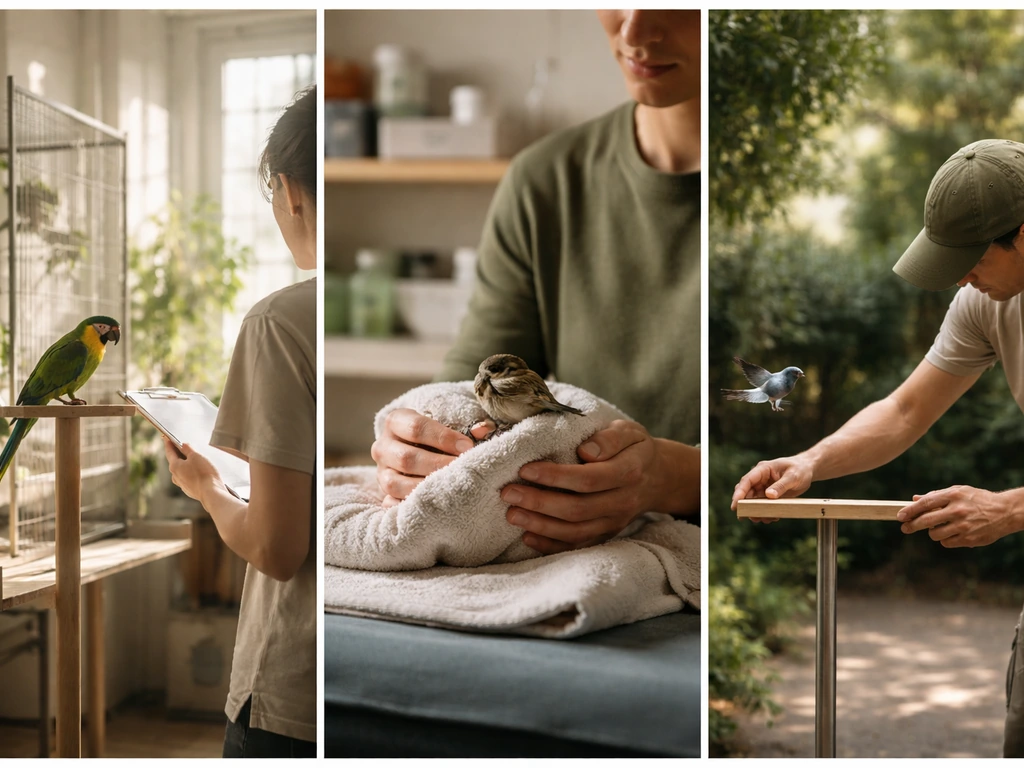
Choose the right kind of bird job first
"Bird job" covers wildly different day-to-day realities, and picking the wrong lane wastes a lot of time. There are three main branches, and each one has its own skill requirements, legal landscape, and hiring pipeline.
| Path | Typical Employers | Core Skills Needed | Permits Required? |
|---|---|---|---|
| Pet bird caretaker / sitter / groomer | Pet shops, boarding facilities, private owners | Species husbandry, taming, basic health checks | Usually none (varies by state) |
| Wildlife rehabilitator | Licensed rehab centers, sanctuaries, nonprofits | Wild-bird handling, triage, federal/state compliance | Yes — federal + state permits required in the U.S. |
| Avian trainer / behavior specialist | Zoos, aquariums, bird shows, private clients | Positive-reinforcement training, behavior observation | Often none unless working with migratory/wild species |
| Aviculture / breeding / sanctuary work | Private breeders, parrot rescues, conservation orgs | Breeding protocols, flock management, nutrition | Varies — CITES-listed species require documentation |
| Education / outreach / ambassador-bird programs | Nature centers, schools, museums, zoos | Public speaking, safe handling for demos, calm temperament | Depends on species used |
Pick one branch as your primary target. You can always cross over later, but employers want to see focused experience, not a scattered resume. If you love parrots and want to help with taming and behavior, aim for the trainer or caretaker path. If you are aiming to become a bird trainer, start by building the positive-reinforcement handling skills this guide covers and then document your hours. If wild birds call to you, aim for rehabilitation. Once you have your lane, the rest of this guide maps out exactly what you need.
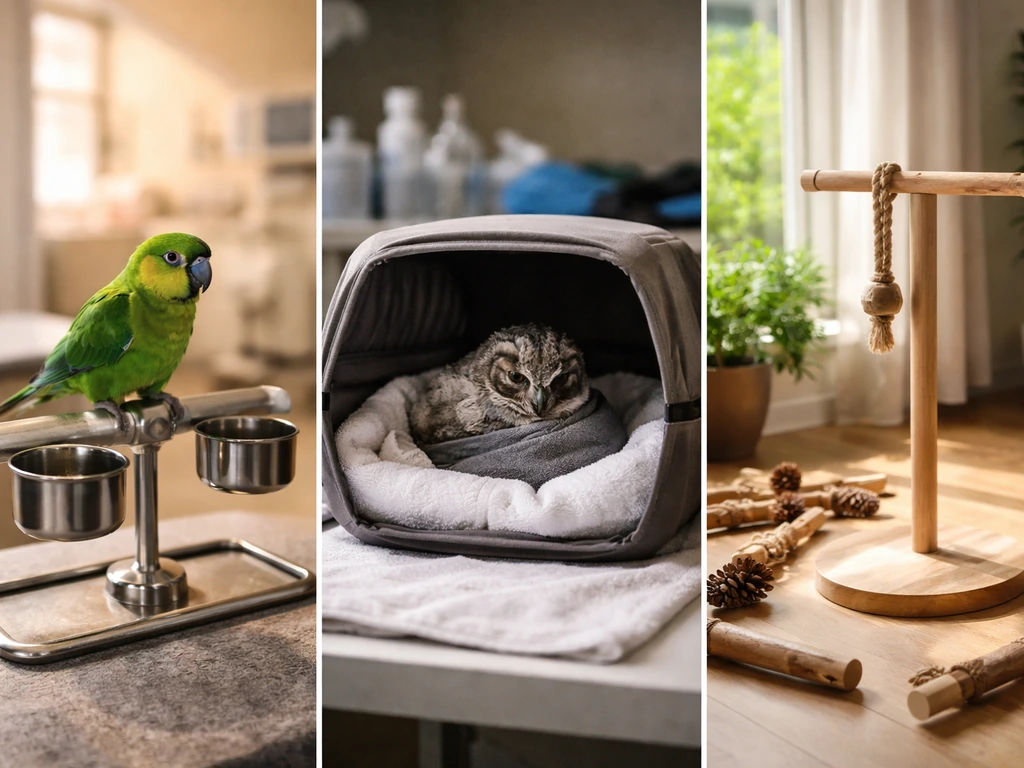
Get the basics: species knowledge, husbandry, handling, and humane training
No matter which path you choose, every bird employer will expect you to walk in with a working knowledge of at least a few species, solid husbandry habits, safe handling technique, and a welfare-first mindset. If you want your bird to function as a service animal, you should focus on training for reliable public access behaviors and talk with an attorney or local disability-rights organization about the rules where you live. These are non-negotiable from day one.
Species knowledge
Start with the species most common to your target path. For pet-bird work, that means parrots (especially budgies, cockatiels, conures, African greys, and amazons), doves, and finches. For wildlife rehab, focus on the native passerines, raptors, and waterfowl most common in your region. Study each species' natural behavior, social structure, diet, vocalization cues, and stress signals. A bird flattening its feathers, rapidly bobbing its tail, or panting is telling you something is wrong. Recognizing those signals quickly is what separates a safe handler from a dangerous one.
Husbandry fundamentals

- Appropriate diet by species (pellets vs. seed, fresh foods, toxin awareness)
- Enclosure sizing, perch diameter, substrate, and enrichment standards
- Daily health checks: weight monitoring, droppings assessment, feather condition
- Hygiene protocols: cage cleaning schedules, food and water sanitation, zoonotic disease basics (psittacosis, avian influenza awareness)
- Basic first aid: recognizing crop impaction, respiratory distress, feather destruction, and when to call a vet immediately
Handling and humane training skills
Handling skill is what gets you hired and keeps you safe. Learn to read body language before you touch any bird. Practice step-up and step-down cues, towel restraint for veterinary handling (low-stress technique, not force-based), and how to exit an interaction before a bird becomes stressed. On the training side, every serious bird employer expects you to work within a positive-reinforcement framework. IAATE (the International Association of Avian Trainers and Educators) calls for a least-intrusive, most-positive, effective hierarchy when selecting behavioral procedures, meaning you exhaust positive options before anything more assertive. That philosophy needs to be second nature. Learn target training, station training, and basic conditioning using food or preferred-item reinforcers before you apply anywhere.
Build experience fast: volunteering, internships, and apprenticeships
Paid bird jobs almost always require hands-on experience, and the fastest legal way to get it without being hired first is to volunteer. Most licensed wildlife rehab centers, parrot rescues, zoos, and nature centers actively need unpaid help, and they will teach you on the job.
- Contact your nearest licensed wildlife rehabilitation center. Most accept volunteers with zero experience and will walk you through intake, feeding, and housing protocols under supervision. Even one shift per week builds your resume fast.
- Reach out to parrot rescues and bird sanctuaries. These organizations often run on skeleton staff and welcome committed volunteers. You will handle a wide variety of species and temperaments in a short time.
- Apply for zoo or nature center internships. Many zoos offer seasonal or semester-based internships in their avian departments. These are competitive but look excellent on applications.
- Find an apprenticeship with an avian trainer. If you want to go the trainer route, look for an established trainer willing to let you shadow or assist. IAATE's member directory is a good starting point for finding professionals in your area.
- Offer to help a licensed aviculturist or parrot breeder. Even unpaid work managing feeding, cleaning, and record-keeping gives you direct husbandry experience that employers recognize.
- Practice at home with your own birds or with birds owned by friends and family, documenting your training sessions with short videos. This becomes portfolio content.
Aim for at least 100 to 200 hours of documented hands-on experience before applying for paid positions. Keep a simple log: date, facility or setting, species handled, tasks completed. This log becomes a skills inventory you can reference in your resume and interviews.
Certifications, licensing, and legal requirements
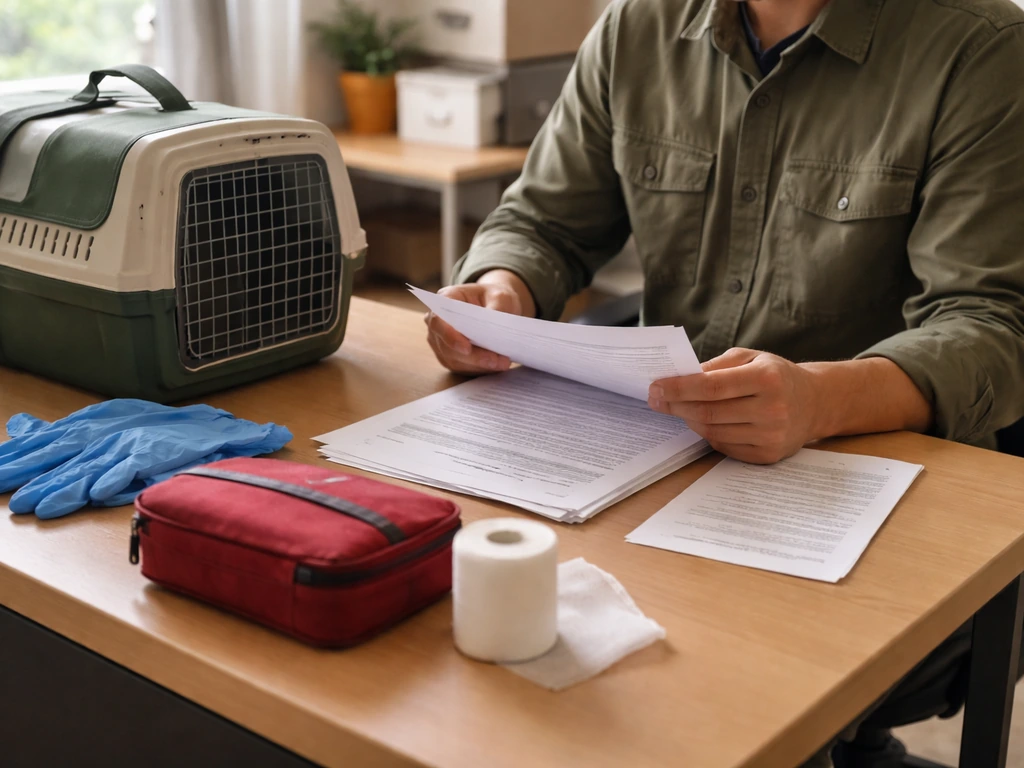
This section matters most if you want to work with wild birds, because the legal requirements are strict and violations carry real penalties. Pet-bird work is much less regulated, but wildlife and rehabilitation work is a different world entirely.
Wildlife rehabilitation permits in the U.S.
Under 50 CFR § 21. 31, you generally need a federal rehabilitation permit to take, temporarily possess, or transport migratory birds for rehabilitation purposes. The U. S.
Fish and Wildlife Service (USFWS) administers this through Form 3-200-10b, which is the specific application for a Migratory Bird Rehabilitation permit. That permit authorizes you to take, transport, and temporarily possess sick, injured, and orphaned migratory birds. Critically, USFWS is explicit: your federal permit is only valid if you also hold the required state permit in states that require one for possession for rehabilitation.
So you need to check both your federal and your state requirements, they run in parallel, not instead of each other. Start at the USFWS website and then contact your state's fish and wildlife agency directly to find out what your state requires.
Working under a licensed rehabilitator (the legal fast track)
You do not need your own permit to volunteer or work as a paid assistant under a licensed rehabilitator. In fact, this is the standard starting point for most people in wildlife rehab. You gain legal hands-on experience with wild birds while the permit holder takes regulatory responsibility. Once you have enough experience and meet the hour and knowledge requirements in your state, you can apply for your own permit.
Avian trainer certifications
For the training and behavior path, the most recognized credential is the Certified Professional Bird Trainer – Knowledge Assessed (CPBT-KA), blank" rel="noopener noreferrer">administered by the International Avian Trainers Certification Board (IATCB). The process is straightforward: submit your application and fee, receive a confirmation number, locate a testing center, book your exam appointment, and pass. It is not required for every job, but it signals seriousness to employers and aligns with the blank" rel="noopener noreferrer">welfare-first standards that IAATE promotes. For beginners, working toward the CPBT-KA gives you a structured study path while you are still building experience.
Other credentials worth considering
- National Wildlife Rehabilitators Association (NWRA) or International Wildlife Rehabilitation Council (IWRC) courses and exams — widely respected for wildlife rehab roles
- Basic avian first aid courses (many are offered online or at veterinary tech schools)
- Fear Free certification (originally for veterinary settings, increasingly valued in bird handling contexts)
- Species-specific keeper training if targeting zoos or AZA-accredited facilities
How to search and apply: resumes, portfolios, and networks
Where to find bird jobs
- IAATE's job board and member network (strong for avian trainer roles)
- AZA (Association of Zoos and Aquariums) career center (zookeeper and animal care positions)
- Indeed, LinkedIn, and Idealist filtered by keywords like "avian care," "wildlife rehabilitator," "bird trainer," "parrot rescue," and "bird keeper"
- Local parrot clubs, bird societies, and Facebook groups — many small jobs and gigs are posted here before they hit job boards
- Direct outreach to wildlife rehab centers, sanctuaries, and pet bird shops in your area
- Networking through your volunteer shifts — the person who trained you is often the person who hires you or refers you
Build a bird-specific resume
Your resume should lead with your most relevant bird experience, even if it was unpaid. Use a skills section that names specific species you have handled, training methods you use (positive reinforcement, target training, station training), and husbandry tasks you can perform confidently. Quantify where possible: "Volunteered 150+ hours at XYZ Wildlife Rehab Center, assisting with intake and care of raptors, songbirds, and waterfowl." If you have any certifications or completed coursework, list them prominently.
Create a skills portfolio

A short video portfolio sets you apart from every other applicant who just lists skills on paper. Record short clips (30 to 90 seconds each) showing a target-training session, a step-up cue, a low-stress towel restraint, or a feeding and enrichment routine. Add still photos of birds you have worked with, enclosures you have set up, or rehab housing you have helped manage. Host it on a simple Google Drive folder, YouTube channel, or basic website and include the link in your resume and cover letter. Employers in this field respond very well to visual proof of skill.
Secure strong references
The best references for bird jobs are people who have watched you handle birds directly: your volunteer supervisor at a rehab center, a trainer you shadowed, a rescue coordinator, or a licensed rehabilitator you assisted. Ask for their reference before you start applying, give them a copy of your resume so they can speak to specific experiences, and let them know which type of role you are targeting so they can tailor what they say. A reference who can describe exactly how you handled a stressed cockatoo or managed a raptor enclosure is far more compelling than a general character reference.
Interviewing: show welfare-first handling and safety in action
Bird job interviews often include a practical component or scenario-based questions designed to assess whether you actually understand welfare and safety, or just say the right words. Here is how to prepare.
Common interview questions and how to answer them
- "How do you handle a bird that is biting or showing aggression?" — Describe reading body language early, giving the bird an exit, removing the trigger, and never punishing. Mention the positive-reinforcement hierarchy.
- "What do you do if a bird in your care seems unwell?" — Explain your health-check routine, what signs you look for, when you isolate, and when you escalate to a veterinarian immediately.
- "Have you ever been bitten or scratched? What happened?" — Answer honestly. Describe what you learned and how you changed your approach. Employers want self-awareness, not perfection.
- "What training methods do you use and why?" — Lead with positive reinforcement, explain why it is more effective long-term and less stressful for the bird, and give a specific example.
- "How do you keep yourself and others safe when handling an unfamiliar bird?" — Cover taking time to observe first, using appropriate protective gear when warranted, controlling the environment, and moving slowly.
If there is a hands-on skills test
Some facilities will ask you to demonstrate a handling or training skill on the spot. Move slowly, narrate what you are doing and why, and prioritize the bird's comfort over speed. If you are not comfortable with the specific bird or situation they present, say so calmly and explain what you would do to prepare. Saying "I want to take a few minutes to observe this bird before I approach" is exactly the kind of answer a welfare-focused employer wants to hear.
Career paths, pay, and realistic expectations
Bird-related jobs span a wide pay range depending on the path, employer type, and location. Wildlife rehabilitation is predominantly nonprofit work, and entry-level positions (where they exist at all) often pay in the $15 to $22 per hour range in the U. S. in 2026.
Zookeeper roles at AZA-accredited facilities average around $35,000 to $50,000 annually for experienced keepers, with supervisory roles higher. Avian trainers at zoological facilities or bird shows can earn comparable salaries, with senior trainers or those with strong CPBT credentials commanding more. Pet-bird caretaker and bird-sitting work is often hourly or contract, and can be run independently as a small business.
To learn how to become a bird sitter, focus on the same fundamentals: safe handling, species knowledge, and building references from real experience. Breeding and aviculture income varies enormously.
A realistic career ladder for each path
| Path | Entry Role | Mid-Level Role | Senior / Specialized Role |
|---|---|---|---|
| Wildlife rehab | Volunteer / rehab assistant (under a permit holder) | Staff rehabilitator / permitted rehabilitator | Rehab director, wildlife center manager |
| Pet bird caretaking | Bird sitter, shop assistant, rescue volunteer | Lead caretaker, rescue coordinator | Sanctuary manager, boarding facility owner |
| Avian training | Training intern / volunteer trainer assistant | Staff trainer, CPBT-KA certified trainer | Head trainer, behavior consultant, education coordinator |
| Aviculture / breeding | Breeding assistant, husbandry volunteer | Aviculturist, flock manager | Conservation breeding coordinator, species studbook keeper |
| Education / outreach | Volunteer educator, program assistant | Education coordinator, ambassador-bird handler | Director of education, interpretive program designer |
Alternative entry roles worth considering
If paid bird positions are scarce in your area right now, there are adjacent roles that build directly transferable skills and can even pay better while you build your bird-specific credentials. Veterinary technician or assistant positions at avian or exotic animal practices give you clinical bird experience and often sponsor continuing education. Animal control officers sometimes handle wild birds and can work toward rehab permits on the side.
If your long-term goal is how to become a bird of prey handler, use the same approach here: volunteer hours, document handling skill, and then pursue the permits or supervised work that your region requires. Pet store staff with a bird specialty, dog trainers with a strong conditioning background, and biology or ecology field technicians who do bird surveys all build skills that cross over.
The goal is to stay close to birds in some capacity while you work toward your target role.
Your action plan starting today
- Choose your primary path (pet-bird caretaker, wildlife rehab, trainer, aviculture, or education) and research the three closest employers in that niche in your region.
- Contact at least one wildlife rehab center and one parrot rescue or bird sanctuary this week to ask about volunteer opportunities.
- Audit your current bird knowledge: list the species you have handled, the training methods you know, and any husbandry tasks you have performed. Identify the gaps.
- Check your federal and state permit requirements if you are pursuing wildlife work — start at the USFWS website and contact your state fish and wildlife agency.
- Begin studying for the CPBT-KA if trainer work is your goal, or look into NWRA/IWRC courses if rehab is your path.
- Start recording short training or handling videos whenever you work with birds. Even beginner footage builds your portfolio over time.
- Draft a bird-focused resume this week, even if it is mostly volunteer experience and skills. Having it ready means you can apply the moment something opens up.
The bird welfare field is tight-knit and relationship-driven. Most people who land good bird jobs got there because someone they volunteered with trusted them enough to make a call. Show up consistently, handle birds with patience and care, and keep learning, that combination moves faster than any credential alone. If you are specifically looking for an emotional support bird, the most reliable starting point is learning what qualifies you for an ESA and then finding a bird you can safely care for long term.
FAQ
Do I need experience with specific bird species before applying, or can I start with any birds?
Employers usually want species familiarity that matches the role. If you are applying for wildlife rehab, prioritize native species in your region first, even if your handling skills come from pet-bird experience. For training jobs, start with the common species your target employer works with, but you can broaden later if you document consistent positive-reinforcement results across multiple birds.
What if I cannot find a volunteer position at a licensed rehab center right away?
Look for adjacent training and husbandry volunteer opportunities, such as parrot rescues, education programs at nature centers, zoo husbandry internships, or bird specialty events that involve supervised care. If you do wildlife-related work, ensure you are covered under the permit holder's responsibility, and never transport or possess wild birds unless you are explicitly authorized for that activity.
How do I avoid accidentally doing something illegal when helping with wild birds as a beginner?
Treat “found a bird” as a trigger to ask, not act. Contact your state fish and wildlife agency or a permitted rehabilitator before taking custody, especially for migratory species. Even if pet-bird rules seem relaxed, state and federal wildlife rules often restrict transport, possession, and rehabilitation activities.
Can I get hired faster if I have a lot of bird knowledge but limited hands-on hours?
Hands-on hours typically decide whether you get an interview, because employers must trust you with safety and welfare under real conditions. If you have limited handling time, compensate by documenting observational time plus supervised tasks, for example, feeding preparation, enclosure cleaning under guidance, intake notes, and low-stress handling practice where the mentor controls the interaction.
What should I log to make my volunteer hours actually useful for employers?
Track tasks that map to job duties, not just “helped.” Include intake support, diet and hydration routines you assisted with, enrichment preparation, cleaning and sanitation tasks, flock management responsibilities, and any handling you performed under supervision. A simple log becomes stronger when you include the number of birds and the types of procedures you assisted with.
Is the CPBT-KA worth it if the job does not explicitly require certification?
It is most valuable when you are early-career and need a credible learning framework that shows consistency with welfare-first methods. If an employer hires heavily on demonstrated handling and references, the certification alone will not substitute for video, log hours, and a practical interview. Aim to test after you have enough experience to perform the behaviors you studied.
What kind of video portfolio gets the most traction, and what should I avoid?
Show repeatable behaviors and welfare-safe technique, for example, a full target-training session with clear reinforcement timing, a step-up cue sequence, and a calm feeding and enrichment routine. Avoid shaky footage, long unrelated bird time without skill execution, and any video that includes force-based restraint or distress, since employers often interpret it as a mismatch with their training philosophy.
How should I describe positive-reinforcement methods if I do not use technical jargon?
Use clear, concrete descriptions tied to outcomes. For example, say how you set up cues, when you delivered reinforcement, how you managed fear or stress, and how you ended sessions before escalation. If you mention specific techniques like target training or station training, briefly describe the procedure you used and what changed in the bird’s behavior.
What if an interview scenario puts me in front of an unfamiliar bird?
You can stand out by slowing down and clarifying safety steps. Ask to observe first, identify the bird’s stress signals, and explain your plan for approach and first interaction. If you would need training or a mentor for that specific species or situation, say so calmly and specify how you would prepare next time (for example, shadowing first or reviewing the handling protocol).
For pet-bird caretaker jobs, what are employers most likely to verify beyond your skills?
They often check reliability and medication or diet discipline. Be ready to explain how you handle species-specific feeding schedules, how you track weight or appetite changes, and what you do if a bird shows early stress. If you have worked with birds on special diets or enrichment plans, mention the routine you followed and how you documented changes for the owner.
How can I prepare for the most common reference request and make references more specific?
Provide your references with a one-page “role target” summary and a bullet list of the exact tasks you want them to speak about, for example, intake care, low-stress restraint you performed, or training results you observed. Ask for their permission to include their name and ensure they can describe one concrete example, ideally with species and what you did step-by-step.
If I want to work with service or assistance birds, what is the first practical step?
Start by defining the exact role you want (public access behavior training vs. care support) because requirements can differ. Have a conversation with a qualified local disability-rights organization early, so you know what boundaries apply in your area, then build proof of reliable behavior in real-world settings, not just at home.