
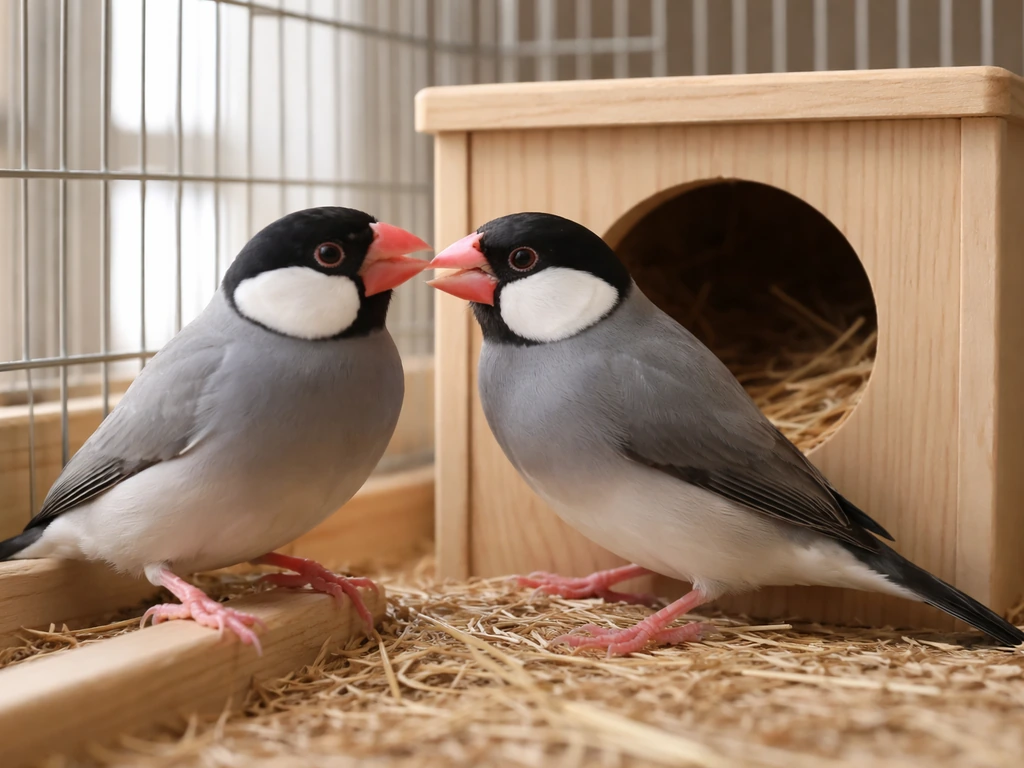
Java sparrows (Lonchura oryzivora, also called Java finches or Java rice birds) are rewarding birds to breed at home. With the right setup, a compatible pair will lay 4 to 7 eggs per clutch, incubate them for roughly 13 to 15 days, and raise their chicks with surprisingly little intervention from you. The key is getting the fundamentals right before the eggs arrive: a stable environment, healthy breeding stock, the correct nest and diet, and a clear plan for what to do if something goes wrong.
Java Bird Breeding Tips: Step-by-Step Guide

Maya Harris
11 May 2026
Meet Java Breeding Goals and Basic Setup
Before you pair any birds, decide what you actually want from breeding. Are you producing birds for companionship, for showing, for color mutations, or simply to support a healthy captive population? Your goal shapes everything from the cage size you need to how hands-on you get during chick rearing. For a beginner, the most realistic first goal is one successful clutch raised to weaning, with both parents doing most of the work.
Java sparrows are native breeders in Java, Bali, and Bawean, and in captivity they breed best when their environment mimics the warmth and stability of that range. A breeding pair needs a minimum of a 24-inch wide cage, though a flight cage of 36 inches or more gives them room to exercise and reduces stress-related aggression. Keep the room temperature between 68 and 80 degrees Fahrenheit and avoid drafts. Humidity around 50 to 60 percent helps egg development and chick health, especially during incubation.
Lighting matters too. Aim for 12 to 14 hours of light per day to trigger and sustain breeding condition. A simple outlet timer on a full-spectrum bird light does the job reliably. Reduce disruptions near the cage during breeding season: loud noises, sudden movements, and frequent visitors can cause pairs to abandon eggs or chicks.
- Minimum cage size: 24 inches wide for a pair; 36+ inches preferred
- Temperature: 68 to 80 degrees Fahrenheit, stable
- Humidity: 50 to 60 percent
- Lighting: 12 to 14 hours daily with a timer
- Low-traffic location, away from other pets and household noise
- Clean water changed daily; no stagnant water near nesting area
Selecting Breeding Stock and Assessing Health
Start with birds that are at least 12 months old. Java sparrows can technically breed younger, but pairs that are too young often produce infertile eggs or abandon nests. Aim for birds between 1 and 4 years old for the most reliable results.
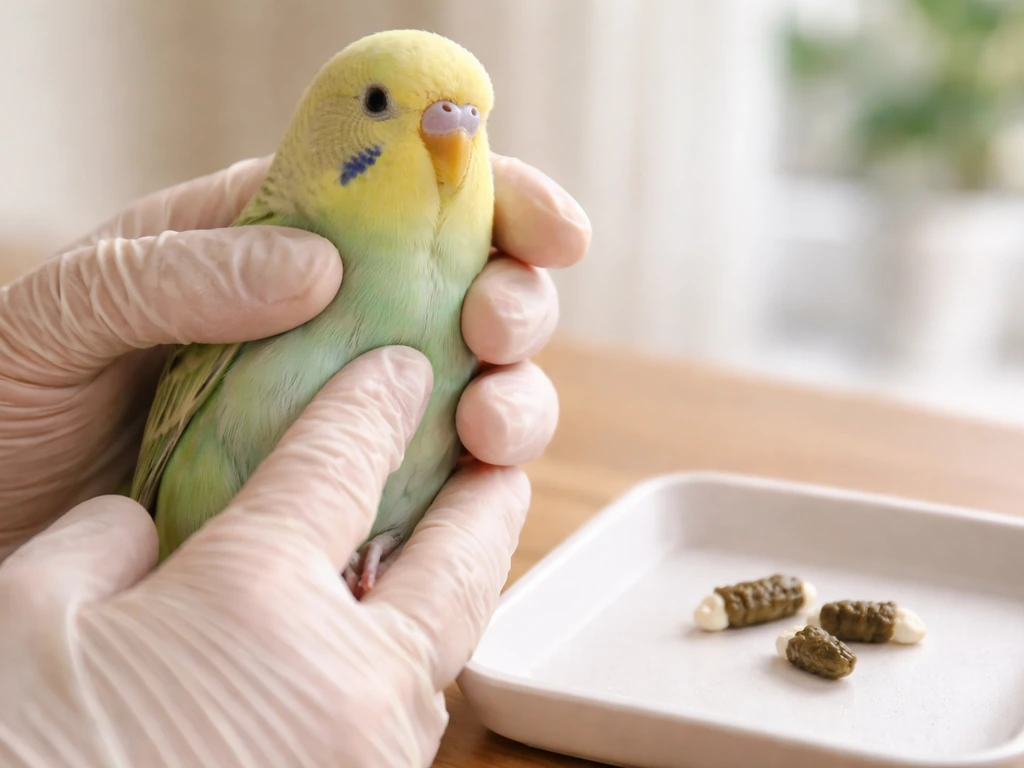
When you assess a potential breeding bird, look at the whole animal, not just the feathers. A healthy Java sparrow holds its feathers smooth against its body while resting, has bright, alert eyes, breathes silently through its beak closed, and shows a rounded keel (breastbone) with good muscle mass on either side. Avoid birds that are fluffed at room temperature, have discharge around the eyes or nares, make clicking or wheezing sounds, or sit low on the perch. These are early signs of respiratory illness or systemic stress, and a sick bird should never be introduced into a breeding setup.
Source birds from a reputable aviary or breeder who keeps records of parentage if you plan to work with color mutations or manage a small gene pool. If you are buying from a pet store, quarantine new arrivals for at least 30 days in a separate room before introducing them to resident birds. This single step prevents most disease introductions.
A pre-breeding vet visit is worth the cost, especially for first-time breeders. A basic fecal float and a physical exam can catch parasites or subclinical infections that would undermine your breeding season before it starts. Keep documentation of any treatments; this is especially important if you are involved in wildlife rehabilitation or are working with birds subject to local permit requirements.
Quick Health Checklist Before Pairing
- Age: 12 months minimum, ideally 1 to 4 years
- Body condition: rounded keel, smooth feathers, clear eyes
- No respiratory sounds at rest
- Normal droppings: firm dark part with white urates and small liquid component
- 30-day quarantine for any new bird
- Pre-season vet check recommended, especially for new breeders
Pairing, Courtship, and Behavioral Troubleshooting
Java sparrows are socially monogamous and tend to form strong pair bonds, which is one of the reasons they are so satisfying to breed. If you are also looking for love bird breeding tips, the same focus on stable conditions and compatible pairing will help you plan a smoother season strong pair bonds. In captivity, introduce a potential pair in a neutral cage, meaning one neither bird has lived in before. This prevents territorial aggression from a resident bird toward a newcomer.
Courtship in Java sparrows is unmistakable once you know what to look for. The male dances: he bobs up and down on the perch, fluffs his chest feathers, and sings a soft, rolling call toward the female. If the female crouches and allows the male to approach closely, that is a positive sign. If she repeatedly moves away, chases him off, or both birds are in constant conflict after 5 to 7 days, they are likely incompatible and you need to try a different pairing.
Never force a pair to stay together if there is sustained aggression. Injuries happen fast with finches and can become infected quickly. Separate them, give both birds a few weeks of recovery in their own space, and try introducing one of them to a different partner. Compatibility is genuinely individual with this species.
Troubleshooting Pairing Problems
| Problem | Likely Cause | What to Do |
|---|---|---|
| Persistent chasing and feather pulling | Incompatible pair or wrong sex ratio | Separate birds immediately; confirm sexes; try new pairing |
| Male dancing but female ignores him | Female not in breeding condition | Improve diet, adjust lighting to 14 hours, wait 2 to 3 weeks |
| No courtship at all after 2 weeks | Stress, illness, or true incompatibility | Health check both birds; try a different partner |
| Pair bonded but no eggs after 4 weeks | Nesting material or nest box absent; diet deficiency | Add nest box and material; increase egg food and calcium |
Nesting, Eggs, and Incubation Management
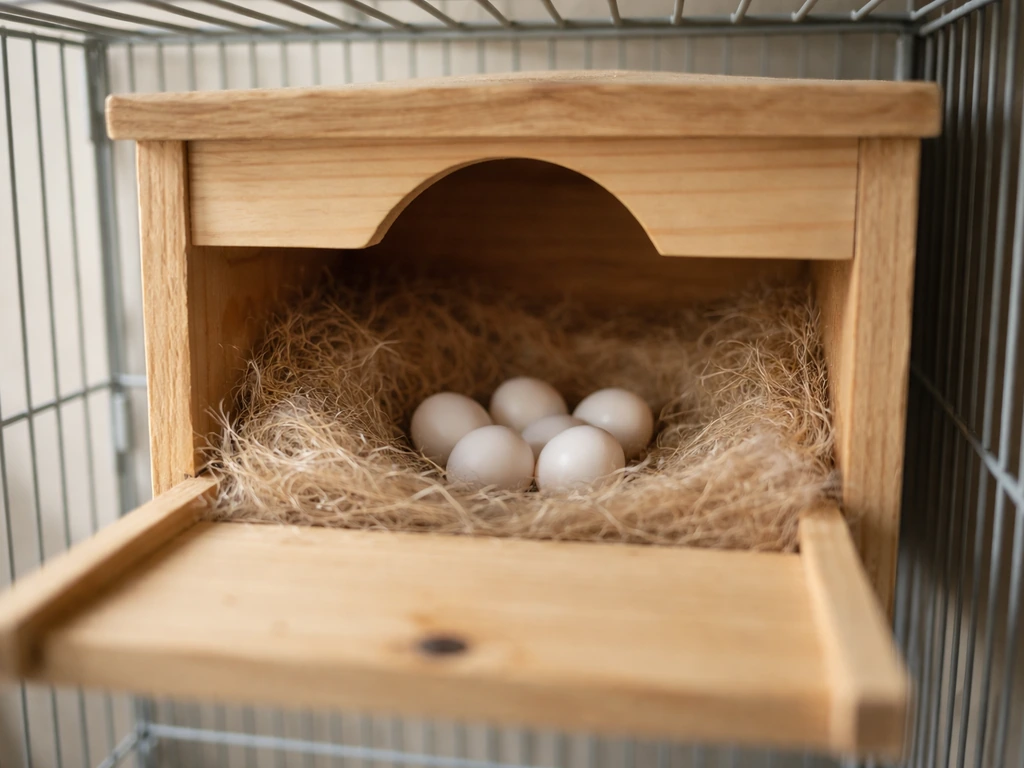
Java sparrows are cavity nesters in the wild and do best with a covered nest box in captivity. A finch-sized wooden box (roughly 6 by 6 by 8 inches) mounted high in the cage works well. Offer nesting material like dried grass, coconut fiber, and soft feathers so the pair can arrange the nest to their preference. Do not pack the nest for them; let them do it. Birds that build their own nest are more likely to incubate and brood reliably.
blank" rel="noopener noreferrer">Clutch size ranges from 3 to 8 eggs, with 4 to 7 being the most common in well-conditioned pairs. The female typically begins serious incubation after the third or fourth egg is laid, and both parents share incubation duties. blank" rel="noopener noreferrer">Incubation runs 13 to 15 days from the start of consistent sitting. Mark your calendar when you first notice both birds sitting tightly in the nest box so you can track expected hatch dates. If you are wondering how to get bird eggs, start by tracking your laying and incubation timeline so you know what to expect next.
Minimize nest checks. One brief, calm check every two or three days is plenty. Use a small flashlight and look quickly. Frequent disturbance is one of the top reasons pairs abandon eggs. If you need to candle eggs to check fertility, do it around day 7 using a small LED candler in a dark room. A fertile egg will show a visible spider-web of red blood vessels. A clear egg at day 7 is likely infertile.
If you choose artificial incubation because the pair abandoned the nest, set your incubator to 99 to 100 degrees Fahrenheit with humidity around 50 to 55 percent for the first 11 days, then raise humidity to 65 to 70 percent for the final lockdown period before hatch. Even a 1-degree deviation held for several hours can reduce hatch rates significantly, so use an incubator with a reliable thermostat and verify it with a calibrated thermometer, not just the built-in display.
Feeding Regimen for Breeding Birds and Chicks
A maintenance seed diet is not enough for breeding Java sparrows. From about two weeks before pairing through weaning, both adults need a significantly upgraded diet to support egg production, incubation energy demands, and chick feeding. The good news is the additions are simple and affordable.
The core of the diet stays a quality finch seed mix, but you add to it daily. Egg food (a cooked egg-based soft food available commercially or made at home with hard-boiled egg and breadcrumbs) is the single most important supplement. It provides the protein and fat that breeding birds and growing chicks need. Offer it fresh every morning and remove uneaten portions after a few hours to prevent spoilage.
Calcium is critical, especially for the laying female. A cuttlebone clipped to the cage wall and a small dish of crushed oyster shell give her what she needs to form strong eggshells and recover between clutches. A female that lacks calcium is at elevated risk of egg binding, which is a genuine emergency.
- Quality finch seed mix: available at all times
- Egg food: fresh portion offered every morning during breeding and chick-rearing
- Cuttlebone: always available in the cage
- Crushed oyster shell or mineral block: offered in a small dish
- Fresh greens (spinach, chickweed, sprouted seeds): small amount daily
- Clean fresh water: changed daily, more often in warm weather
Chick Diet From Hatch to Weaning
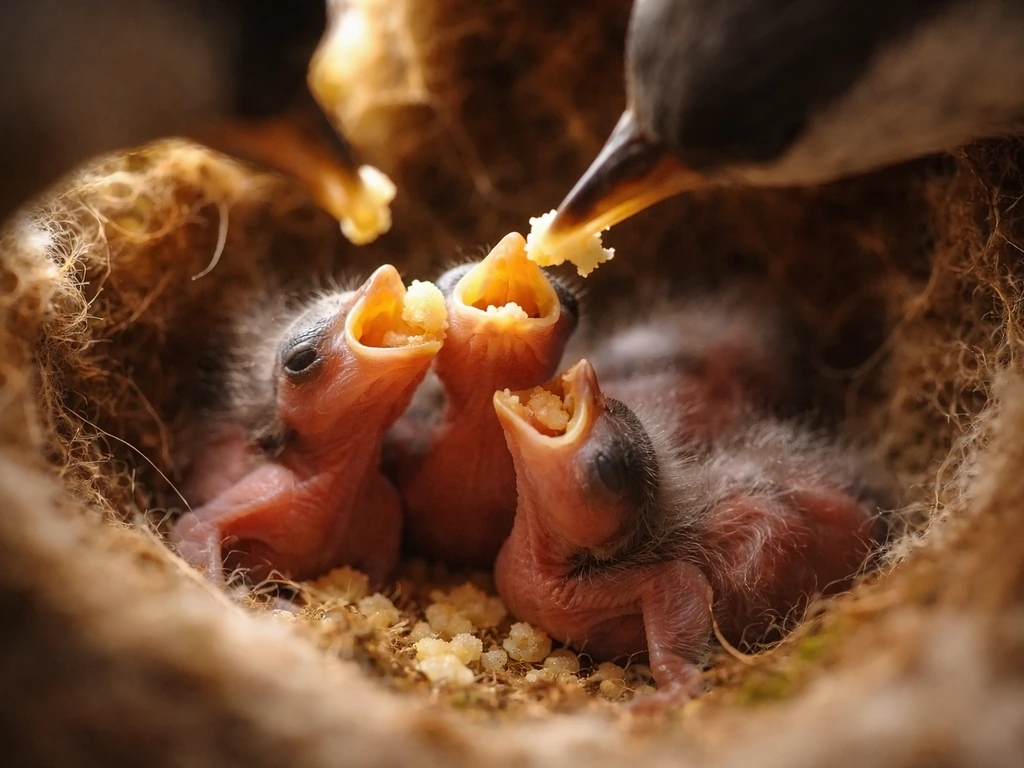
If the parents are feeding the chicks, your job is to make sure the adults always have egg food and soft foods available. Parent-fed chicks do better in almost every measurable way compared to hand-fed chicks, so support the parents rather than intervening unless there is a clear problem. Chicks fed by healthy parents in a well-stocked cage rarely need any supplement beyond what the adults carry to the nest.
If you need to hand-feed because the parents have rejected a chick or cannot keep up, start within roughly 6 hours of hatching. Use a commercial finch or softbill hand-rearing formula mixed to the consistency recommended on the package for the chick's age (thinner for newborns, thicker as they grow). Warm the formula to around 104 to 106 degrees Fahrenheit, no hotter. Check the temperature on your wrist before every feeding. Do not feed a chick that is not actively begging and showing a strong feeding response; the risk of aspiration is real and serious.
Feed every 1.5 to 2 hours during daylight hours for the first week, reducing gradually as the chick grows. Always confirm the crop has emptied before the next feeding. A full, distended crop that has not moved in 4 or more hours signals a problem (sour crop, chilling, or wrong formula consistency) that needs immediate attention. Three signs of a healthy hand-fed chick: vigorous begging response, crop emptying on schedule, and regular droppings.
Hatching, Chick Rearing, and Weaning
Hatch usually happens over one to two days within the 13 to 15 day window. You will hear faint peeping from inside the nest box before you see anything. Resist the urge to check constantly. The chicks are wet and exhausted when they hatch and need quiet, warmth, and their parents' attention more than yours.
Java sparrow chicks open their eyes at around 7 to 10 days and begin developing pin feathers shortly after. They are fully feathered and fledge from the nest at roughly 3 to 4 weeks old. At this point they will be hopping around the cage and beginning to sample seed on their own, but they still depend on the parents for most of their food.
Weaning is complete when the chicks are eating independently and the parents are no longer actively feeding them, typically around 5 to 6 weeks of age. Do not rush it. Separating chicks too early leads to poor condition and stress. Once weaned, move the juveniles to their own cage so the adults can rest before the next clutch. Two clutches per season is a reasonable and humane limit for most pairs; pushing for more depletes the female's body condition and increases egg binding risk.
Common Problems, Humane Interventions, and Next Steps
Even with good preparation, things go wrong. Here is how to recognize the most common problems and respond to them calmly and effectively. If you specifically want to raise emu birds for meat, oil, or breeding stock, start by learning the basics of an emu farm setup and daily care routine how to start emu bird farming. If your goal is how to increase bird population overall, start by improving breeding success through better setup, nutrition, and health checks.
Infertile Eggs
If candling at day 7 shows all clear eggs, either the pair is not mating successfully, one bird has a fertility issue, or the pair is incompatible. Let the pair incubate for the full 15 days before removing eggs (in case you candled too early or at a poor angle). After two consecutive infertile clutches, separate the pair, recheck their health and condition, improve the diet, and consider trying each bird with a different partner.
Egg Binding
Egg binding is when a hen cannot pass an egg through the reproductive tract and it is a veterinary emergency. Signs include sitting on the cage floor, fluffed feathers, straining to defecate, bloody droppings, tail bobbing (labored breathing), and a visibly swollen abdomen. If you see these signs, do not wait. Move the bird to a warm, quiet container (85 to 90 degrees Fahrenheit) and get to an avian vet immediately. A warm environment helps the bird concentrate its energy on passing the egg, but it is not a substitute for veterinary care. Your vet may use imaging to locate the egg and may need to sedate the bird and manually assist the egg out if it is near the cloaca, or pursue other interventions depending on what they find.
Abandoned Eggs or Chicks
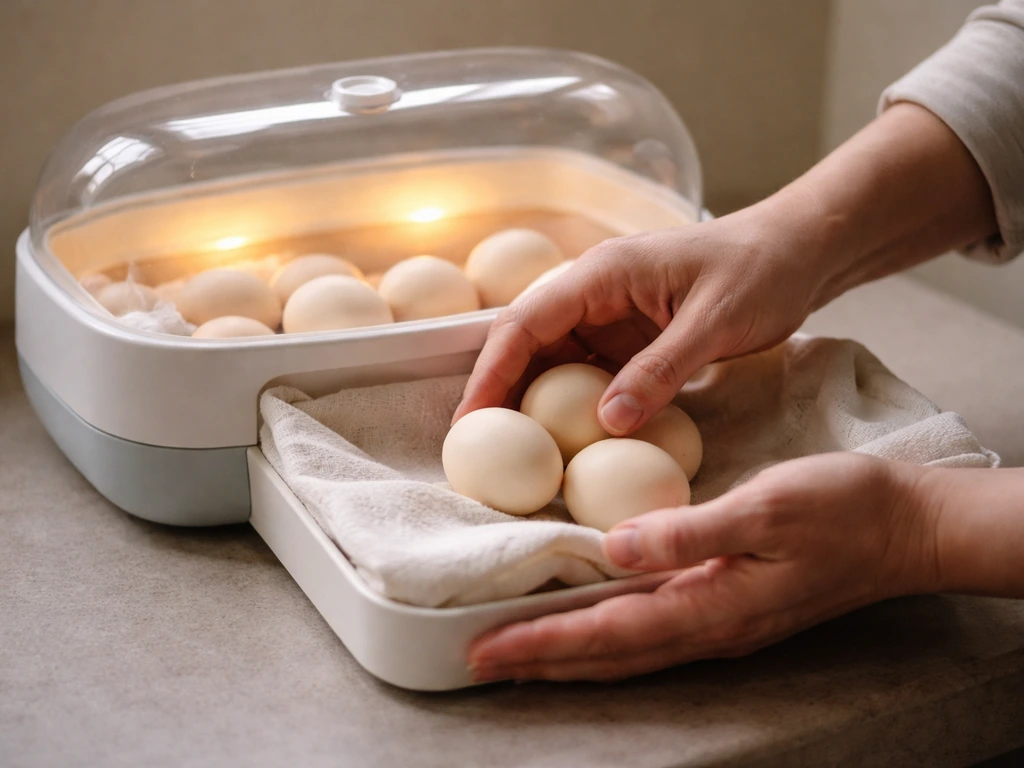
If parents abandon a nest mid-incubation, move eggs carefully to an artificial incubator. If they abandon chicks, assess whether any are still alive and start hand-feeding if they are (within 6 hours of discovery if possible). Try to identify why the abandonment happened: too much disturbance, illness in a parent, incompatible pair, or a predator scare (a cat walking past the cage counts). Fix the cause before the next clutch.
Chick Survival Problems
Chicks that are not gaining weight, have cold bodies, or are being pushed out of the nest by the parents need immediate intervention. A chick that is cold needs warming before feeding; never feed a chilled chick. Hand-feeding formula that is too thick, too thin, or the wrong temperature causes poor crop motility and can be fatal. If a hand-fed chick's crop is not emptying between feedings, consult an avian vet or experienced rehabilitator right away.
Aggression Between Pair Members
Some pairs seem compatible during courtship but show aggression once chicks hatch, usually from the male harassing the female at the nest. If this is severe and ongoing, separate the male and allow the female to raise the chicks alone. Java sparrow hens can raise chicks solo in a well-fed, stable environment, though it requires more dietary support from you.
Legal and Welfare Considerations
Java sparrows are considered an invasive agricultural pest in parts of Hawaii and some other regions of the United States. Check your local and state regulations before breeding them; ownership or breeding may require a permit or may be restricted entirely in your area. For rehabilitators working with wild-caught or semi-wild birds, additional federal and state wildlife permits almost certainly apply. Always work within your legal framework, both for your protection and for the welfare of the birds.
Your Breeding Season Checklist
- Confirm both birds are at least 12 months old and in good health before pairing
- Set up a neutral cage with correct temperature (68 to 80 F), humidity (50 to 60%), and 12 to 14 hours of light
- Provide a covered nest box and natural nesting materials
- Upgrade diet to include egg food, cuttlebone, oyster shell, and fresh greens two weeks before pairing
- Introduce the pair in a neutral cage and monitor for genuine compatibility over 5 to 7 days
- Mark the calendar when incubation begins; expect hatch at day 13 to 15
- Candle eggs at day 7 to assess fertility; minimize all other nest checks
- Keep egg food available at all times once chicks hatch
- Monitor chick growth: strong begging, crop emptying, regular droppings are all good signs
- Wean chicks at 5 to 6 weeks; limit adults to two clutches per season
- Know egg binding signs and have an avian vet contact ready before breeding season starts
- Verify local regulations on Java sparrow ownership and breeding in your area
If you are expanding your finch or small bird breeding knowledge, many of these same principles apply to related species. If you want a broader overview, this guide on how to breed bird covers the same kind of steps from setup and pairing to nesting and chick rearing. The setup, pairing process, and chick-rearing approach for Java sparrows overlaps meaningfully with what works for other domesticated finch and softbill species, so experience with one tends to carry over well to others. If you are also looking for conure bird breeding tips, use the same mindset: set up a stable environment, choose healthy breeders, and be ready to respond quickly to problems finches and softbill species. If you are also researching how to breed quail bird, the same attention to setup, nutrition, and careful monitoring can help you avoid common early mistakes finch and softbill species.
FAQ
How can I tell if my Java sparrow pair is ready to breed before I put them on a nest schedule?
Look for behavioral and physical readiness, not just age. A pair that is ready usually shows sustained courtship (male dancing and singing with the female crouching), the female spending time inside the nest box, and normal respiration and appetite. If either bird looks fluffed at rest, has discharge, or is sitting low on the perch, postpone pairing even if the lighting and diet are correct.
What nest setup mistakes most often cause abandoned eggs or broken clutches?
Avoid excessive nest disturbance and overpacking the nest material. Pairs may abandon if you check too often, if you change the box location mid-breeding, or if you provide nesting material that is dusty or constantly wet. Keep the nest box mounted high and stable, and do not swap nest boxes between clutches unless you are addressing a clear safety or cleaning issue.
Should I remove the male or female during incubation if I worry about the other bird getting on the eggs too hard?
No, the goal is shared incubation, both birds rotating duties. Remove a parent only if you see ongoing aggression, severe nest harassment, injury, or repeated failure to settle. If you are simply worried about normal incubation behavior, leave the pair together and limit checks to once every two to three days.
Is candling always safe and what should I do if I cannot see clear blood vessels on day 7?
Candling is best done around day 7 with a gentle light and minimal handling. If you cannot confidently see vessels, treat it as uncertain rather than definitively infertile, and give the eggs the full incubation window. If you consistently see no development across multiple eggs in a clutch, then plan for fertility review and possible partner change.
What do I do if eggs hatch but chicks are not peeping, or peeping stops early?
First verify timing and temperature stability, then avoid constant opening of the nest box. If peeping stops, it can indicate an incubation problem (temperature, humidity, or egg handling), or delayed hatch. For abandoned or artificial-incubated eggs, review incubator calibration and humidity targets, and contact an avian vet if you suspect overheating or prolonged cooling.
When should I start worrying about chick dehydration or chilling?
Act quickly if chicks feel cool to the touch, are unusually quiet for their age, or fail to show strong begging at feeding times. Cold chicks must warm before feeding, because feeding a chilled bird increases aspiration and can be fatal. If you need to warm, use a gentle heat source that maintains stable temperature, then resume hand-feeding only after normal responsiveness returns.
Can I weigh chicks at home, and what trend is more important than an exact number?
Yes, weighing is one of the best ways to catch problems early. Rather than obsessing over a single target weight, focus on a consistent upward trend day to day and within a few days of hatching. If weight plateaus or drops, address temperature, formula consistency, and whether the crop empties on schedule, then consult an avian vet or experienced rehabilitator.
What is the safest way to clean the cage and nest box during breeding without causing abandonment?
Do spot-cleaning only during incubation and early chick stages, and keep cleaning fast and quiet. Avoid changing substrates or rearranging the cage layout while the pair is nesting. For the nest box, minimal handling is best; if you must clean, do it with a calm routine and time it when parent activity is least disruptive, not frequently between checks.
How do I transition juveniles after weaning without triggering fighting with adults or among siblings?
Move juveniles to a separate cage as soon as they are independently eating and the adults stop active feeding. House juveniles in stable groups but watch for bullying, especially in the first week after separation. If you see persistent chasing or injury risk, separate the aggressor or remove the most vulnerable bird to prevent stress-related setbacks.
What should I do if the female lays eggs but clutch size suddenly drops or eggs are consistently infertile?
Treat it as a nutrition and health feedback loop. Re-check diet quality (especially daily egg food availability) and calcium sources, verify that temperature and lighting are stable, and look for subtle illness signs. After two consecutive infertile clutches, the article recommends separating and trying different pairings, but also include a follow-up vet exam if there are any ongoing respiratory or weight concerns.
Is it okay to have multiple pairs in the same room, and what precautions reduce stress?
Multiple pairs can work, but the main risk is cross-stimulation and noise. Keep cages spaced to reduce visual and auditory conflict, avoid frequent traffic near breeding cages, and do not handle birds unnecessarily. If aggression increases or one pair starts abandoning, isolate the problem pair and consider room separation or quieter placement.
Do I need to plan for permits or regulations even if I only breed for companionship?
Yes. Some regions restrict Java sparrows or treat them as regulated invasive species, and legality can differ for possession versus breeding or distribution. Before starting, check local and state rules and, if relevant, confirm whether selling or transferring juveniles triggers additional requirements.