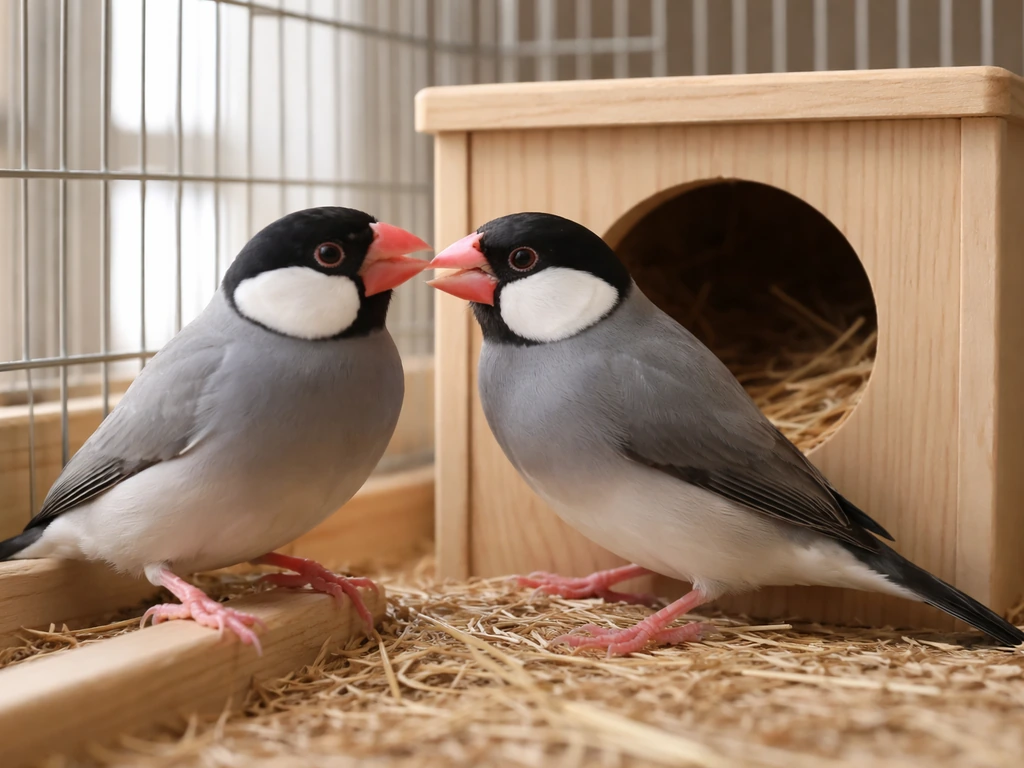
Breeding conures successfully comes down to three things: healthy, well-bonded birds, a setup that mimics their natural environment, and a breeder who knows when to step in and when to stay back. If you need a step-by-step walkthrough of the breeding process from prep to eggs, see how to get bird eggs. If you're wondering how to breed bird species, the steps below walk through choosing pairs, preparing the nest, and managing incubation safely.
Conure Bird Breeding Tips: End-to-End Guide for Safe Care

Maya Harris
18 May 2026
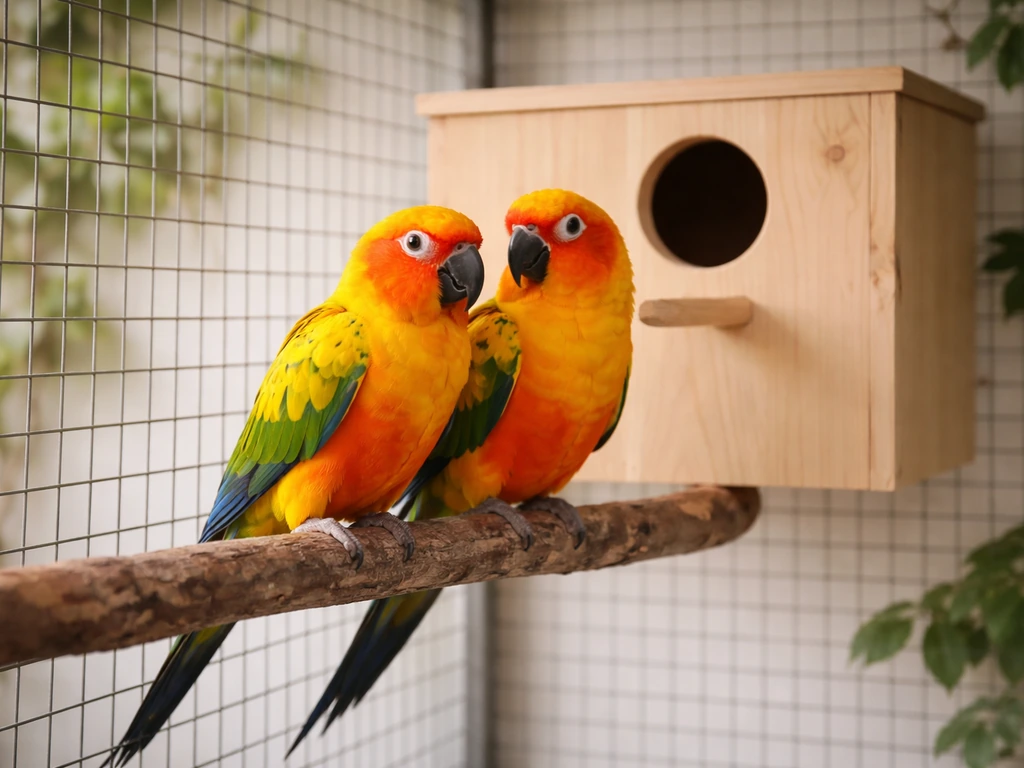
Get those right and you'll see eggs, chicks, and fledglings with far fewer headaches. Skip the prep work and you'll likely end up with infertile clutches, sick chicks, or a stressed pair that never breeds at all. If you are wondering how to start emu bird farming, plan your setup carefully so you can avoid early problems like stress and poor fertility.
Before you breed: species choice, legality, and welfare basics
Start by choosing the right species for your experience level. If you are set on Java bird breeding tips, start by applying the same welfare, legality, and species-appropriate planning you would for conures. The four most commonly bred conures in hobby aviaries are the green-cheek conure (Pyrrhura molinae), sun conure (Aratinga solstitialis), jenday conure (Aratinga jandaya), and nanday conure (Aratinga nenday). Green-cheeks are the most forgiving for beginners: they're quieter, smaller, and generally calmer breeders. Sun and jenday conures are louder and more assertive, which makes pair dynamics a bit trickier to manage. Nandays are hardy but can be noisy and need plenty of space.
Before you acquire birds for breeding, check the legal landscape. In the US, sun conures in particular are subject to trade regulation under CITES, and any birds imported must meet USDA APHIS entry requirements, including health documentation and port-of-entry inspections. USDA APHIS requires that imported birds enter through designated “ports of entry” for birds [port-of-entry inspections](https://www. law.
cornell. edu/cfr/text/9/93. 102). If you're not sure whether your birds or any future birds you're considering purchasing were legally imported, check USDA APHIS and USFWS guidelines before proceeding.
Breeding domestically raised, captive-bred birds avoids most of these complications, but if you're sourcing from another country or re-entering the US with birds after travel, the paperwork matters. USDA APHIS also notes that CITES species, or birds of uncertain status, may require additional attention to U. S. import and re-entry requirements [sourcing from another country or re-entering the US with birds after travel](https://www.
aphis. usda. gov/sites/default/files/fs-bringing-pet-birds-back-to-the-us. pdf).
Always buy from reputable breeders who provide documentation.
Welfare has to come before the breeding goal. Ask yourself honestly: do you have the time, space, equipment, and budget to hand-feed chicks around the clock if the parents abandon them? Can you afford an avian vet visit if a hen becomes egg-bound? Do you have homes lined up for the offspring? If the answer to any of these is uncertain, use this guide to prepare until it isn't. If you're also researching how to breed quail bird, use the same mindset here, because welfare-first planning will still determine whether eggs and chicks thrive use this guide. Responsible breeding means the birds, not just the hobby, come first.
Choosing and preparing your breeding pair
Age, health, and compatibility
Conures should be at least 2 years old before they breed. Birds younger than this may physically produce eggs but often make poor parents, abandon nests, or produce weaker chicks. Aim for birds between 2 and 8 years old for the most reliable results. Both birds should come from different bloodlines to avoid inbreeding, which weakens immune function over generations.
Before you put any pair together for breeding, get both birds tested by an avian vet. At minimum, this means a physical exam, a fecal test for parasites, and screening for psittacine diseases including Chlamydia psittaci (which causes psittacosis and is a zoonotic risk to you and your family) and avian polyomavirus, which can silently devastate a nest of chicks. Labs like UGA VetMed offer molecular diagnostic panels specifically for psittacine species. A positive polyomavirus result in either bird means you need to isolate, clean thoroughly, and retest before proceeding. This step is non-negotiable if you care about the welfare of the chicks you're about to produce.
Conditioning before the breeding season
Conditioning means getting both birds into peak physical shape 6 to 8 weeks before you expect breeding activity. Feed a varied, nutrient-dense diet: high-quality pelleted food as the base (about 60 to 70% of the diet), fresh vegetables, cooked grains, and a limited amount of seed. Add a calcium source like cuttlebone and a mineral block, especially for the hen, whose body will need extra calcium to form egg shells. Soft cooked foods like scrambled egg or cooked legumes help build protein reserves. Avoid high-fat seed mixes as a staple during this period.
Gradually increase daylight exposure to 12 to 14 hours per day using a timer on their light source. In the wild, sun conures begin breeding around February when days lengthen. You can simulate this seasonal trigger year-round in captivity. Natural light is ideal; a full-spectrum avian bulb works well if your setup doesn't allow for real sunlight.
Nest setup, mate bonding, and keeping stress low
The right nest box
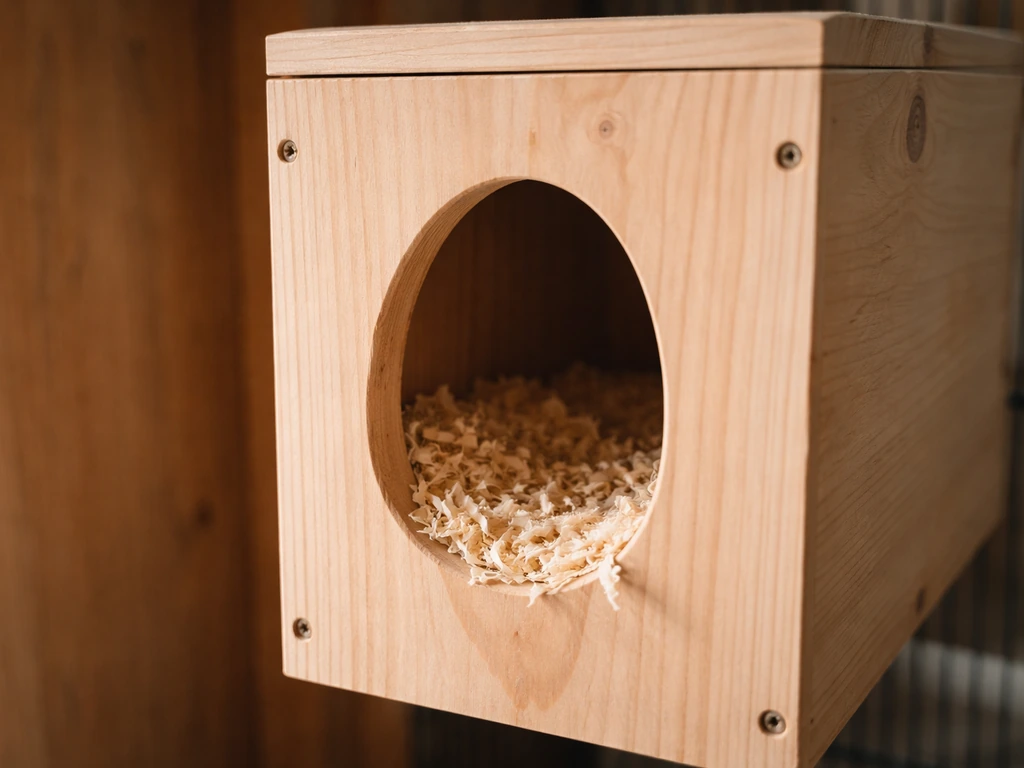
Conures prefer a vertical or slightly angled nest box. For green-cheeks, a box around 8 inches wide by 8 inches deep by 12 inches tall works well. Larger species like sun or jenday conures need a bit more room: aim for 10 by 10 by 14 inches minimum. The entrance hole should be about 3 inches in diameter. Use untreated natural wood boxes, not plastic. Line the bottom with 2 to 3 inches of safe nesting substrate: shredded palm fronds, wood shavings (avoid cedar and pine), or natural cork bark are all good choices. Many breeders add a concave wooden disc to the bottom to keep eggs from rolling.
Box placement and environment
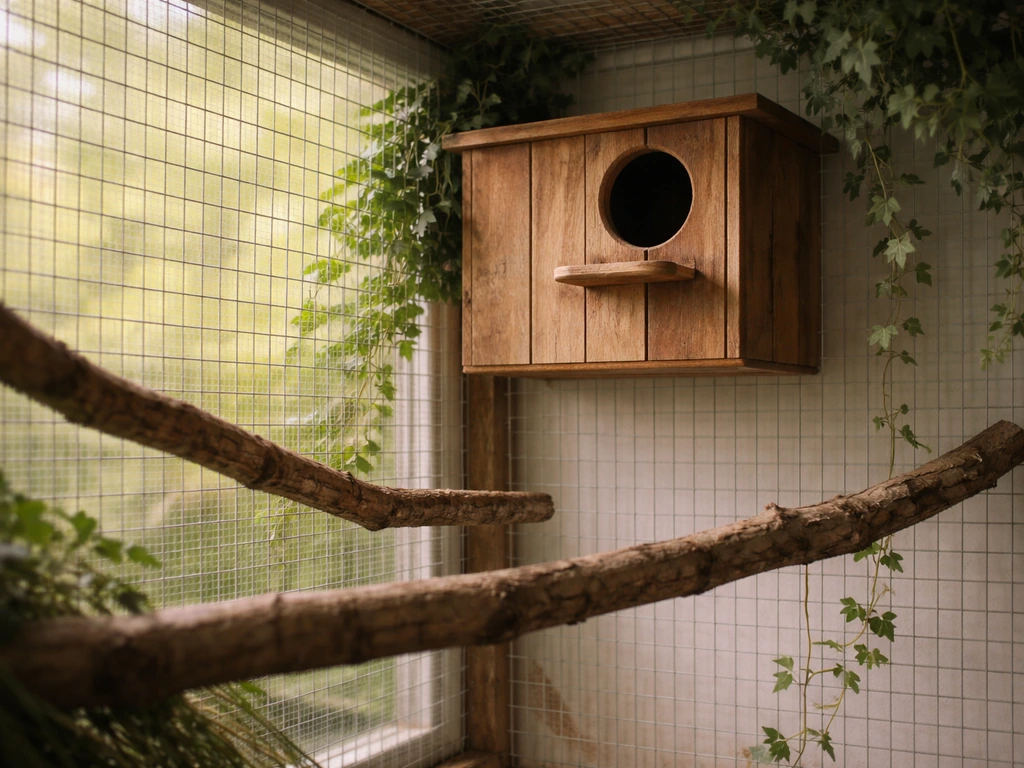
Mount the nest box high in the enclosure, ideally in a corner, with the entrance facing the interior of the aviary. Conures feel safer when the box is elevated and against a solid wall. Keep the breeding area in a low-traffic location: foot traffic, loud sounds, and other pets nearby are the fastest way to trigger nest abandonment or aggression. Cover three sides of the cage or flight with a visual barrier (a piece of fabric or solid panel works fine) to reduce stress without cutting off ventilation.
Bonding and courtship cues
If you're introducing two birds who haven't lived together, give them at least 4 to 6 weeks in adjacent cages before putting them in the same enclosure. Watch for mutual preening, feeding each other, and the male doing exaggerated head-bobbing or wing displays: these are signs the pair is bonding. Aggression like feather pulling or relentless chasing means the pair isn't compatible and you should separate them. Not every conure pair will work, and forcing a pairing is unfair to both birds.
Once the pair is housed together and bonding is going well, introduce the nest box. Many pairs will begin inspecting it within a few days. Resist the urge to peek inside constantly during this phase. One or two brief checks a week is enough to monitor progress without disturbing the birds.
Egg laying through incubation: what to expect and how to manage it
The clutch
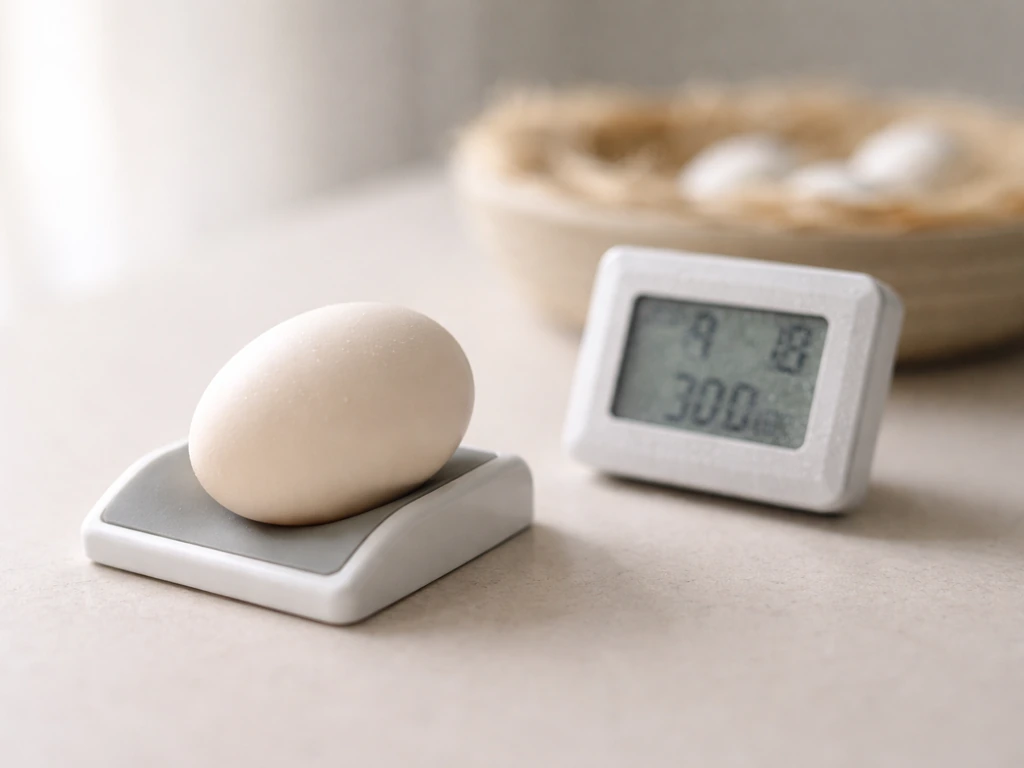
Sun conures typically lay 3 to 4 eggs per clutch, with one egg laid every 2 to 3 days. Green-cheeks often lay 4 to 6 eggs. The female usually starts incubating after the second or third egg is laid, which means some eggs will hatch a day or two apart. Incubation lasts roughly 21 to 30 days depending on the species: most green-cheeks hatch around day 23 to 25, while sun conures average 23 to 27 days. The female does most of the incubating, but the male will often sit with her or relieve her briefly.
Temperature, humidity, and turning
If the parents are incubating reliably, let them do it. Natural incubation almost always produces better hatch rates than artificial incubation. If you do need to pull eggs for artificial incubation (due to abandonment or aggression), maintain the incubator at 99.3 to 99.5 degrees Fahrenheit (37.4 to 37.5°C) with relative humidity around 50 to 55%, increasing to about 65% in the last 2 to 3 days before hatch. Turn the eggs at least 3 times daily if the incubator lacks an automatic turner. Mark one side of each egg with a soft pencil so you can track rotation.
Candling
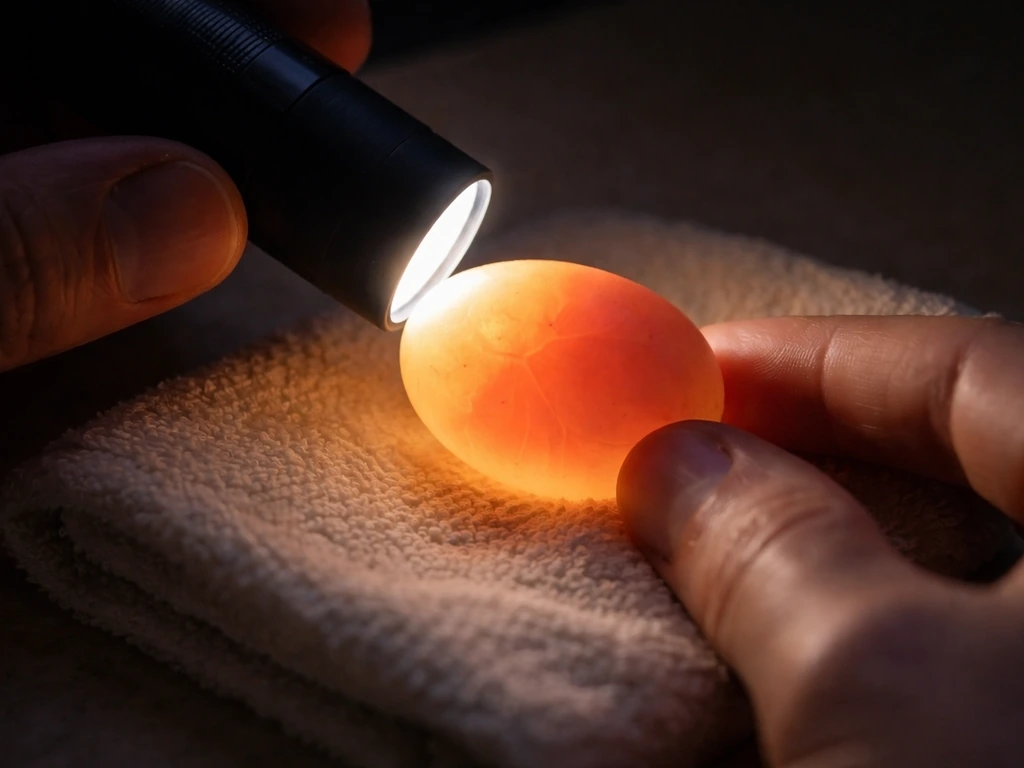
Candle eggs at day 7 and again at day 14 to check fertility and development. Use a small LED candle light or dedicated egg candler in a darkened room. A fertile egg will show a network of blood vessels and a dark embryo mass by day 7. An infertile egg looks clear throughout. A "blood ring" (a ring of blood with no visible development) means the embryo died early. Remove infertile and early-death eggs promptly to prevent them from exploding inside the nest and contaminating healthy eggs. At day 14 a developing chick should fill most of the egg's internal space with visible veining.
From hatch to fledging: setting up a brooder and raising chicks
Brooder setup
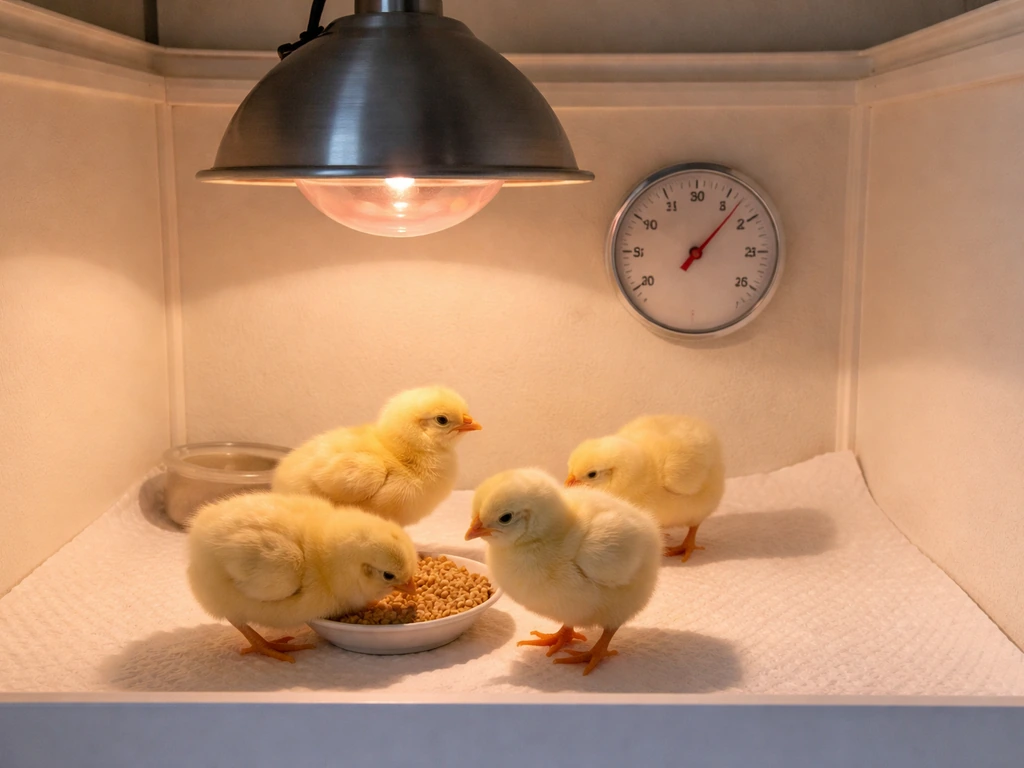
If parents are feeding chicks, monitor from a distance and only intervene if chicks appear underfed or are being ignored. If you're hand-raising from hatch (or taking over from day 10 to 14 for taming purposes), you'll need a brooder.
A simple brooder can be made from a small plastic tub with a secure mesh top and a heat source such as a reptile heat mat or a small ceramic heat emitter positioned to one side so chicks can move away from heat if needed. Newly hatched conures need ambient brooder temperatures around 95 to 98°F (35 to 36. 7°C). Reduce temperature by about 2°F per week as feathers develop.
By weeks 5 to 6, most conures are fully feathered and comfortable at 75 to 80°F (23. 9 to 26. 7°C).
Hand-feeding schedules and formula
Use a commercial psittacine hand-feeding formula (brands like Kaytee Exact or Zupreem are widely available) mixed fresh for each feeding according to package directions. Never re-use leftover formula: it grows bacteria rapidly. Feed at about 104 to 106°F (40 to 41°C), measured with a thermometer, never by feel alone. Feeding temperature is one of the most common causes of crop burns, which are painful and can be fatal.
| Age | Feedings per day | Approximate formula temperature | Notes |
|---|---|---|---|
| Hatch to day 5 | Every 2 hours (day and night) | 104°F (40°C) | Very small amounts; crop should empty between feedings |
| Days 6 to 14 | Every 2 to 3 hours | 104°F (40°C) | Volume increases gradually; check crop each feeding |
| Weeks 3 to 4 | Every 4 hours; skip one overnight feeding | 104°F (40°C) | Begin offering soft solid foods alongside formula |
| Weeks 5 to 6 | 3 times daily | 104°F (40°C) | Weaning foods become primary; formula as supplement |
| Weeks 7 to 8 | Once daily or as needed | 104°F (40°C) | Transition to fully independent eating |
Weighing, hygiene, and milestones
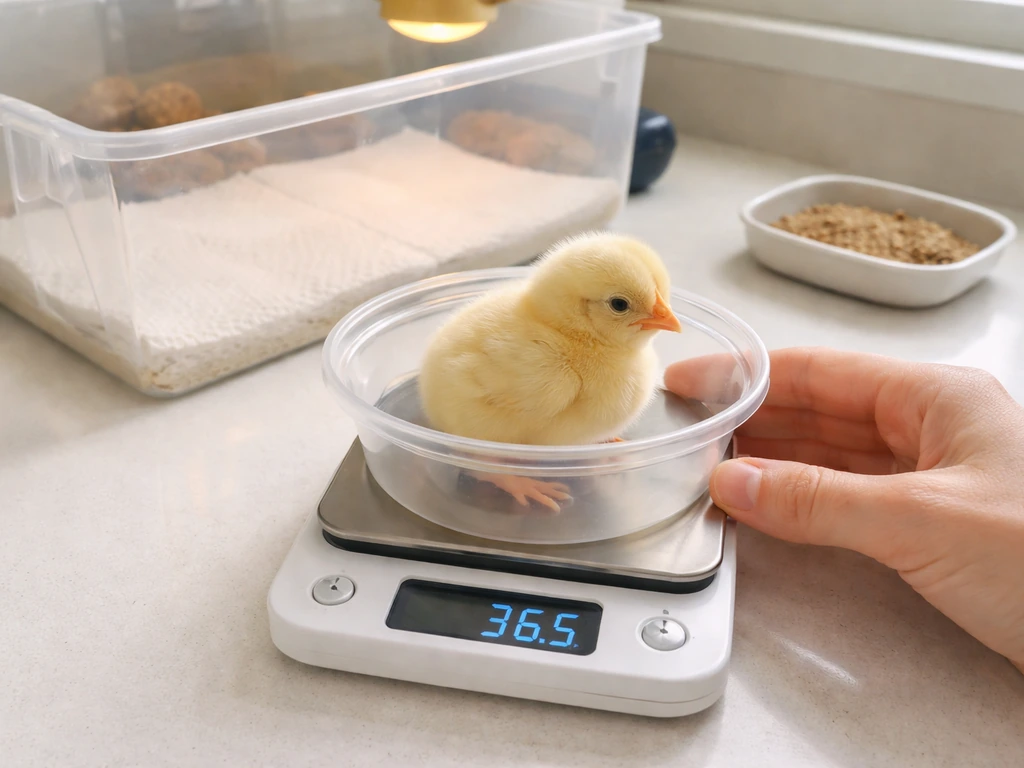
Weigh chicks every morning before the first feeding using a kitchen gram scale. Healthy chicks gain weight daily and should roughly double their hatch weight within the first week. A chick that loses weight two days in a row needs prompt attention. Keep a simple log of daily weights: it's the single most useful data point for tracking chick health.
Change brooder substrate (paper towels work well and are easy to replace) at least once a day. Wipe feeding syringes and tools with hot water and rinse thoroughly after every use. A dirty brooder is a fast track to bacterial crop infections. Eyes open between days 10 and 14 in most conures. Pin feathers emerge around weeks 2 to 3. Most conures are fully feathered and starting to flap and exercise wings by weeks 5 to 6. First flight attempts usually happen around week 7 to 8.
Troubleshooting common conure breeding problems
No eggs or infertile eggs
If a bonded pair isn't laying after 8 to 10 weeks of appropriate conditions, check your daylight schedule (are you at 12 to 14 hours?), diet quality, and the birds' age. A vet can confirm reproductive health via physical exam or ultrasound. If eggs are consistently infertile, have the male's fertility evaluated: older males or birds with undetected infections sometimes produce non-viable sperm. Switching to a different male (if you have one available) is a practical diagnostic step.
Eggs not hatching (incubation failure)
Late-stage embryo deaths that don't hatch (called "dead in shell") usually point to humidity being too low in the final days of incubation, inconsistent temperatures, or genetic issues. If you're seeing this repeatedly, verify your incubator's accuracy with a calibrated thermometer and hygrometer. Nest disturbance during the final week can also cause chilling. If parent-incubated eggs are failing consistently, have the birds tested for viral infections: polyomavirus and other diseases can cause embryo death.
Egg binding
Egg binding is a medical emergency. Signs include a hen sitting on the cage or aviary floor, straining, tail bobbing, looking fluffed and lethargic, or breathing with effort. Do not attempt to manipulate a bound egg yourself. Get the bird to an avian vet immediately. In the meantime, keep her warm (around 85 to 90°F or 29 to 32°C), minimize handling, and do not let her get cold. If you ever need a safer way to handle the bird during urgent care, you can also look into how to pinion a bird as a related restraint option. Preventive calcium supplementation throughout the conditioning period reduces the risk significantly.
Failure to thrive in chicks
A chick that is losing weight, has a slow-emptying or sour crop, is unusually quiet, or has a distended abdomen is in trouble. Slow-emptying crops often point to bacterial or yeast (candida) infection in the crop, usually caused by formula that is too cool, contaminated formula, or a dirty feeding environment. A vet can swab and culture the crop. Yeast infections respond to antifungal treatment; bacterial infections need antibiotics. Both require a vet, not home remedies. Always have a relationship with an avian vet before your chicks hatch so you're not scrambling in an emergency.
Aggression toward the mate or toward you
Breeding hormones make conures significantly bolder and sometimes bitey toward their owners. This is normal and usually seasonal. Minimize handling of the breeding pair during active nesting; approach calmly and predictably when you do need to interact with the cage. If the male is seriously injuring the female (not just normal squabbling), separate them immediately and reassess compatibility. Not every pair works.
Weaning, aftercare, and preventing re-breeding burnout
Weaning to solid food
Weaning is gradual, not a hard cutoff. Start introducing soft, warm foods alongside formula at 3 to 4 weeks: soft-cooked grains, mashed sweet potato, finely chopped greens, and small pieces of soft fruit. Offer these in a shallow dish the chick can explore. Many chicks wean themselves largely by 8 to 10 weeks when food is offered consistently. Never withhold formula to force weaning faster: this causes stress and can lead to nutritional deficits. A chick is fully weaned when it voluntarily refuses formula and maintains its weight for 5 or more consecutive days on solid food alone.
Preventing over-breeding and giving the hen a rest
Conures can and will breed multiple times per year if given the opportunity, but this is hard on the hen's body and often produces weaker chicks in later clutches. Remove the nest box after each clutch and reduce the light schedule back down to 10 to 11 hours for 8 to 12 weeks before allowing another breeding cycle. Two clutches per year is a reasonable maximum for most conure species. Three clutches should be the absolute limit, and only with an otherwise very healthy, well-conditioned hen. Watch her body weight and feather condition closely: a thin or ragged hen is telling you she needs a longer break.
Finding good homes for offspring
Have homes lined up before the eggs hatch, not after. Screen potential owners for knowledge and commitment. A well-socialized, hand-raised conure chick deserves a home with someone who understands the bird's social, dietary, and veterinary needs. If you breed a species like the sun conure, be aware of the conservation pressures the species faces in the wild: responsible captive breeding means contributing to a healthy, well-documented captive population, not adding to a surplus of birds without good homes.
If the breeding attempt fails
Failed attempts are part of breeding, especially in the first season. Document what happened: infertile eggs, failed incubation, abandoned nest, or chick loss, and use that information to improve conditions for the next cycle. If your goal is how to increase bird population, track each failure mode and adjust the next breeding round for better hatch and chick survival improve conditions for the next cycle. A vet consultation after a failed attempt is always worthwhile.
Give both birds a rest period of at least 8 weeks, revisit your diet and lighting protocols, and reassess the pair's compatibility and health before trying again. Patience is the most underrated skill in bird breeding, and a methodical approach over two or three seasons produces far better long-term results than rushing.
FAQ
How long can conure eggs sit in the nest before I start incubating or caring for them?
Yes. Keep an eggs-only incubation plan separate from brooder preparation, and use dedicated tools (candler, gloves, markers) to reduce cross-contamination. Also, do not store eggs for longer than about 7 days at cool, consistent conditions if you are not immediately incubating, because hatch rates typically drop as storage time increases.
What if the male does not incubate or relieve the female as often as expected?
If only one parent is involved or the male is not relieving the hen, it can still work, but you should confirm the hen remains on-schedule. Practical check, weigh the hen weekly and watch body condition, a persistently “off the nest” hen often correlates with lower hatch success or embryo cooling.
Can I reunite conures after separating them for aggression?
If you have to separate a bonded pair due to aggression, keep them close but not touching for at least the same period you used for initial adjacency, 4 to 6 weeks, then re-evaluate bonding behaviors. Reintroduce only after both birds have stable body weight and are not showing stress behaviors (feather plucking, persistent vocal distress).
How much calcium should I give, and can I overdo it during breeding?
Do not supplement calcium in a way that changes the whole balance of the diet. Target calcium primarily through a mineral block and cuttlebone during conditioning, and avoid “extra” supplements during incubation unless your avian vet directs it, since excessive dosing can affect mineral balance and appetite.
What is the most common reason conure breeding fails even when the nest box is correct?
For first-time breeders, the biggest mistake is pairing birds that are “compatible in personality” but not compatible in breeding readiness. Use the vet test results and the birds’ age as hard requirements, then rely on bonding cues after adjacent-cage time, especially mutual preening and non-injurious mating displays.
How can I troubleshoot infertility when I see eggs but few or none hatch?
If eggs are present but fertility is low, consider timing and male viability. Also check that the female is not being chronically stressed by the environment (traffic, other pets, frequent nest checks) and that lighting is actually stable on a timer, inconsistent schedules can reduce successful mating and embryo development.
Do I need to calibrate an incubator before every breeding attempt?
Calibrate before you start and after any move or power disruption. If you suspect accuracy issues, confirm incubator temperature and humidity with independent calibrated probes, then run a test cycle with water to validate humidity control before using it for live eggs.
What should I avoid during the last days before hatch?
During the final days, avoid opening the incubator for “quick peeks.” If you must inspect, limit time out of the incubator, keep handling minimal, and do not rotate eggs during the last phase (typically the last 2 to 3 days), since embryos may be positioned for final orientation.
My chick has a slow or sour crop, what should I do first?
“Slow-emptying” and sour crop signs mean you should treat it as urgent. Do not try to fix it by changing formula ratios or temperatures without guidance, because improper adjustments can worsen imbalance. Call your avian vet, ask for a plan for crop evaluation, and meanwhile keep the chick warm and minimize handling.
What if my hen starts showing nesting behavior but I am not ready for eggs or chicks yet?
If you find you are running out of time before you expect the first clutch, extend the rest period rather than forcing the breeding schedule again immediately. Typically, shift back to normal light (about 10 to 11 hours), reassess diet, and avoid repeated hormone-trigger cycles, which can reduce maternal condition.
Can I use artificial lighting instead of natural sunlight safely?
Yes, but do it carefully. If you use a full-spectrum bulb, keep it on the same timer with the same start time daily, avoid drafts near the cage, and ensure the birds can choose slightly different microclimates (perches at different heights) so they are not forced to experience the same heat load.
How do I tell normal growth delays from a sick chick?
Do not decide solely by appearance, since some feathering delays are normal while others are illness related. Use the daily weight log plus crop sounds and droppings consistency to judge health, if weight loss persists more than one day or activity drops sharply, contact the avian vet promptly.
What should I check when finding homes for conure chicks before they hatch?
You can plan a backup adopter list, but screen for willingness to handle formula schedules, vet access, and socialization needs. Also, match by experience level, a “starter home” may be appropriate for first-season chicks but not for anyone who expects a low-interaction pet.
Next Article
Java Bird Breeding Tips: Step-by-Step Guide
Step-by-step Java bird breeding tips for healthy pairs, nesting, egg incubation, chick feeding, weaning, and welfare-fir